In every corner of the United States, the issue of crime continues to spark concern. Many citizens are anxious about their safety as they navigate urban landscapes that hold both beauty and unseen dangers. This exploration into the 25 most dangerous cities showcases the complex interplay between crime rates and the socio-economic factors that fuel them. Alongside striking visuals, we will reveal stories behind the statistics as we aim to create a deeper understanding of these communities.
1. St. Louis, Missouri
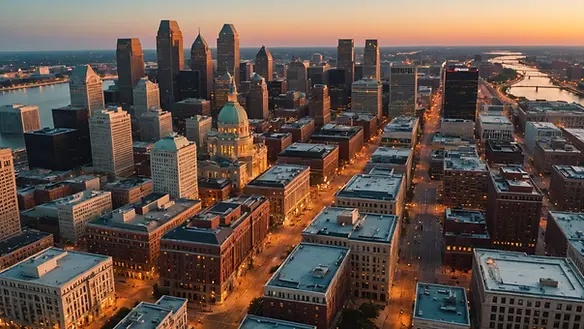
St. Louis is often under intense scrutiny due to its alarming violent crime rates. Recent statistics indicate that the city has a violent crime rate of approximately 1,057 incidents per 100,000 residents, which is nearly five times the national average. Contributing factors include economic hardships and historical inequalities, which perpetuate cycles of violence. Addressing these intricate issues is vital for the community’s future.
2. Detroit, Michigan

Once a thriving industrial hub, Detroit has transformed into a city where economic decline has led to a notable rise in crime. In 2022, the property crime rate in Detroit was 3,715 per 100,000 people. This figure reflects issues rooted in economic decline, including a population decrease from over 1.8 million in the 1950s to just around 670,000 today. The visual contrast between decaying buildings and the signs of revival captures the city’s ongoing struggle and resilience.
3. Baltimore, Maryland

Baltimore deals with a complicated relationship between crime and community dynamics. The city recorded a violent crime rate of 1,195 incidents per 100,000 residents in 2022. Factors like poverty rates, which hover around 23%, and a legacy of systemic racism contribute significantly to crime levels. Exploring community-led initiatives provides insight into how locals are combatting these long-standing challenges.
4. Memphis, Tennessee

Known for its blues music and BBQ, Memphis grapples with high crime rates, particularly violent crime, which reached 1,076 per 100,000 residents in 2022. Underlying factors include poverty and limited access to quality education. The city’s vibrant culture starkly contrasts with the persistent struggles, and community efforts are underway to address safety concerns and uplift local neighborhoods.
5. Cleveland, Ohio

Cleveland’s crime issues resonate with its economic struggles. The city’s violent crime rate stands at about 1,198 incidents per 100,000 residents, significantly above the national average. Ongoing attempts for economic revitalization are encouraging, but the historical neglect still looms large. Delving into local improvement projects sheds light on how communities fight back against these challenges.
6. New Orleans, Louisiana

New Orleans is synonymous with festive spirit, but the statistics tell a different story. With a violent crime rate of 1,051 incidents per 100,000 people, the city faces challenges with gang violence and drug-related crimes. The enchanting streets conceal a reality of violence that many residents work tirelessly to combat. Community safety initiatives provide hope for a brighter future amid persistent risks.
7. Chicago, Illinois

Chicago, a city rich in culture, sees fluctuating crime rates concentrated in specific neighborhoods. In 2022, the city had a violent crime rate of 1,015 per 100,000 residents. Gang violence and illegal firearm possession are major contributors to this statistic. The city’s extensive community engagement efforts aim to address these crime issues, providing a pathway to recovery and enhanced safety.
8. Flint, Michigan

Flint has been marked by the infamous water crisis, but crime remains a pressing concern. The city reported a violent crime rate of 1,379 per 100,000 residents, stemming from economic decline and disenfranchisement. Local advocates are striving to reclaim their community. Initiatives focusing on public safety and environmental clean-up are crucial for Flint’s revitalization.
9. Oakland, California
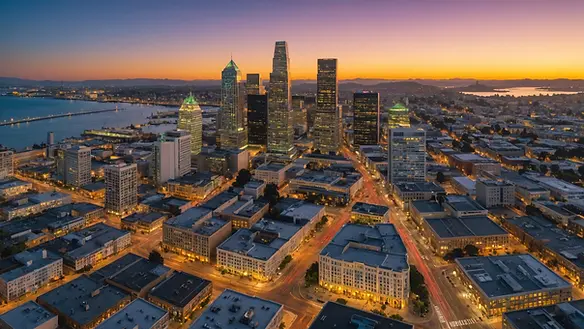
Oakland boasts a diverse cultural landscape while struggling with a violent crime rate of around 1,207 incidents per 100,000 residents. Drug-related crime plays a significant role here, impacting community sentiment and safety. Despite ongoing challenges, local art movements and community-driven projects aim to revitalize neighborhoods and reduce crime through engagement and connection.
10. Kansas City, Missouri

Kansas City’s crime rates remain a concern, particularly rising violent crimes, with a reported rate of 1,260 incidents per 100,000 people. Poverty and lack of job opportunities are significant contributors. Nonetheless, community groups are forming initiatives to foster connection and safety in neighborhoods, inspiring hope even amid struggles.
11. Albuquerque, New Mexico

Albuquerque experiences high property crime rates at about 4,810 incidents per 100,000 residents, alongside violent crimes closely tied to drug issues. While the city’s charm attracts visitors, many residents focus on improving safety. Grassroots organizations work diligently to create safer neighborhoods through awareness and engagement, showcasing a desire for positive change.
12. Stockton, California

Stockton’s crime rates are among the highest in California, with a violent crime rate reaching 1,588 incidents per 100,000 people. The economic instability fuels gang-related violence, but community-led rehabilitation programs show a path toward healing. Success stories from local initiatives highlight the possibility of revitalization through community strength.
13. Las Vegas, Nevada

Las Vegas may be known for its entertainment, yet it faces significant crime issues, including theft and drug-related crimes. The overall crime rate stands at about 7,184 per 100,000 residents, largely influenced by its tourist-heavy environment. Local security efforts aim to improve conditions for residents while maintaining the city’s allure for visitors.
14. Philadelphia, Pennsylvania

Philadelphia is rich in culture but faces high crime rates, particularly in violent offenses, which approach 1,200 incidents per 100,000 residents. Poverty, coupled with systemic issues, fuels ongoing challenges. Community engagement through public arts and advocacy programs offers a promising route toward change, encouraging collaboration and understanding.
15. Atlanta, Georgia
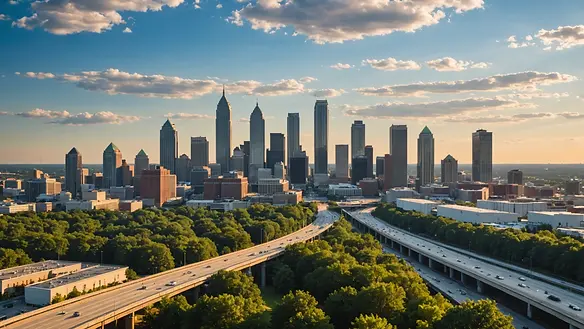
Atlanta’s rapid urban growth has brought rising crime rates, particularly violent crime that reaches around 720 per 100,000 residents. Historical patterns of segregation and economic disparity play a role in shaping the crime landscape. Local organizations focus on community safety and empowerment, fostering a narrative of hope amidst ongoing challenges.
16. Little Rock, Arkansas

Little Rock is impacted by rising crime rates, especially in violent offenses, which sit at 1,060 incidents per 100,000 residents. Economic challenges intertwine with community efforts to confront crime. Local advocacy for safety and upliftment is a testament to the resilience and unity present among residents.
17. Birmingham, Alabama

Birmingham faces high crime rates, driven by economic distress, with a violent crime rate of about 1,090 incidents per 100,000 people. Social divides present significant challenges, yet the community is eager to rally together. Collaborative efforts between different organizations are shaping a hopeful narrative for the city’s future.
18. Richmond, Virginia

Richmond experiences a violent crime rate nearing 950 incidents per 100,000 residents, a statistic tied to systemic economic struggles. Community resilience manifests through initiatives aimed at fostering collaboration with law enforcement to tackle crime’s root causes. Understanding these community programs reveals paths toward healing.
19. Peoria, Illinois

Peoria grapples with economic difficulties reflected in its crime rate, which rests around 1,021 per 100,000 residents. Local government and community partners are working diligently to address crime, presenting opportunities for improvement and connectivity among residents for greater engagement.
20. Compton, California

Compton’s history includes longstanding issues with violent crime often linked to gangs, displaying a violent crime rate of approximately 1,039 incidents per 100,000 residents. Yet, among these challenges, a strong sense of community pride and cultural celebration persists. Local art and workshops cultivate a narrative that emphasizes hope and resilience.
21. Newark, New Jersey

Newark suffers from a mix of poverty and urban decline, contributing to a violent crime rate reaching about 1,250 incidents per 100,000 people. Community programs focused on economic growth and restorative justice are catalysts for desired change. The story of Newark reflects resilience in the face of adversity, revealing a community’s commitment to creating a safer future.
22. Tucson, Arizona

Tucson faces ongoing crime challenges linked to drugs and socioeconomic factors, with violent crime rates around 654 incidents per 100,000 residents. However, strong community engagement initiatives are on the rise, uniting residents in the face of adversity. Local efforts emphasize the importance of building relationships as a means to improve safety.
23. Baton Rouge, Louisiana

Baton Rouge’s struggle with crime is evident, as its violent crime rate reaches approximately 1,000 incidents per 100,000 people. Socioeconomic factors play a significant role in this context. Nevertheless, grassroots efforts to improve community safety offer optimism, demonstrating a commitment to change from within.
24. Columbia, South Carolina

Columbia faces ongoing property crime challenges with a rate near 4,500 incidents per 100,000 residents. Community initiatives focussing on safety improvements are paving a path toward healing. City-wide programs that engage residents in creating a safer environment reflect the collective desire for change.
25. Wichita, Kansas

Wichita is marked by complex urban issues, with crime rates around 853 incidents per 100,000 people. Economic struggles contribute to a pressing concern surrounding safety. Local organizations are vital in addressing these issues, showcasing the spirit to promote collaboration and community improvement.
Reflecting on Reality
Examining the realities behind the most dangerous cities in the USA allows us to better understand the societal challenges they face. Each city harbors stories filled with struggle, resilience, and hope for improvement. While the grim statistics illustrate a darker side to urban life, acknowledgment of community efforts to address the root causes of crime fosters optimism.
As we navigate these narratives, we can lay the groundwork for meaningful dialogue and community engagement. The diverse experiences and responses to crime remind us that healing and change are possible when resilience abounds.
Leave a Reply