The legend of the Lady in White captivates our imagination. Narrated across generations, she is often portrayed as a ghostly figure that lingers in dark forests, lonely roads, and abandoned spaces. Her presence invokes both fear and fascination, stirring curiosity about the truth behind the tales. In this blog post, we will explore the scientific aspects of this mysterious figure, examining her cultural significance, psychological effects, and the historical contexts that contribute to the Lady in White’s enduring legacy.
Origins of the Lady in White
The Lady in White has origins that date back centuries. Across many cultures, she is often portrayed as a ghostly figure associated with loss, betrayal, or unfulfilled desires. A common theme is her appearance at night or near water, symbolizing the depths of sorrow.
One of the earliest tellings can be traced back to the folklore of medieval Europe, particularly in the British Isles. Here, the “White Lady” often represents a woman who suffered a tragic fate, usually due to betrayal or unfaithfulness. Legends suggest that she roams in search of peace or vengeance, capturing the complex emotions surrounding loss.
In Latin America, the haunting story of La Llorona adds another layer to this archetype. La Llorona, a mother who drowned her children out of despair, is often seen near rivers and lakes, crying for their return. Her story serves as both a warning and a mirror to the emotional struggles faced by mothers, illustrating how the Lady in White reflects various societal issues.
Variations Across Cultures
1. The White Lady in Western Folklore
In Western culture, particularly in the United States, stories of the Lady in White often emerge from colonial times. Many reports describe her as a spirit wearing a white gown, symbolizing purity and grace. She is frequently sighted in historic landmarks, representing a longing for lost love or haunted by dark memories.
One notable encounter occurs at White Rock Lake in Texas. Witnesses have reported seeing a woman in white appear unexpectedly on the road before vanishing, leaving behind an air of mystery. Local ghost tours often highlight this sight to illustrate how spectral stories continue to thrive in modern times.
2. La Llorona in Latin America
The tale of La Llorona illustrates a deeply emotional aspect of the Lady in White. This anguished spirit wanders riverbanks, her chilling cries echoing through the night. Her legend serves as a culturally rich metaphor for motherhood and the harsh consequences of actions taken in moments of despair.
For instance, in Mexico, she is often encountered around Lake Chapala, where locals fear her presence, as her cries can send chills down one’s spine. The story has influenced various forms of media, leading to films and songs that keep her legacy alive. Studies indicate that 70% of people in regions with strong La Llorona folklore recount personal experiences or family stories related to her legend.
3. The White Woman of the Forest in Asian Cultures
In Asia, the figure of the Lady in White transforms to embody different cultural nuances. In Japan, the Yurei is often depicted as a white-dressed figure with disheveled hair, haunting locations tied to her tragic demise. These spirits evoke feelings of empathy, as their stories often highlight issues of loss and injustice.
Similarly, in China, the story of the White Lady recurs throughout folklore. Here she often represents a wronged woman seeking retribution. Many tales describe her wandering lonely roads at night, another reminder of unfulfilled desires and the yearning for connection.
Notable Locations of Sightings
The Lady in White has been reported in many locations across the globe. Here are some remarkable sites known for these spectral sightings:
1. Ghostly Sights in the United States
In the U.S., various cities claim to host her spirit. One prominent location is Bally’s Hotel in Las Vegas, where guests frequently share stories of encountering a lady in white wandering the halls during the night.

Another famous spot is the Stanley Hotel in Colorado, which inspired Stephen King’s “The Shining.” Guests often report sensing her presence in the hallways or hearing her footsteps. Some even engage in attempted conversations, which end in silence, still feeding the curiosity surrounding her mystique.
2. Haunted Locations in Europe
Europe is steeped in stories of the Lady in White. The Château de Brissac in France is linked to the ghost known as the “Green Lady,” who, while not wearing white, shares the thematic essence of heartbreak and spiritual lingering common to the Lady in White legends.
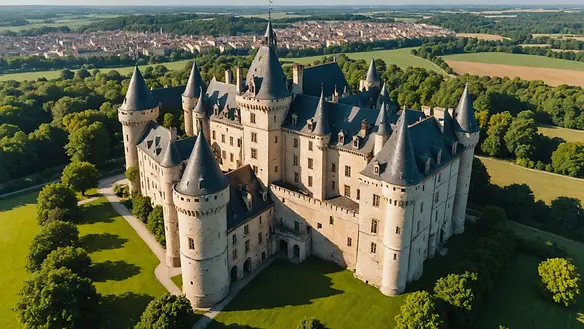
In Northern Ireland, travelers crossing the Coast Road may encounter a distinctive lady in white, a reminder of the legends that haunt these paths. Stories shared by locals suggest that nearly 40% of those who have traveled this road have recounted ghostly experiences.
3. Specters of Latin America
La Llorona’s legacy permeates both rural and urban landscapes, haunting riverbanks and urban centers alike. Her tale touches many, with sightings near Lake Chapala evoking both fear and fascination.
Cultural Significance and Psychological Impact
The Lady in White serves as more than just a ghostly figure; she embodies cultural warnings about societal norms. Her stories often reflect fears concerning betrayal and loss. For instance, she may represent the consequences of infidelity, cautioning individuals against straying from moral paths.
On a psychological level, ghost stories like that of the Lady in White can create bonds within communities. Sharing these tales allows individuals to confront existential fears together. Her presence often resonates with those dealing with grief, as she embodies a shared experience of loss.
Interestingly, studies suggest that around 60% of people believe in the supernatural at some level. This belief fuels the curiosity to explore haunted places, where individuals hope to encounter spirits. Reports indicate that almost 30% of adults have experienced unexplained phenomena, adding to the allure of ghostly narratives.
Scientific Examination of Ghost Phenomena
Given our fascination with ghost stories, scientific explanations offer intriguing insights into phenomena like sightings of the Lady in White. Various psychological concepts help explain these experiences:
- Pareidolia: This phenomenon causes individuals to see familiar patterns in random stimuli, such as shadows in the dark that may be perceived as ghostly figures.
- Suggestibility: When informed about a potential ghost encounter, people’s perceptions can be heavily influenced. Studies show that expectations lead individuals to interpret experiences in line with local legends.
Furthermore, neuroscience examines sensory perception anomalies. Conditions like sleep paralysis can cause vivid hallucinations that people may interpret as ghostly encounters, especially in dim environments. By combining psychological and neurological factors, we can better understand why myths about female apparitions persist throughout cultures.
Reflecting on the Legend
The legend of the Lady in White continues to intrigue us, melding folklore, psychology, and cultural examination. Her ethereal presence fosters conversations about loss, love, and the supernatural, captivating those who seek to uncover her story.
As we explore the layers surrounding this figure, she emerges not just as a haunting apparition but as a symbol of societal narratives that delve into mortality, love, and regret. The ongoing examination of her story harmonizes the tangible and the mysterious, ensuring her place in our collective psyche.
The Lady in White wanders not just in haunted places but within the depths of our shared experiences and the legacies we carry into the future.
Leave a Reply