St. Thomas, a gem among the U.S. Virgin Islands, boasts an enchanting culture steeped in history and vibrant community life. The island’s stunning beaches, lively traditions, and welcoming residents create an unforgettable experience for all visitors. By embracing visual storytelling, you can uncover the heart and soul of St. Thomas, revealing rich narratives tied to its past and present. This guide will lead you through the island’s unique cultural elements, offering insights that will engage your senses and inspire your imagination.
1. The Historical Tapestry of St. Thomas

St. Thomas has a captivating history shaped by diverse cultures, including the Taino, Danish, and Afro-Caribbean influences. Originally inhabited by the Taino people, the island saw European colonization begin in the 17th century. The Danish West India Company established a pivotal colony here, significantly contributing to the island’s historical narrative.
To truly appreciate St. Thomas’s culture, visit its historical sites. Fort Christian, the island’s oldest structure, is a remarkable reminder of its colonial past. Walking through its ancient walls offers stunning harbor views and a glimpse of how life was centuries ago. In fact, Fort Christian has been a historical landmark since its construction in 1671, making it over 350 years old.
2. Vibrant Island Whimsy: Local Festivals
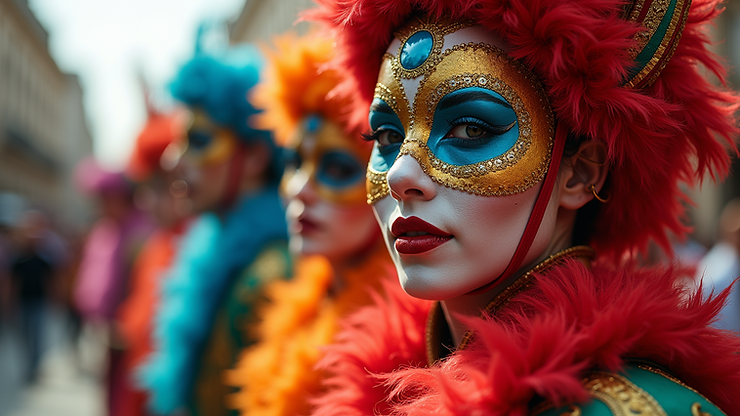
Festivals like the Carnival in St. Thomas infuse the island with color, music, and dance, providing an authentic way to experience its culture. Held annually in April, Carnival features parades, live music, and extravagant costumes that blend African and European elements, making it a must-see event. In 2022, carnival festivities attracted about 30,000 attendees, showcasing the event’s significance in uniting the community.
To fully enjoy this experience, book accommodations in advance, as hotels fill quickly with visitors eager to partake in the celebration. Engaging with local performers and festival participants grants you deeper insights into the island’s traditions and the close-knit community spirit.
3. The Culinary Heritage of St. Thomas

The culinary scene of St. Thomas is a rich blend of influences reflecting its diverse heritage. The island’s traditional dishes, such as kalaloo (a green vegetable stew), fungi (a cornmeal side dish), and crispy conch fritters, are essential tastes of island culture.
Local food festivals are fantastic opportunities for visitors to savor authentic cuisine while learning about its origins. For example, the St. Thomas Food and Wine Festival, held annually, features chefs from around the Caribbean showcasing their culinary skills. Many local restaurants, such as Gladys’s and Tickles, also offer cooking classes, giving you a hands-on approach to preparing these traditional dishes.
4. Art and Craftsmanship: The Heart of St. Thomas

The island is notable for its vibrant art scene, where local artisans create beautiful handcrafted jewelry, pottery, and textiles. These items often feature techniques that have been passed down through generations.
Visiting local markets or galleries, like the Marketplace in Charlotte Amalie, allows you to appreciate these artistic expressions firsthand. Engaging directly with artists provides insight into their creative processes, deepening your appreciation for St. Thomas’s cultural heritage.
5. Music: The Rhythm of St. Thomas

Music is an essential part of daily life in St. Thomas, characterized by lively rhythms and vibrant melodies. The genre of “quelbe,” known as the official music of the Virgin Islands, blends African, European, and Caribbean influences. It is often performed at local events and celebrations, where both locals and visitors dance together.
Local bars and venues frequently host live music nights, where you can enjoy traditional songs and dance performances. Keep an eye out for dance parties that welcome audience participation, allowing you to immerse yourself in the joyful atmosphere.
6. Nature and Environment: The Inspirational Backdrop

The stunning natural beauty of St. Thomas is a vital part of its culture, providing both inspiration and a backdrop for daily life. With pristine beaches, lush hillsides, and vibrant coral reefs, the island invites exploration and adventure.
Magens Bay, regularly rated as one of the top beaches in the world, exemplifies the tranquility and beauty of the island. Spanning over 1,000 feet of white sandy beach, this idyllic spot showcases the island’s environmental diversity and highlights how cultural practices are interwoven with the natural world.
7. Language: A Melodious Blend

In St. Thomas, language is a unique blend of Creole, English, and other influences, reflecting the island’s rich cultural tapestry. The distinctive dialect spoken by locals makes conversations particularly engaging and informative.
Listening to locals speak their patois, often heard on the streets, provides visitors with an authentic glimpse into daily life. Attempting to speak a few words in the local dialect can enhance your travel experience, showcasing your appreciation for the island’s culture.
8. Welcoming Communities: The Soul of St. Thomas

The warmth and hospitality of St. Thomas’s communities are legendary. Residents take great pride in their heritage and are always eager to share their stories, traditions, and distinctive way of life with visitors.
Participating in community events or local gatherings fosters meaningful connections, providing a deeper understanding of what makes life in St. Thomas special. Engaging with the locals reveals the shared values and mutual respect that define the island’s spirit.
9. The Influence of the Sea: Sailing and Maritime Culture

The sea is an essential part of life in St. Thomas, and its rich maritime history continues to shape the island’s culture. Fishing and sailing are common, with many locals relying on the ocean for both livelihood and leisure.
For sailing enthusiasts, joining local sailing excursions or participating in fishing tournaments allows you to appreciate the maritime activities that are integral to the culture. The waters surrounding St. Thomas not only offer recreational opportunities, they also provide a sense of identity and heritage for the island’s residents.
10. The Art of Storytelling: Embracing Legends and Myths

St. Thomas is home to a wealth of folklore and legends, passed down through generations as important cultural treasures. Storytelling is a celebrated art form on the island, offering deep insights into the values and histories of its people.
Attending storytelling performances provides you with firsthand experience of this cherished tradition. Engaging with storytellers immerses you in the rich narrative landscape of St. Thomas, where every tale reflects the island’s culture and collective memory.
Discovering St. Thomas Through Narrative
Exploring the culture of St. Thomas reveals a beautifully woven tapestry. Each thread, from historical sites and lively festivals to delicious dishes and rich artistic expressions, contributes to a larger narrative ready to be uncovered.
Visual storytelling enables visitors to experience St. Thomas beyond its breathtaking landscapes. Engaging with the island’s people, traditions, and stories enhances your understanding and appreciation for its unique charm. Whether you celebrate at a local festival or enjoy a meal at a quaint restaurant, the island’s rich heritage awaits you.
Pack your bags, grab your camera, and prepare for an extraordinary adventure into the very heart of this captivating island.
Leave a Reply