Are you looking for a simple and effective way to enhance your diet? Beans might be just what you need. These nutritional powerhouses are loaded with protein, fiber, vitamins, and minerals that can not only fill you up but also improve your overall health. In this post, we will explore the top 25 healthiest beans, highlighting their unique nutritional benefits and practical ways to incorporate them into your meals.
1. Lentils

Lentils are a staple in many diets. With about 18 grams of protein per cooked cup, they provide a satisfying and nutritious option. They are high in fiber—about 16 grams per cup—which can improve digestive health. Lentils are rich in folate, iron, and magnesium. Their versatility shines in dishes like lentil soup, lentil salad, or lentil curry.
2. Black Beans

Black beans are packed with antioxidants and provide about 15 grams of protein and 15 grams of fiber per cooked cup. They are known to help reduce cholesterol levels, potentially lowering heart disease risk by around 20%. Enjoy black beans in tacos, burritos, or as a hearty salad topping.
3. Chickpeas (Garbanzo Beans)

Chickpeas are not only protein-rich, averaging about 15 grams per cooked cup, but they also offer 12 grams of fiber. They have a low glycemic index, making them ideal for blood sugar control. Use chickpeas to create hummus, add them to salads, or toss them into your favorite curry.
4. Kidney Beans

Kidney beans provide around 15 grams of protein and 13 grams of fiber per cooked cup. Their rich flavor makes them a favorite in chili and rice dishes. Regular consumption of kidney beans can help maintain blood pressure levels and support muscle function.
5. Navy Beans

Navy beans are full of fiber, providing about 19 grams per cooked cup, which is essential for digestive health. Packed with iron and magnesium, these beans are perfect for soups and casseroles. Their mild flavor allows them to absorb the tastes of other ingredients effortlessly.
6. Pinto Beans

Pinto beans can contribute around 15 grams of protein and 12 grams of fiber per cup. Frequently used in Mexican cuisine, these beans can be found in burritos and tacos or enjoyed as a side. Their creamy texture enhances a variety of recipes.
7. Adzuki Beans

Adzuki beans are notable for their antioxidant content and provide about 17 grams of protein and 8 grams of fiber per cooked cup. These beans are often used in sweet dishes in Asian cuisine and can help support kidney health.
8. Mung Beans
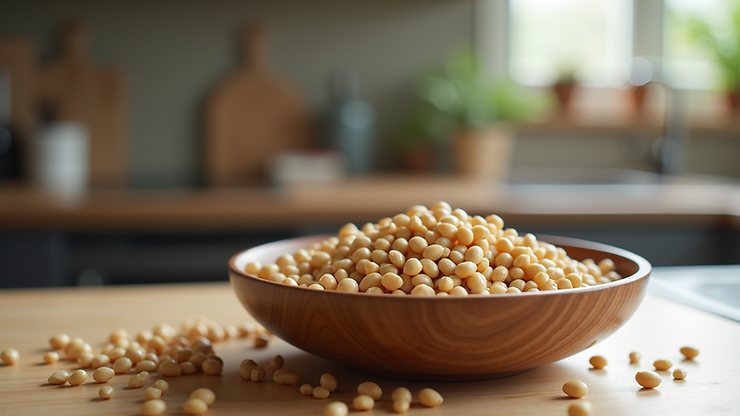
Mung beans deliver approximately 14 grams of protein and 15 grams of fiber per cooked cup. They are rich in antioxidants and can be sprouted, cooked in soups, or added to salads for an extra crunch.
9. Black-Eyed Peas

Black-eyed peas provide about 13 grams of protein and 11 grams of fiber per cooked cup. Often used in Southern dishes, they can brighten up salads, stews, and more with their unique flavor.
10. Cannellini Beans

Cannellini beans are creamy and provide around 15 grams of protein and 13 grams of fiber per cup. Perfect for Italian cuisine, they make excellent additions to salads and soups, supporting heart health.
11. Red Lentils

Red lentils cook quickly and offer about 18 grams of protein and 15 grams of fiber per cup. They are also high in folate, making them an ideal choice for pregnant women. Add them to soups and curries for a nutrient boost.
12. Green Lentils
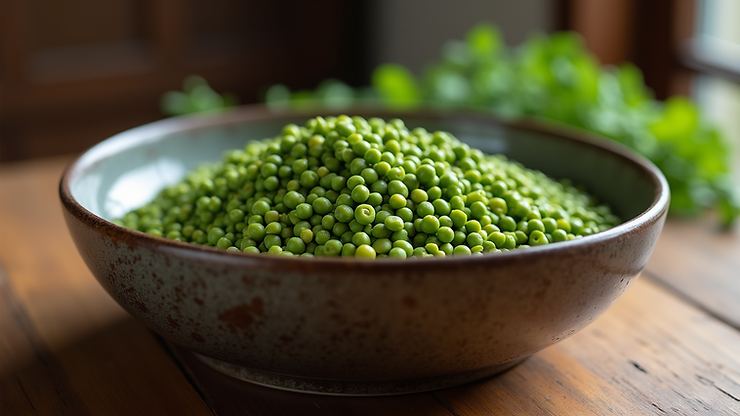
Green lentils are nutritious, providing around 18 grams of protein and 15 grams of fiber per cooked cup. Their nutty flavor makes them ideal for salads and dishes where they hold their shape.
13. Yellow Lentils

Yellow lentils cook quickly and are rich in protein and fiber—about 18 grams and 13 grams per cup, respectively. Their mild flavor is suitable for various dishes, from soups to dals.
14. Soybeans (Edamame)

Soybeans, particularly as edamame, provide around 18 grams of protein per cooked cup and contain healthy isoflavones that favor heart health. Snack on them steamed, toss them in salads, or serve as a side.
15. Fava Beans

Fava beans offer about 13 grams of protein and 9 grams of fiber per cooked cup. Used in Mediterranean dishes, they make tasty salads or dips while supporting heart health.
16. Great Northern Beans

Great Northern beans are mild in flavor and high in fiber and protein. A cooked cup contains about 12 grams of protein and 12 grams of fiber, making them excellent for a hearty soup or casserole.
17. Tepary Beans

Tepary beans are nutrient-dense, providing 15 grams of protein and 13 grams of fiber per cooked cup. Often used in Southwestern cuisine, they can tastefully enhance salads and stews.
18. Lima Beans

Lima beans provide about 15 grams of protein and 13 grams of fiber. Commonly used in soups and casseroles, they deliver a creamy texture perfect for hearty dishes.
19. White Kidney (Cannellini) Beans

White kidney beans, also known as cannellini beans, are rich in protein and dietary fiber—about 15 grams each per cooked cup. They work well in Italian dishes, adding a wholesome goodness to salads and soups.
20. Pink Beans

Pink beans provide about 14 grams of protein and 12 grams of fiber per cooked cup. Widely used in Latin American dishes, they enhance soups, stews, and more with their delightful flavor.
21. Marrow Beans

Marrow beans are full of antioxidants and provide about 13 grams of protein and 11 grams of fiber per cup. Their unique flavor amplifies soups and stews, making them a tasty and nutritious choice.
22. Borlotti Beans

Borlotti beans are rich in protein, offering about 13 grams per cooked cup, along with high fiber content. Commonly used in Italian dishes, they are great in soups, salads, and side dishes.
23. Red Beans

Red beans provide approximately 13 grams of protein and 6 grams of fiber per cooked cup. They work well in chili and rice dishes, providing a hearty addition to any meal.
24. Tiger Eye Beans (Toor Dal / Pigeon Peas)
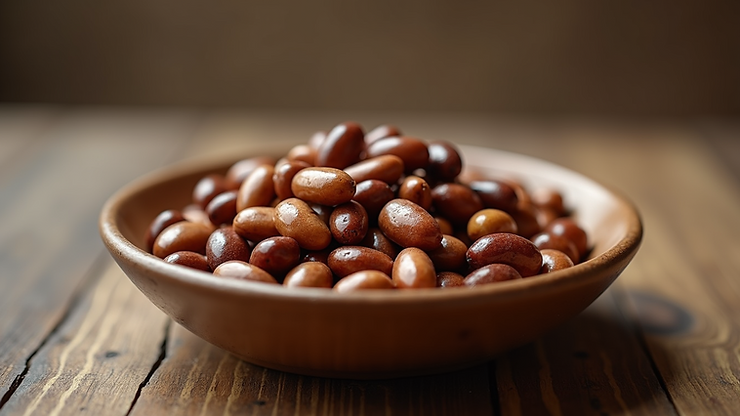
Tiger eye beans, also known as toor dal, provide about 15 grams of protein and 10 grams of fiber per cooked cup. Used in Indian cuisine, they add richness to curries and soups.
25. Moth Beans

Moth beans are high in protein, fiber, and antioxidants. They offer around 12 grams of protein and 10 grams of fiber per cooked cup. Enjoy these versatile beans in salads or curries for a nutritious meal.
Wrapping It Up
Including a variety of beans in your diet can lead to numerous health benefits, from better digestion to improved heart health. The diverse nutritional profiles of these top 25 beans make them easy to add to your meals, whether in soups, salads, or as side dishes. Embrace the versatility of beans and unlock the benefits they can bring to your everyday meals for a healthier lifestyle.
References
The U.S. Department of Agriculture (USDA) Food and Nutrition Service offers a comprehensive resource titled the Bean Basics Toolkit. This toolkit provides an overview of the nutritional benefits of beans, emphasizing their role as a good source of protein, fiber, vitamins, and minerals. Beans are naturally low in saturated fat and cholesterol, making them a heart-healthy food choice. The toolkit also offers guidance on incorporating beans into various meals, including tips on cooking techniques and recipe ideas.
Leave a Reply