Berries are not just tasty; they are also a powerhouse of vitamins, minerals, and antioxidants. These small fruits can significantly boost your health, providing a range of benefits from better digestion to improved heart health. In this post, we will explore 25 of the healthiest berries you should consider adding to your diet. With accompanying pictures, you’ll easily identify each berry and understand its unique benefits.
Blueberries

Blueberries are often celebrated as a superfood. They are loaded with antioxidants, particularly anthocyanins, which give them their rich color. These compounds help fight oxidative stress and inflammation in the body.
Furthermore, blueberries are rich in vitamins C and K, and they provide about 3.6 grams of dietary fiber per cup. Regularly eating blueberries has been associated with a 15% decrease in the risk of heart disease and improved cognitive function.
Strawberries

Strawberries are not just delicious but also packed with nutrition. They offer an impressive 149% of your daily vitamin C needs in just one cup. In addition, strawberries are a good source of manganese and folate.
Their high antioxidant content may lower inflammation levels and significantly reduce the risk of heart disease. Low in calories and high in fiber, strawberries also support weight management; one cup contains only about 50 calories.
Raspberries

Raspberries are high in dietary fiber, with around 8 grams per cup. This amount supports better digestion and can help with weight management. They also contain significant amounts of vitamin C and manganese.
Interestingly, research indicates that the ellagic acid in raspberries may possess anti-cancer properties. Including this berry in your diet can support heart health and regulate blood sugar levels, making it a smart addition to meals.
Blackberries

Blackberries are a nutrient-rich option packed with vitamins C and K, alongside high fiber content. A cup of blackberries provides about 7 grams of fiber. Their potent antioxidants help combat free radicals and reduce the risk of inflammation.
Regularly consuming blackberries has been linked to improved brain health. They are versatile and can be enjoyed fresh, in smoothies, or as toppings on yogurt and oatmeal.
Cranberries

Cranberries are well-known for their role in preventing urinary tract infections (UTIs). The proanthocyanidins in cranberries help stop bacteria from sticking to urinary tract walls.
In addition to helping protect against infections, cranberries are rich in vitamin C and antioxidants. Be cautious of added sugars in commercial cranberry juices, aiming instead to consume them in their natural state, dried, or as unsweetened juice.
Goji Berries

Goji berries are often called a superfood due to their impressive nutrient profile. They provide significant amounts of vitamin A, which is crucial for eye health.
Traditionally used in Chinese medicine, goji berries are believed to enhance immune function and improve skin health. You can add them to smoothies, oatmeal, or snack on them directly for an energy boost.
Acai Berries

Acai berries are native to the Amazon, renowned for their antioxidant properties. They are exceptionally rich in anthocyanins, which help defend against oxidative stress.
These berries can be found in smoothie bowls or as supplements. Acai is linked with supporting heart health and may even help lower cholesterol. They are excellent for those looking to boost their nutritional intake with minimal effort.
Elderberries

Elderberries are often used in syrups and supplements aimed at fighting colds and flu, primarily due to their immune-boosting properties. They offer a rich source of vitamins A, B, and C, as well as antioxidants.
These berries can be enjoyed in jams, jellies, or as wine. However, it’s critical to cook elderberries before consuming, as raw berries can be toxic.
Mulberries

Mulberries, though less common, are rich in vitamin C, K, and iron. They also contain resveratrol, which has potential anti-aging benefits.
These versatile berries can be enjoyed fresh, dried, or incorporated into jams. They promote heart health and aid digestion, making them a nutritious choice for various recipes.
Gooseberries

Gooseberries pack a punch with their vitamin C, fiber, and antioxidant content. They can potentially lower cholesterol levels and enhance heart health.
These tart berries can be enjoyed raw, cooked, or turned into jams and desserts. Their unique taste makes them a versatile ingredient in both sweet and savory dishes.
Boysenberries

Boysenberries are a hybrid berry combining flavors of raspberries, blackberries, and loganberries. They are rich in vitamins C and K, alongside antioxidants.
Perfect for making jams, jellies, and desserts, boysenberries can also be enjoyed fresh or tossed in smoothies for added health benefits.
Marionberries

Marionberries are known for their complex, sweet flavor and are often called the “Cabernet of Blackberries.” They are rich in vitamins C and K, fiber, and antioxidants.
Widely used in pies and desserts, their unique taste is beloved by berry enthusiasts.
Lingonberries

Lingonberries are small red berries common in Scandinavian cooking. They are high in antioxidants and vitamin C.
Often found in jams, sauces, and desserts, their tart flavor complements meat dishes perfectly, adding a delightful twist to any meal.
Cloudberries

Cloudberries are relatively rare and grow in northern climates. They are rich in vitamin C and essential fatty acids.
Often used in jams and desserts, cloudberries can help support immune function and enhance skin health.
Chokeberries (Aronia)

Chokeberries, or aronia berries, are full of antioxidants and vitamins. Rich in anthocyanins, they can help protect your body from oxidative stress.
These berries are great fresh or dried, and studies suggest they may help lower blood pressure and improve heart health.
Barberries

Barberries are small, tart berries often found in Middle Eastern cuisine. They are rich in vitamin C and antioxidants.
These berries are highly versatile; they can be used in salads, rice dishes, and various desserts. Their tangy flavor enhances the taste of different recipes.
Sea Buckthorn Berries

Sea buckthorn berries are celebrated for their high vitamin C, omega-7 fatty acids, and antioxidants. They often appear in supplements and skincare products due to their health benefits.
These berries can be enjoyed as juice or oil. They may improve skin health, enhance immunity, and promote heart health.
Schisandra Berries
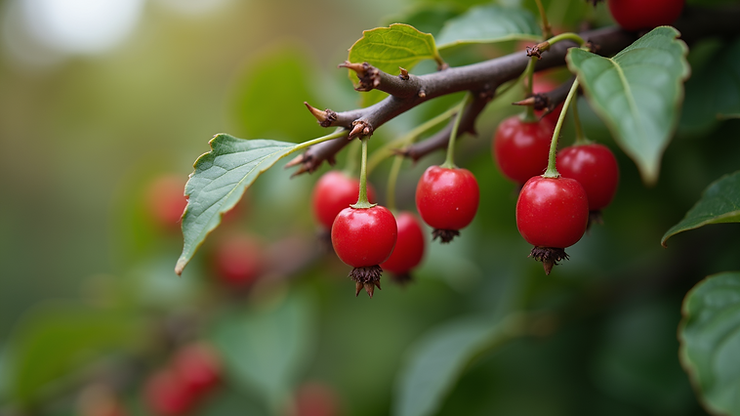
Schisandra berries are known for their adaptogenic qualities, helping the body deal with stress. They’re rich in antioxidants and various vitamins.
These berries can be taken as tea, tinctures, or supplements. They are thought to improve liver function and overall well-being.
Currants (Red, Black, White)

Currants come in red, black, and white, each offering unique flavors and health benefits. They are rich in vitamin C and dietary fiber.
Currants can be used in jams, jellies, and delicious desserts. Their vibrant taste also makes them great for enhancing salads and sauces.
Huckleberries

Huckleberries are sweet little berries found in the wild. They contain a cornucopia of antioxidants, vitamins, and minerals.
These berries are delightful eaten fresh or made into jams. Their unique taste is adored by many culinary enthusiasts.
Salmonberries

Salmonberries resemble raspberries and thrive in the Pacific Northwest. These berries are rich in vitamins and antioxidants.
They can be enjoyed fresh, transformed into jams, or used in dessert recipes. Their sweet and tart flavor offers a delightful culinary experience.
Thimbleberries

Thimbleberries are soft, red berries often found in the wild. They are also rich in vitamins and antioxidants, promoting health.
These berries can be consumed fresh or used in jams and desserts. Their distinct flavor offers a delightful twist to many recipes.
Serviceberries (Juneberries)

Serviceberries, or Juneberries, are small, sweet berries native to North America. They contribute essential vitamins and antioxidants to your diet.
These berries can be eaten fresh, in jams, or as a topping for desserts. Their sweet flavor is a favorite among berry lovers.
Tayberries
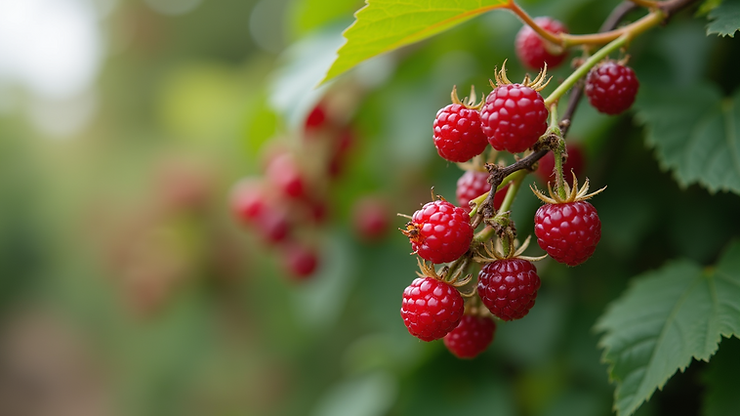
Tayberries are a delightful hybrid of raspberries and blackberries, known for their sweet and tangy taste. They are rich in vitamins and antioxidants.
These berries can be eaten fresh, made into jams, or used as toppings for desserts. Their unique flavor enhances various culinary creations.
Olallieberries

Olallieberries combine the best qualities of blackberries and raspberries, offering a rich flavor packed with nutrients.
These versatile berries can be used in jams, desserts, or eaten fresh. Their appealing taste is cherished by berry enthusiasts everywhere.
Embrace the Power of Berries
Incorporating a variety of berries into your diet not only adds a splash of color to your meals but also provides a host of health benefits. Each of the 25 berries outlined in this article offers unique tastes and nutritional profiles that can enhance your overall health.
Whether you enjoy them fresh, blend them into smoothies, or incorporate them into your favorite recipes, these delightful berries can help improve your well-being and satisfy your taste buds. The next time you’re at the grocery store or farmer’s market, be sure to pick up a selection of these nutrient-rich berries to enjoy!
Leave a Reply