In today’s fast-paced world, maintaining a strong immune system is more important than ever. A well-functioning immune system helps protect the body against infections and diseases, and one of the best ways to support it is through a nutritious diet. Vegetables are packed with vitamins, minerals, and antioxidants that can enhance your immune response. In this blog post, we will explore 25 vegetables that can help boost your immunity, along with practical tips on how to incorporate them into your meals.
Leafy Greens

Leafy greens are among the most nutrient-dense foods available. They are rich in vitamins A, C, E, and K, as well as several B vitamins. These nutrients play a crucial role in supporting immune function and overall health.
Spinach
Spinach is a powerhouse of nutrients, including iron, magnesium, and vitamins A and C. It contains antioxidants that help combat oxidative stress and inflammation, which can weaken the immune system. Adding spinach to smoothies, salads, or sautéing it as a side dish can be an easy way to boost your intake.

Kale
Kale is another leafy green that is rich in vitamins A, C, and K. It also contains glucosinolates, which have been shown to have anti-cancer properties. Incorporating kale into your diet can be as simple as adding it to smoothies, soups, or using it as a base for salads.

Swiss Chard
Swiss chard is packed with vitamins A, C, and K, as well as magnesium and potassium. Its vibrant colors indicate a high level of antioxidants, which can help protect your cells from damage. Try adding Swiss chard to stir-fries or as a filling in omelets.

Collard Greens
Collard greens are a staple in Southern cuisine and are loaded with vitamins A, C, and K. They also provide a good amount of fiber, which is essential for gut health. You can enjoy collard greens by sautéing them with garlic or adding them to soups and stews.

Romaine Lettuce
Romaine lettuce is not just a salad base; it is also a source of vitamins A and C, as well as folate. Its crunchy texture makes it a great addition to salads and sandwiches. Consider using romaine lettuce as a wrap for your favorite fillings for a low-carb meal option.

Cruciferous Vegetables

Cruciferous vegetables are known for their cancer-fighting properties and immune-boosting benefits. They are rich in vitamins, minerals, and fiber, making them an excellent addition to any diet.
Broccoli
Broccoli is a nutritional powerhouse, packed with vitamins C, K, and A, as well as fiber and antioxidants. It contains sulforaphane, a compound that has been shown to enhance the immune response. Steaming or roasting broccoli can help retain its nutrients.

Cauliflower
Cauliflower is a versatile vegetable that can be used in various dishes. It is rich in vitamins C and K and contains antioxidants that help reduce inflammation. You can enjoy cauliflower roasted, mashed, or even as a low-carb rice alternative.

Brussels Sprouts
Brussels sprouts are packed with vitamins C and K, as well as fiber. They contain glucosinolates, which may help protect against certain cancers. Roasting Brussels sprouts with olive oil and balsamic vinegar can enhance their flavor and make them a delicious side dish.

Cabbage
Cabbage is a low-calorie vegetable that is high in vitamins C and K. It also contains antioxidants that can help reduce inflammation. You can enjoy cabbage raw in salads, fermented as sauerkraut, or cooked in stir-fries.

Red Bell Peppers
Red bell peppers are not only vibrant and delicious but also packed with vitamins A and C. They are rich in antioxidants and can help boost your immune system. Enjoy them raw in salads, roasted, or stuffed with your favorite fillings.

Root Vegetables

Root vegetables are not only hearty and filling but also packed with essential nutrients that can help support your immune system.
Carrots
Carrots are rich in beta-carotene, which the body converts into vitamin A. This vitamin is essential for maintaining a healthy immune system. Carrots can be enjoyed raw, roasted, or blended into soups and smoothies.

Sweet Potatoes
Sweet potatoes are a great source of vitamins A and C, as well as fiber. They have anti-inflammatory properties and can help support immune function. You can enjoy sweet potatoes baked, mashed, or as fries.

Beets
Beets are rich in antioxidants and vitamins A and C. They have been shown to improve blood flow and lower blood pressure, which can benefit overall health. Roasting or pickling beets can enhance their natural sweetness.

Turnips
Turnips are low in calories and high in vitamins C and K. They also contain antioxidants that can help reduce inflammation. You can enjoy turnips roasted, mashed, or added to soups and stews.

Radishes
Radishes are crunchy and refreshing, making them a great addition to salads. They are low in calories and high in vitamin C, which can help boost your immune system. Enjoy radishes raw, pickled, or roasted.

Alliums (Garlic Family)
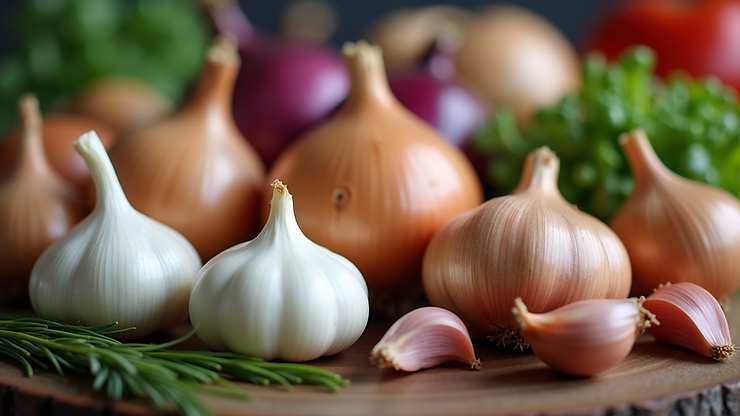
Alliums are known for their strong flavors and health benefits. They contain compounds that can enhance immune function and have anti-inflammatory properties.
Garlic
Garlic is renowned for its immune-boosting properties. It contains allicin, a compound that has been shown to enhance the immune response. Incorporating garlic into your cooking can add flavor and health benefits to your meals.

Onions
Onions are rich in antioxidants and contain quercetin, which has anti-inflammatory properties. They can help support immune function and add flavor to a variety of dishes. Enjoy onions raw in salads or cooked in soups and stir-fries.

Leeks
Leeks are a member of the onion family and are rich in vitamins A and C. They have a milder flavor than onions and can be used in soups, stews, and casseroles. Incorporating leeks into your diet can provide additional immune support.

Shallots
Shallots are a flavorful alternative to onions and are rich in antioxidants. They can enhance the flavor of dishes while providing immune-boosting benefits. Use shallots in dressings, sauces, or as a base for soups.

Chives
Chives are a mild member of the onion family and are rich in vitamins A and C. They can add a fresh flavor to salads, soups, and omelets. Incorporating chives into your meals can provide additional nutrients to support your immune system.

Other Vegetables

In addition to the vegetables mentioned above, there are many other options that can help boost your immunity.
Mushrooms
Mushrooms are unique in the vegetable world as they are a source of vitamin D, which is essential for immune function. Varieties like shiitake and maitake have been shown to enhance immune response. Add mushrooms to stir-fries, soups, or salads for added flavor and nutrition.

Asparagus
Asparagus is rich in vitamins A, C, and E, as well as fiber. It contains antioxidants that can help reduce inflammation and support immune health. Enjoy asparagus grilled, roasted, or steamed as a side dish.

Zucchini
Zucchini is low in calories and high in vitamins A and C. It can be used in a variety of dishes, from stir-fries to baked goods. Incorporating zucchini into your meals can provide additional nutrients to support your immune system.

Tomatoes
Tomatoes are rich in vitamins C and K, as well as lycopene, an antioxidant that has been linked to numerous health benefits. Enjoy tomatoes raw in salads, cooked in sauces, or roasted for added flavor.

Pumpkin
Pumpkin is not just for pies; it is also a nutritious vegetable rich in vitamins A and C. It contains antioxidants that can help support immune function. Use pumpkin in soups, smoothies, or baked goods for added nutrition.

Conclusion
Incorporating a variety of vegetables into your diet is a delicious and effective way to boost your immune system. From leafy greens to root vegetables and alliums, each of these 25 vegetables offers unique health benefits that can help support your overall well-being. By making these vegetables a regular part of your meals, you can enhance your immune response and promote better health. Start experimenting with these vegetables today and enjoy the benefits they bring to your immune system!
Leave a Reply