Probiotics are commonly known as “good” or “friendly” bacteria. They play a vital role in promoting gut health by balancing the gut microbiome. This balance impacts several bodily functions like digestion and immune response. For example, research shows that having a healthy gut can reduce the risk of infections by up to 30%, making probiotics essential for a nutritious diet.
1. Yogurt

Yogurt stands out as one of the most accessible sources of probiotics. Made by fermenting milk with specific bacterial cultures, it becomes a creamy, tangy treat. When shopping, choose yogurts labeled “live active cultures” for the maximum probiotic benefit. A 2018 study found that regular yogurt consumption is linked to a 10% increased immunity against colds.
2. Kefir

Kefir is a fermented dairy beverage that is thinner than yogurt and packed with a diverse array of beneficial bacteria and yeasts. Consuming kefir can enhance gut health and has shown in studies to improve digestive symptoms by about 40%. For a delicious way to use it, try blending kefir into a smoothie with fruits and greens.
3. Sauerkraut

Sauerkraut is finely shredded fermented cabbage, rich in probiotics and essential vitamins like C and K. Just one cup provides over 60% of the daily value of vitamin C. Adding sauerkraut to your meals not only boosts flavor but also strengthens your immune system.
4. Kimchi

Kimchi, a staple in Korean cuisine, consists mainly of fermented vegetables like napa cabbage and radishes. Packed with probiotics, it contributes to gut health and can enhance your immune response. It offers a spicy, tangy flavor, making it a versatile addition to many dishes.
5. Miso

Miso is a fermented soybean paste frequently used in Japanese cuisine. Not only does it add a savory umami flavor to soups, marinades, and dressings, but it is also rich in probiotics. Research suggests that regular miso consumption may reduce the risk of digestive issues by up to 35%.
6. Tempeh

Tempeh, made from fermented soybeans, is dense in protein and probiotics. With a nutty flavor and firm texture, it’s an excellent meat substitute in various recipes. Including tempeh in your meals can increase protein intake, making it great for both vegans and meat-eaters alike.
7. Kombucha

Kombucha is a fermented tea that is slightly fizzy and tangy. Made from sweetened tea fermented with a SCOBY (symbiotic culture of bacteria and yeast), it’s refreshing and beneficial for gut health. Studies show that kombucha can improve digestion and reduce bloating by around 50%.
8. Pickles

Naturally fermented pickles are a tasty source of probiotics. Often made from cucumbers, they add a satisfying crunch to salads or sandwiches. Just one serving can deliver about 100 million beneficial bacteria.
9. Natto

Natto, a traditional Japanese dish, features fermented soybeans. This food is known for its strong flavor and sticky consistency, along with high levels of probiotics and vitamin K2, which can help strengthen bones and support heart health.
10. Fermented Cheese

Certain cheeses like Gouda, cheddar, and Swiss are made through fermentation and can support gut health. Enjoy these cheeses as snacks or part of a meal, as they can contribute beneficial bacteria to your diet.
11. Kvass

Kvass is an Eastern European fermented beverage made from rye bread, offering unique acidic tastes and a solid probiotic profile. This slightly sour drink can refresh you while contributing to your daily probiotic intake.
12. Fermented Soy Sauce

Fermented soy sauce is created from the fermentation of soybeans and wheat. This rich condiment can enhance flavors in various meals, from stir-fries to marinades, while also providing beneficial bacteria.
13. Apple Cider Vinegar
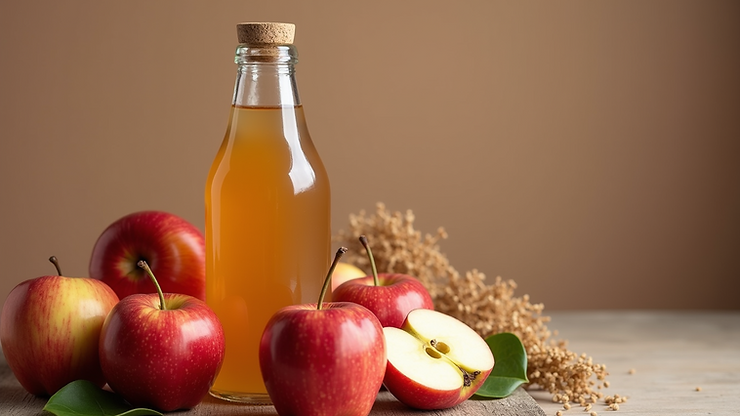
Apple cider vinegar, made through the fermentation of apple juice, offers a tangy flavor for salad dressings and health tonics. It supports digestion and gut health, where consuming just one tablespoon can help with gut acidity effectively.
14. Fermented Hot Sauce

Fermented hot sauce, made from fermenting chili peppers in salt and water, lends a spicy twist to dishes. This sauce not only enhances flavor but also supports gut health, providing beneficial probiotics with each fiery drop.
15. Sourdough Bread

Sourdough bread undergoes fermentation with wild yeast and lactic acid bacteria. This process enhances its probiotics and makes it easier to digest. Enjoying a slice may improve gut health by making probiotics more bioavailable.
16. Fermented Beetroot

Fermented beetroot is colorful, delicious, and rich in probiotics. Add it to salads or enjoy it plain for a tangy, nutritious bite. Studies show that fermented beetroot can lower blood pressure levels by up to 10%.
17. Fermented Carrots

Fermented carrots are crunchy and flavorful, making them a fabulous addition to snacks or salads. They are rich in probiotics and can help strengthen your immune system.
18. Fermented Garlic

Fermented garlic adds flavor and health benefits to your dishes. Rich in probiotics, it can enhance immunity, reduce blood pressure, and promote overall gut health.
19. Fermented Coconut Milk
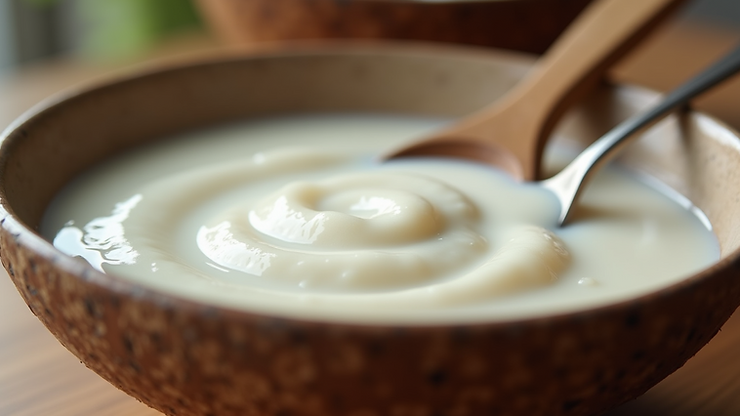
Fermented coconut milk is a creamy, dairy-free alternative that packs a probiotic punch. Use it in smoothies, desserts, or soups for a delicious plant-based twist.
20. Fermented Green Beans

Fermented green beans are crunchy snacks filled with probiotics. Enjoy them plain or toss them into salads for added flavor and health benefits.
21. Fermented Radishes

Fermented radishes can spice up salads and sandwiches while providing a healthy dose of probiotics. These tasty additions support your gut health and enhance overall flavor.
22. Fermented Mustard

Fermented mustard adds a tangy kick to your meals while supplying probiotics. Use it not just as a condiment but also in dressings and marinades to boost flavor and gut health.
23. Fermented Honey

Fermented honey is a unique product full of beneficial bacteria. With its natural sweetness, it can enhance various recipes while offering health benefits.
24. Fermented Olives

Fermented olives make for a flavorful and probiotic-rich snack. Perfect on their own or as part of an antipasto platter, they boost tangy flavors in dishes.
25. Fermented Fruit

Fermented fruit, like apples or peaches, adds a healthy twist to your snacks. These tangy treats are loaded with probiotics and can be enjoyed alone or as dessert toppings.
Overall Benefits of Probiotic Foods
Incorporating probiotic-rich foods into your everyday meals can hugely boost your immune system and overall health. From yogurt and kefir to fermented vegetables and drinks, there are countless delicious options to explore. By adding these 25 probiotic foods to your diet, you can support a healthier gut microbiome and strengthen your immune response. Embrace probiotics and enjoy the many benefits they have to offer!
Leave a Reply