Hong Kong is a vibrant city that showcases a blend of old traditions and modern influences. Its rich cultural tapestry is woven from various tribes and communities, each adding unique threads to the city’s identity. In this blog post, we will explore these tribes through captivating pictures, offering insights into their lives, traditions, and the environments they inhabit.
The Indigenous People of Hong Kong

The indigenous people of Hong Kong, primarily the Hakka and the Punti, have deep roots in this region dating back centuries. These groups have preserved their unique customs, languages, and lifestyles, standing resilient amid rapid urbanization.
The Hakka people are known for their strong sense of community. Their traditional round houses, called “tulou,” are not just homes but spaces that foster relationships. These houses can accommodate multiple families, emphasizing collaboration and support.
In contrast, the Punti are recognized as the original inhabitants of Hong Kong. Their traditional festivals, such as the Tin Hau Festival, highlight their rich cultural heritage. During this event, locals honor the goddess Tin Hau with vibrant parades and offerings, showcasing their connection to the sea and fishing.
The Influence of the Cantonese Community

The Cantonese community is the backbone of Hong Kong, significantly shaping the city’s language, cuisine, and culture. This community has roots that go back generations, adapting and thriving in a modern context.
Cantonese cuisine is globally acclaimed, with staples such as dim sum and roast duck. In fact, a 2020 survey showed that over 60% of visitors to Hong Kong seek out local food experiences, making dining a central part of Hong Kong’s allure. Festivals like the Chinese New Year draw millions of participants, with colorful displays that include lion dances and fireworks.
Additionally, the Cantonese dialect is the most widely spoken language in the city, enhancing the community’s impact. Vibrant street markets pulsate with energy, offering fresh produce and local delicacies—an illustration of the community’s deep connection to both food and culture.
The Tibetan Community in Hong Kong

The Tibetan community in Hong Kong, while smaller, enriches the city’s cultural landscape with a unique spiritual perspective. Many Tibetans have found refuge here, bringing their rich traditions and spiritual practices.
Tibetan Buddhism is central to this community, with practices like meditation and prayer deeply woven into daily life. Colorful prayer flags, which symbolize peace and compassion, flutter in their neighborhoods, creating an air of tranquility amidst the city’s busyness.
Cultural events, such as Losar, the Tibetan New Year, celebrate their rich heritage with traditional dances and communal feasting. These occasions not only strengthen their community bonds but also invite others to learn about Tibetan customs.
The Filipino Community: A Vibrant Presence

Over the years, the Filipino community in Hong Kong has flourished, becoming a vital part of the city’s social fabric. Many Filipinos come to Hong Kong for employment, particularly in domestic roles, and bring their vibrant culture with them.
Festivals like Flores de Mayo are celebrated with colorful parades featuring traditional music and dance. A survey revealed that about 10% of Hong Kong’s population is Filipino, demonstrating their significant presence and influence.
Filipino markets and eateries throughout the city offer familiar tastes, with traditional dishes like adobo and lumpia warming the hearts of many expatriates. These gatherings are more than just cultural showcases; they foster resilience and camaraderie among the community.
The South Asian Community: A Cultural Mosaic
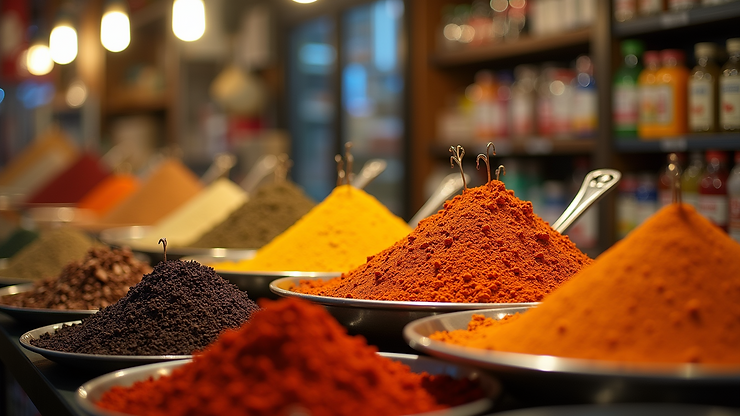
The South Asian community in Hong Kong, made up of individuals from India, Pakistan, and Bangladesh, creates a dynamic cultural mosaic. This community has left a lasting impact on the city through its cuisine, festivals, and traditions.
South Asian dishes are known for their rich flavors and spices. Popular plates, such as biryani and curry, attract both locals and tourists alike. Festivals like Diwali and Eid resonate throughout the city, featuring activities such as vibrant decorations, traditional music, and festive meals.
Shops filled with colorful textiles and unique spices tell the story of the community’s cultural heritage. The South Asian presence enriches Hong Kong’s identity and emphasizes the importance of cultural exchange.
The Western Expat Community: A Blend of Cultures

The Western expatriate community has significantly influenced Hong Kong’s modern identity. Comprising individuals from various countries, they contribute diverse ideas and lifestyles to the city.
Western-style cafés and restaurants are widespread, offering a fusion of local and international flavors that appeal to varied tastes. Events such as the Hong Kong Arts Festival showcase this blend of cultures, allowing for a rich exchange of traditions.
The collaborations in the arts, cuisine, and social exchanges foster understanding and appreciation between the different communities, enhancing Hong Kong’s vibrant cultural scene.
The Heart of Hong Kong’s Diversity
Hong Kong thrives on its diversity, with each tribe and community adding to its rich cultural landscape. From the indigenous people to expatriate groups, each community contributes unique traditions and flavors, creating a tapestry that defines the city.
Through captivating pictures, we can appreciate the beauty and complexity of Hong Kong’s neighborhoods. Celebrating the unique identities of these communities reminds us of the importance of unity and understanding in a city constantly evolving.
In a world that sometimes seems divided, the tribes of Hong Kong demonstrate the strength found in diversity and the shared experiences that connect us all.
Leave a Reply