Fats have often been misunderstood, leading to confusion and misconceptions about their role in our diets. The low-fat diet craze of the past has resulted in numerous myths that misguide people regarding fat consumption. In this post, we aim to clarify common myths about fats and highlight their significance in a healthy diet.
Myth 1: All Fats Are Bad

Not all fats are harmful. While trans fats—commonly found in processed snacks—and excessive saturated fats can pose health risks, unsaturated fats are beneficial. These “good” fats are found in foods like avocados, nuts, and olive oil. For instance, consuming about 30 grams of walnuts a day can significantly improve your heart health due to their high levels of omega-3 fatty acids.
Myth 2: Eating Fat Makes You Fat

The belief that fat directly leads to weight gain is misleading. Weight gain occurs when you consume more calories than your body needs, regardless of the source. Healthy fats such as those in almonds and olive oil can increase satiety, helping you eat less overall. This means including healthy fats can actually aid in weight management rather than hinder it.
Myth 3: Low-Fat Diets Are the Best for Weight Loss

Low-fat diets often lead to a rise in sugar and refined carbohydrate consumption, which may not support weight loss. Studies show that diets high in healthy fats can enhance feelings of fullness, potentially leading to lower calorie intake overall. For example, the Mediterranean diet, rich in healthy fats, has been found to help individuals lose an average of 8-10% of their weight over six months.
Myth 4: All Saturated Fats Are Harmful

Not all saturated fats have the same effects on health. Recent studies indicate that saturated fats from whole food sources, like coconut oil, could have positive health effects, while those from highly processed foods may increase heart disease risk. Consuming coconut oil in moderation may provide benefits like improved cholesterol levels.
Myth 5: Fat-Free Foods Are Healthier

Many fat-free foods contain added sugars and artificial ingredients to compensate for flavor, making them less healthy than whole foods with healthy fats. For instance, a fat-free yogurt often has twice the sugar compared to its full-fat counterpart. Choosing plain, full-fat yogurt provides more nutritional value while keeping added sugars at bay.
Myth 6: You Should Avoid All Oils

Not all oils are created equal, but healthy oils, such as olive oil and avocado oil, have numerous health benefits. They provide essential fatty acids and enhance flavors in meals. Studies show that including about two tablespoons of olive oil in your daily diet can significantly lower the risk of chronic diseases.
Myth 7: Fats Are Not Essential Nutrients

Healthy fats are crucial for promoting hormone production, absorbing fat-soluble vitamins, and maintaining brain health. Omega-3 and omega-6 fatty acids are vital for our well-being; for example, consuming just two servings of fatty fish a week can reduce the risk of heart disease by as much as 30%.
Myth 8: Eating Fat Increases Cholesterol Levels

It’s a common misconception that eating fat raises cholesterol. Research shows that the type of fat consumed has a far greater impact on heart health than total fat intake. For instance, replacing saturated fats with unsaturated fats can reduce LDL (bad) cholesterol levels by 10-15%.
Myth 9: You Can’t Get Enough Protein from a High-Fat Diet
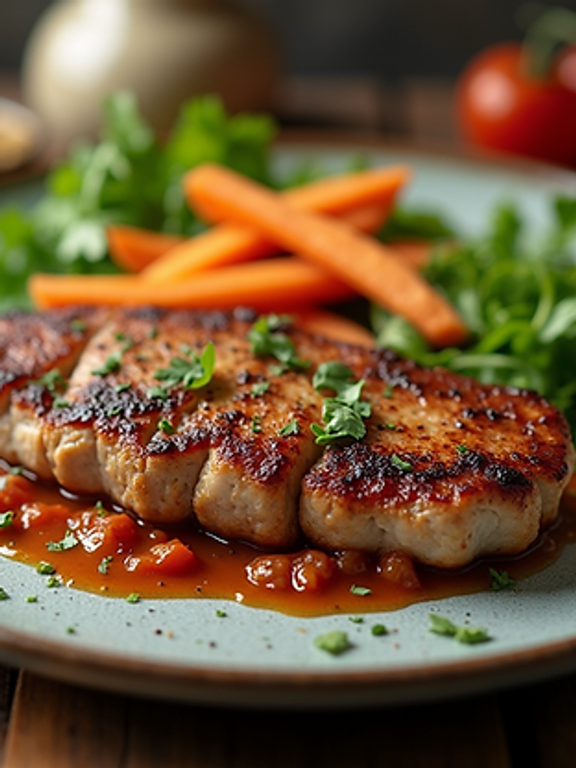
A high-fat diet can still be rich in protein when incorporating sources such as eggs, fish, and nuts. For example, a meal with salmon and avocado not only provides healthy fats but also contains around 22 grams of protein. Balancing macronutrients is crucial for overall health.
Myth 10: All Fats Are Calorie-Dense and Unhealthy
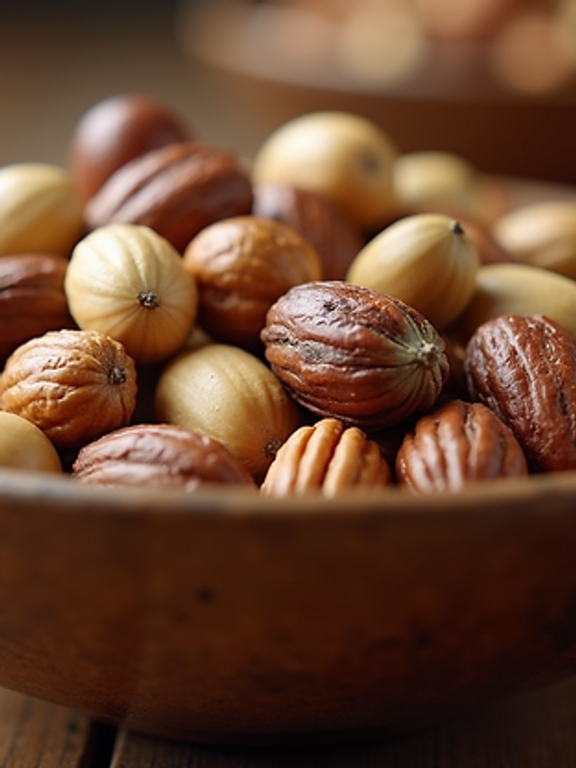
While fats are calorie-dense, they are also nutrient-dense. Foods rich in healthy fats, like nuts and avocados, provide vitamins and minerals that contribute to health. For example, just one ounce of almonds provides 6 grams of protein and 37% of your daily vitamin E needs.
Myth 11: You Should Avoid Butter at All Costs

Butter, particularly grass-fed butter, can fit into a healthy diet when used sensibly. It contains nutrients like vitamin A and butyrate, which may enhance gut health. Stepping away from fear of butter can allow for a more balanced, enjoyable diet.
Myth 12: Fats Are Only Found in Animal Products
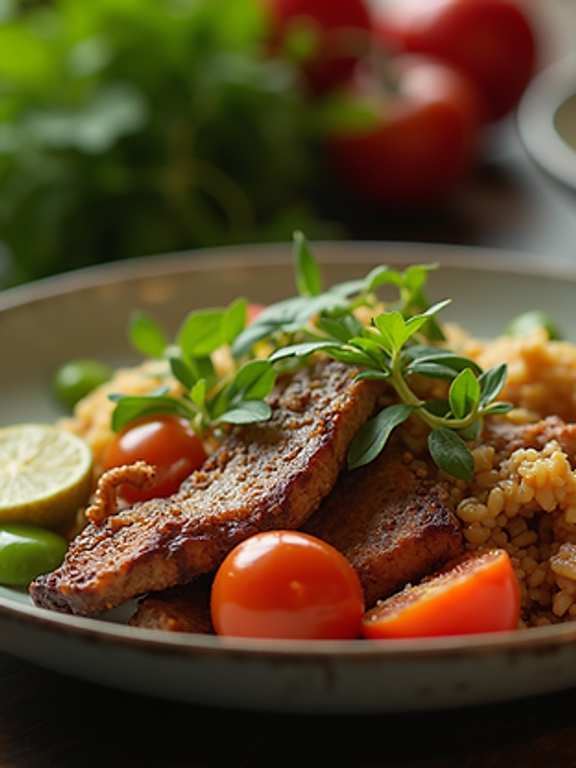
Fats are present in both animal and plant foods. Foods like avocados, nuts, seeds, and olive oil are excellent sources of healthy fats. A serving of chia seeds, for instance, provides 9 grams of fat along with fiber and protein, showcasing a perfect plant-based fat source.
Myth 13: Eating Fat Leads to Heart Disease

The connection between dietary fat and heart disease is nuanced. Including healthy fats in your diet can support heart health. Evidence shows that countries with Mediterranean diets, high in healthy fats, have lower rates of heart disease compared to those with high-carb diets.
Myth 14: You Should Avoid All Processed Foods

Not all processed foods are harmful. Some minimally processed foods, such as high-quality nut butters and cold-pressed oils, can be healthy options. Reading labels carefully can help distinguish between beneficial and harmful processed foods.
Myth 15: Fats Are Not Important for Brain Health

Healthy fats, especially omega-3 fatty acids, are vital for brain health. They enhance cognitive function and may help lower the risk of diseases like Alzheimer’s. Including sources of omega-3s in your weekly meals can be as simple as adding flaxseeds or fatty fish.
Myth 16: You Can’t Have Fats on a Vegan Diet

Vegans can easily include healthy fats in their diets through various sources. Avocados, nuts, seeds, and plant-based oils are all prime options. For instance, just one small avocado has over 15 grams of healthy fat and can make meals more satisfying.
Myth 17: All Fats Are Inflammatory

While some fats, particularly omega-6 fatty acids, can promote inflammation, healthy fats can actually reduce inflammation. Omega-3 fatty acids found in fatty fish and chia seeds help combat inflammation and are beneficial for conditions like arthritis.
Myth 18: You Should Avoid Nuts Because They Are High in Fat

Nuts are a powerhouse of nutrients, providing healthy fats, protein, and fiber. Research shows that consuming a handful of nuts daily can lower the risk of heart disease by about 30%. They are a satisfying and healthy snack option that can aid in weight loss.
Myth 19: All Oils Are the Same

Different oils offer unique health benefits and cooking applications. For example, while olive oil is excellent for dressings due to its low smoke point, coconut oil works wonderfully for higher-heat cooking. Knowing how to use different oils can enhance both flavor and health benefits in your cooking.
Myth 20: You Should Avoid Fat Before Exercise

Incorporating healthy fats into your pre-workout meals can provide sustained energy during exercise. For example, a banana with peanut butter offers both carbs and healthy fats, keeping your energy levels stable. This combination can enhance performance and endurance.
Myth 21: You Can’t Get Enough Omega-3s Without Fish

While fish like salmon are renowned for their omega-3 fatty acids, plant-based sources also provide these essential fats. Flaxseeds, chia seeds, and walnuts are excellent options. Just one tablespoon of flaxseeds contains about 2.4 grams of omega-3 fatty acids, making it a great addition to smoothies and salads.
Myth 22: Fats Should Be Completely Eliminated from Your Diet

Completely cutting out fats can lead to nutritional deficiencies and health issues. Healthy fats play a crucial role in hormone production and nutrient absorption. Aim to include healthy fats, like olive oil and nuts, in your meals to support overall wellness.
Myth 23: You Can’t Cook with Healthy Fats

Many healthy fats can be used for cooking, such as olive oil and avocado oil. It’s crucial to select the appropriate oil for the cooking method to protect its beneficial properties. For example, use extra virgin olive oil for dressings but opt for refined olive oil for sautéing at higher temperatures.
Myth 24: All Fat-Free Products Are Healthy

Fat-free products can often be laden with sugar and artificial additives. Reading ingredient labels is essential to make healthy choices. For instance, fat-free salad dressings frequently compensate with added sugars, making them less healthy than full-fat vinaigrettes.
Myth 25: Fats Are Only for Flavor

While fats do enhance the flavor of food, they also play a vital role in nutrient absorption and overall health. Including healthy fats like avocados and olive oil not only boosts flavor but also improves the nutritional value of your meals.
Understanding Fats for a Healthier Tomorrow
Recognizing the role of fats in our diet is critical for making informed choices about nutrition. By debunking these common myths, individuals can truly appreciate the importance of healthy fats. Incorporate them mindfully into your diet for improved overall health. Remember, embracing healthy fats is not only nutritious but can also be delicious!
Leave a Reply