Maintaining the right balance of fluids and electrolytes is essential for good health—especially for athletes, those who are active, and individuals in hot climates. However, many myths mislead people regarding hydration needs. In this post, we’ll clarify 25 common misconceptions about fluid and electrolyte replacement, empowering you to make smarter hydration choices.
Myth 1: You Only Need to Hydrate When You’re Thirsty

It is a common belief that thirst signals the need for hydration. However, by the time you feel thirsty, you may already be dehydrated. Studies show that even mild dehydration of 1-2% of body weight can impair performance and cognitive function. To maintain optimal hydration, aim to drink water regularly throughout the day, even if you do not feel thirsty.
Myth 2: All Beverages Hydrate Equally

Not all beverages are equally effective for hydration. Water is the best choice, while drinks high in caffeine or sugar may lead to dehydration. According to a study, caffeine in moderate amounts does not significantly cause dehydration, but high consumption can have a diuretic effect. Opt for beverages like water or electrolyte drinks after intense exercise for better hydration.
Myth 3: Sports Drinks Are Necessary for Everyone

Sports drinks serve specific needs. They are formulated for athletes involved in prolonged or intense activities. For an average individual, plain water typically suffices for hydration. Drinking sports drinks without need can introduce excessive sugar and calories. For example, a 20 oz sports drink can contain up to 124 calories and 30 grams of sugar.
Myth 4: You Can’t Overhydrate

Overhydration, or water intoxication, is a serious but rare condition that can interfere with your body’s electrolyte balance. Causes include excessive water consumption and inadequate electrolyte intake. It’s important to listen to your body’s signals and avoid drinking excessive amounts of water in a short period.
Myth 5: Electrolytes Are Only Important for Athletes

Electrolytes are essential for everyone, not just athletes. They regulate muscle contractions, nerve function, and hydration levels. For instance, a study found that low potassium levels can lead to fatigue and muscle cramps, which can affect daily activities. To maintain good health, ensure you consume adequate electrolytes through foods like bananas, leafy greens, and nuts.
Myth 6: You Can Get Enough Electrolytes from Food Alone

While foods can provide essential electrolytes, it can be challenging to meet your needs through diet alone—especially after rigorous exercise. For instance, one medium banana offers about 422 mg of potassium, but if you lose a lot of potassium through sweat, supplementation with electrolyte drinks may be beneficial to restore balance.
Myth 7: Drinking Coconut Water Is the Best Way to Hydrate

Coconut water is often touted for hydration, but it may not be ideal for everyone. While it contains electrolytes like potassium, it also has natural sugars. A cup of coconut water can have about 46 calories and 8.5 grams of sugar. Water remains a calorie-free option, making it the most effective choice for hydration.
Myth 8: You Should Drink Eight Glasses of Water a Day

The “eight glasses a day” recommendation is a general guideline that does not apply to everyone. Factors such as age, activity level, and climate heavily influence hydration needs. People in hot environments or those exercising may require more. Listen to your body and adjust your water intake based on your circumstances.
Myth 9: Clear Urine Means You’re Fully Hydrated

While clear urine can often signify that you are well-hydrated, urinary color is not the sole indicator. Diet, medications, and times of day can influence urine color. Aim for a pale yellow hue for a good balance, which typically indicates proper hydration levels.
Myth 10: You Don’t Need Electrolytes Unless You’re Sweating Profusely

Electrolyte loss can occur even with minimal sweating, especially in hot or humid conditions. Regularly replenishing electrolytes is vital, not just during intense workouts. For example, studies indicate that athletes can lose up to 2-3 grams of sodium per hour of exercise. Incorporating electrolyte-rich foods or drinks into your routine can help maintain balance.
Myth 11: Drinking Water Before Meals Will Make You Eat Less

Drinking water before meals may help with satiety, but it isn’t a guaranteed weight-loss method. When striving for effective weight management, focus on balanced meals and proper hydration, rather than solely relying on pre-meal water consumption.
Myth 12: All Electrolyte Drinks Are the Same

Electrolyte drinks vary significantly in sugar content and other ingredients. Some may contain high levels of sugar, while others are lower-calorie options. Reading labels is crucial to selecting a drink that fits your hydration needs without excess sugar or calories.
Myth 13: You Can Replace Electrolytes with Salt Alone

While salt provides sodium—an essential electrolyte—it isn’t a comprehensive source. Other vital minerals like potassium, calcium, and magnesium also play crucial roles in maintaining a balanced electrolyte profile. Including a variety of foods can help you get all the necessary nutrients.
Myth 14: Hydration Is Only Important During Exercise

Hydration matters throughout the day, not just during workouts. Consistent fluid intake supports general health, energy levels, and cognitive functions. Surprisingly, studies have shown that even mild dehydration can negatively impact cognitive performance and mood.
Myth 15: You Can’t Hydrate with Food

Foods rich in water content, including fruits and vegetables, can significantly contribute to hydration. Watermelon, cucumbers, and oranges are excellent choices. For example, watermelon is about 92% water, making it a refreshing and hydrating option.
Myth 16: Drinking Cold Water Slows Down Hydration

Drinking cold water does not slow down hydration. It can be refreshing and might encourage you to drink more, especially in hot temperatures. In fact, for some individuals, cold water is more enjoyable and can promote higher water intake.
Myth 17: You Should Avoid Drinking Water During Meals

Drinking water during meals can aid digestion and improve satiety. The myth that it dilutes digestive juices is unfounded—moderation remains essential. By drinking sufficient water at mealtime, you can enhance digestion and absorption of nutrients.
Myth 18: All Hydration Needs Can Be Met with Water Alone
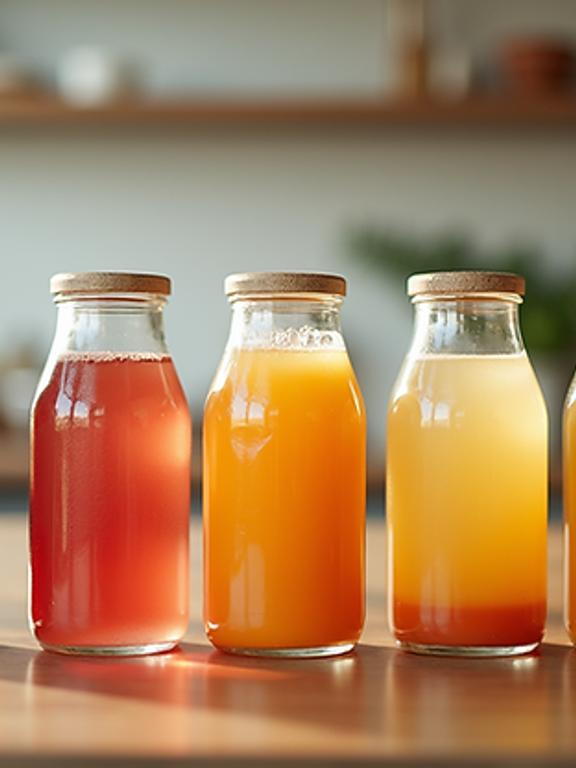
While water is vital, additional sources of electrolytes are often necessary, especially after intense workouts or during hot temperatures. Including electrolyte-rich foods or drinks can help maintain optimal hydration and energy levels.
Myth 19: You Can’t Get Dehydrated in Cold Weather

Dehydration can happen in cold weather just as in hot. Cold air is often dry, where you can lose fluid through respiration. Engage in regular hydration all year round. You may not feel thirsty, but it is vital to drink enough fluids, especially during physical activities in winter.
Myth 20: Drinking Water Will Help You Lose Weight

While drinking water may support your weight loss journey by promoting a feeling of fullness, it isn’t a stand-alone solution. A successful weight management plan requires balanced nutrition and regular exercise. According to research, drinking water before meals can help you consume fewer calories overall.
Myth 21: You Should Drink More Water If You’re Sick

Staying hydrated is of utmost importance when you’re sick, but the amount can differ based on symptoms and activity levels. If you have a fever, or symptoms like vomiting or diarrhea, increase your fluid intake to replace lost fluids. Listening to your body and adjusting as necessary is key.
Myth 22: You Can’t Hydrate with Coffee or Tea

Coffee and tea can contribute to your hydration efforts despite containing caffeine. In moderation, these beverages can be hydrating as well. According to recent studies, moderate caffeine consumption generally does not lead to dehydration, but excessive intake might.
Myth 23: You Should Only Drink Water After Exercise

Hydration should take place before, during, and after exercise. Drinking water throughout your workout can help maintain performance and prevent dehydration. Aim to sip water regularly during your activities, especially if they last longer than 30 minutes.
Myth 24: You Can’t Hydrate with Smoothies
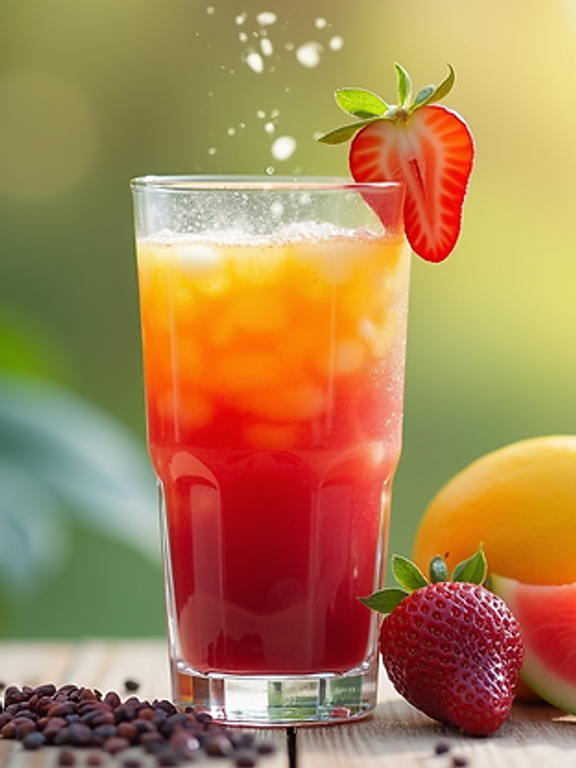
Smoothies can be a delicious source of hydration. When made with fruits and vegetables high in water content, they pProvide hydration and valuable nutrients. Adding spinach, cucumber, or watermelon to a smoothie not only enhances hydration but also boosts nutritional value.
Myth 25: Hydration Is Only About Drinking Water

Hydration involves more than just drinking water. Foods, beverages, and electrolytes are all crucial for maintaining fluid balance. A balanced approach that incorporates a variety of sources helps ensure optimal hydration and overall well-being.
Final Thoughts
Dispelling these hydration myths is vital for making informed decisions about fluid and electrolyte needs. Staying hydrated is not limited to just drinking water; it involves incorporating a variety of beverages and nutrient-rich foods into your daily routine. By understanding these misconceptions and prioritizing your hydration strategies, you can boost your health and well-being significantly. Always pay attention to your body’s cues, so you can stay well-hydrated and perform at your best.
Leave a Reply