Spearfishing combines underwater hunting, adventure, and exploration, making it one of the most thrilling ways to experience marine life. While traditional national parks focus on land conservation, several coastal and marine parks in the U.S. and beyond provide protected waters, rich reefs, and abundant game fish that make spear fishing unforgettable.
Whether you’re hunting reef fish in tropical waters or testing your skills in colder northern seas, these parks are bucket-list destinations for every spearfisher.
1. Dry Tortugas National Park (Florida)

Why Go
Dry Tortugas is a remote paradise surrounded by crystal-clear waters, coral reefs, and shipwrecks. Spearfishers can target a variety of tropical species like snapper, grouper, and barracuda in nearly untouched waters. The park’s isolation ensures fewer crowds, allowing for focused, high-quality underwater hunting, all set against a backdrop of historic Fort Jefferson and the Gulf Stream’s powerful currents.
📍 Location: 70 miles west of Key West, Florida
🏨 Where to Stay: Key West (ferry or seaplane access)
🗓 Best Time: April–October
🌍 Known For: Tropical reef ecosystems, shipwrecks
🔑 Key Features: Pristine water clarity, coral reefs, abundant fish
⚠️ Challenges: Remote access, requires planning
🎒 Ideal For: Experienced spearfishers, adventure travelers
🐟 Species to Hunt: Snapper, grouper, barracuda, amberjack
🌊 Types of Adventures: Spearfishing, snorkeling, diving
2. Biscayne National Park (Florida)

Why Go
Biscayne combines calm shallow reefs with deeper offshore waters, perfect for spearfishing beginners and experts alike. The park’s clear waters allow for excellent visibility, and its coral reefs support a diverse range of game fish, including snapper, hogfish, and grouper. With easy access from Miami and Key Largo, it’s ideal for day trips or multi-day spearfishing excursions.
📍 Location: South Florida
🏨 Where to Stay: Miami, Key Largo
🗓 Best Time: Year-round
🌍 Known For: Coral reefs, mangrove ecosystems
🔑 Key Features: Shallow reefs, calm waters, clear visibility
⚠️ Challenges: Seasonal boat traffic
🎒 Ideal For: Beginners to advanced spearfishers
🐟 Species to Hunt: Snapper, grouper, hogfish
🌊 Types of Adventures: Spearfishing, reef exploration, diving
3. Channel Islands National Park (California)

Why Go
The Channel Islands are often called the “Galápagos of North America” for their rich marine biodiversity. Spearfishers can find species like calico bass, halibut, and yellowtail in nutrient-rich waters just off the islands. Cold Pacific currents create abundant fish populations, and protected marine reserves keep the ecosystem healthy, providing sustainable spearfishing opportunities.
📍 Location: Southern California coast
🏨 Where to Stay: Ventura, Santa Barbara, Island camping
🗓 Best Time: May–September
🌍 Known For: Marine biodiversity, rugged island landscapes
🔑 Key Features: Offshore kelp forests, protected waters
⚠️ Challenges: Rough seas, strong currents
🎒 Ideal For: Advanced spearfishers, ocean adventurers
🐟 Species to Hunt: Calico bass, halibut, yellowtail
🌊 Types of Adventures: Spearfishing, diving, kayaking
4. Channel Islands National Park (California)
(Optional separate mention for deeper offshore spearfishing near Channel Islands)
Why Go
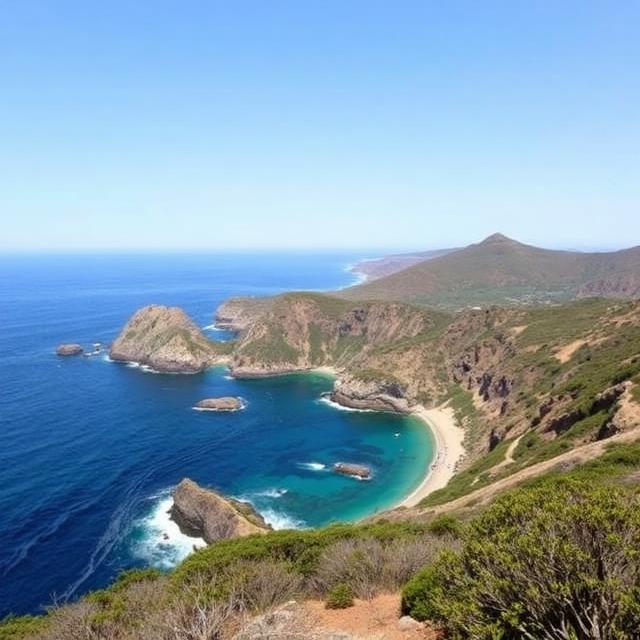
This sanctuary offers access to offshore drop-offs and deeper kelp forests, perfect for experienced spearfishers seeking trophy fish like white seabass and tuna. The combination of clear water, abundant fish, and rugged scenery makes it a must-visit for serious spearfishing adventurers.
📍 Location: Offshore Channel Islands
🗓 Best Time: June–September
🐟 Species to Hunt: White seabass, tuna, halibut
🎒 Ideal For: Experienced spearfishers
5. Florida Keys National Marine Sanctuary (Florida)
Why Go
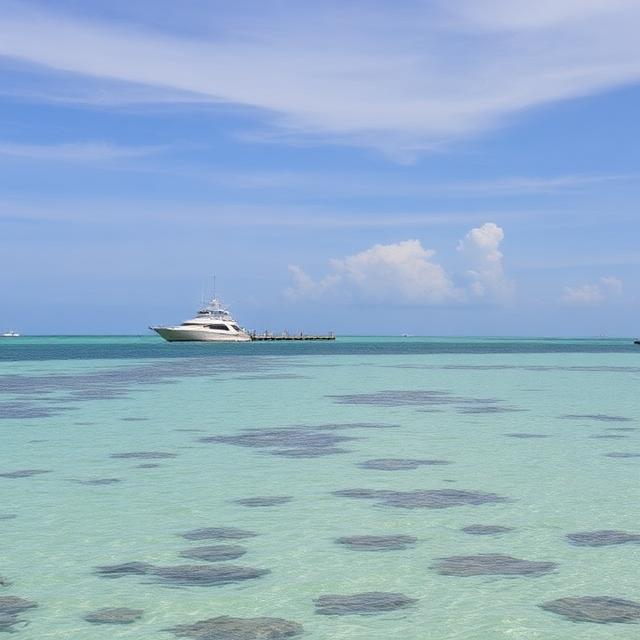
The Keys’ warm waters and vibrant coral reefs support some of the most productive spearfishing in the U.S. Snapper, grouper, hogfish, and even permit can be found in clear, protected waters. The sanctuary allows for sustainable practices while providing easy access to top-tier fishing spots.
📍 Location: Florida Keys
🏨 Where to Stay: Key Largo, Marathon, Key West
🗓 Best Time: April–October
🌍 Known For: Coral reefs, tropical fish diversity
🔑 Key Features: Clear waters, reef systems
⚠️ Challenges: Conservation regulations, seasonal traffic
🎒 Ideal For: Tropical spearfishers, reef divers
🐟 Species to Hunt: Snapper, grouper, hogfish, permit
🌊 Types of Adventures: Spearfishing, reef diving, snorkeling
6. Hawaiian Marine National Parks (Hawaiʻi)

Why Go
Hawaiʻi’s marine parks offer tropical waters, reef fish, and pelagic species, making them a paradise for spearfishing. Experienced divers can hunt species like ulua (giant trevally), parrotfish, and snapper while exploring lava formations and coral reefs. Regulations protect the ecosystem, ensuring sustainable, ethical hunting.
📍 Location: Maui, Oahu, Big Island
🏨 Where to Stay: Lahaina, Kona, Waikiki
🗓 Best Time: Year-round
🌍 Known For: Lava reefs, tropical fish
🔑 Key Features: Deep water access, reef diversity
⚠️ Challenges: Strong currents, conservation rules
🎒 Ideal For: Experienced spearfishers, tropical divers
🐟 Species to Hunt: Ulua, snapper, parrotfish
🌊 Types of Adventures: Spearfishing, diving, snorkeling
7. Kenai Fjords National Park (Alaska)
Why Go
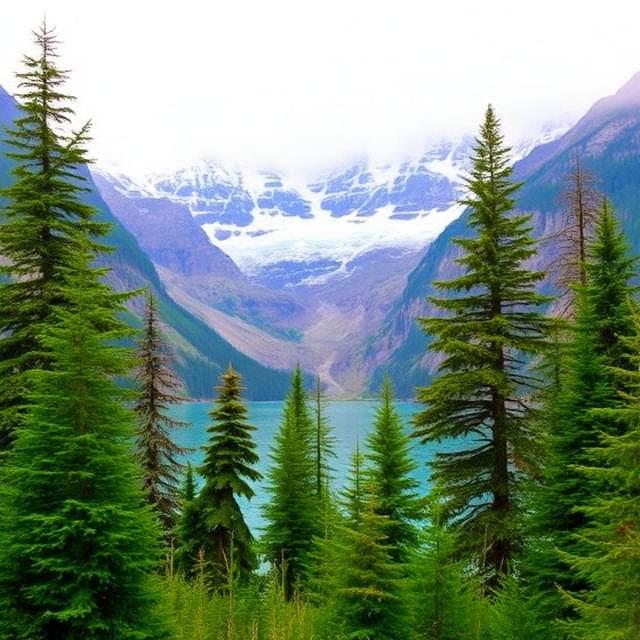
Alaska may be cold, but Kenai Fjords offers deep fjord waters with trophy species. Spearfishers can target halibut, lingcod, and rockfish while enjoying the awe-inspiring scenery of glaciers, fjords, and marine wildlife. The park’s cold waters produce some of the densest fish populations per cubic meter, making it a true adventure destination.
📍 Location: Alaska
🏨 Where to Stay: Seward, Kenai
🗓 Best Time: June–August
🌍 Known For: Glaciers, fjords, cold-water fish
🔑 Key Features: Deep fjord drop-offs, rich fish habitat
⚠️ Challenges: Cold water, rough seas
🎒 Ideal For: Trophy spearfishers, cold-water divers
🐟 Species to Hunt: Halibut, lingcod, rockfish
🌊 Types of Adventures: Spearfishing, diving, wildlife viewing
🌊 Conclusion
Spearfishing in or near national parks combines pristine underwater ecosystems, ethical fishing, and epic adventure. From tropical Florida reefs to Alaskan fjords, each park offers unique challenges and rewards. Whether you’re a beginner or an experienced diver, these destinations provide some of the best sustainable, scenic, and thrilling spearfishing experiences in the world.
❓ Frequently Asked Questions
Can you spearfish inside national parks?
Most national parks prohibit spearfishing in protected waters. However, marine sanctuaries and park-adjacent areas often allow it with proper permits. Always check local rules.
Do I need a fishing license or permit?
Yes. U.S. state fishing licenses and federal permits may be required. Some marine reserves have seasonal restrictions.
What’s the best beginner-friendly park?
Biscayne National Park and Florida Keys Marine Sanctuary offer calm waters, clear visibility, and abundant fish for beginners.
What’s the best for trophy fish?
Kenai Fjords (Alaska) and Hawaii marine parks consistently produce large game species like ulua, halibut, and trevally.
Can I combine spearfishing with other activities?
Yes! Most parks allow snorkeling, diving, and eco-tours alongside sustainable spearfishing.
Leave a Reply