British Columbia is a world-class destination for whitewater rafting, offering everything from calm, family-friendly floats to powerful, glacier-fed rapids deep in remote wilderness. Thanks to consistent snowmelt, dramatic mountain terrain, and professional outfitters, BC has rivers suitable for every skill level, from complete beginners to expert expedition rafters.
Below, you’ll find the 25 best whitewater rafting rivers in British Columbia, organized by skill level, with detailed explanations of why each river is good, who it’s best for, and where to stay nearby.
Beginner Rivers (Class I–II)
1. Fraser River (Lower Sections)
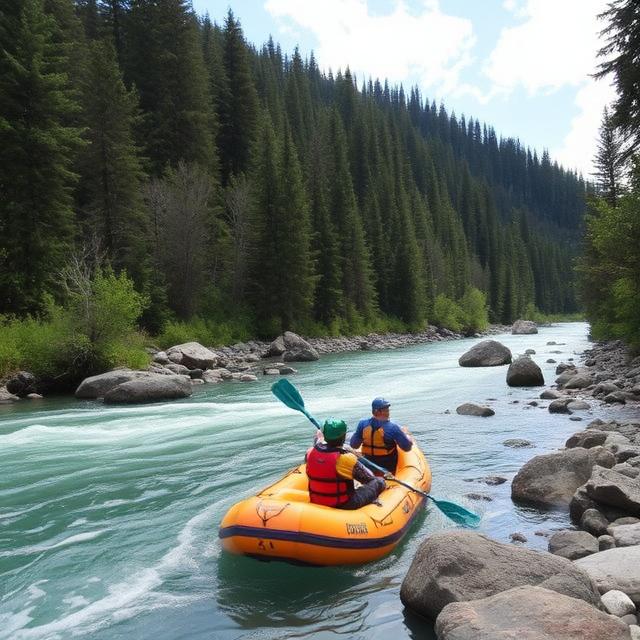
Why it’s good: The Lower Fraser River features wide channels, slow-moving current, and gentle wave trains that allow beginners to focus on learning paddle commands without pressure. The river’s size creates stability, making it forgiving if mistakes are made. Scenic mountain and farmland views keep the experience engaging even without intense rapids.
Best for: First-time rafters, families
Where to stay: Hope, Chilliwack, Lillooet
2. Chilliwack River
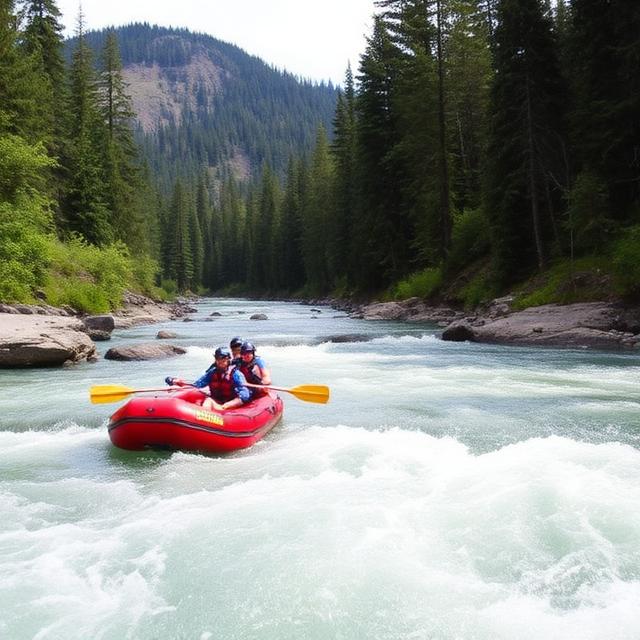
Why it’s good: This river offers mostly Class II rapids that are playful but predictable, ideal for building confidence. Calm stretches between rapids allow guides to explain techniques and safety basics. Its proximity to Vancouver makes it a popular and accessible beginner river.
Best for: Beginners, youth groups
Where to stay: Chilliwack, Cultus Lake
3. Clearwater River (Lower)
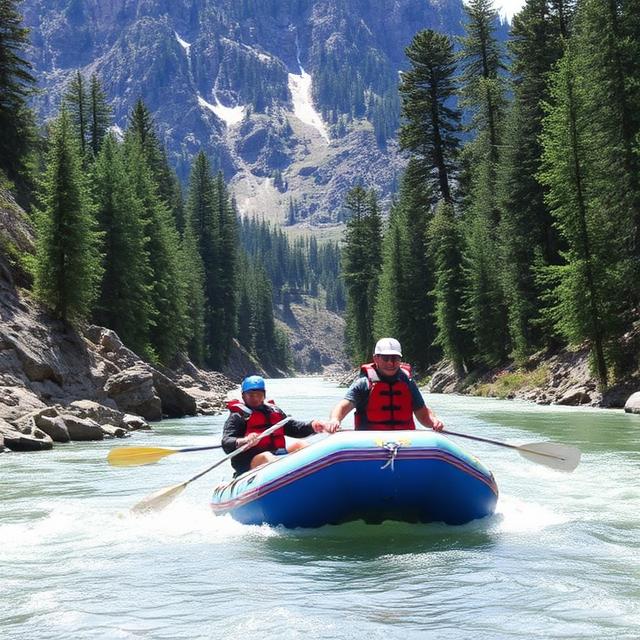
Why it’s good: The Lower Clearwater River flows smoothly through scenic canyon landscapes with minimal technical challenges. Rapids are gentle and well-spaced, making it easy for beginners to stay relaxed while learning. The clear water and dramatic cliffs add visual excitement without increasing difficulty.
Best for: Families, scenic rafting
Where to stay: Clearwater
4. Thompson River (Lower)
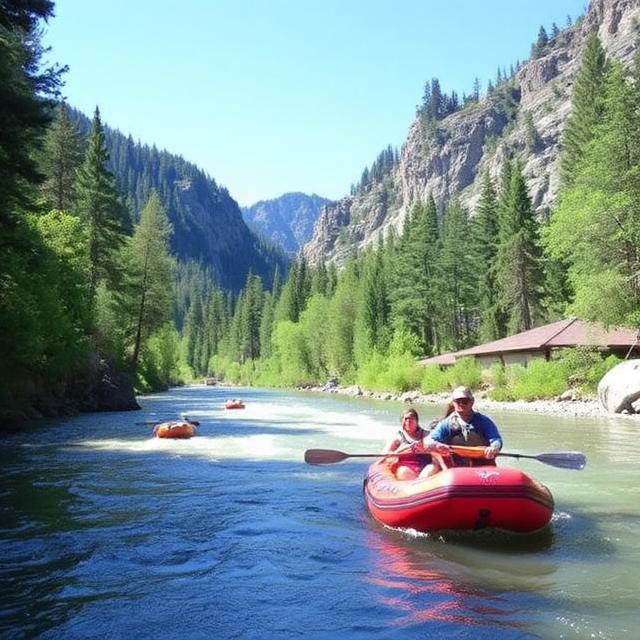
Why it’s good: Long, mellow stretches and gradual wave trains make this river ideal for learning paddling rhythm and teamwork. The water moves steadily without sudden drops, reducing anxiety for first-time rafters. Warm summer temperatures also improve comfort for beginners.
Best for: Beginners, large groups
Where to stay: Kamloops
5. Slocan River
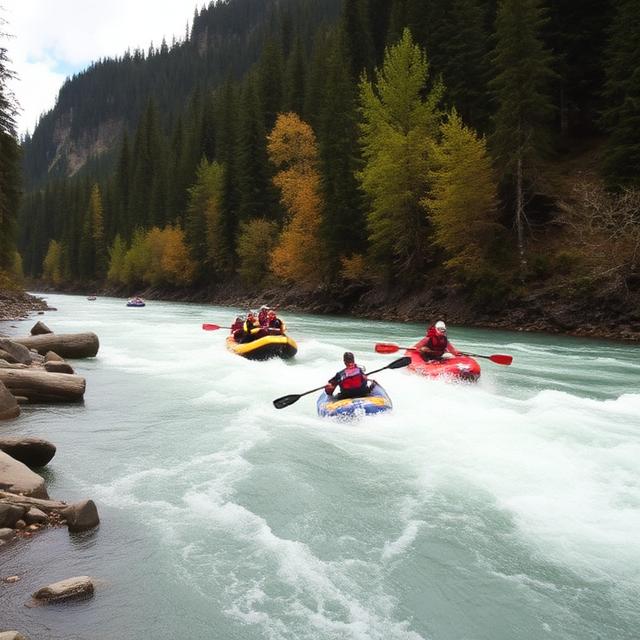
Why it’s good: This river is calm, quiet, and surrounded by forested scenery, making it perfect for relaxed rafting experiences. The occasional light rapids provide gentle excitement without overwhelming new rafters. It’s an excellent choice for those who want nature-focused rafting over adrenaline.
Best for: Relaxed scenic floats
Where to stay: Slocan, Nelson
Beginner to Intermediate (Class II–III)
6. Cheakamus River
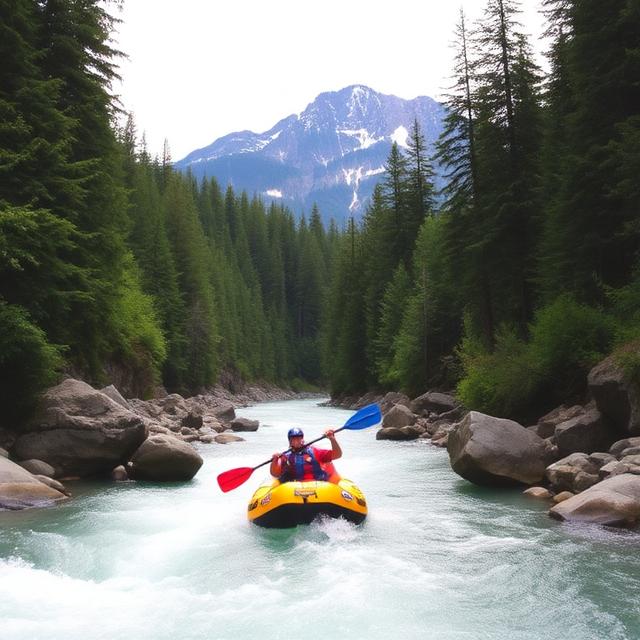
Why it’s good: The Cheakamus River features fun wave trains that feel exciting but remain straightforward to navigate. Rapids are continuous enough to keep energy high while still allowing recovery zones. This balance makes it ideal for beginners ready to step up slightly.
Best for: Active beginners
Where to stay: Whistler, Squamish
7. Cowichan River
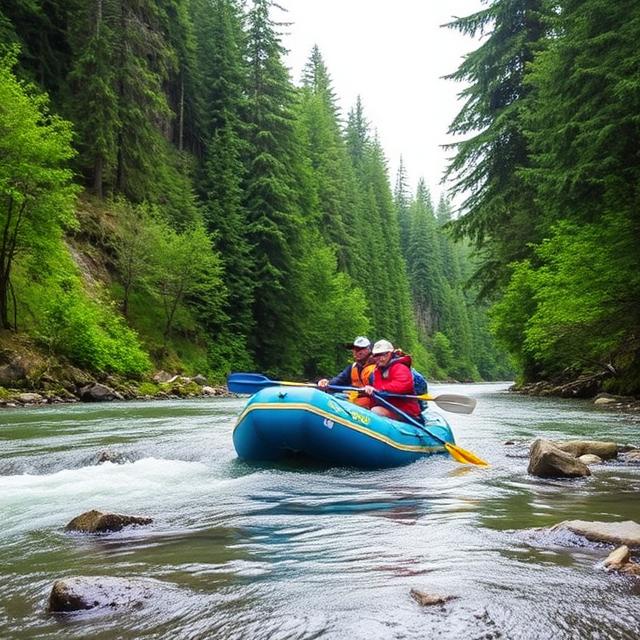
Why it’s good: Known for warmer summer water, the Cowichan River is comfortable and forgiving for beginners. Rapids are clean and well-defined, allowing rafters to practice paddle timing without technical stress. Calm pools make it easy to regroup between sections.
Best for: First-time whitewater trips
Where to stay: Lake Cowichan, Duncan
8. Adams River
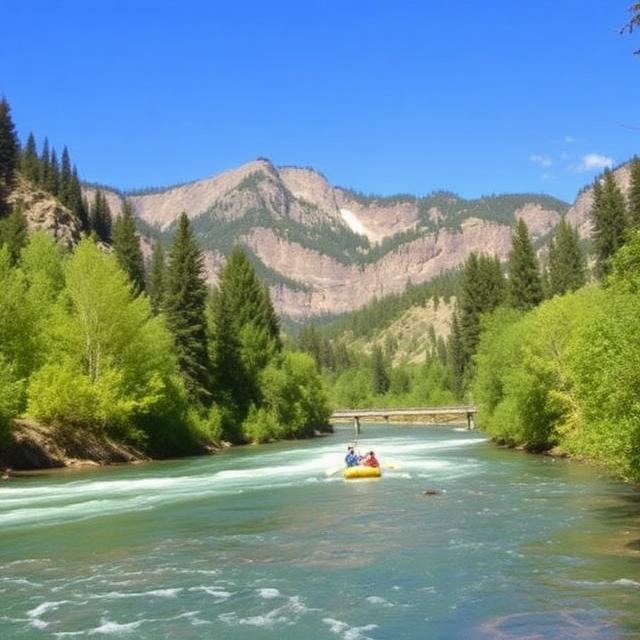
Why it’s good: The Adams River combines easy rapids with steady flow, making it approachable even for cautious beginners. The river’s gentle pace allows rafters to enjoy surrounding scenery and wildlife while learning basic skills. During salmon season, the experience is especially memorable.
Best for: Scenic rafting
Where to stay: Chase, Salmon Arm
9. Kootenay River (Lower)
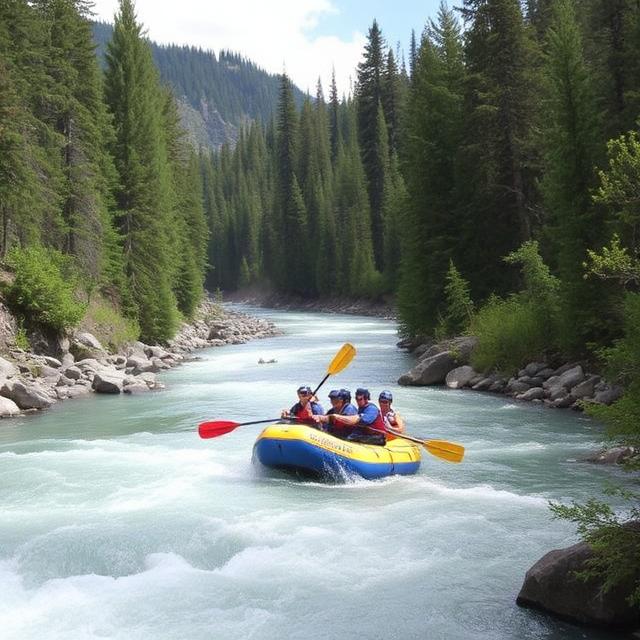
Why it’s good: Broad channels and consistent current reduce technical difficulty, making rafting feel smooth and controlled. Beginners benefit from the river’s predictable behavior and spacious feel. It’s well suited for longer, relaxed rafting days.
Best for: Beginner multi-day floats
Where to stay: Cranbrook, Castlegar
10. Elk River
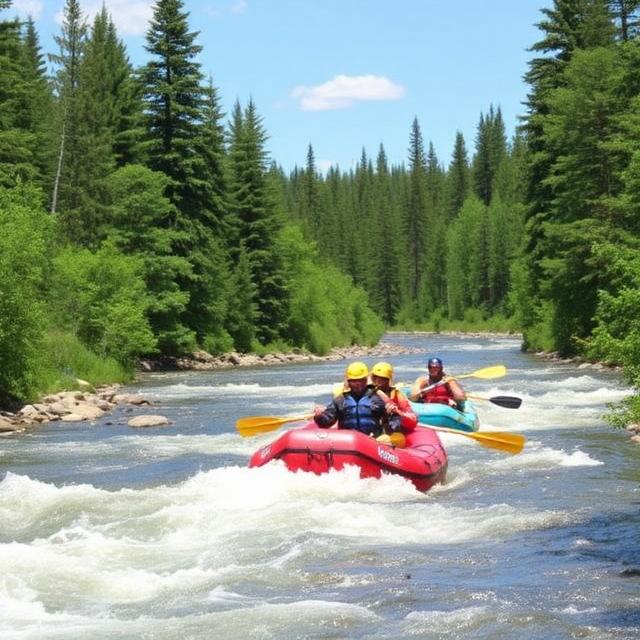
Why it’s good: The Elk River features clear water, gentle rapids, and a calm pace ideal for beginners. The river allows plenty of time to react and adjust paddling without pressure. It’s also popular with anglers, adding to its relaxed atmosphere.
Best for: Beginners, fishing-focused trips
Where to stay: Fernie
Intermediate Rivers (Class III)
11. Thompson River (Middle Canyon)
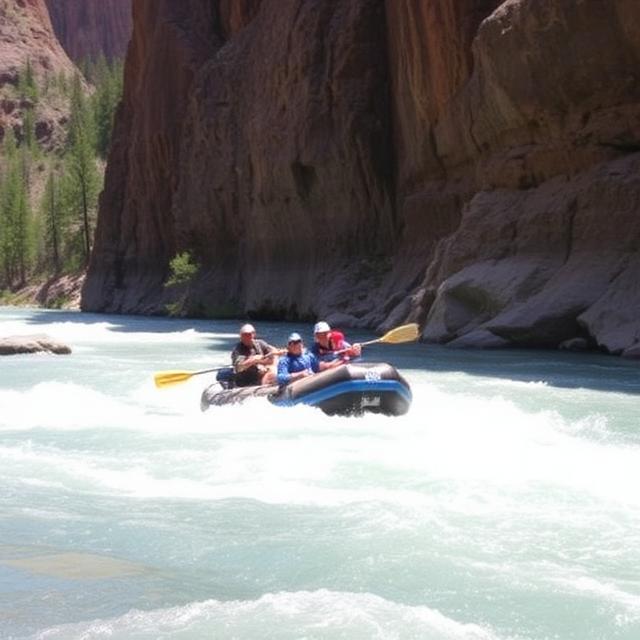
Why it’s good: This section introduces bigger waves and faster current while remaining predictable. Rapids are exciting but not overly technical, making it a natural progression from beginner rivers. Guides can easily manage rafts through the canyon.
Best for: Confident beginners
Where to stay: Lytton, Kamloops
12. Kicking Horse River (Lower Canyon)
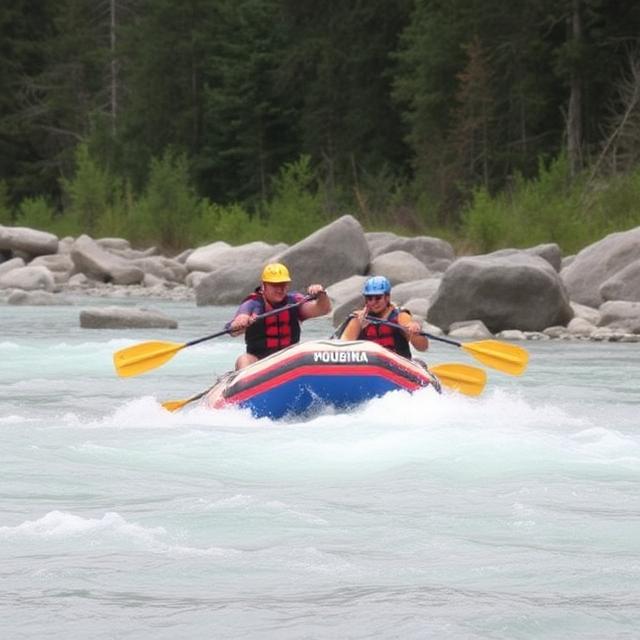
Why it’s good: Known for its dramatic setting, the Lower Kicking Horse offers continuous Class III rapids that feel powerful but remain well-defined. It’s ideal for rafters ready to experience stronger whitewater without advanced technical moves.
Best for: Adventure-focused beginners
Where to stay: Golden
13. Similkameen River
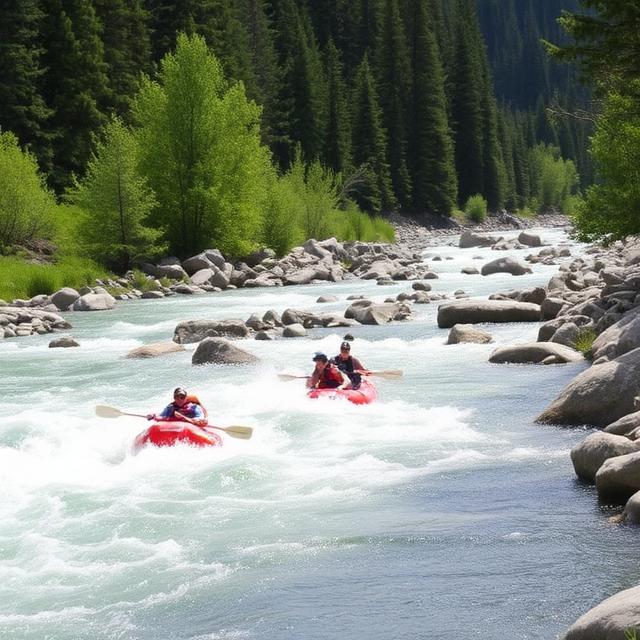
Why it’s good: This river delivers consistent rapids and warmer summer water, creating comfortable yet engaging conditions. The steady pace helps rafters maintain confidence while navigating longer sections of whitewater.
Best for: Intermediate rafting
Where to stay: Princeton
14. Ashlu River (Lower Sections)
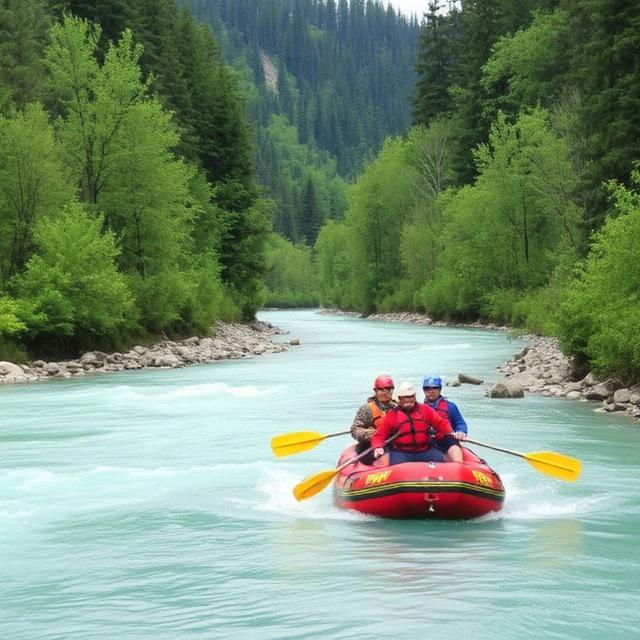
Why it’s good: The lower Ashlu provides tighter channels and faster water that challenge paddle coordination. Rapids remain guide-friendly, making it suitable for rafters developing stronger skills.
Best for: Intermediate paddlers
Where to stay: Squamish
15. Lillooet River
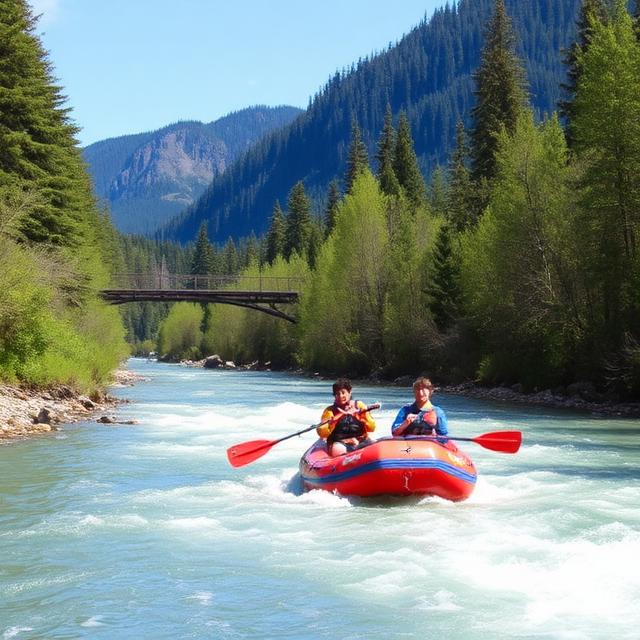
Why it’s good: Glacier-fed flows create steady, continuous rapids that feel powerful but predictable. The river’s consistency helps intermediate rafters refine technique and teamwork.
Best for: Skill progression
Where to stay: Pemberton, Whistler
Intermediate to Advanced (Class III–IV)
16. Kicking Horse River (Upper Canyon)
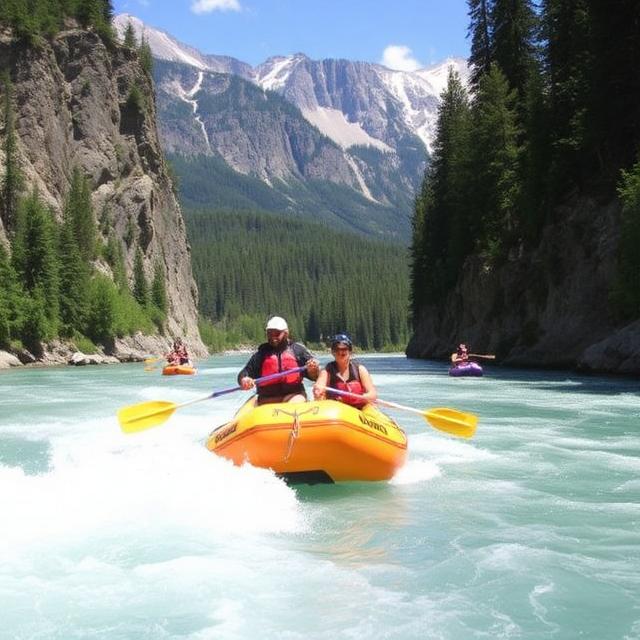
Why it’s good: Steeper gradient and stronger hydraulics create intense but rewarding rafting. This section requires confidence and quick reactions, making it ideal for experienced rafters looking to level up.
Best for: Advanced rafters
Where to stay: Golden
17. Chilcotin River
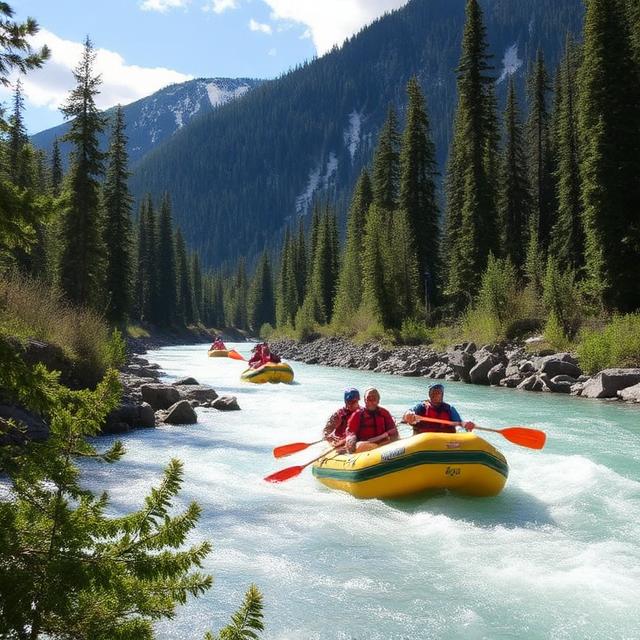
Why it’s good: Remote canyon walls and sustained rapids make this a true wilderness rafting experience. The river demands endurance and solid rafting skills over multiple days.
Best for: Multi-day adventure trips
Where to stay: Williams Lake
18. Stein River
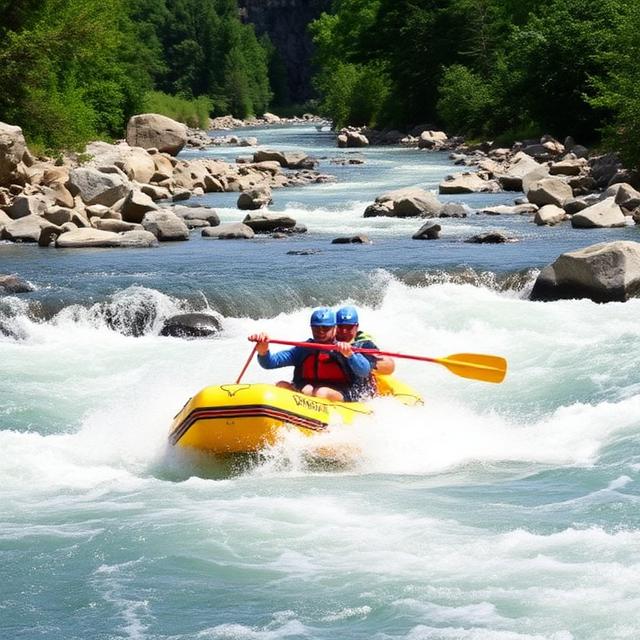
Why it’s good: Fast-moving water and narrow canyon sections require strong paddling coordination. This river rewards experience and confidence with thrilling whitewater and isolation.
Best for: Advanced paddlers
Where to stay: Lytton
19. Tatshenshini River
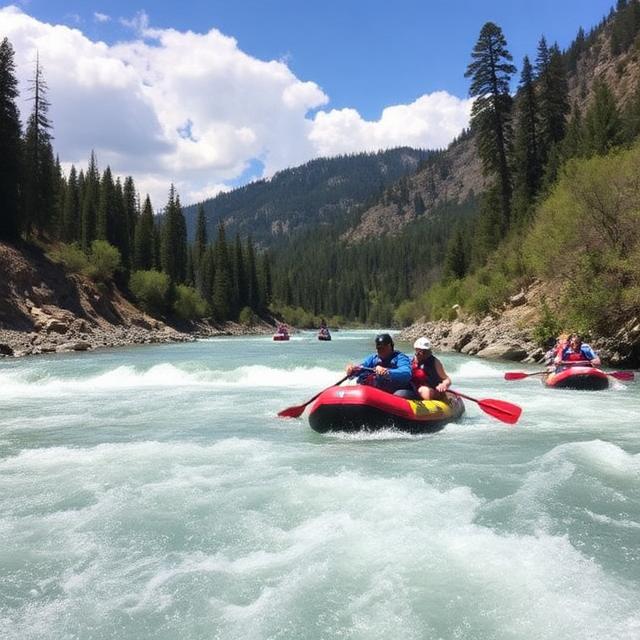
Why it’s good: Big-volume glacial water creates powerful, continuous rapids over long distances. This is expedition rafting that combines endurance, teamwork, and wilderness navigation.
Best for: Expedition rafters
Where to stay: Northern BC lodges, Haines Junction
20. Dean River
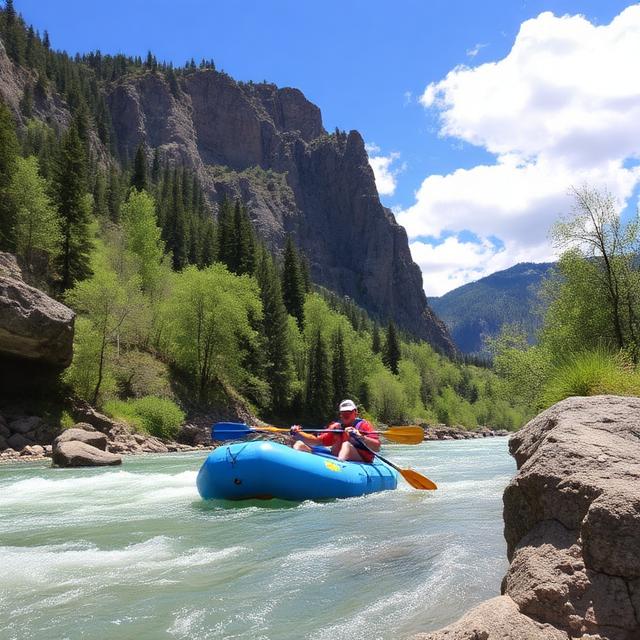
Why it’s good: The Dean River’s strength and speed demand advanced whitewater awareness. It’s not technical in the narrow sense, but its power requires experience and respect.
Best for: Strong intermediate to advanced rafters
Where to stay: Bella Coola
Advanced & Expert Rivers (Class IV–V)
21. Elaho River
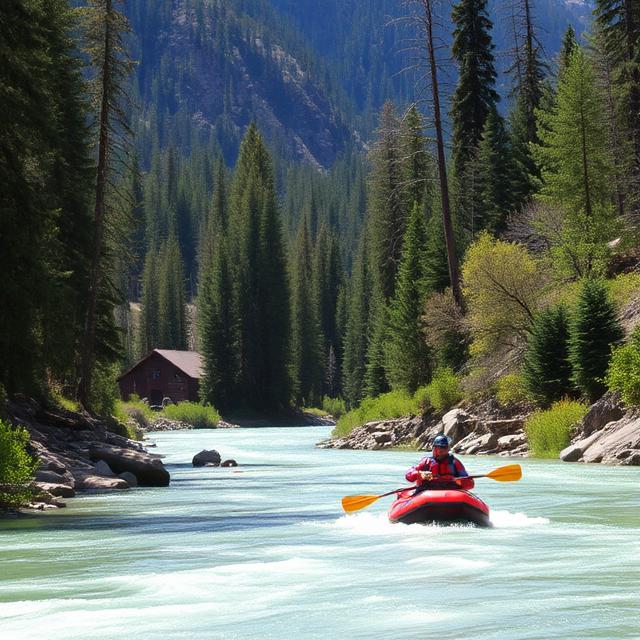
Why it’s good: Massive volume and continuous rapids make this one of BC’s most demanding rivers. There is little room for error, and conditions can change rapidly.
Best for: Experts only
Where to stay: Squamish (guided access)
22. Clendenning River
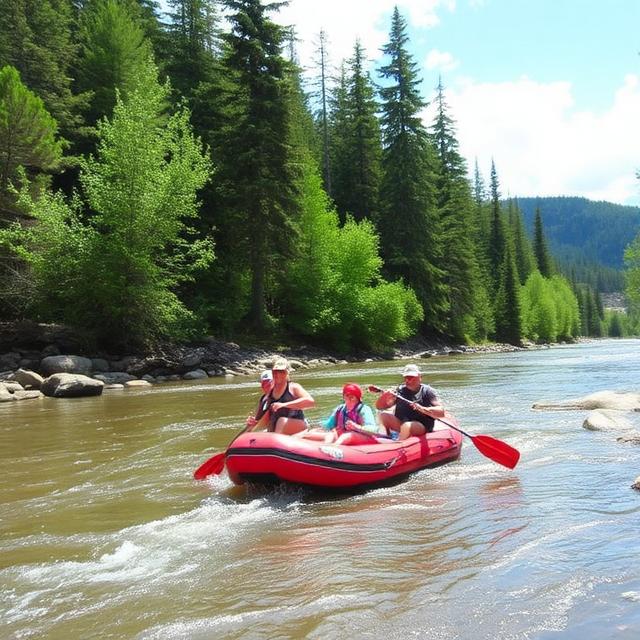
Why it’s good: Extremely remote and technically complex, this river is reserved for expedition-level rafters. Logistics and navigation are as challenging as the rapids themselves.
Best for: Expert teams
Where to stay: Expedition access only
23. White River
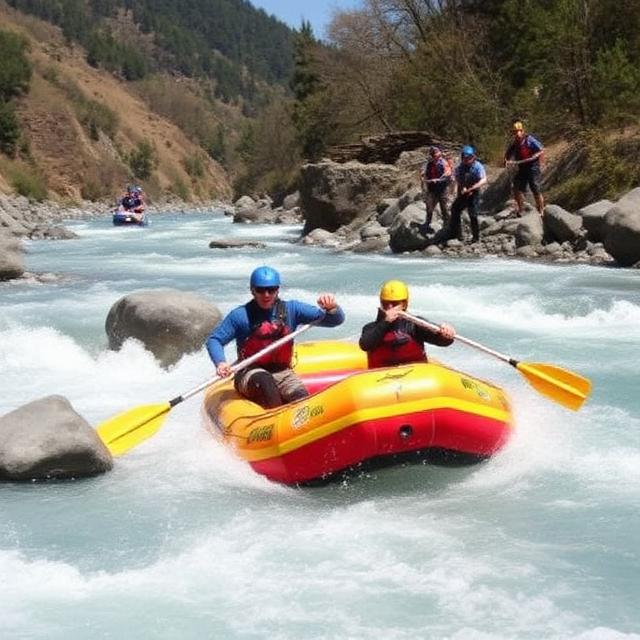
Why it’s good: Cold, fast, and unforgiving, the White River demands precise control and advanced safety skills. It’s a serious commitment even for seasoned rafters.
Best for: Experts
Where to stay: Clearwater
24. Stikine River
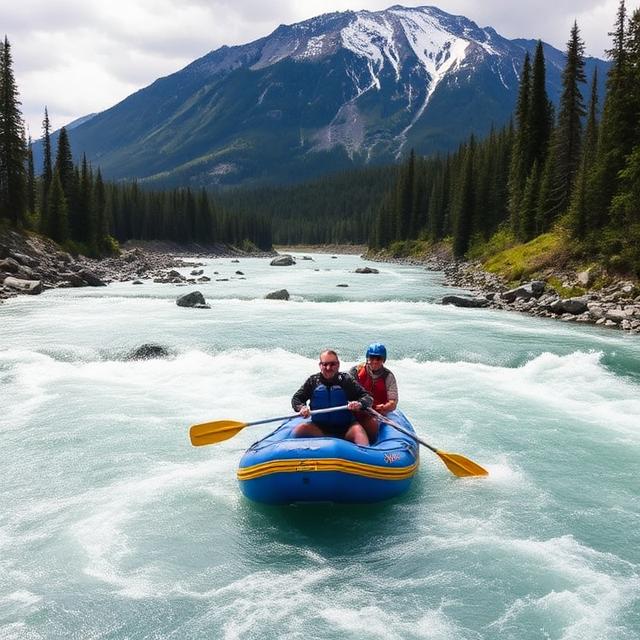
Why it’s good: Legendary for its power and scale, the Stikine is considered one of the most challenging rivers in the world. Only elite rafters attempt it.
Best for: Elite expedition rafters
Where to stay: Telegraph Creek
25. Homathko River
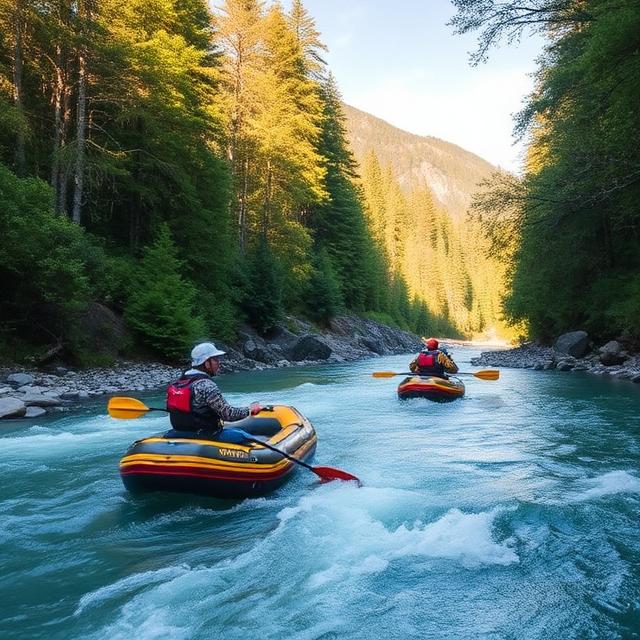
Why it’s good: Continuous high-volume rapids and remote access make this river physically and mentally demanding. It’s a true wilderness test of skill and endurance.
Best for: Expert rafters
Where to stay: Guided expedition only
Conclusion
British Columbia offers some of the most diverse and exciting whitewater rafting in North America. From calm, beginner-friendly rivers near major towns to powerful, remote expedition routes, BC has rafting opportunities for every skill level. What makes the province especially unique is the combination of reliable snowmelt, dramatic mountain scenery, and experienced outfitters who know these rivers intimately.
Whether you’re planning your first rafting trip, looking to progress from beginner to intermediate, or seeking an advanced wilderness adventure, choosing the right river is key. Start with rivers that match your comfort level, raft with licensed guides, and allow your skills to grow naturally. With the right preparation, whitewater rafting in British Columbia can become a lifelong passion and one of the most memorable ways to explore the province.
Frequently Asked Questions (FAQ)
What is the best whitewater rafting river in British Columbia for beginners?
Some of the best beginner rafting rivers in BC include the Fraser River (Lower Sections), Chilliwack River, Lower Thompson River, and Cowichan River. These rivers feature Class I–II rapids, predictable flows, and professional guided trips ideal for first-timers and families.
What is the best time of year for whitewater rafting in British Columbia?
The best rafting season in BC typically runs from May through September. Spring and early summer offer higher water levels and more excitement due to snowmelt, while mid- to late-summer provides warmer water and calmer conditions, ideal for beginners.
Is whitewater rafting in British Columbia safe for beginners?
Yes, rafting in BC is safe for beginners when done with licensed and experienced outfitters. Beginner rivers are carefully selected for manageable rapids, and guides provide safety briefings, equipment, and on-river instruction.
What class of rapids should beginners choose?
Beginners should start with Class I–II rapids. Confident beginners can progress to Class III with a guide once they’re comfortable with paddle commands and river movement.
Can children go whitewater rafting in British Columbia?
Many rafting companies allow children, typically ages 6–12 and up, depending on river conditions and time of year. Rivers like the Chilliwack, Cowichan, and Fraser are popular family options.
What should I wear for whitewater rafting in BC?
Wear quick-dry clothing, secure water shoes, and sunscreen. Avoid cotton. Most outfitters provide helmets, life jackets, and wetsuits when needed, especially early in the season.
Do I need experience to go whitewater rafting?
No experience is required for beginner rafting trips. Guides teach basic paddling techniques and handle navigation, making it easy for first-timers to participate.
Are there multi-day rafting trips in British Columbia?
Yes. Rivers like the Chilcotin, Tatshenshini, and Kootenay offer multi-day rafting trips that range from beginner-friendly floats to advanced expedition adventures.
What is the most challenging rafting river in British Columbia?
The Stikine River is widely considered the most challenging and dangerous rafting river in British Columbia and is attempted only by elite, expedition-level rafters.
Leave a Reply