Whitewater rafting is one of the most exciting outdoor adventures in the United States—and you don’t need experience to enjoy it. From calm mountain rivers to scenic canyon floats, many U.S. rivers offer beginner-friendly whitewater rafting with manageable Class I–III rapids, professional guides, and safe conditions designed for first-timers.
Whether you’re planning your first rafting trip, traveling with kids or family, or simply want an adventure that’s thrilling without being extreme, choosing the right river makes all the difference. Beginner rivers feature predictable water flow, forgiving rapids, and plenty of calm sections to learn paddling basics and build confidence on the water.
In this guide, you’ll find the top 25 rivers in the USA for beginner whitewater rafting, each with:
- A clear explanation of why it’s great for beginners
- Specific towns and cities where to stay
- A “Best for” breakdown to match the trip to your travel style
If you’re ready to experience whitewater rafting safely, comfortably, and with unforgettable scenery, these rivers are the perfect place to start.
1. South Fork American River – California
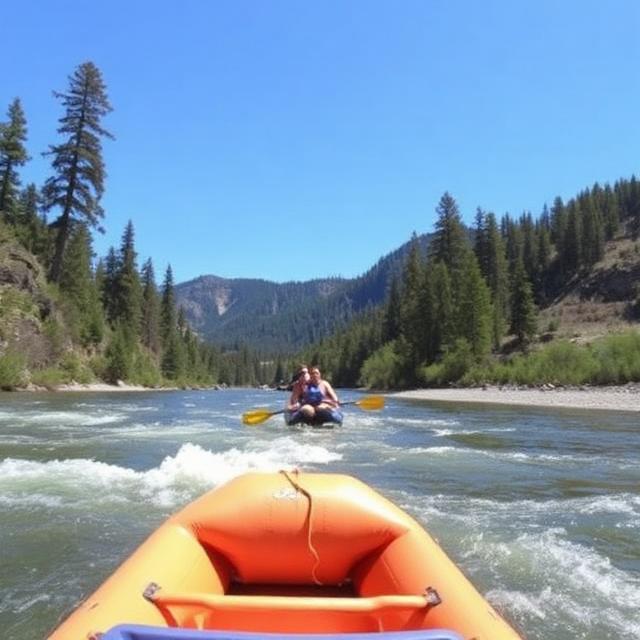
Why it’s great for beginners: This river is famous for introducing first-time rafters to whitewater. Rapids are splashy but forgiving, with calm pools between them for learning paddle commands and recovering easily. Warm summer water and consistent flows make it low-stress and fun.
Where to stay: Coloma, Lotus, Placerville
Best for: First-time rafters, families, youth groups
2. Nantahala River – North Carolina
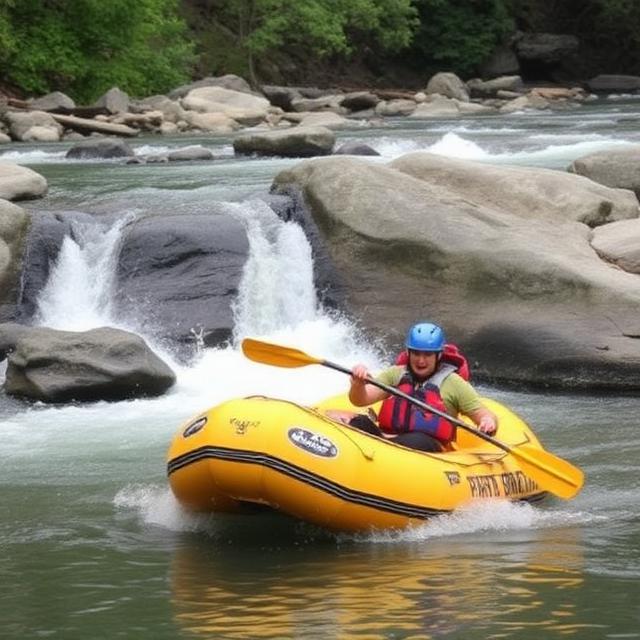
Why it’s great for beginners: Dam-controlled releases create predictable water levels, making this river easy to raft year-round. The long, gentle stretch lets beginners gain confidence before encountering a few fun finale rapids.
Where to stay: Bryson City, Nantahala Village, Cherokee
Best for: Families with kids, nervous beginners
3. Arkansas River (Browns Canyon & Lower Sections) – Colorado
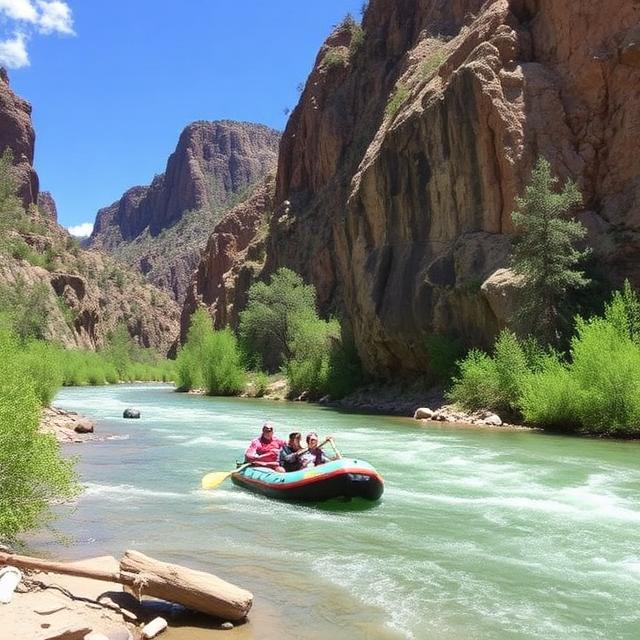
Why it’s great for beginners: Wide channels and smooth wave trains reduce technical difficulty while still delivering excitement. The steady pace allows beginners to focus on teamwork and timing rather than obstacles.
Where to stay: Buena Vista, Salida, Cañon City
Best for: Scenic rafting, beginner adventure trips
4. Snake River – Wyoming (Grand Teton Area)
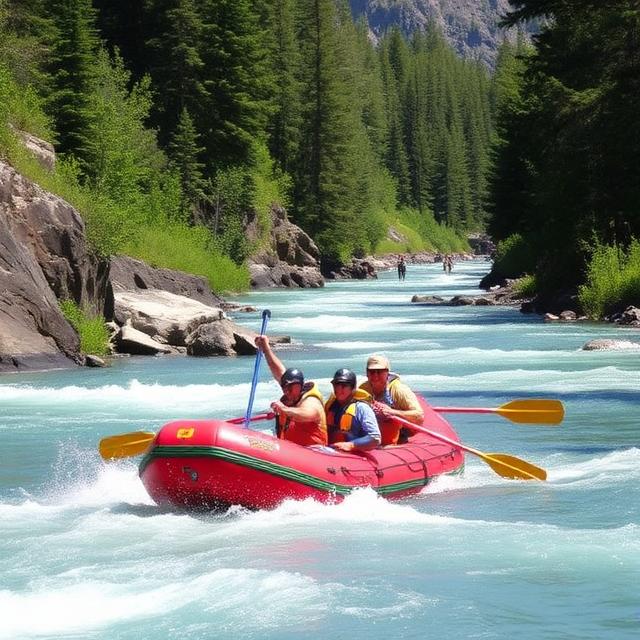
Why it’s great for beginners: Straightforward rapids and gentle currents make this river easy to navigate, while the surrounding mountains and wildlife keep the experience unforgettable.
Where to stay: Jackson, Teton Village, Wilson
Best for: Families, wildlife lovers, photography trips
5. Lower Salmon River – Idaho
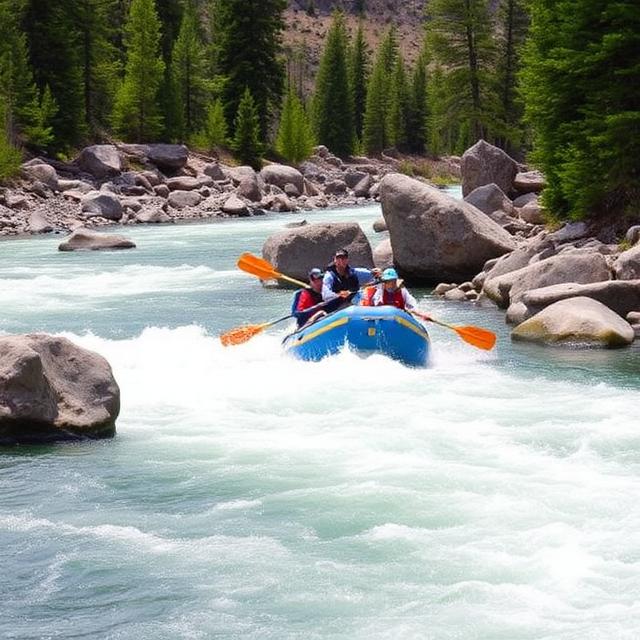
Why it’s great for beginners: This river mixes calm floating with mild rapids, creating an ideal learning environment. Beginners appreciate the relaxed pace and opportunities to swim and camp.
Where to stay: Riggins, White Bird, McCall
Best for: Multi-day trips, family vacations
6. Rogue River – Oregon
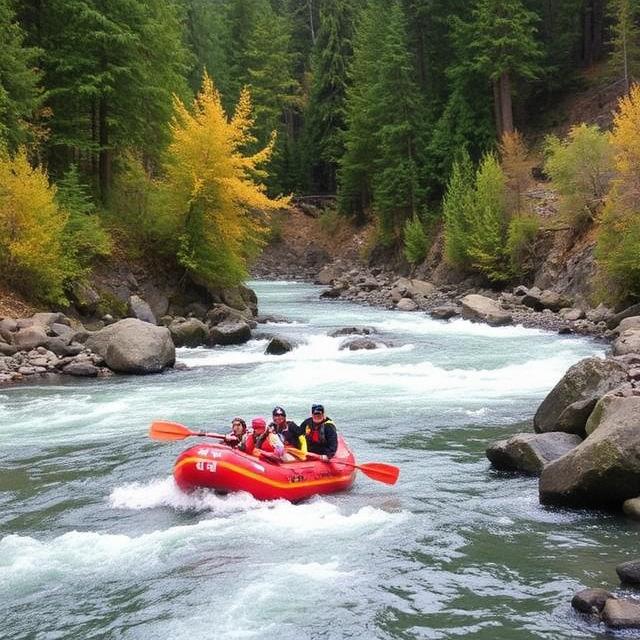
Why it’s great for beginners: Predictable rapids and warm summer water make rafting approachable. The river flows smoothly, giving beginners time to react and learn.
Where to stay: Grants Pass, Merlin, Galice
Best for: Beginner multi-day rafting, nature lovers
7. Ocoee River (Middle Ocoee) – Tennessee
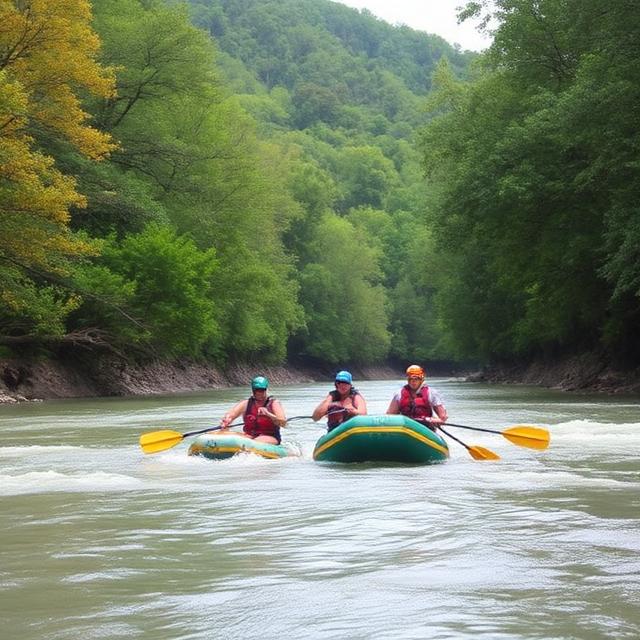
Why it’s great for beginners: Although energetic, the rapids are highly guided and consistent, helping beginners learn quickly without unexpected challenges.
Where to stay: Ducktown, Copperhill, Blue Ridge (GA)
Best for: Active beginners, group trips
8. Youghiogheny River (Lower Yough) – PA/MD
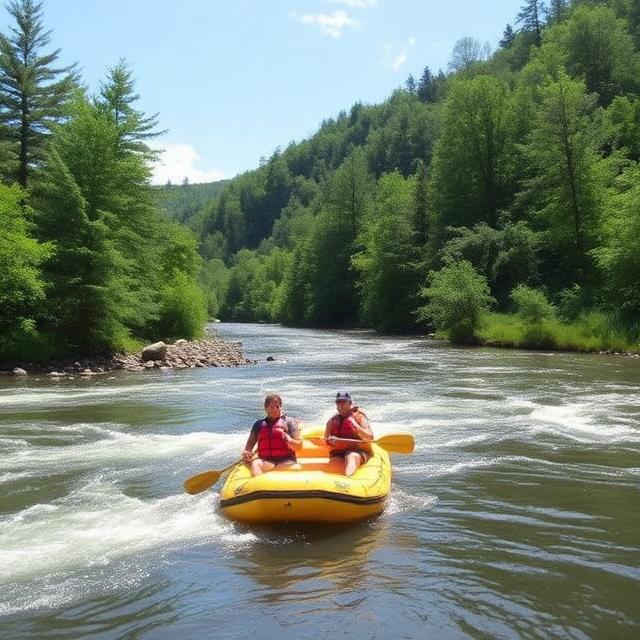
Why it’s great for beginners: Offers a step up from calm rivers without being overwhelming. Rapids are continuous but manageable, making it a confidence builder.
Where to stay: Ohiopyle, Confluence, Deep Creek Lake
Best for: Beginners ready for Class III
9. Green River (Desolation Canyon) – Utah
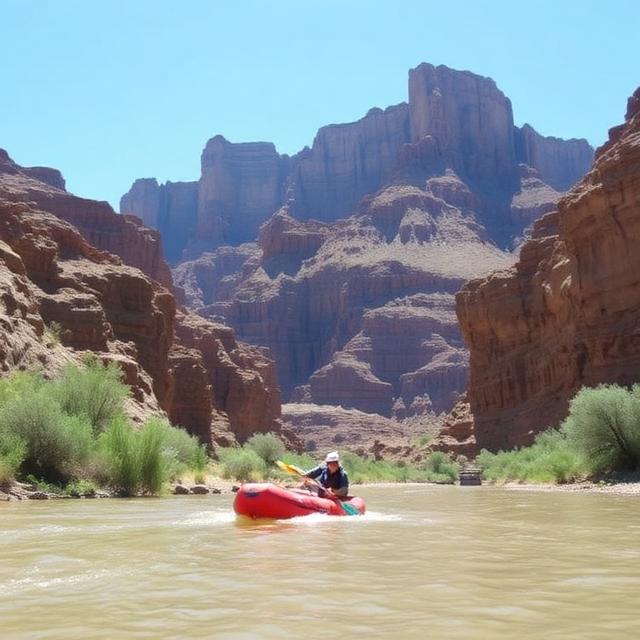
Why it’s great for beginners: Mostly calm water with occasional mild rapids allows beginners to relax and enjoy desert canyon scenery while learning fundamentals.
Where to stay: Green River, Vernal, Helper
Best for: Relaxed rafting, scenic trips
10. Colorado River (Black Canyon) – AZ/NV
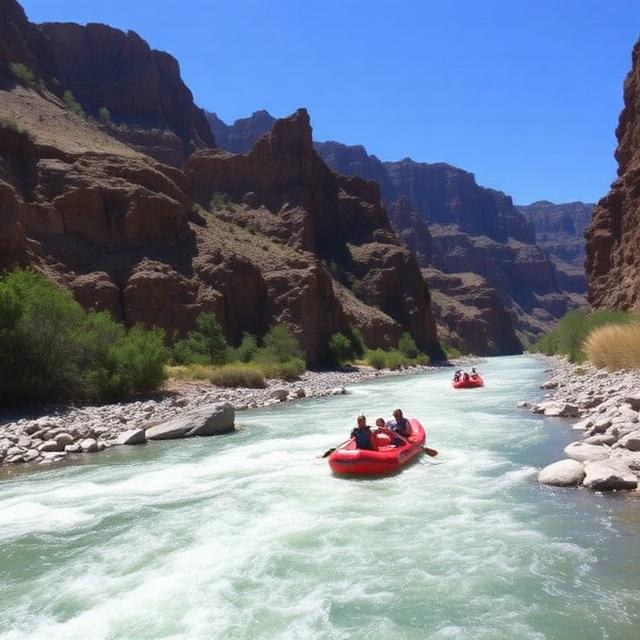
Why it’s great for beginners: Gentle water and wide channels create a calm rafting experience with minimal technical skill required.
Where to stay: Boulder City, Las Vegas, Laughlin
Best for: First-time rafters, sightseeing trips
11. Wolf River – Wisconsin
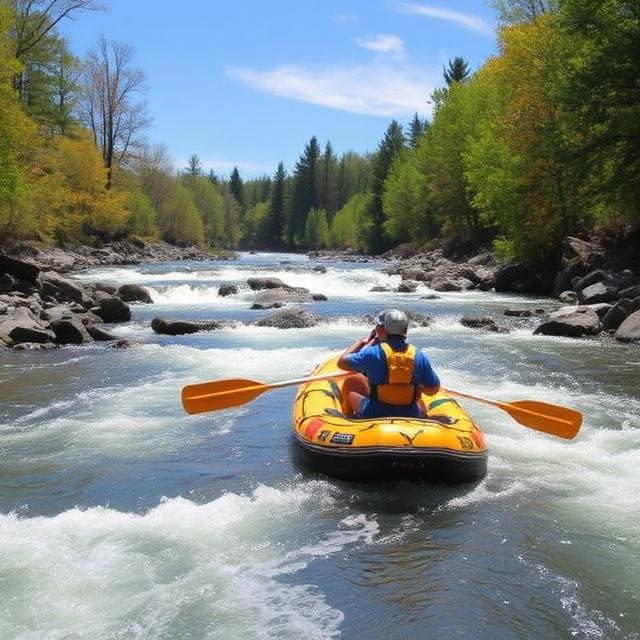
Why it’s great for beginners: Short rapids and slow-moving sections make it easy to learn paddling basics without fatigue or fear.
Where to stay: Langlade, Antigo, White Lake
Best for: Midwest families, casual rafting
12. Deerfield River – Massachusetts/Vermont
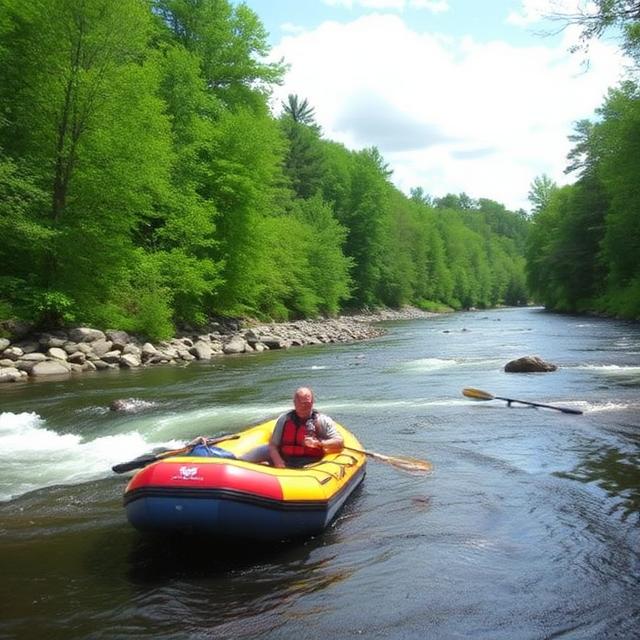
Why it’s great for beginners: Scheduled dam releases ensure stable conditions and manageable rapids ideal for skill-building.
Where to stay: Charlemont, Shelburne Falls, North Adams
Best for: Beginner training trips
13. Yellowstone River – WY/MT
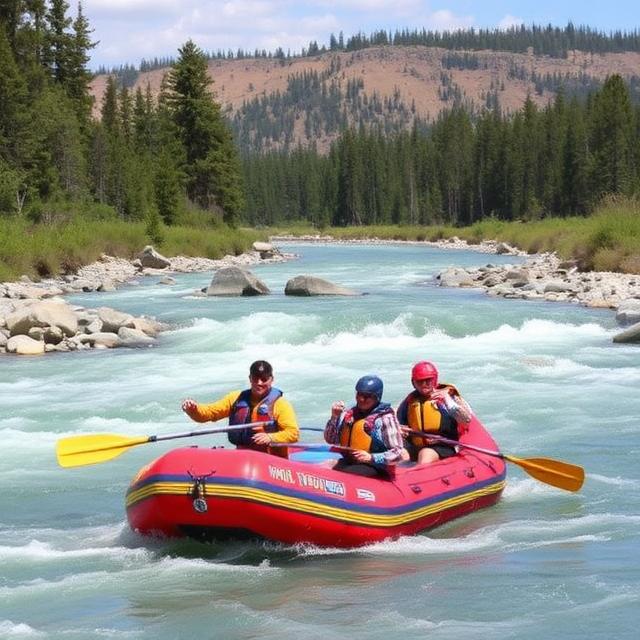
Why it’s great for beginners: Broad channels and mellow rapids reduce stress while offering iconic scenery and wildlife encounters.
Where to stay: Gardiner, Livingston, West Yellowstone
Best for: Scenic rafting, family trips
14. Shenandoah River – Virginia
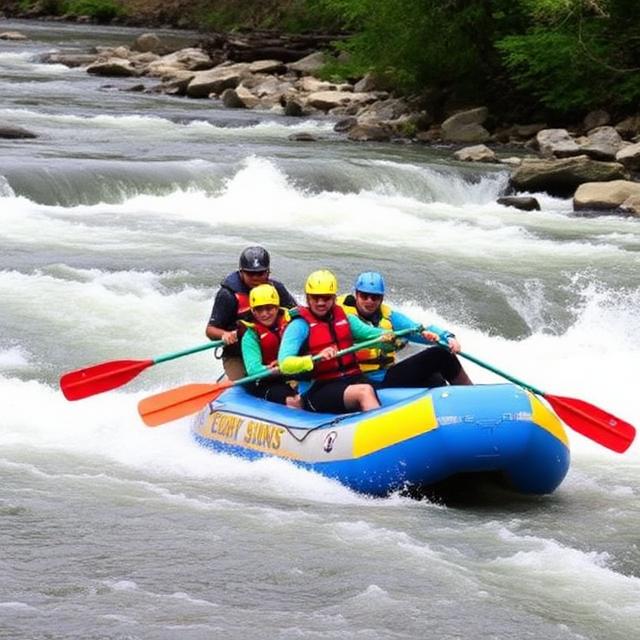
Why it’s great for beginners: Mostly calm water with light rapids makes it ideal for cautious or younger rafters.
Where to stay: Luray, Front Royal, Harpers Ferry
Best for: Families, relaxed floats
15. Klamath River – CA/OR
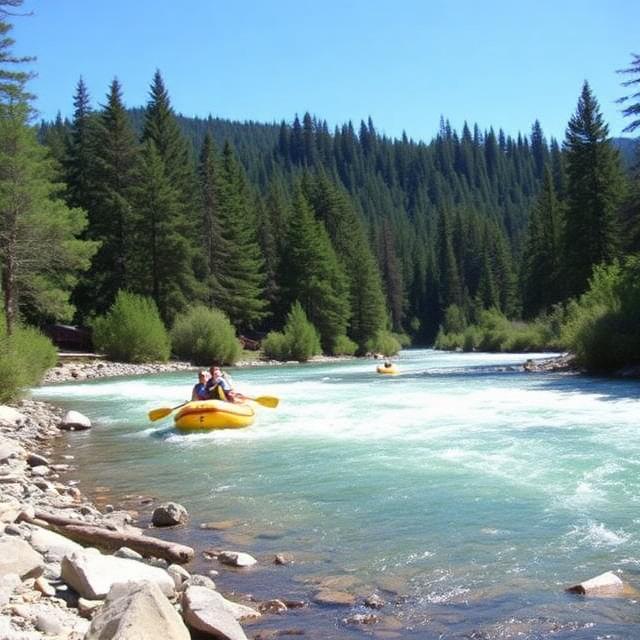
Why it’s great for beginners: Newly restored stretches offer warm water and gentle rapids perfect for learning without pressure.
Where to stay: Happy Camp, Yreka, Ashland
Best for: Eco-travelers, scenic rafting
16. Yampa River (Lower Sections) – Colorado
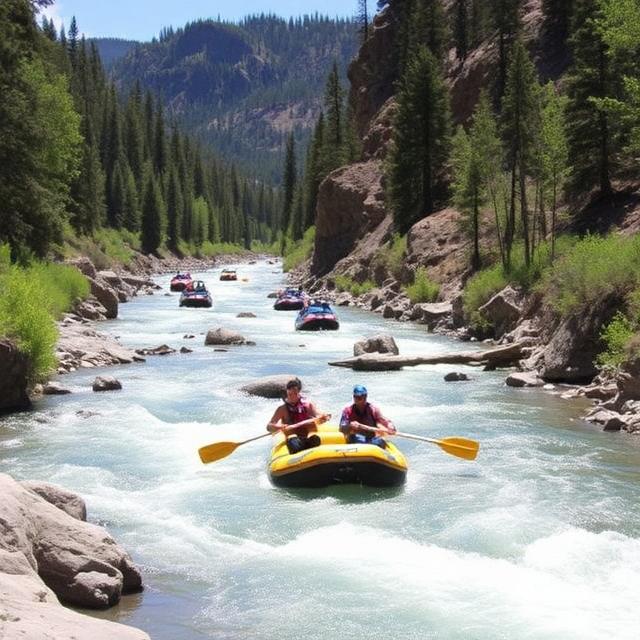
Why it’s great for beginners: Smooth flows and minimal obstacles allow beginners to enjoy a wilderness river without technical difficulty.
Where to stay: Craig, Steamboat Springs
Best for: Wilderness beginners
17. Illinois River – Oregon
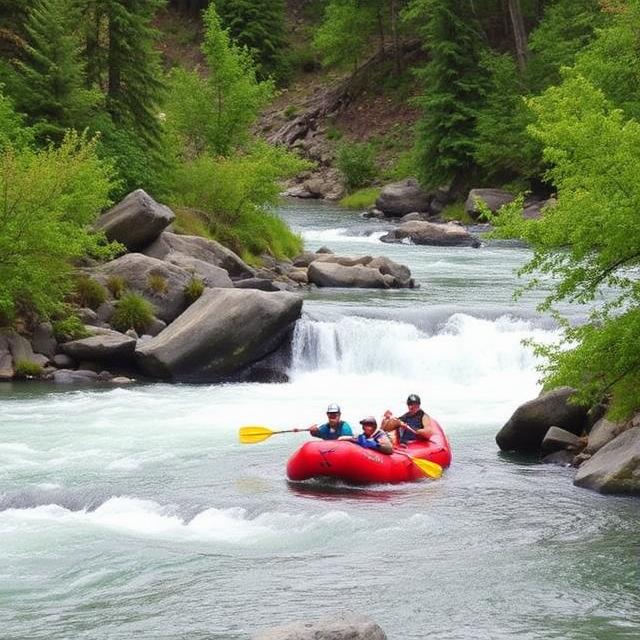
Why it’s great for beginners: Seasonal flows create forgiving rapids with plenty of calm water in between.
Where to stay: Cave Junction, Grants Pass
Best for: Spring rafting trips
18. Eel River – California
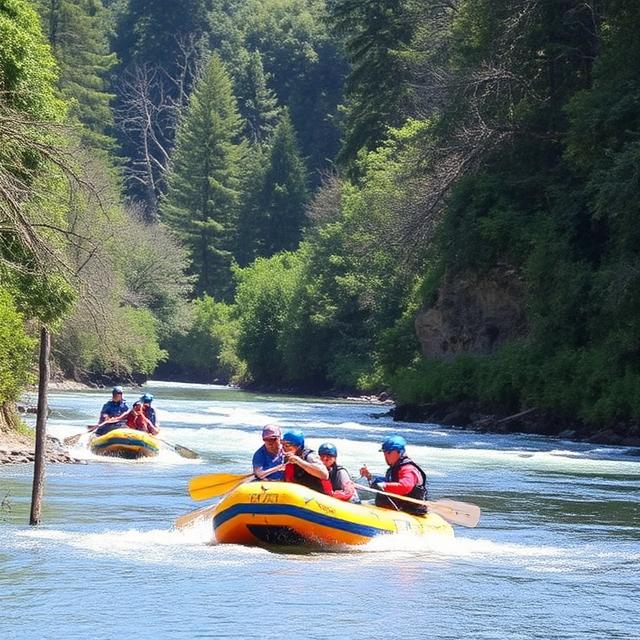
Why it’s great for beginners: Warm summer conditions and mellow rapids make rafting feel more playful than intense.
Where to stay: Garberville, Fortuna, Ukiah
Best for: Casual beginners, swimming-friendly trips
19. Stony River – Alaska
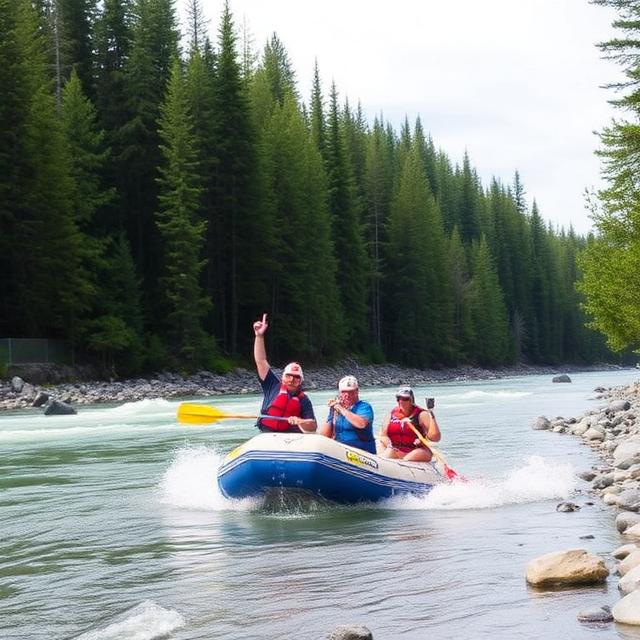
Why it’s great for beginners: Long Class I–II stretches provide a true wilderness experience without technical rapids.
Where to stay: Anchorage (launch point for guided trips)
Best for: Adventure beginners
20. Little River – Tennessee
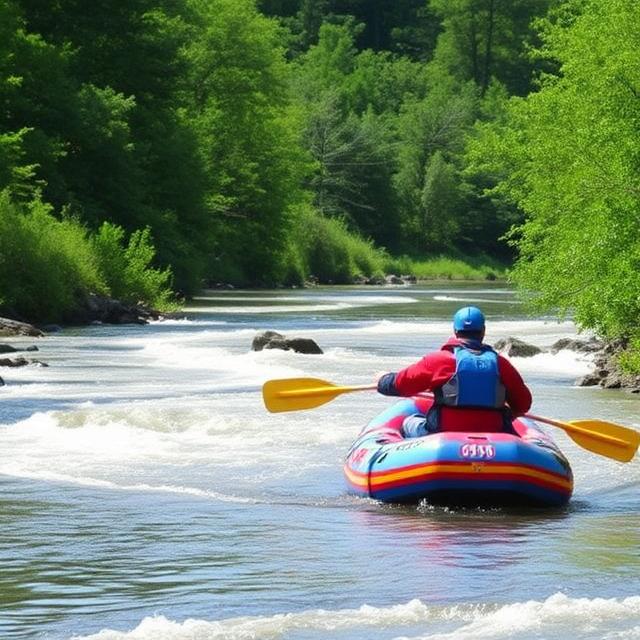
Why it’s great for beginners: Gentle currents and light rapids make it ideal for learning basics or combining rafting with tubing.
Where to stay: Gatlinburg, Townsend, Pigeon Forge
Best for: First-timers, families with kids
21. Potomac River (Upper Sections) – MD/WV
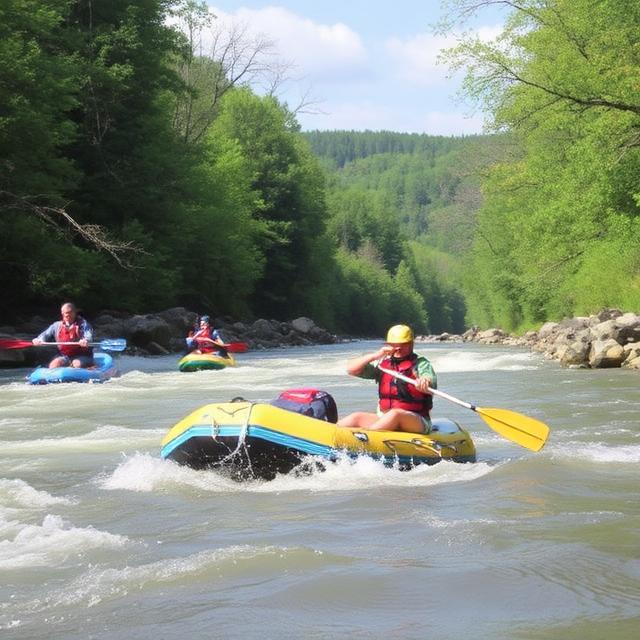
Why it’s great for beginners: Easy rapids and historic scenery offer a comfortable introduction to whitewater rafting.
Where to stay: Harpers Ferry, Brunswick, Shepherdstown
Best for: East Coast beginners
22. Flathead River – Montana
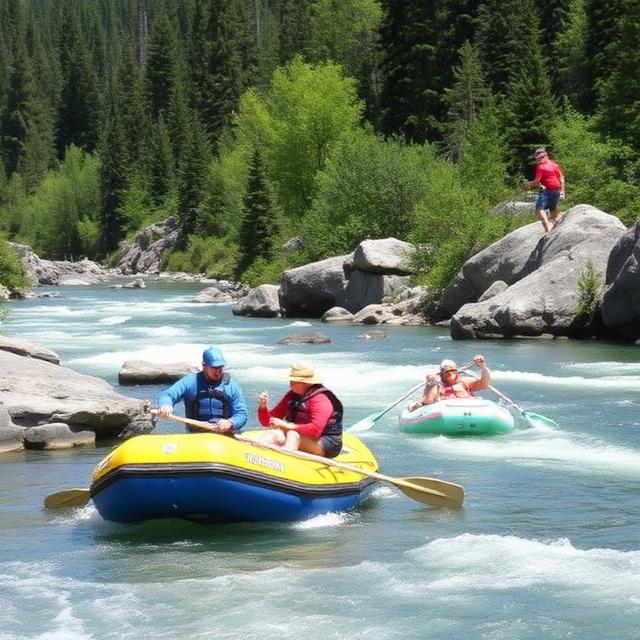
Why it’s great for beginners: Gentle glacier-fed flows with scenic mountain backdrops and forgiving rapids.
Where to stay: West Glacier, Kalispell, Whitefish
Best for: Families near national parks
23. Kenai River (Lower Sections) – Alaska
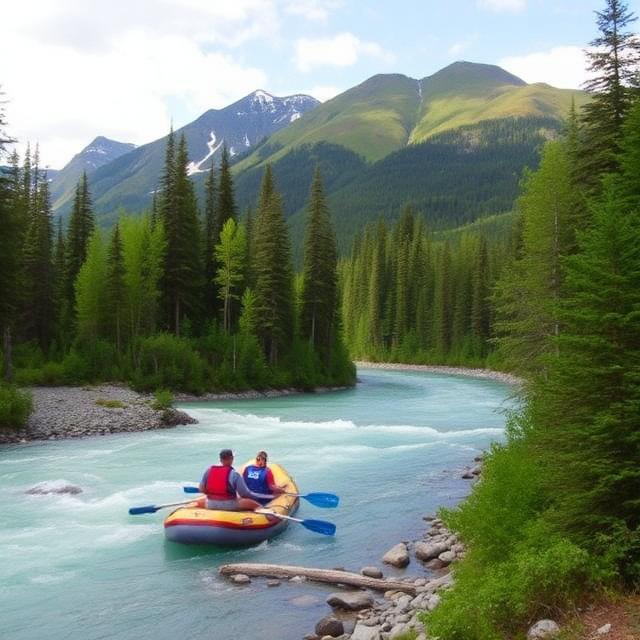
Why it’s great for beginners: Smooth water and minimal rapids make this river more about scenery and wildlife than whitewater skill.
Where to stay: Soldotna, Cooper Landing
Best for: Scenic rafting, wildlife viewing
24. Merced River (Lower) – California
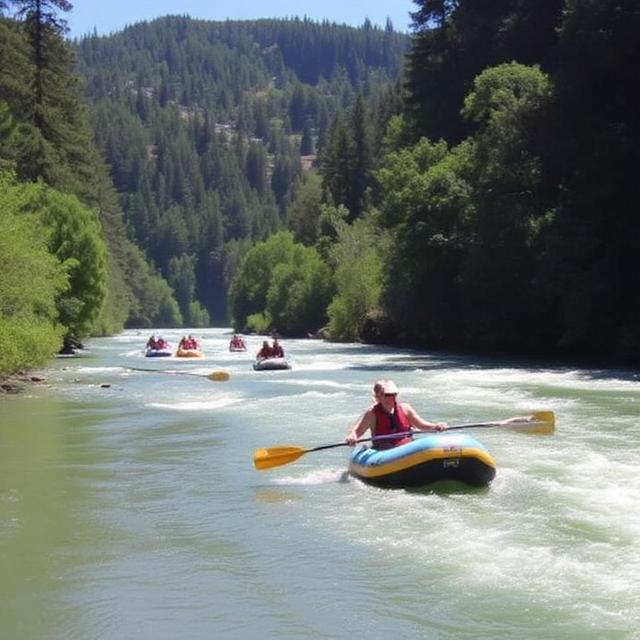
Why it’s great for beginners: Beginner-friendly stretches near Yosemite allow new rafters to enjoy light rapids with iconic views.
Where to stay: Mariposa, El Portal, Yosemite West
Best for: National park travelers
25. New River (Lower Sections) – West Virginia
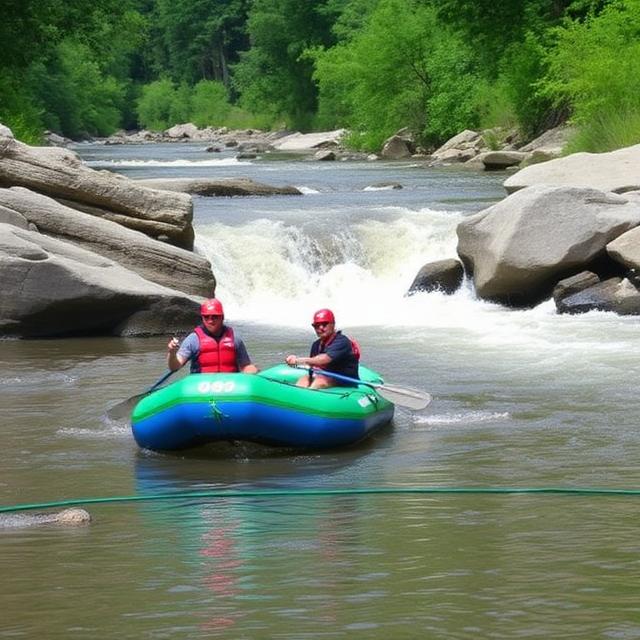
Why it’s great for beginners: Wide channels and forgiving rapids allow beginners to practice coordination and confidence-building.
Where to stay: Fayetteville, Oak Hill, Beckley
Best for: Learning fundamentals safely
Conclusion
Whitewater rafting is one of the easiest ways to experience adventure travel in the USA, especially when you start on the right river. The beginner-friendly rivers on this list prove that you don’t need prior experience to enjoy moving water, scenic canyons, and the thrill of navigating rapids. With Class I–III sections, professional guides, and nearby towns for lodging, these rivers are designed to help first-time rafters feel confident and safe.
Whether you’re planning a family vacation, a first outdoor adventure, or a low-stress introduction to whitewater rafting, choosing one of these rivers ensures a fun and memorable experience. Start small, listen to your guide, and enjoy the ride—because once you try rafting, it often becomes a lifelong adventure.
Frequently Asked Questions (FAQ)
What class of rapids is best for beginners?
Beginners should start with Class I–II rapids, which feature small waves and clear channels. Class III is also suitable for beginners when rafting with a professional guide and is often the most fun without being overwhelming.
Is whitewater rafting safe for first-timers?
Yes, whitewater rafting is very safe for beginners when done with a licensed outfitter. Guides provide safety briefings, equipment, and instructions, and beginner rivers are chosen specifically for predictable and forgiving conditions.
Can kids go whitewater rafting?
Many beginner rivers allow children, typically ages 6–12 and up, depending on water levels and time of year. Rivers like the Nantahala, Shenandoah, Snake, and South Fork American are especially popular for family trips.
What is the best time of year for beginner rafting?
The best time is usually late spring through summer. Spring offers higher water and more excitement, while summer provides calmer flows and warmer water, making it ideal for beginners and families.
Do I need experience to go whitewater rafting?
No experience is required. Beginner rafting trips are designed to teach basic paddling skills on the river, and guides handle navigation and safety.
What should beginners wear whitewater rafting?
Wear quick-dry clothing, secure water shoes or sandals, sunscreen, and avoid cotton. Outfitters provide life jackets and helmets when needed.
Should beginners choose half-day or full-day rafting trips?
Half-day trips are perfect for first-timers. Full-day trips are great once you feel comfortable and want more time on the river without increasing difficulty.
Are beginner rafting rivers still exciting?
Absolutely. Beginner rivers focus on fun, splashy rapids and beautiful scenery, making them exciting without being intimidating.
Leave a Reply