The French Riviera, or Côte d’Azur, is one of the most captivating coastlines in the world. Known for its sparkling blue waters, charming towns, and glamorous lifestyle, it draws travelers from all corners of the globe. Whether you seek bustling city life, peaceful coastal villages, or hidden inland gems, the Riviera offers a rich variety of destinations. This guide explores the major cities, popular coastal towns, and inland treasures that make the French Riviera a must-visit region.
Major Cities on the French Riviera
The Riviera’s major cities combine history, culture, and modern attractions. They serve as hubs for tourism, business, and entertainment.
Nice
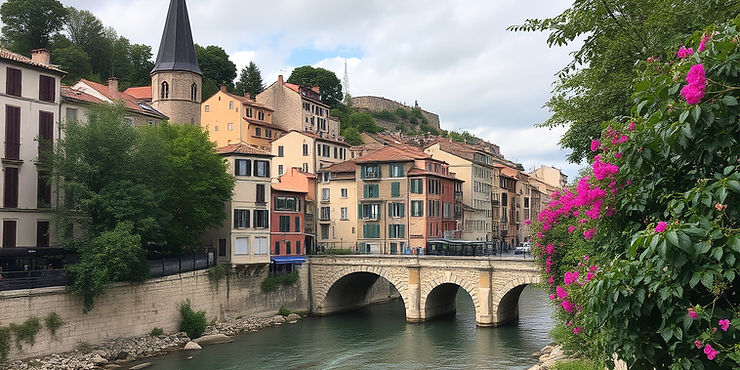
Nice is the largest city on the French Riviera and a cultural hotspot. Its famous Promenade des Anglais stretches along the Mediterranean coast, perfect for a scenic walk or bike ride. The old town, Vieux Nice, features narrow streets, colorful markets, and traditional restaurants serving local specialties like socca and pissaladière. Art lovers will appreciate the Matisse Museum and the Marc Chagall National Museum.
Cannes
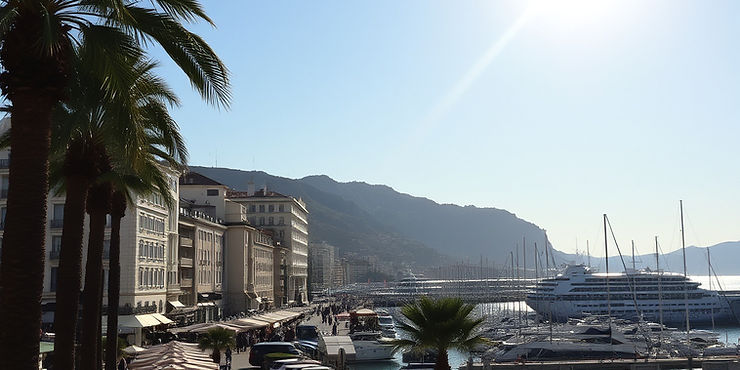
Known worldwide for its prestigious film festival, Cannes offers more than just celebrity sightings. The city boasts luxury boutiques, sandy beaches, and a lively nightlife scene. The old quarter, Le Suquet, provides panoramic views of the bay and a glimpse into Cannes’ history. The nearby Lérins Islands offer peaceful nature escapes just a short boat ride away.
Antibes
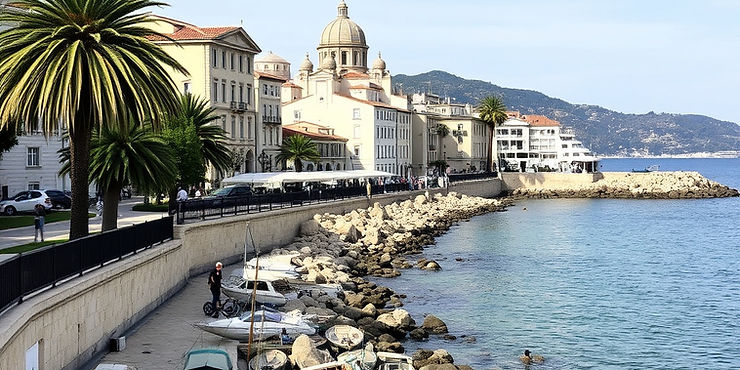
Antibes is famous for its old town charm and the impressive Fort Carré overlooking the sea. The Picasso Museum, housed in the Château Grimaldi, displays works created during the artist’s stay. Antibes also has a large marina, Port Vauban, which hosts some of the world’s most luxurious yachts.
Monaco
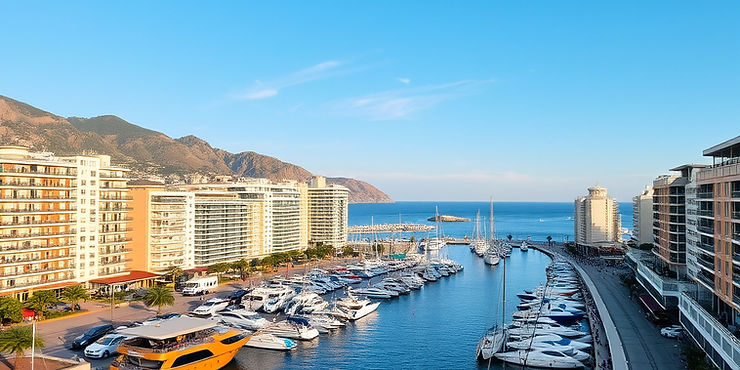
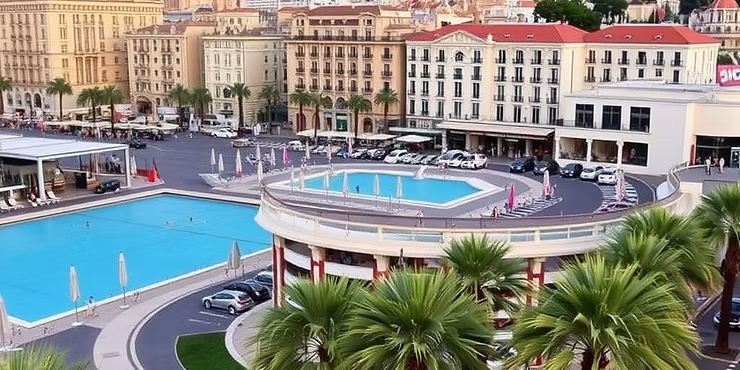
Though an independent country, Monaco is located on the French Riviera and often included in Riviera itineraries. This tiny principality is synonymous with luxury, casinos, and grand events like the Monaco Grand Prix. Visitors can explore the Prince’s Palace, the Oceanographic Museum, and the glamorous Monte Carlo district.
Menton
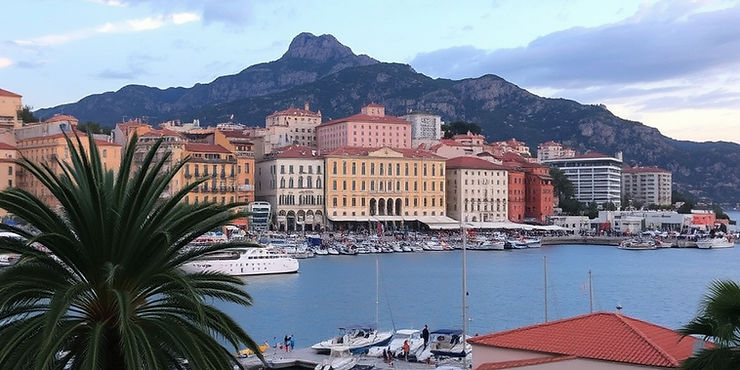
Menton stands out for its mild climate and beautiful gardens. Known as the “Pearl of France,” it has a charming old town with pastel-colored buildings and a lively lemon festival each year. The town’s beaches and seaside promenade offer a relaxing atmosphere away from the larger cities.
Saint-Tropez
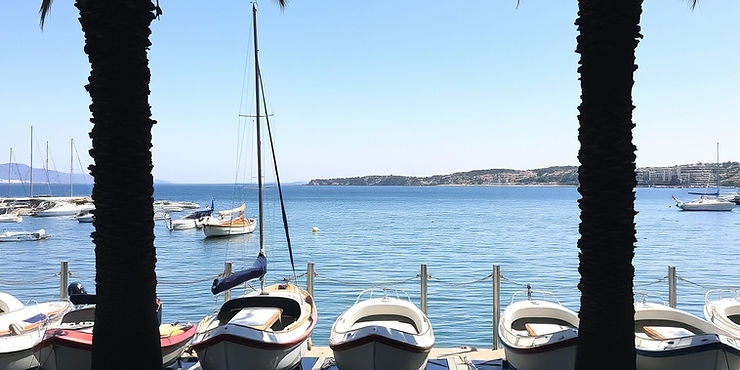
Saint-Tropez gained fame as a fishing village turned celebrity hotspot. Its picturesque harbor fills with luxury yachts during summer, while the narrow streets are lined with boutiques and cafes. The town’s beaches, like Pampelonne, attract sunbathers and water sports enthusiasts.
Toulon
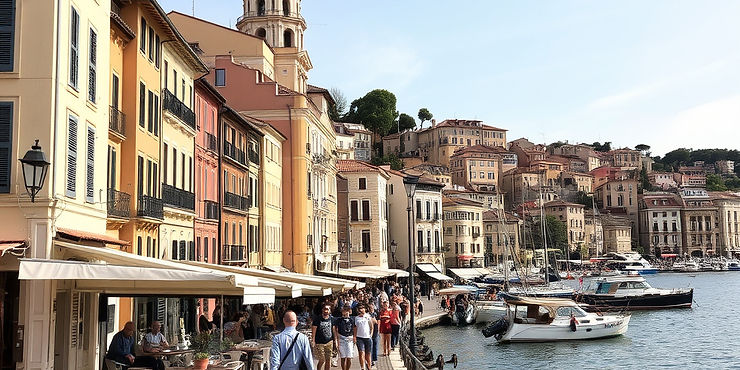
Toulon is a working port city with a strong naval presence. It offers a more authentic Riviera experience with fewer tourists. The city has a vibrant market, historic forts, and a cable car ride up Mont Faron for stunning views over the bay.
Popular Coastal Towns and Resorts
The Riviera’s coastline is dotted with smaller towns and resorts that offer charm and tranquility alongside beautiful beaches.
Villefranche-sur-Mer
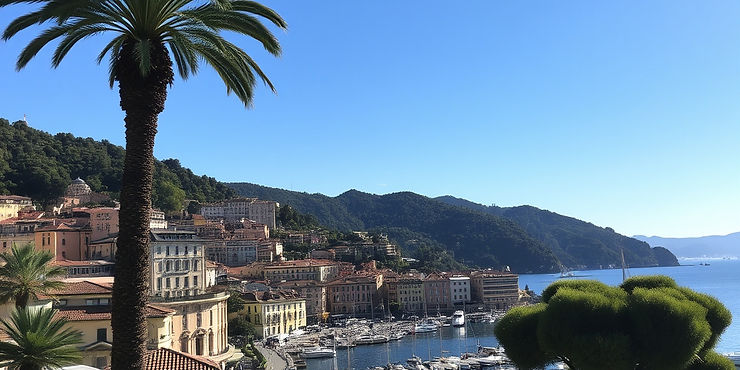
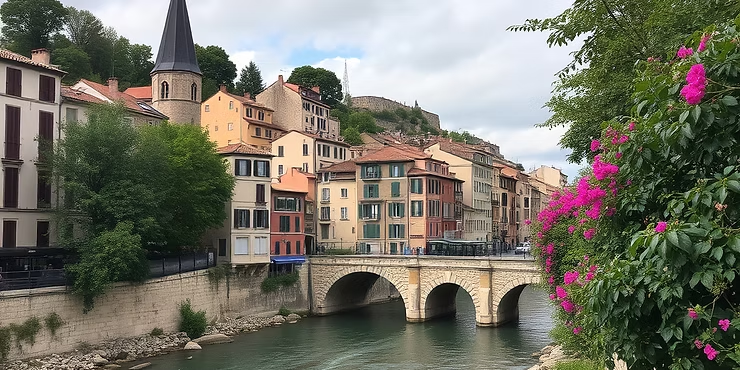
This town is known for its deep natural harbor and colorful waterfront houses. The old town has narrow streets and a 16th-century citadel. Villefranche-sur-Mer is a favorite stop for cruise ships and offers excellent seafood restaurants.
Beaulieu-sur-Mer
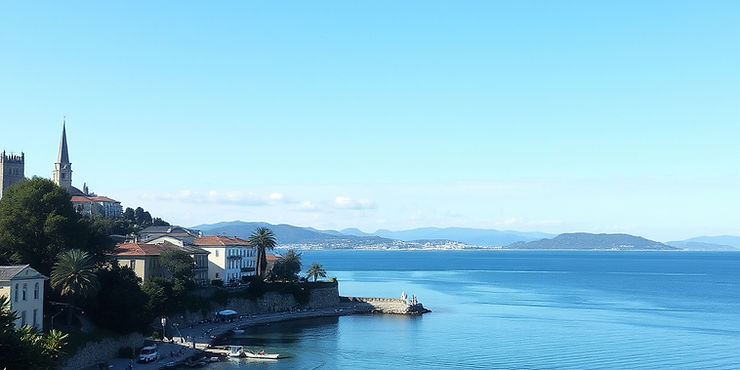
Beaulieu-sur-Mer combines Belle Époque architecture with a peaceful seaside atmosphere. The town’s Villa Kérylos is a unique Greco-Roman style mansion open to visitors. Its small beaches and marina make it a quiet alternative to busier spots.
Èze
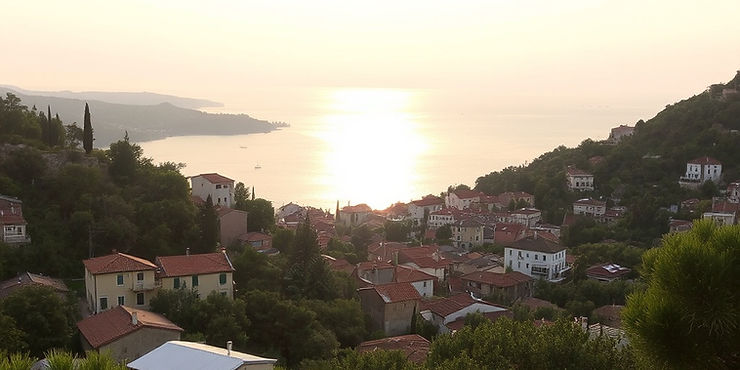
Perched on a hilltop, Èze offers breathtaking views of the Mediterranean. The medieval village is famous for its narrow cobblestone streets, artisan shops, and the exotic Jardin Exotique. Èze is also home to the renowned Fragonard perfume factory.
Saint-Jean-Cap-Ferrat
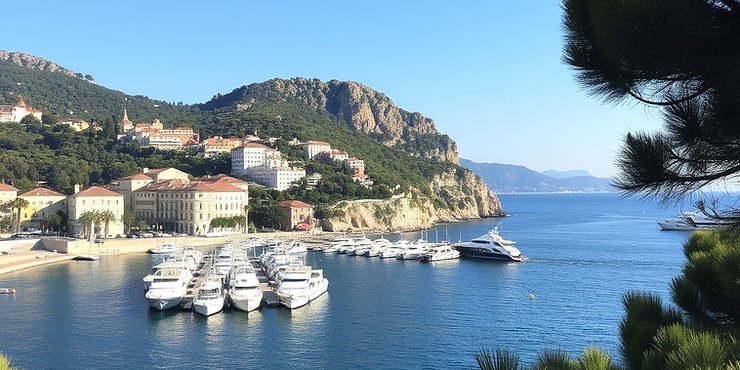
This peninsula is a haven for luxury and nature lovers. It features elegant villas, secluded coves, and walking trails along the coast. The Villa Ephrussi de Rothschild, with its stunning gardens, is a highlight for visitors.
Cap d’Antibes
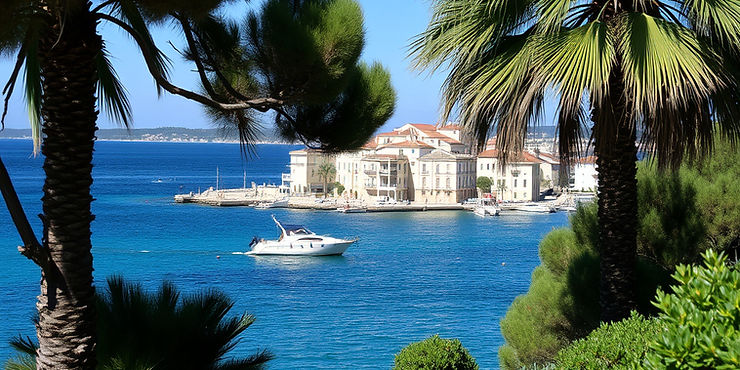
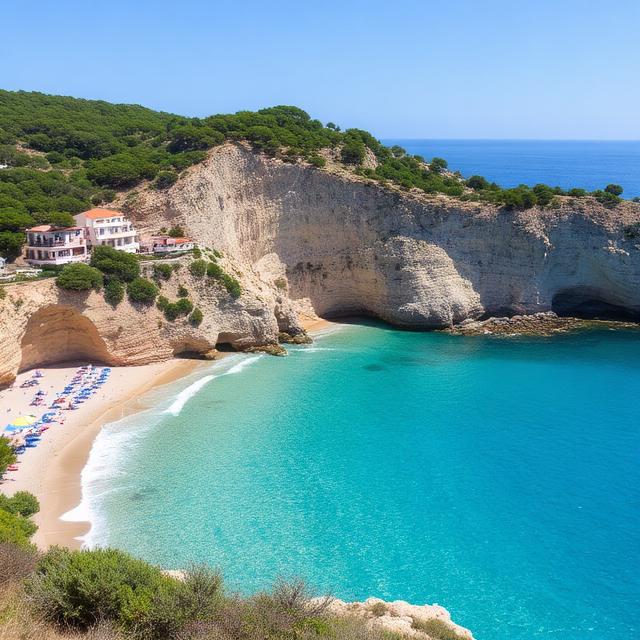
Cap d’Antibes is a prestigious area known for its luxury hotels and private beaches. The coastal path, Sentier du Littoral, offers scenic hikes with views of rocky cliffs and turquoise waters.
Fréjus
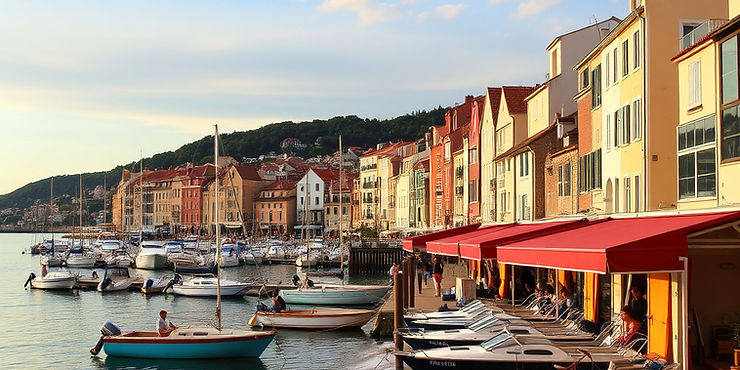
Fréjus has a rich Roman history visible in its amphitheater and aqueduct. The town also offers sandy beaches and a lively market. It’s a good base for exploring the surrounding countryside.
Saint-Raphaël
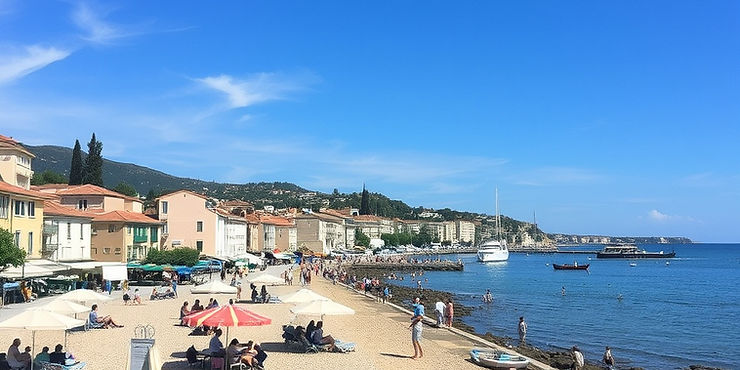
Saint-Raphaël combines a charming old town with a modern marina. The town is popular for water sports and has several sandy beaches. It also hosts cultural events and festivals throughout the year.
La Ciotat
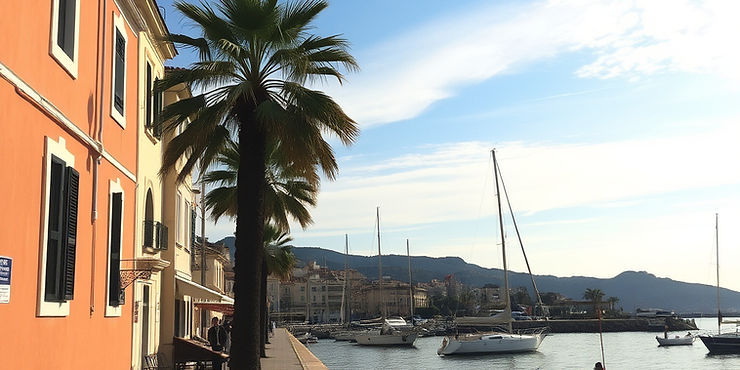
La Ciotat is known for its shipbuilding heritage and beautiful calanques (rocky inlets). The town has a relaxed vibe and is less touristy than other Riviera spots, making it ideal for visitors seeking authenticity.
Inland Riviera Gems
Beyond the coast, the French Riviera has several inland towns that offer a different perspective on the region’s culture and landscape.
Grasse
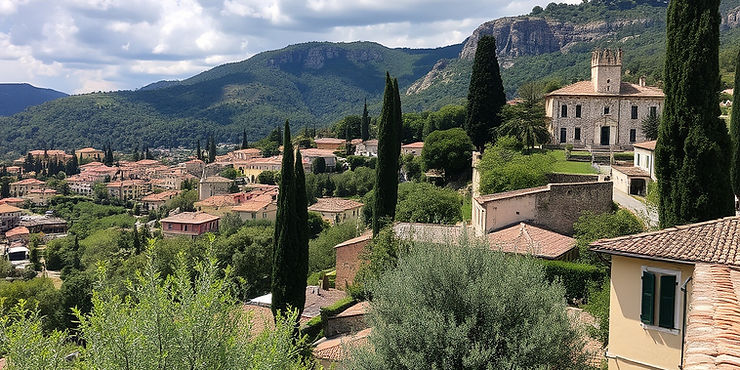
Grasse is the perfume capital of the world. Visitors can tour perfume factories and museums to learn about the art of fragrance making. The town’s old streets and hilltop views add to its charm.
Vence
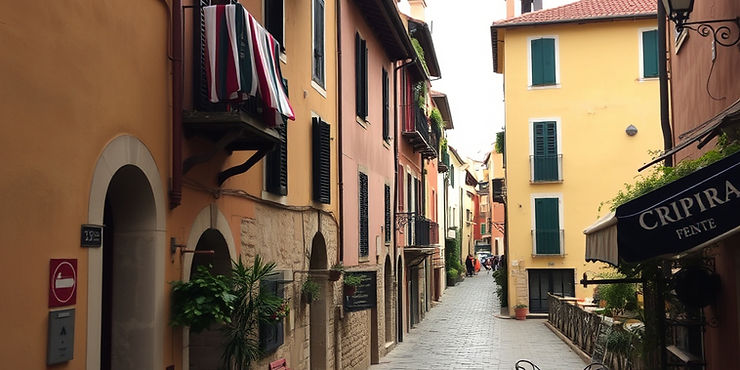
Vence is an artistic town with a medieval center and several galleries. The Chapelle du Rosaire, decorated by Henri Matisse, is a must-see. Vence also hosts a popular weekly market.
Saint-Paul-de-Vence
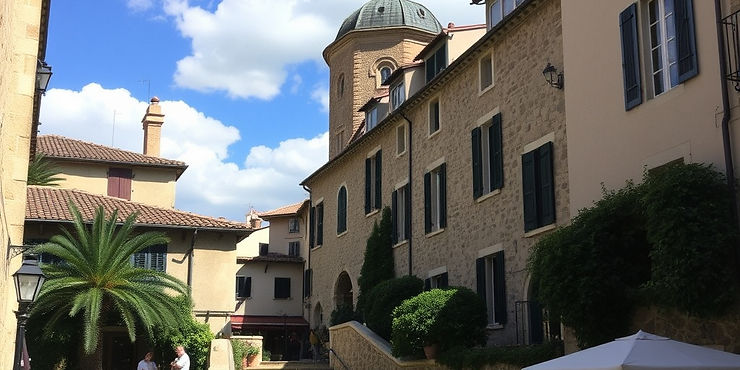
This hilltop village is famous for its art galleries and museums. It has attracted many artists over the years, including Marc Chagall. The village walls and narrow streets create a timeless atmosphere.
Mougins
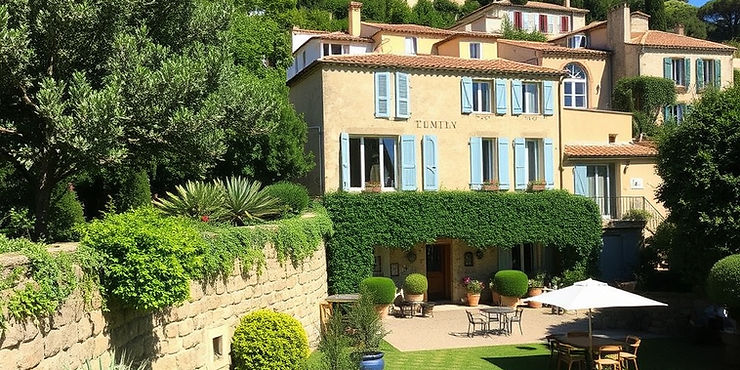
Mougins is known for its gourmet restaurants and art scene. It has a medieval old town with cobbled streets and panoramic views of the Riviera. The town hosts an annual photography festival.
Exploring the French Riviera
Travelers to the French Riviera can enjoy a mix of experiences, from sunbathing on sandy beaches to exploring historic towns and indulging in world-class cuisine. The region’s diversity means there is something for every type of visitor.
- Transportation: The Riviera is well connected by train and bus, making it easy to visit multiple towns in one trip. Renting a car allows for more flexibility, especially to reach inland villages.
- Best time to visit: Spring and early autumn offer pleasant weather and fewer crowds. Summer is lively but can be crowded and expensive.
- Activities: Sailing, hiking coastal paths, visiting museums, and attending festivals are popular ways to enjoy the region.
The French Riviera’s combination of natural beauty, cultural richness, and vibrant lifestyle makes it a destination worth exploring beyond the usual tourist spots.
Why Visit the French Riviera?
The French Riviera (Côte d’Azur) is one of the most glamorous and scenic coastlines in Europe. From the colorful old town of Nice to the red-carpet energy of Cannes and the luxury lifestyle of Monaco, this Mediterranean region blends beaches, culture, history, and world-class cuisine.
Whether you’re seeking yacht-lined harbors in Saint-Tropez, charming cobblestone villages like Èze, or vibrant seaside promenades in Antibes, the Riviera offers something for every traveler. It’s a destination that feels both timeless and effortlessly chic — perfect for romance, adventure, and unforgettable coastal views.
Frequently Asked Questions About the French Riviera
1. Where is the French Riviera located?
The French Riviera is located in southeastern France along the Mediterranean Sea. It stretches from near Toulon to the Italian border, including the independent microstate of Monaco.
2. What is the best time to visit the French Riviera?
The best time to visit is May through September for warm beach weather. July and August are the busiest months. For fewer crowds and lower prices, visit in May, June, or September.
3. Is the French Riviera expensive?
It can be, especially in places like Monaco and Saint-Tropez. However, you can find more affordable stays and dining options in cities like Nice, Antibes, and Menton.
4. How many days do you need in the French Riviera?
A minimum of 4–5 days allows you to explore two or three cities. For a relaxed experience covering multiple towns, 7–10 days is ideal.
5. Do you need a car to explore the French Riviera?
Not necessarily. The train system along the coast is efficient and connects major cities like Nice, Cannes, Antibes, and Monaco. A car is helpful for visiting hilltop villages and hidden beaches.
6. What are the must-see places on the French Riviera?
Top highlights include Nice’s Promenade des Anglais, the Cannes waterfront, Monaco’s Monte Carlo district, Saint-Tropez’s harbor, and the medieval village of Èze.


Leave a Reply