The French Riviera offers some of the most stunning coastal waters in Europe, making it a prime destination for spearfishing enthusiasts. With its clear blue seas, rocky reefs, and diverse marine life, the region provides excellent opportunities to catch a variety of fish species. This guide organizes the 25 best spearfishing spots by location, highlighting where to spear fish at each site for the best experience.
Nice Area
1. Cap de Nice
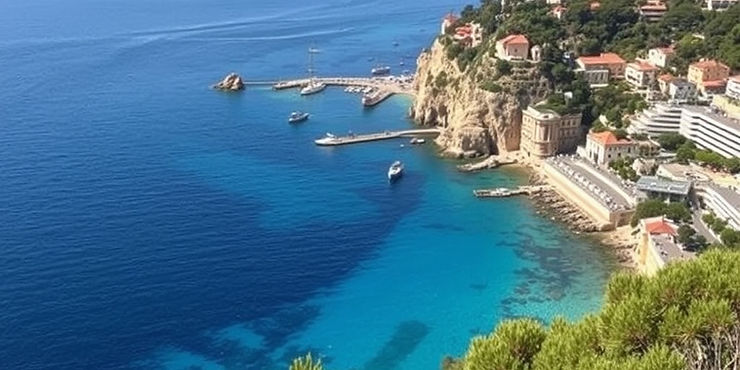
Cap de Nice is a dramatic rocky promontory just east of Nice, known for its underwater caves, steep ledges, and vibrant marine ecosystems. Spearfishers commonly encounter groupers, sea bream, and occasional dentex hiding among the rocky outcrops. The water clarity here is often excellent, especially in calm weather, allowing for great visibility along the reef lines. Moderate currents make it best suited for intermediate divers who are comfortable navigating structure.
Where to spearfish: Focus on the outer rocky points and submerged ledges at depths of 10–25 meters, particularly during early morning hours when fish are more active.
2. Baie des Anges
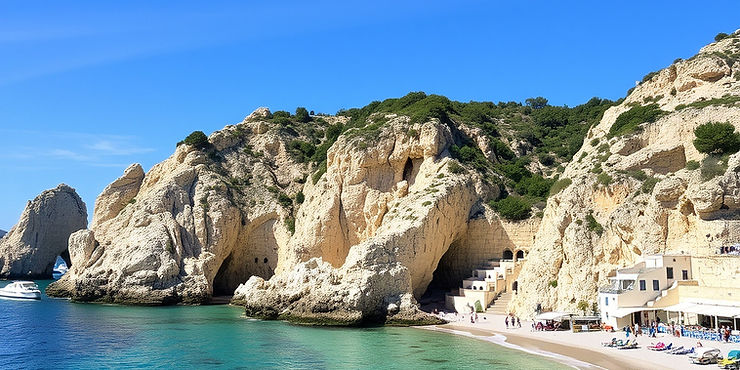
Baie des Anges stretches along the coastline of Nice and offers a mix of sandy seabeds and scattered rocky patches that attract various Mediterranean species. Dentex, wrasse, and smaller sea bream are common targets in this diverse underwater terrain. The bay’s generally sheltered waters make it a safer environment for beginners refining their breath-hold and aiming skills. Visibility is usually good, though conditions can change after storms or heavy boat traffic.
Where to spearfish: Work the transition zones where sand meets rock in 5–15 meters of water, as predatory fish patrol these edges for feeding opportunities.
3. Villefranche-sur-Mer
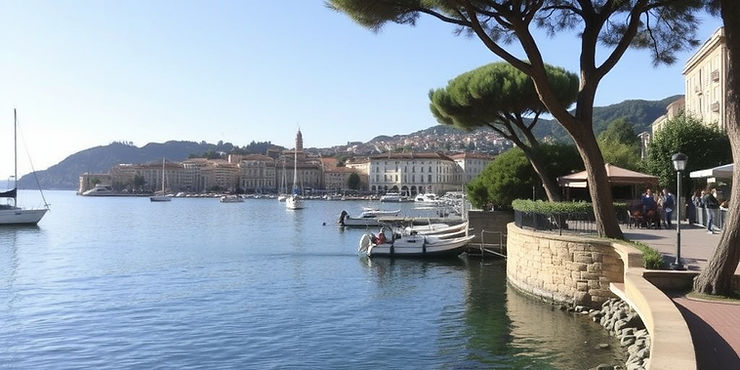
Villefranche-sur-Mer is famous for its deep natural harbor and steep underwater drop-offs that descend quickly from the shoreline. This area attracts larger pelagic species such as amberjack and sizable European sea bass, making it ideal for experienced spearfishers. The depth changes create thermoclines and current shifts that can influence fish movement throughout the day. Clear blue waters and dramatic cliff backdrops make this one of the Riviera’s most scenic dive spots.
Where to spearfish: Target the deeper cliff walls and drop-offs beyond 15 meters, especially near rocky headlands where baitfish gather and larger predators cruise.
Antibes and Juan-les-Pins
4. Cap d’Antibes
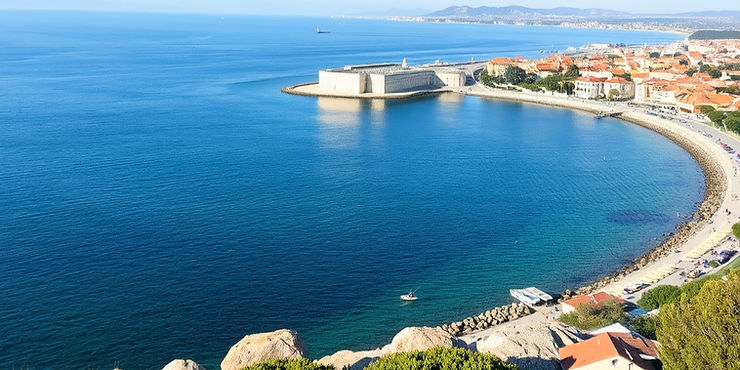
Cap d’Antibes is known for its dramatic underwater cliffs, rocky plateaus, and hidden caves that create ideal habitats for Mediterranean species. Spearfishers often encounter scorpionfish, moray eels, and sea bream tucked into narrow crevices and shaded overhangs. The terrain can be complex, requiring good buoyancy control and awareness of surge around exposed points. Water clarity is typically excellent in calm conditions, offering strong visibility along the reef edges.
Where to spearfish: Focus on rocky ledges and cave entrances between 8–20 meters, but always verify local marine protection zones and regulations before entering the water.
5. Juan-les-Pins Reef
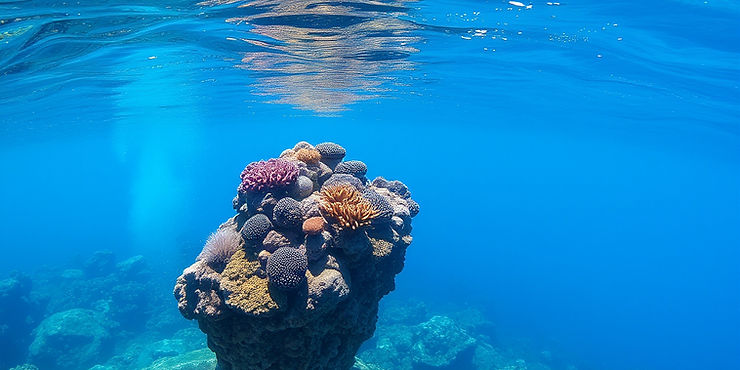
The reefs off Juan-les-Pins are rich in biodiversity, with schools of barracuda, sea bream, and occasional dentex patrolling the rocky seabed. This area combines shallow reef flats with deeper drop-offs, creating diverse hunting grounds for different skill levels. The rocky bottom provides excellent cover for fish, increasing the chances of close encounters. Calm mornings often deliver the best visibility and least disturbance from recreational boats.
Where to spearfish: Work along the reef edges and submerged rock piles in 10–18 meters of water, especially where baitfish schools gather.
6. Port Vauban
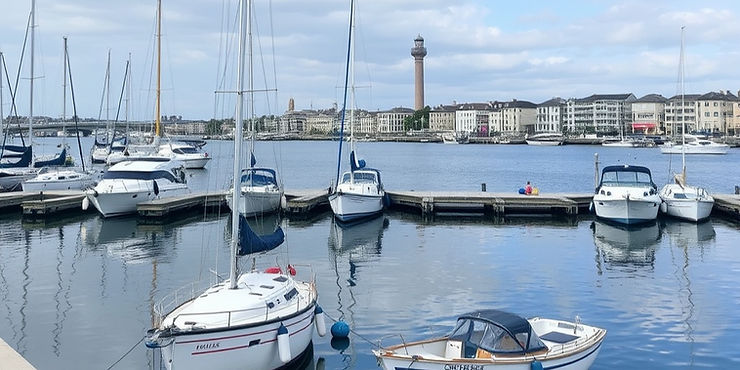
Located beside one of the largest marinas in Europe, Port Vauban offers a surprising variety of smaller fish species along its outer harbor structures. Mullet, small groupers, and sea bream are often found near rocky breakwaters and submerged walls. Because this is an active marina area, boat traffic can be heavy during the day. Visibility may vary depending on water movement and harbor activity.
Where to spearfish: Concentrate on the outer breakwaters and rocky edges outside restricted marina zones, and plan early morning dives to avoid boat traffic and ensure safer conditions.
Cannes Region
7. Lérins Islands
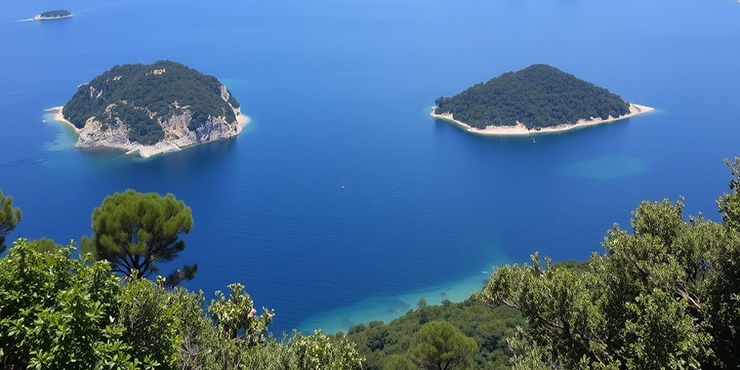
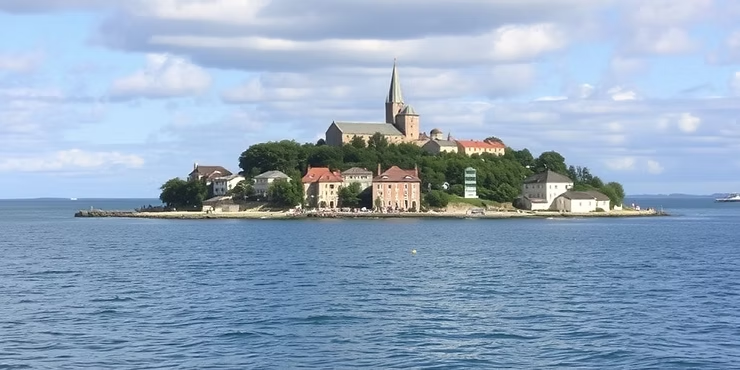
The Lérins Islands, located just offshore from Cannes, are considered one of the top spearfishing destinations along the French Riviera. The crystal-clear waters surrounding Île Sainte-Marguerite and Île Saint-Honorat are home to large dentex, amberjack, and healthy populations of sea bream. Rocky seabeds, underwater caves, and dramatic drop-offs create diverse habitats that attract both reef and pelagic species. Visibility is often excellent, particularly in calm summer conditions, making it ideal for experienced freedivers.
Where to spearfish: Target rocky plateaus and cave systems between 12–30 meters, especially along outer island points where currents bring in baitfish.
8. Pointe Croisette
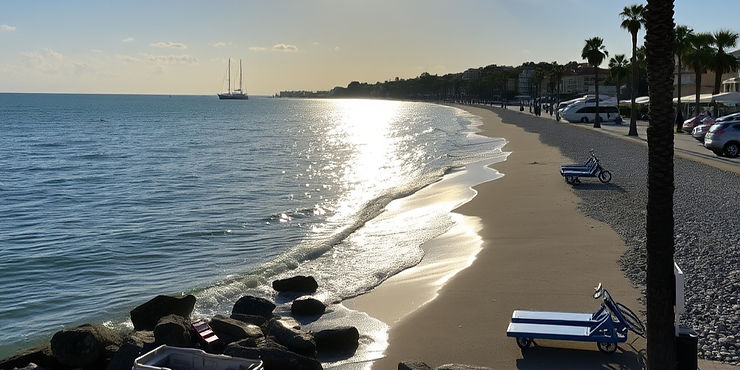
Pointe Croisette is a rugged rocky point extending into the Mediterranean, offering productive reef structure close to shore. Spearfishers frequently encounter sea bass, wrasse, and occasional dentex cruising along the ledges. Moderate currents can develop around the point, requiring good breath-hold control and awareness of drift. The mix of shallow reef and deeper sections makes it appealing to intermediate divers. Where to spearfish: Work the rocky drop-offs and submerged boulders in 8–20 meters of water, focusing on areas where current lines concentrate baitfish.
9. La Bocca Beach
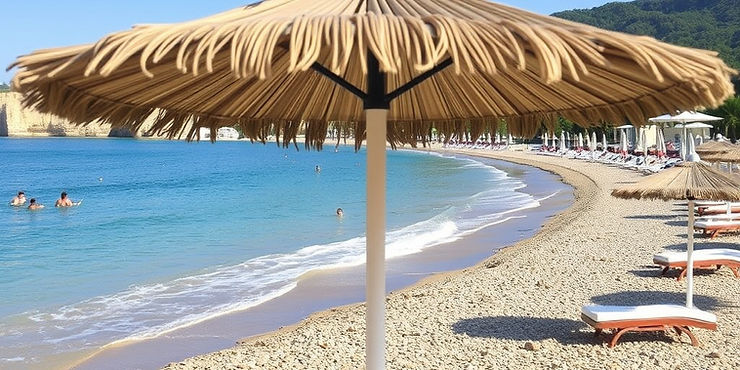
La Bocca Beach offers a combination of sandy stretches and scattered rocky formations that attract smaller Mediterranean species. Sea bream, mullet, and small groupers are commonly found near rocky patches and artificial structures. The relatively shallow waters make it accessible for beginners looking to build confidence and practice technique. Conditions are generally calm, though visibility can vary depending on weather and surf.
Where to spearfish: Concentrate on the sand-to-rock transition zones in 5–12 meters of water, particularly during early morning hours when fish move in to feed.
Saint-Tropez Area
10. Cap Camarat
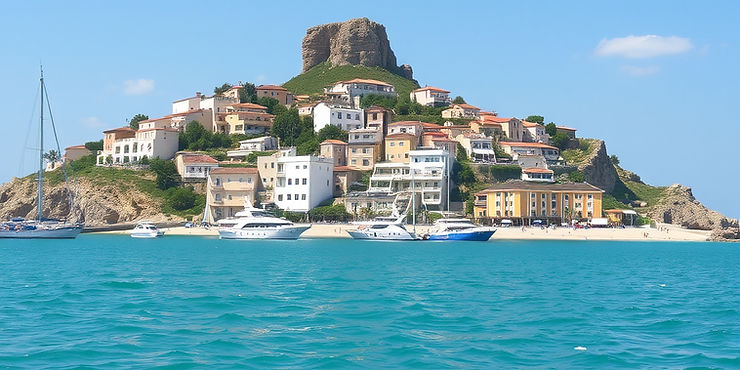
Cap Camarat is a rugged headland on the Var coastline, known for its rocky reefs, submerged ledges, and expansive seagrass beds. These habitats attract dentex, European sea bass, and well-camouflaged scorpionfish hiding among rocks and Posidonia grass. The area tends to be less crowded than central Riviera hotspots, offering a quieter and more immersive spearfishing experience. Clear waters and varied depth contours make it appealing to intermediate and advanced divers.
Where to spearfish: Focus on reef edges and seagrass drop-offs between 10–25 meters, especially along the outer points where fish patrol for prey.
11. Plage de Pampelonne
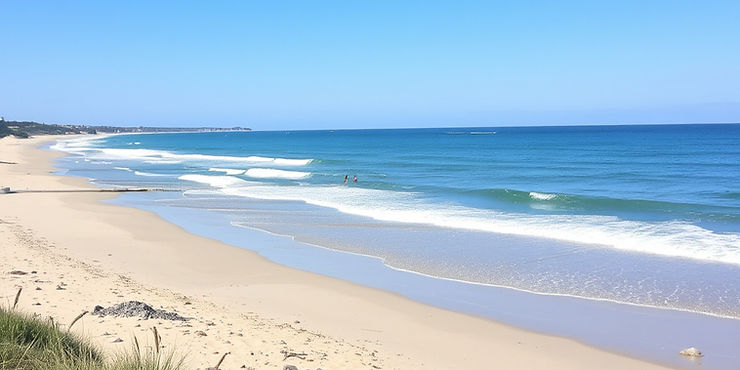
Plage de Pampelonne is one of the Riviera’s most famous beaches, but beyond its sandy stretch lie productive rocky zones along the edges. Spearfishers can find wrasse, sea bream, and small groupers near submerged rock piles and reef fragments. The water is usually calm, particularly in summer, making it suitable for a range of skill levels. Visibility is often good, though boat activity increases during peak season.
Where to spearfish: Work the rocky margins at both ends of the beach in 5–15 meters of water, concentrating on early mornings before heavy boat traffic begins.
12. Port Grimaud
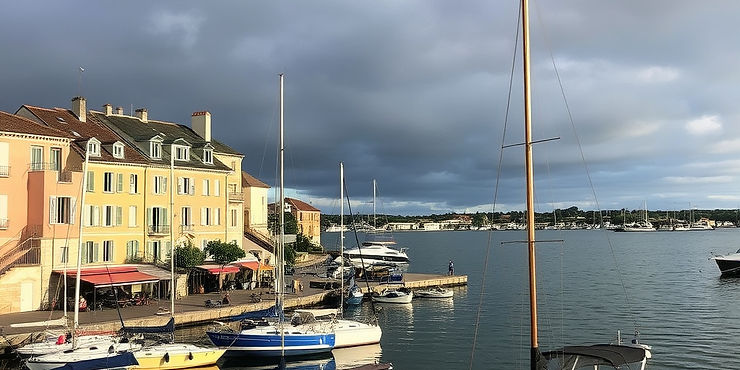
Port Grimaud blends canals, marina structures, and nearby natural rocky shores, creating a mix of urban and coastal marine environments. Mullet, sea bream, and smaller reef species are commonly spotted near breakwaters and outer harbor walls. The surrounding coastline offers clearer water and more natural reef formations compared to the inner canals. Because it is an active boating area, timing and awareness are important for safety.
Where to spearfish: Target the outer rocky shores and breakwaters outside restricted marina zones, preferably at dawn when fish are active and boat traffic is minimal.
Menton and Monaco
13. Cap Martin
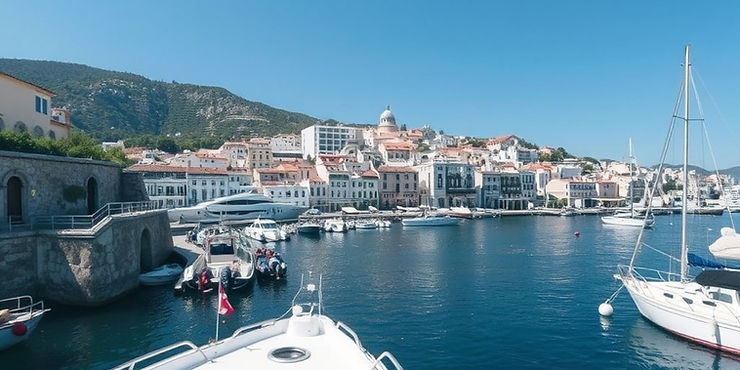
Cap Martin features a rugged rocky coastline with submerged ledges, crevices, and underwater caves that create ideal shelter for Mediterranean reef species. Scorpionfish and moray eels are commonly found hiding within cracks and shaded rock formations. The varied underwater terrain provides both shallow hunting grounds and deeper drop-offs for more experienced divers. Water clarity is typically very good, especially during calm weather conditions.
Where to spearfish: Focus on cave entrances and rocky shelves between 8–20 meters, particularly along outer points where fish shelter from currents.
14. Monaco Bay
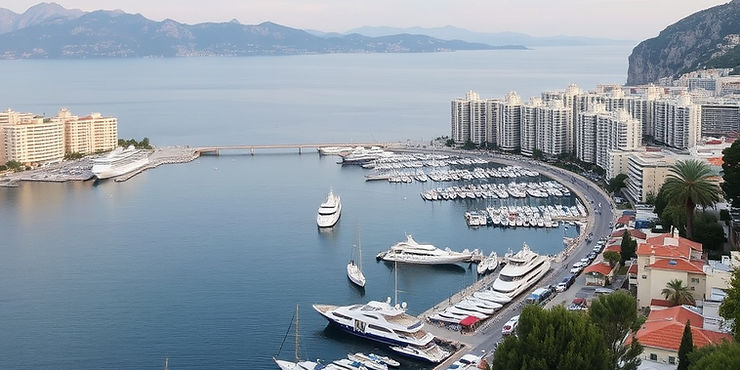
Monaco Bay offers surprisingly productive spearfishing opportunities despite its glamorous urban backdrop. Clear waters and rocky seabeds attract sea bass, dentex, and other reef species near harbor walls and offshore rock structures. Depth changes around breakwaters create feeding zones where predatory fish patrol. Because of active maritime traffic, divers must pay close attention to local regulations and restricted areas.
Where to spearfish: Target rocky reefs and outer harbor walls outside protected zones, especially during early morning hours when boat activity is lower.
15. Menton Coastline
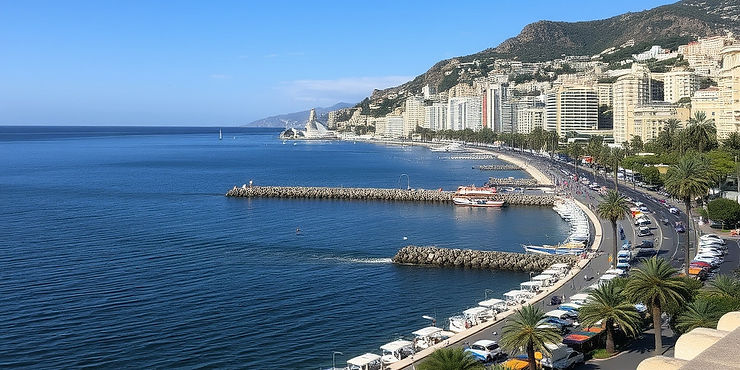
The Menton coastline combines rocky reefs with seagrass beds, forming a diverse habitat for smaller Mediterranean species. Wrasse, sea bream, and small groupers are often found weaving through rock formations and grassy patches. The waters here are generally calm and clear, making it an accessible area for beginners building confidence. Gradual depth transitions allow divers to explore safely without steep drop-offs.
Where to spearfish: Work along reef edges and seagrass boundaries in 5–15 meters of water, focusing on quieter sections away from busy beaches.
Toulon and Hyères
16. Îles d’Hyères
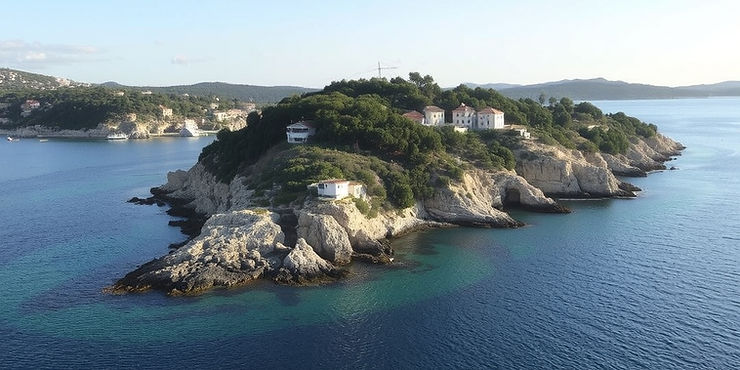
Also known as the Golden Islands, the Îles d’Hyères are widely considered a spearfishing paradise thanks to their crystal-clear waters and thriving marine ecosystems. Dentex, amberjack, and even large groupers patrol the reefs and deeper drop-offs surrounding the islands. The rocky seabed, underwater caves, and dramatic ledges create ideal ambush points for experienced freedivers. Protected zones exist in certain areas, so checking local marine park regulations is essential before diving. Where to spearfish: Focus on outer reef edges and deep rocky drop-offs between 15–30 meters, particularly along current-exposed points where baitfish concentrate.
17. Cap Sicié
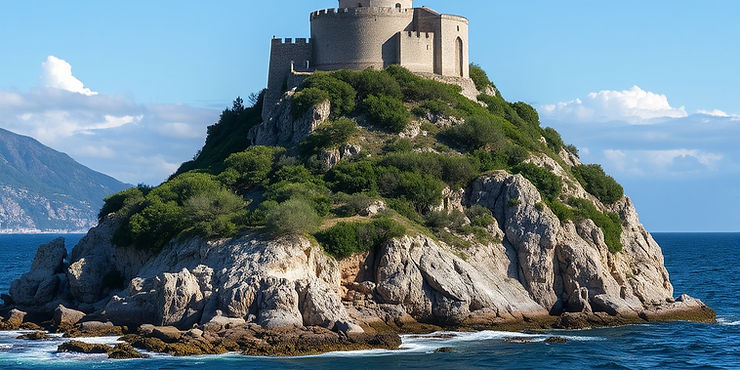
Cap Sicié is known for its steep underwater cliffs and rugged reef systems that descend quickly into deeper blue water. Spearfishers frequently encounter scorpionfish, sea bass, and other reef predators along the rocky formations. The underwater terrain is dramatic, with sudden depth changes that attract larger fish species. Strong currents can develop around exposed headlands, requiring confidence and solid dive planning. Where to spearfish: Targ
et cliff bases and reef walls beyond 12 meters, especially where current lines push baitfish against the rocks.
18. Tamaris Beach
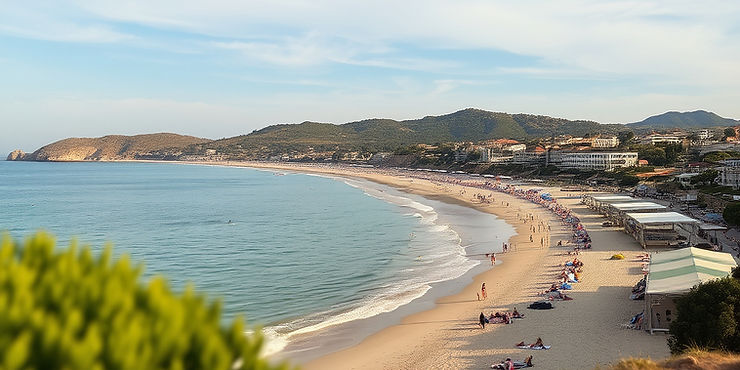
Tamaris Beach offers a mix of sandy seabeds and scattered rocky structures that create feeding grounds for smaller Mediterranean species. Sea bream, wrasse, and mullet are commonly found along the sand-to-rock transition zones. The area tends to be less crowded than central Riviera hotspots, offering a quieter and more relaxed experience. Calm waters and gradual depth changes make it accessible for beginners and intermediate divers alike.
Where to spearfish: Work the rocky patches and seabed transitions in 5–12 meters of water, particularly during early mornings when fish move into shallower areas to feed..
Other Notable Spots
19. Calanques de Cassis
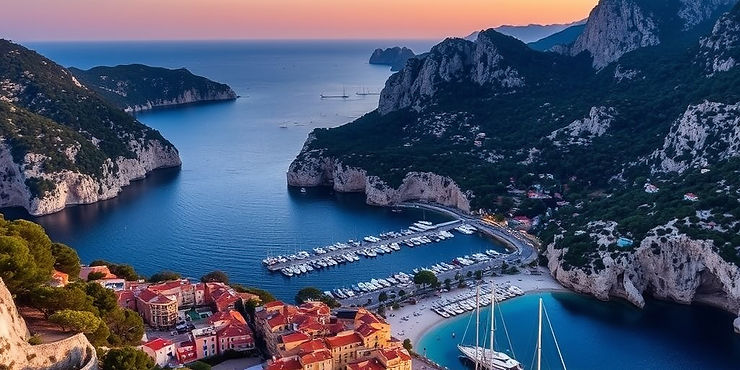
Though slightly west of the traditional Riviera boundary, the Calanques are legendary for their towering limestone cliffs and deep, crystal-clear waters. The dramatic underwater drop-offs attract large groupers, dentex, and other powerful reef predators. The combination of depth, caves, and current-exposed points makes this area better suited for advanced divers. Visibility can be exceptional, especially during calm weather. Where to spearfish: Focus on deep cliff bases and submerged rock ledges beyond 15–30 meters, always checking protected zone regulations before diving.
20. Saint-Raphaël
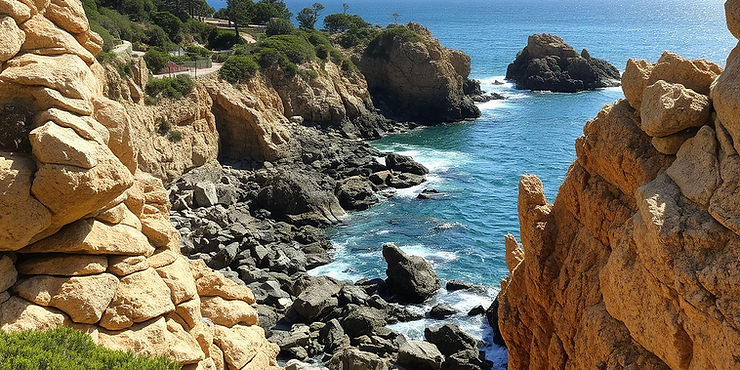
The rocky coastline near Saint-Raphaël offers productive reef systems with plenty of underwater caves and crevices. Sea bass, wrasse, and sea bream are commonly found cruising along the ledges. The volcanic rock formations create natural ambush points for predatory species. Conditions vary depending on wind exposure, but many sheltered pockets offer good visibility.
Where to spearfish: Target rocky outcrops and cave entrances in 8–20 meters of water, especially near headlands with light current movement.
21. Cap d’Antibes (East Side)
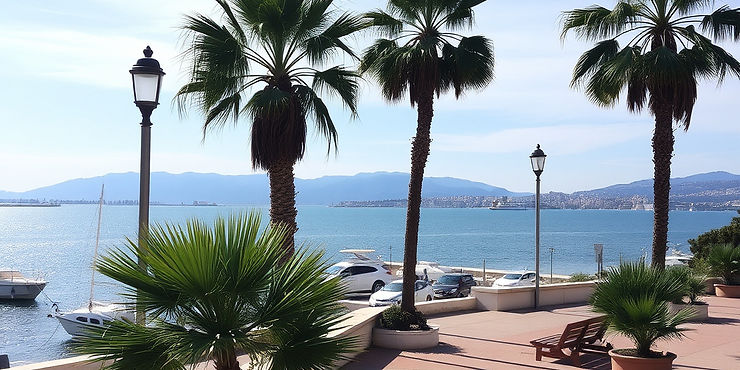
The eastern side of Cap d’Antibes is less frequented and offers quieter reef systems and healthy seagrass beds. Scorpionfish and small groupers hide among rocks and Posidonia grass, providing steady action for patient divers. The terrain includes shallow reefs that slope gradually into deeper water. Clear conditions are common during calm mornings.
Where to spearfish: Work along reef edges and seagrass boundaries between 6–18 meters, particularly in less trafficked areas away from main boat routes.
22. Port-Cros National Park
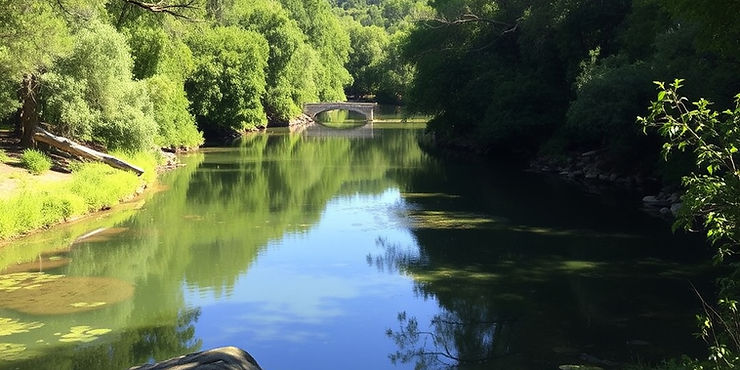
Port-Cros National Park is renowned for some of the richest marine biodiversity in the Mediterranean. Large groupers, dentex, and schools of sea bream thrive in these protected waters. However, strict conservation regulations apply, and spearfishing is generally prohibited or heavily restricted within park boundaries. The pristine reefs and clear water make it visually spectacular even if only explored by snorkeling or scuba. Where to spearfish: Only in legally permitted zones outside the protected core areas, and always verify current regulations before planning a dive.
23. Agay Bay
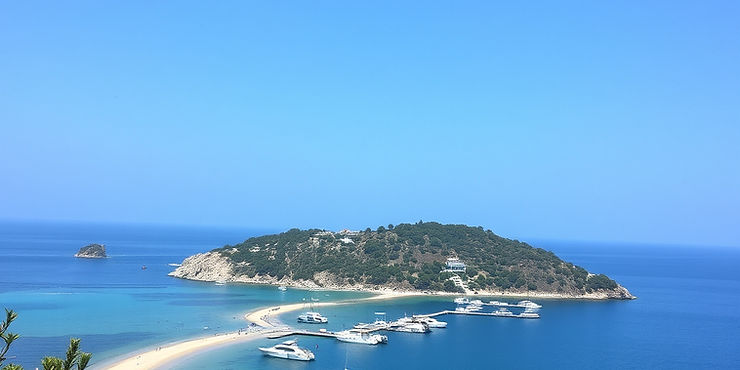
Agay Bay combines rocky reefs with sandy seabeds, creating productive feeding zones for dentex and sea bream. The bay’s sheltered setting often results in calmer waters compared to more exposed headlands. Gradual depth transitions make it accessible to divers of various experience levels. Fish activity tends to increase along reef edges during early morning hours.
Where to spearfish: Focus on rocky patches and sand-to-reef transitions in 5–15 meters of water where predatory fish patrol.
24. Saint-Jean-Cap-Ferrat
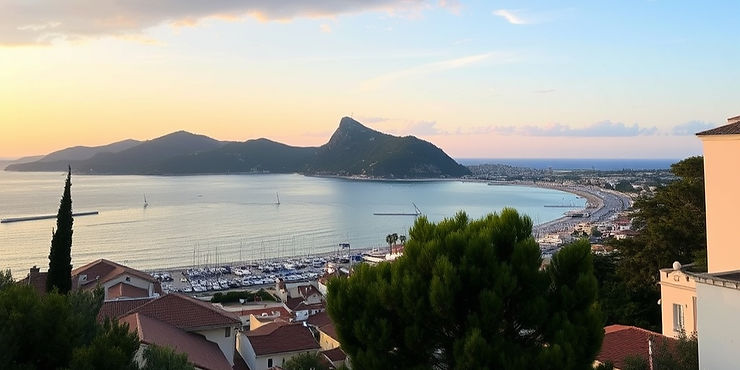
This scenic peninsula offers rugged rocky shores, underwater caves, and dramatic drop-offs close to land. Amberjack and groupers are occasionally spotted cruising near cliff bases and deeper reef structures. The clear blue waters provide excellent visibility for spotting larger species. Boat traffic can increase during peak season, so timing is important.
Where to spearfish: Target cliff walls and deeper rocky ledges beyond 12 meters, especially along outer points exposed to mild currents.
25. Théoule-sur-Mer
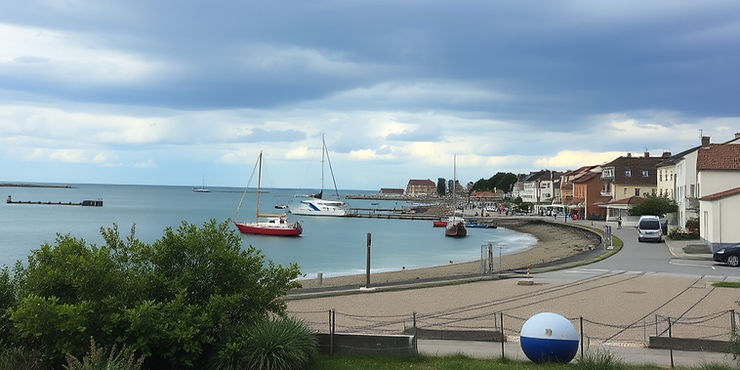
Théoule-sur-Mer features a striking red-rock coastline with reefs and submerged boulders that shelter scorpionfish and wrasse. The clear waters and moderate currents create ideal conditions for reef hunting. The varied underwater terrain offers both shallow and mid-depth opportunities. It remains a favorite among local spearfishers seeking productive yet scenic dive sites.
Where to spearfish: Work rocky drop-offs and boulder fields between 8–20 meters, focusing on current-swept points where baitfish gather.
Conclusion
The French Riviera (Côte d’Azur) offers some of the most diverse spearfishing environments in the Mediterranean — from rocky headlands and underwater caves to seagrass beds and deep drop-offs. Locations near Nice, Cannes, Saint-Raphaël, and the Golden Islands near Îles d’Hyères provide a wide range of species and underwater landscapes for different skill levels. Whether you prefer calm beginner-friendly bays or challenging deep-water cliffs, the Riviera combines clear visibility with rich marine life.
However, spearfishing in this region requires careful attention to local laws, marine protected areas, seasonal restrictions, and safety practices. Always check regulations before diving, respect conservation zones, and prioritize responsible harvesting. With proper planning, the French Riviera can deliver an unforgettable and rewarding spearfishing experience.
Frequently Asked Questions (FAQ)
Is spearfishing allowed on the French Riviera?
Yes, but it is regulated. You must follow French fishing laws, size limits, seasonal rules, and avoid protected marine zones.
Do you need a license to spearfish in France?
Recreational spearfishing in France generally does not require a special license, but you must comply with national regulations and local restrictions.
Can you spearfish in marine parks?
In many protected areas — such as parts of Port-Cros National Park — spearfishing is restricted or prohibited. Always verify current rules before entering.
What are the best fish to target on the Riviera?
Common species include sea bass, dentex, sea bream, amberjack, wrasse, scorpionfish, and small groupers (depending on location and season).
When is the best time for spearfishing?
Early morning hours typically offer the best visibility and fish activity. Conditions are often ideal during calm weather periods.
Is the water clear enough for spearfishing?
Yes. The Riviera is known for excellent water clarity, especially around rocky reefs, islands, and offshore headlands.
Is spearfishing suitable for beginners?
Yes, in sheltered bays with shallow reefs. However, stronger currents, deeper drop-offs, and cave systems are better suited for experienced divers.


Leave a Reply