Fishing in the French Alps offers a unique blend of stunning natural beauty and rich aquatic life. Whether you are an experienced angler or a beginner, the region provides a variety of locations where you can enjoy peaceful moments by the water and the thrill of a catch. This guide highlights 25 of the best fishing spots across the French Alps, organized by location, to help you plan your next fishing adventure.
Fishing in Haute-Savoie
1. Lac d’Annecy
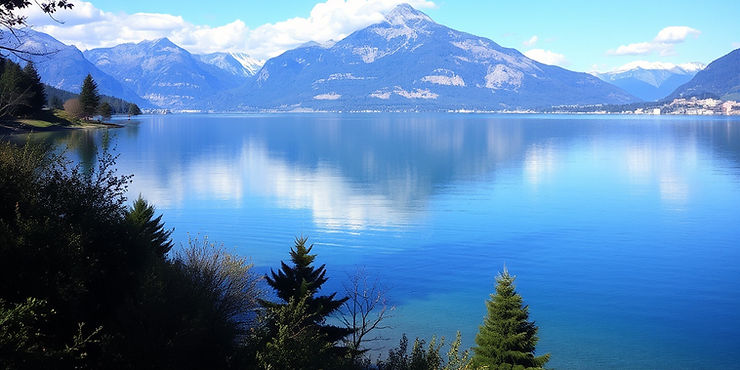
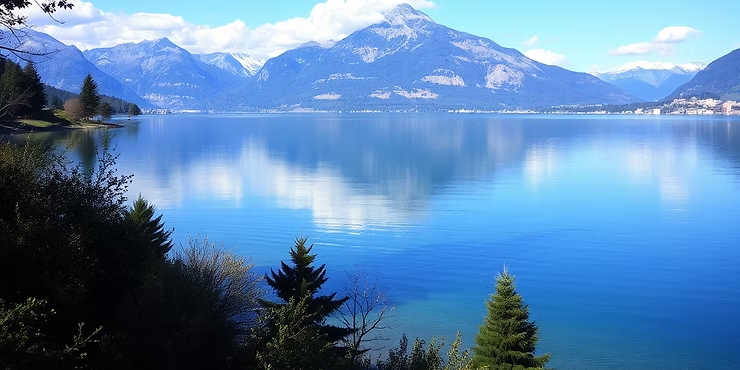
Lake Annecy is world-famous for its crystal-clear turquoise waters and breathtaking Alpine scenery. It’s one of the cleanest lakes in Europe and supports a healthy population of trout, pike, perch, Arctic char, and whitefish.
Types of Fishing:
- Shore fishing from designated public access points
- Boat fishing (small motorboats or rowboats)
- Fly fishing in select calmer inlets
- Trolling for deeper species like Arctic char
Where to Fish:The southern end near Doussard is excellent for pike, while deeper central sections are ideal for trolling trout and char. Perch are often found closer to rocky shorelines and docks. Fishing permits are required, and local tackle shops can provide up-to-date seasonal advice. Spring and early summer are especially productive.
2. Arve River
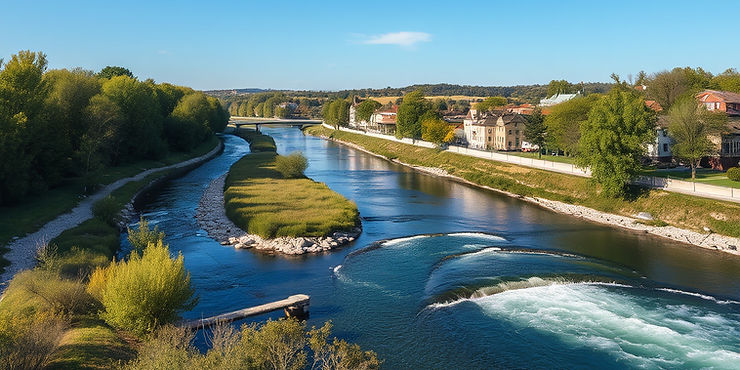
The Arve River flows through the heart of Haute-Savoie, offering classic Alpine river fishing with cold, fast-moving water. It’s particularly known for brown trout and rainbow trout, making it a favorite for experienced fly anglers.
Types of Fishing:
- Fly fishing (dry flies and nymphs)
- Light spinning with small lures
- Catch-and-release trout fishing in designated sections
Where to Fish:The upper reaches near Chamonix provide colder, oxygen-rich water ideal for trout. Mid-river stretches offer accessible banks and gravel bars for wading. Early morning and late afternoon are the best times, especially during late spring and early autumn when insect activity increases.
3. Lake Léman (French Shore)
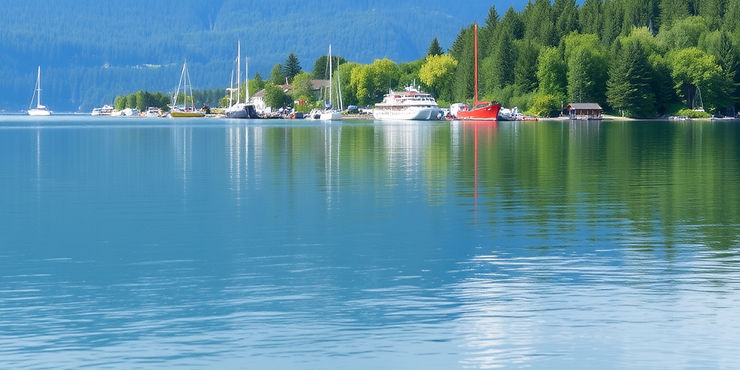
Also known as Lake Geneva, Lake Léman is one of Europe’s largest freshwater lakes. The French shoreline offers diverse fishing opportunities and stunning views of the surrounding Alps. Species include perch, pike, whitefish (féras), trout, and burbot.
Types of Fishing:
- Deep-water trolling
- Shore casting for perch and pike
- Night fishing for burbot
- Boat fishing for whitefish
Where to Fish:The areas near Thonon-les-Bains and Évian-les-Bains are popular access points with marinas and public piers. Rocky drop-offs and deeper offshore zones are best for whitefish and trout, while reed-lined shallows attract pike. Because of the lake’s size, it’s possible to find peaceful spots even during busy summer months. A valid French fishing license is required.
Fishing in Savoie
4. Lac du Bourget
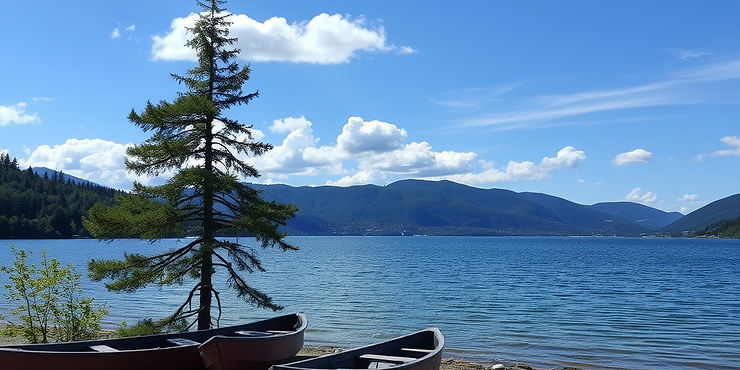
Lac du Bourget is the largest natural lake entirely within France and a prime destination for serious anglers. Its deep waters and expansive surface area create the perfect habitat for pike, perch, zander (pike-perch), whitefish, and lake trout. The lake’s healthy ecosystem supports both recreational and competitive fishing.
Types of Fishing:
- Boat trolling for trout and whitefish
- Spinning and lure fishing for pike and zander
- Shore fishing along accessible banks
- Night fishing for predatory species
Where to Fish:The northern end near Conjux is popular for pike, while deeper central zones are ideal for trolling trout and whitefish. Rocky drop-offs and weed beds along the shoreline attract perch and zander. A fishing permit is required, and early summer and autumn are particularly productive seasons.
5. Isère River
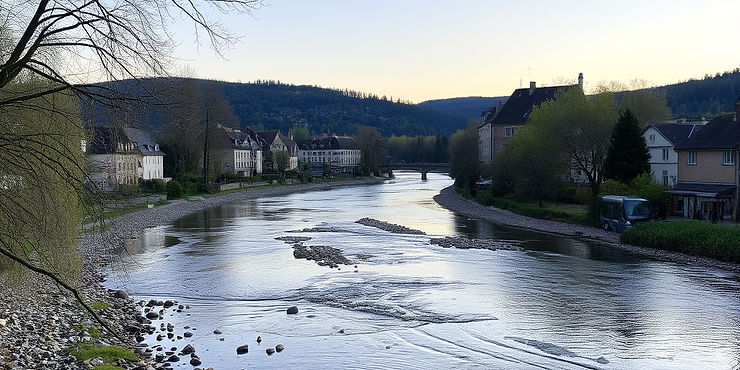
The Isère River is one of the most well-known trout rivers in the French Alps. Flowing through valleys and mountain landscapes, it offers a mix of calm pools and fast-moving currents, making it suitable for multiple fishing techniques. Brown trout and rainbow trout are the primary species found here.
Types of Fishing:
- Fly fishing (dry flies, nymphs, streamers)
- Spinning with lightweight lures
- Wading in shallow gravel sections
Where to Fish:Upper sections near alpine towns provide colder waters ideal for trout, while mid-river stretches offer easier bank access. Gravel bars and eddies are productive feeding spots. Spring and early fall are excellent times, especially after moderate rainfall when water levels stabilize.
6. Lake Aiguebelette
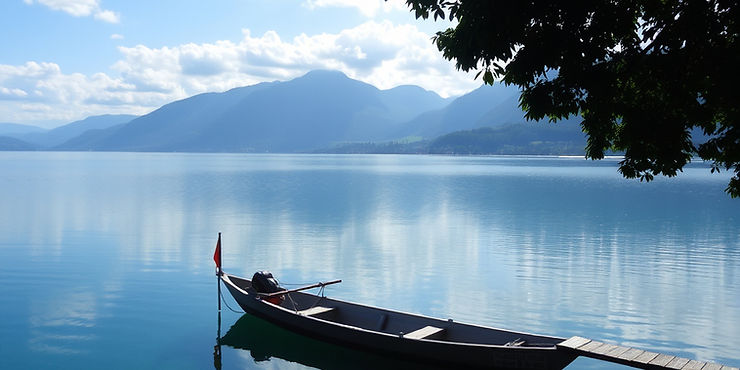
Lake Aiguebelette is smaller and quieter than some of the larger Alpine lakes, but it is rich in fish species and known for its peaceful setting. Anglers can expect trout, carp, perch, and pike, with clear waters that make sight fishing possible in certain areas.
Types of Fishing:
- Shore fishing from designated access points
- Carp fishing with bait setups
- Light spinning for perch and pike
- Float fishing in calm inlets
Where to Fish:The shallow bays and reed-lined sections are ideal for carp and pike, while deeper central areas hold trout. Because motorboats are restricted, the lake maintains a tranquil atmosphere, perfect for a relaxing fishing experience. Early morning and sunset are the most productive times to cast a line.
Fishing in Hautes-Alpes
7. Lake Serre-Ponçon
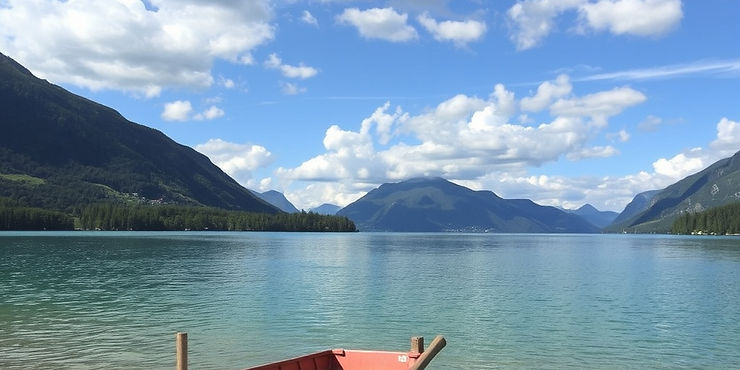
Lake Serre-Ponçon is one of the largest artificial lakes in Western Europe, located between the Hautes-Alpes and Alpes-de-Haute-Provence regions near Embrun. Surrounded by dramatic mountain scenery, it is a popular destination for anglers seeking pike, perch, and trout. The lake’s varied underwater terrain—ranging from submerged forests to rocky drop-offs—creates ideal habitats for predatory and freshwater species alike. Its size and depth allow fish populations to thrive throughout the year.
Types of Fishing:
- Shore fishing along accessible beaches and rocky banks
- Boat fishing for deeper-water predators
- Spinning for pike and perch
- Trolling in open water
- Still fishing with bait for trout
Where to Fish:
The shallow coves and submerged vegetation zones are prime areas for pike, while rocky drop-offs and deeper channels hold perch and trout. Areas near the dam and river inlets can also be productive due to moving water and oxygen flow. Early morning and late evening offer the best chances for active feeding.
8. River Durance
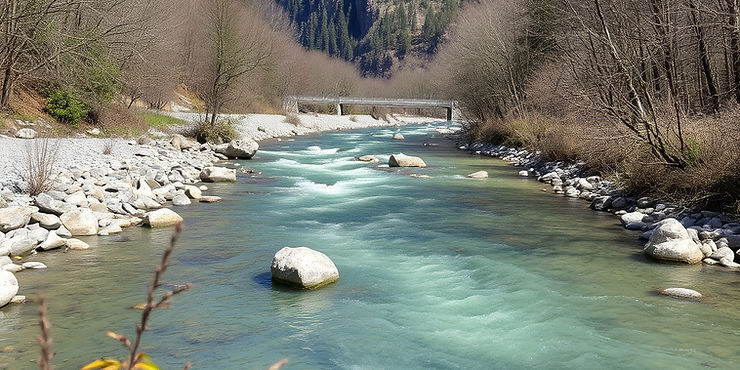
River Durance flows through southeastern France and is especially known for its strong brown trout population, particularly near Briançon. The river provides clear, oxygen-rich waters that create ideal conditions for fly fishing. Its natural flow, gravel beds, and varied currents support healthy trout habitats, making it a favorite among traditional anglers.
Types of Fishing:
- Fly fishing with dry flies and nymphs
- Light spinning in faster currents
- Wading in shallow runs
- Drift fishing in moderate-flow sections
Where to Fish:
Look for trout in deeper pools behind rocks, undercut banks, and slower eddies along bends in the river. Faster riffles are productive during insect hatches. Spring and early summer are particularly rewarding, though autumn also offers strong trout activity.
9. Lake Embrun
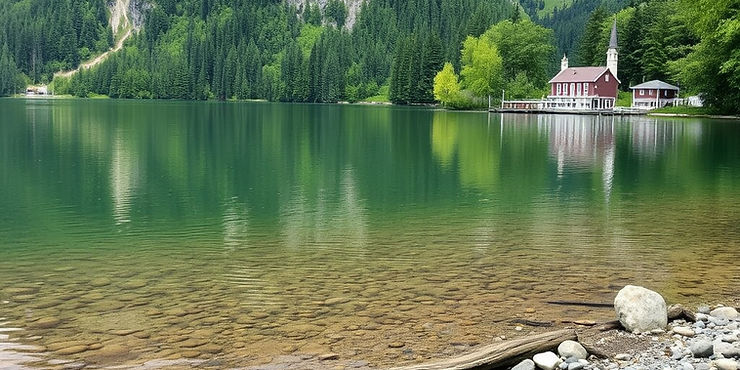
Lake Embrun, located near Embrun and connected to the larger Lac de Serre-Ponçon system, provides a mix of shore and boat fishing opportunities. Known for its trout and whitefish populations, the lake offers calm waters framed by alpine peaks. Its accessibility makes it suitable for both experienced anglers and families looking for a relaxed fishing day.
Types of Fishing:
- Shore fishing from designated areas
- Boat fishing in deeper zones
- Float fishing for whitefish
- Spinning for trout near drop-offs
Where to Fish:
Shallow shoreline sections are productive for trout in cooler months, while deeper central waters hold whitefish year-round. Areas near inflows are particularly active due to natural feeding zones. Fishing is most productive in the early morning and just before sunset when fish move closer to shore.
Fishing in Isère
10. River Drac
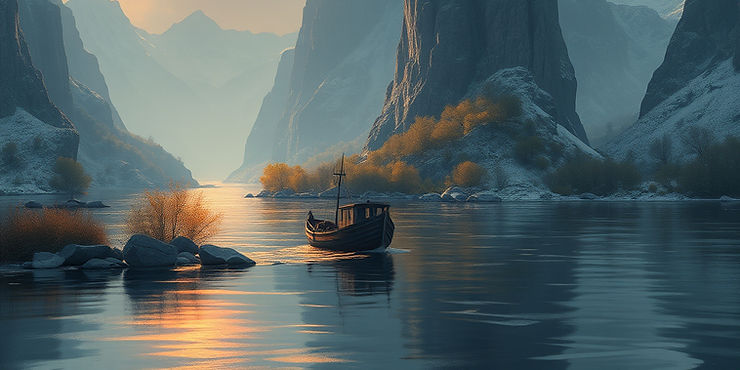
The River Drac is a tributary of the Isère River and flows near the city of Grenoble. It is well-regarded for trout fishing thanks to its rocky riverbed, steady current, and clean alpine waters. These natural conditions create an ideal habitat for wild trout and support a balanced freshwater ecosystem. Anglers appreciate both the accessibility and the scenic mountain backdrop.
Types of Fishing:
- Fly fishing with dry flies and nymphs
- Light spinning in moderate currents
- Wading in shallow riffles
- Drift fishing through deeper pools
Where to Fish:
Target trout in deeper pools behind large rocks and along undercut banks. Faster-flowing sections oxygenate the water and attract feeding fish, especially during insect hatches. Early morning and overcast days typically provide the most productive conditions.
11. Lake Paladru
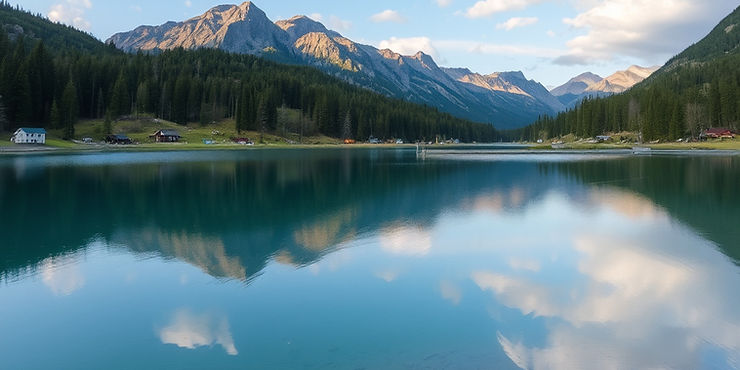
Lake Paladru, located in the Isère department near Voiron, is known for its striking turquoise waters and abundant fish species. Anglers commonly catch pike, perch, and carp in its calm, clear environment. The lake’s balanced ecosystem and gentle shoreline make it suitable for both beginners and experienced anglers. Its peaceful atmosphere adds to the overall fishing experience.
Types of Fishing:
- Shore fishing from public access points
- Boat fishing for deeper-water species
- Carp fishing with bait rigs
- Spinning for perch and pike
- Float fishing in sheltered coves
Where to Fish:
Reed-lined shallows are ideal for carp and pike, while deeper central waters hold perch. Rocky drop-offs can also be productive for predatory fish. Early mornings and late afternoons are typically the best times to cast a line.
12. River Romanche
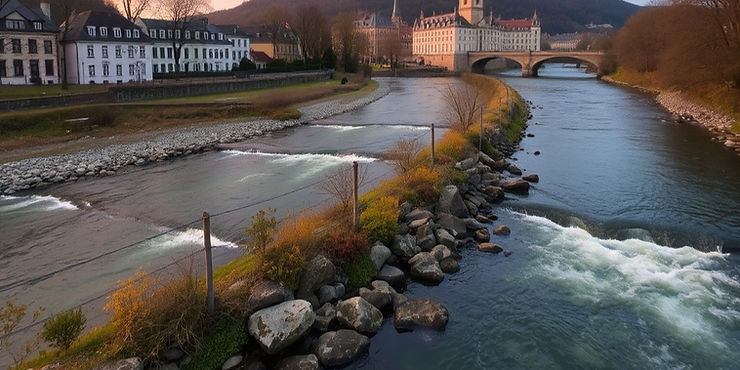
The River Romanche flows through mountainous terrain in southeastern France, passing near Le Bourg-d’Oisans before joining the Isère River. It offers excellent fly fishing opportunities, particularly for brown trout. With its fast-moving currents, gravel beds, and alpine surroundings, the river provides both scenic beauty and strong fishing potential.
Types of Fishing:
- Traditional fly fishing
- Nymph fishing in deeper channels
- Light spinning in calmer stretches
- Wading in accessible shallow runs
Where to Fish:
Focus on slower pools between rapids, undercut banks, and areas where tributaries enter the river. Trout often hold near submerged rocks or in deeper runs where currents break. Spring and early summer are prime seasons, though autumn can also deliver consistent results.
Fishing in Haut-Savoie
13. Lake Geneva (French Shore)
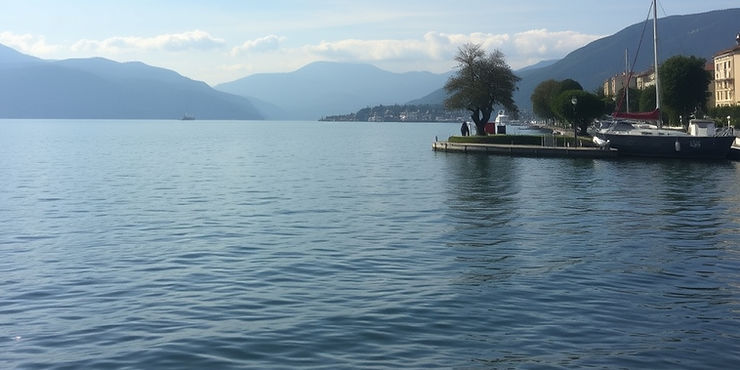
The French shore of Lake Geneva—also known as Lac Léman—offers diverse fishing opportunities along towns such as Thonon-les-Bains and Évian-les-Bains. This vast alpine lake is home to perch, pike, and whitefish, along with other freshwater species that thrive in its deep, oxygen-rich waters. Its immense size creates a variety of fishing environments, from shallow shoreline zones to deep offshore drop-offs.
Types of Fishing:
- Shore fishing from promenades and piers
- Boat fishing in deeper waters
- Trolling for pike and lake trout
- Vertical jigging for perch
- Float fishing for whitefish
Where to Fish:
Shallow bays and reed beds are productive for pike, while deeper waters farther from shore hold whitefish and perch. Areas near harbor entrances and underwater slopes can be especially active. Early morning and late evening are prime feeding times, particularly during warmer months.
14. River Fier
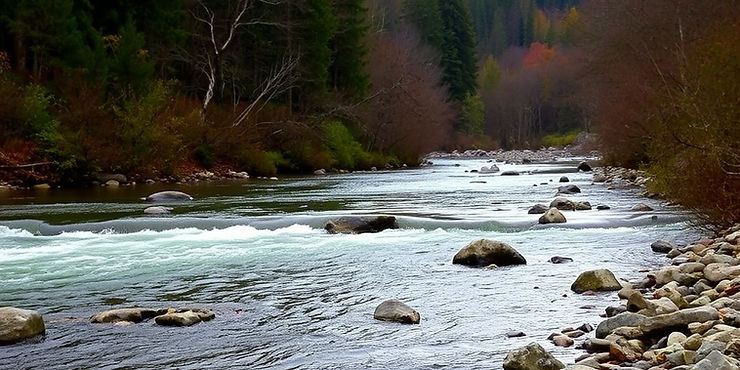
The River Fier flows through Haute-Savoie near Annecy and is known for its healthy trout population. Smaller and quieter than major alpine rivers, it attracts fly fishing enthusiasts seeking a peaceful setting. Clear waters, gravel beds, and natural vegetation create ideal spawning and feeding habitats for brown trout.
Types of Fishing:
- Fly fishing with dry flies and nymphs
- Light spinning in gentle currents
- Wading in shallow stretches
- Drift fishing in calm pools
Where to Fish:
Focus on shaded pools beneath overhanging trees and slower-moving sections behind rocks. Undercut banks and narrow bends often hold trout waiting for insects drifting downstream. Spring and early summer are particularly productive seasons.
15. Lake Passy
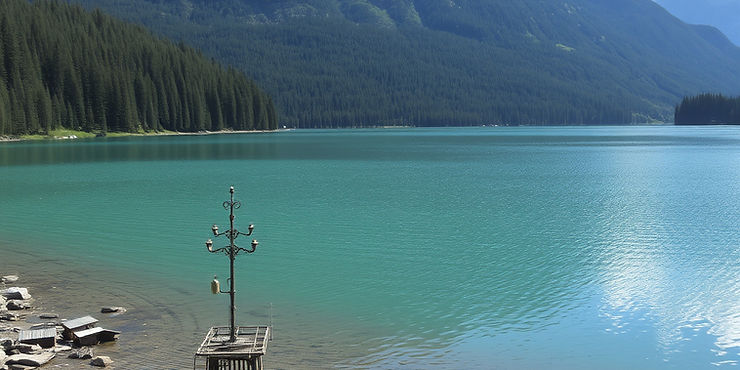
Lake Passy, located near Passy at the base of Mont Blanc, is a smaller alpine lake known for its clear waters and scenic mountain backdrop. It supports a healthy population of trout and offers a calm, accessible environment for anglers. The peaceful surroundings make it ideal for those looking to combine fishing with relaxation.
Types of Fishing:
- Shore fishing along designated areas
- Light spinning for trout
- Float fishing in calm sections
- Still fishing with natural bait
Where to Fish:
Shallow shoreline areas are productive during cooler parts of the day, while slightly deeper central waters hold trout during warmer periods. Fishing near inflows or shaded banks can increase success. Early morning and sunset provide the best conditions for active fish.
Fishing in Alpes-de-Haute-Provence
16. Verdon River
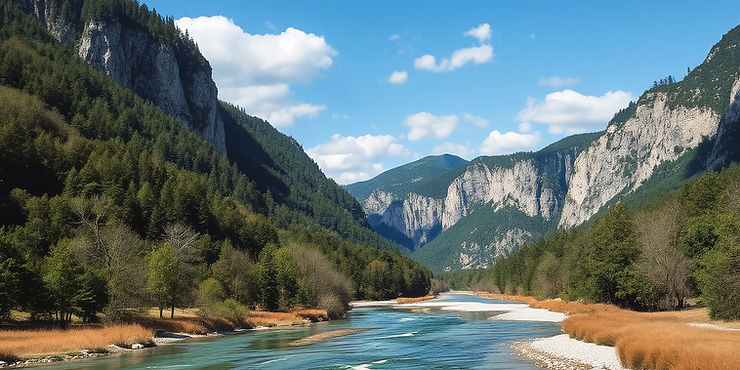
The Verdon River is famous for its striking turquoise waters and outstanding trout fishing. Flowing through the dramatic Verdon Gorge, the river offers anglers a rare combination of world-class scenery and productive waters. Cold, fast-moving currents and deep canyon pools create ideal habitats for healthy trout populations, making it one of Provence’s most rewarding freshwater fishing destinations.
Types of Fishing:
- Fly fishing with dry flies and nymphs
- Light spinning in steady currents
- Shore casting in calmer stretches
- Wading in shallow gravel runs
Where to Fish:
Focus on deeper pools below rapids and along canyon walls where trout seek shelter from strong currents. Eddies behind large rocks and shaded bends often hold feeding fish. Spring and early summer provide the best clarity and most active fishing conditions.
17. Lake Sainte-Croix
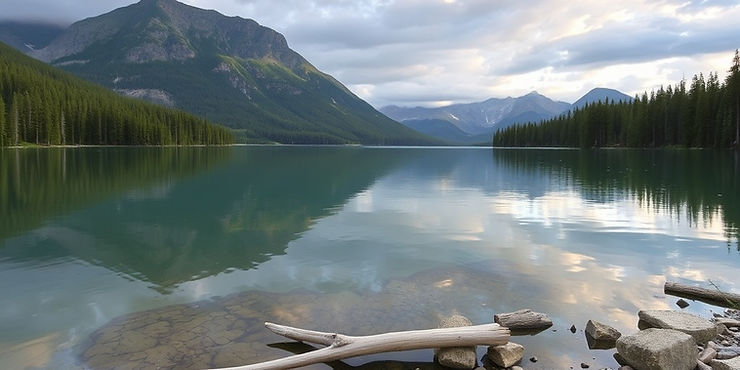
Lake Sainte-Croix is a large scenic reservoir located at the edge of the Verdon Gorge, known for its healthy populations of pike and perch. Its calm, expansive waters attract anglers who enjoy lake fishing with a variety of species to target. Surrounded by rolling hills and clear blue water, it offers both relaxation and consistent fishing opportunities.
Types of Fishing:
- Shore fishing along accessible banks
- Boat fishing over deeper sections
- Spinning with lures for pike
- Float fishing for perch
Where to Fish:
Target weed beds and shallow coves for perch, while deeper drop-offs and submerged structures are ideal for pike. Early morning and late afternoon are typically the most productive times, especially during warmer months.
18. Bléone River
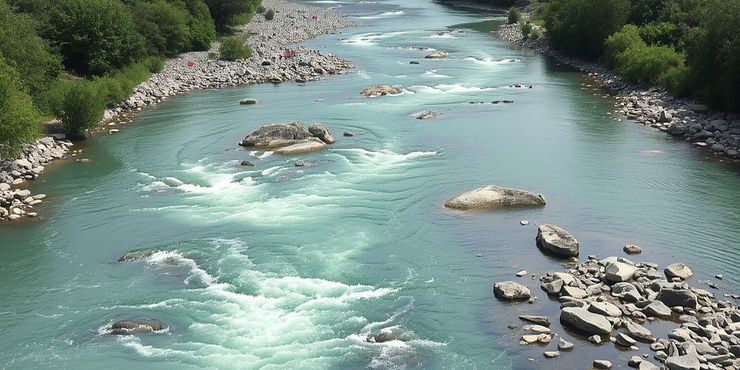
The Bléone River provides excellent fishing for trout and grayling in a peaceful alpine setting. Flowing through the Alpes-de-Haute-Provence region, its clear waters and natural surroundings make it a favorite among local anglers seeking a quieter alternative to larger rivers. Gravel beds, gentle runs, and shaded banks create productive feeding and spawning areas for wild fish.
Types of Fishing:
- Fly fishing with small dry flies
- Nymphing in deeper channels
- Light spinning in moderate currents
- Wading in shallow stretches
Where to Fish:
Look for slower-moving sections behind rocks, undercut banks, and shaded pools beneath overhanging trees. Late spring and early summer offer ideal water clarity and active feeding behavior, especially during early morning and evening hours.
Fishing in Drôme
19. Drôme River
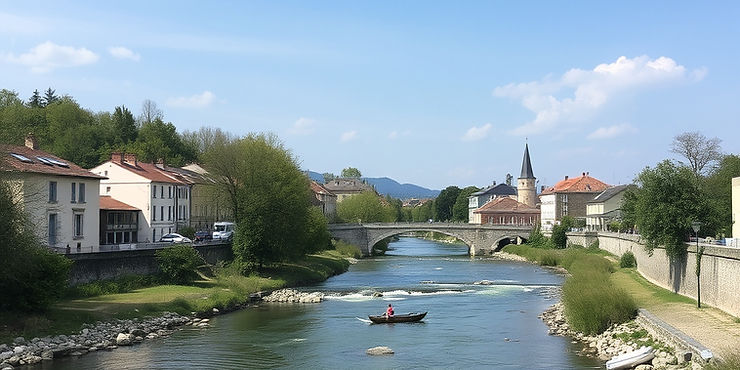
The Drôme River is a well-known trout river celebrated for its clear, cold waters and natural alpine scenery. Flowing through southeastern France, it offers outstanding fly fishing opportunities in a quiet and unspoiled environment. Its gravel beds, riffles, and steady currents create ideal conditions for healthy wild trout populations, attracting anglers who appreciate both sport and serenity.
Types of Fishing:
- Fly fishing with dry flies and nymphs
- Euro nymphing in faster currents
- Light spinning in deeper runs
- Wading in shallow gravel sections
Where to Fish:
Focus on riffles that transition into deeper pools, as trout often hold in these feeding lanes. Undercut banks and shaded stretches beneath trees can also be productive. Late spring through early summer provides optimal water clarity and insect activity.
20. Lake Monteynard-Avignonet
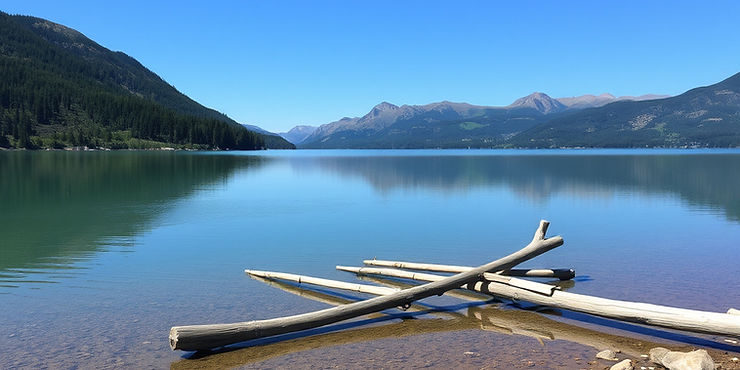
Lake Monteynard-Avignonet is a scenic mountain reservoir known for its populations of pike, perch, and trout. Surrounded by dramatic hills and open skies, it offers a peaceful yet productive fishing experience. The lake’s size and depth allow anglers to target multiple species while enjoying breathtaking alpine views.
Types of Fishing:
- Shore fishing along accessible banks
- Boat fishing over deeper waters
- Spinning with lures for pike
- Float fishing for perch and trout
Where to Fish:
Weed beds and rocky drop-offs are ideal for pike and perch, while trout are often found in cooler, deeper sections. Early mornings and evenings provide the most active feeding periods, especially during warmer months.
21. Eygues River
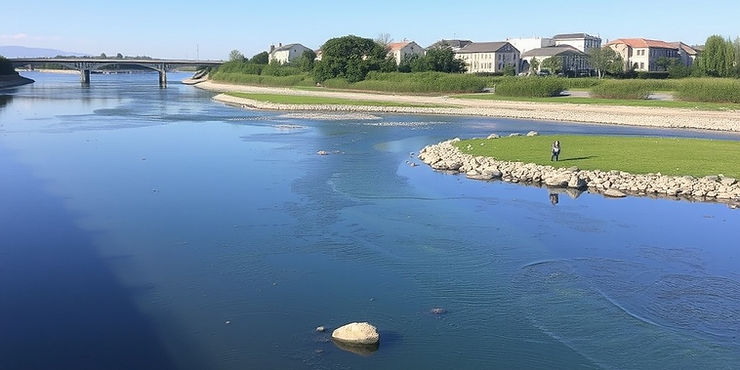
The Eygues River is a smaller, lesser-known river with a healthy trout population and a peaceful atmosphere. Flowing through the Drôme and Vaucluse regions, it offers clear waters and natural surroundings that appeal to anglers seeking solitude. Its gentle currents and rocky stretches provide excellent habitat for wild trout.
Types of Fishing:
- Fly fishing with small dry flies
- Light spinning in moderate currents
- Nymphing in deeper channels
- Wading in shallow sections
Where to Fish:
Look for shaded pools beneath overhanging trees and slower-moving sections behind rocks. Narrow bends and undercut banks often hold trout waiting for drifting insects. Spring and early summer typically deliver the best fishing conditions.
Fishing in Hautes-Alpes (Additional Spots)
22. Lake Laffrey
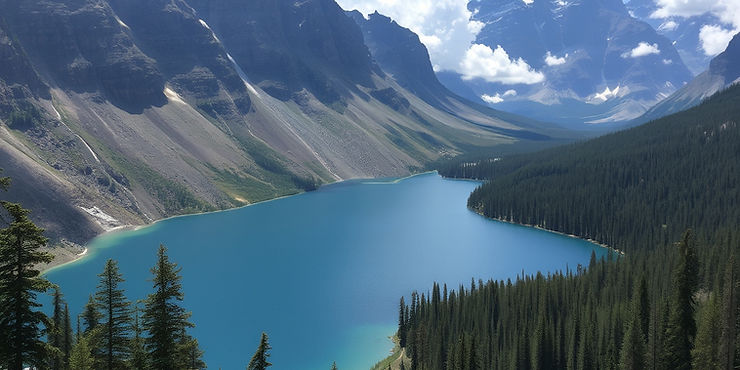
Lake Laffrey is a smaller alpine lake known for its healthy populations of trout and perch. Easily accessible and surrounded by mountain scenery, it offers a quiet and relaxed fishing experience away from larger, busier waters. Its clear surface and manageable size make it ideal for anglers looking to combine productive fishing with peaceful surroundings.
Types of Fishing:
- Shore fishing along designated areas
- Light spinning for trout
- Float fishing for perch
- Still fishing with natural bait
Where to Fish:
Shallow shoreline areas are productive during cooler parts of the day, especially in spring and fall. Slightly deeper central sections often hold trout during warmer periods. Fishing near inflows, reed beds, or shaded banks can improve success, particularly during early morning and sunset hours.
23. Buëch River
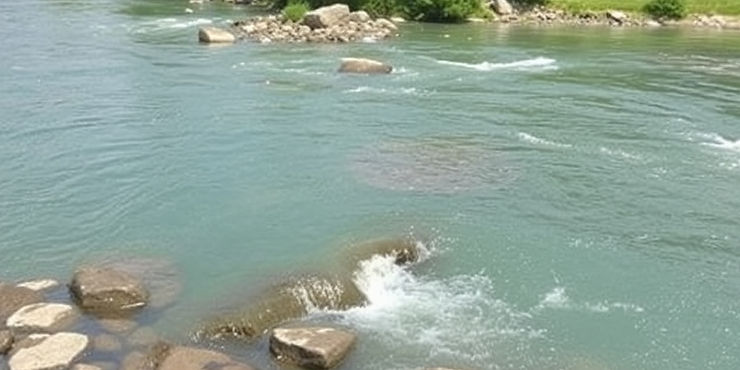
The Buëch River is known for its strong trout and grayling populations and its varied, dynamic flow. Located in the Hautes-Alpes region, it features a mix of riffles, runs, and deeper pools that support diverse fishing techniques. Its clear waters and natural surroundings make it a rewarding destination for anglers seeking both challenge and scenery.
Types of Fishing:
- Fly fishing with dry flies and nymphs
- Nymphing in deeper channels
- Light spinning in steady currents
- Wading along shallow gravel beds
Where to Fish:
Focus on transition zones where fast water slows into pools, as trout and grayling often feed in these areas. Undercut banks, shaded stretches, and rocky bends are especially productive. Late spring and early summer typically provide the best clarity and most consistent fish activity.
Fishing in Savoie (Additional Spots)
24. Lake Saint-Jean
Lake Saint-Jean is a smaller, peaceful lake known for good populations of trout and perch. Its calm waters and scenic surroundings make it a relaxing destination for anglers who prefer a quieter fishing experience. The lake’s accessible shoreline and balanced ecosystem provide consistent opportunities throughout the fishing season.
Types of Fishing:
- Shore fishing along accessible areas
- Light spinning for trout
- Float fishing for perch
- Still fishing with natural bait
Where to Fish:
Focus on shallow shoreline zones during cooler hours of the day, especially in spring and fall. Slightly deeper areas in the center of the lake often hold trout during warmer temperatures. Fishing near vegetation, inflows, and shaded banks can increase success, particularly at sunrise and sunset.
25. Arc River
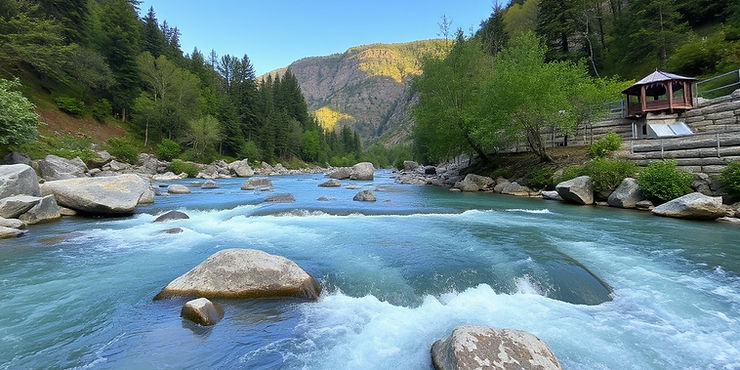
The Arc River is well known for excellent trout fishing, particularly in its upper reaches where the water is cold and clear. Flowing through stunning alpine landscapes, the river offers both scenic beauty and productive fishing conditions. Its mix of fast currents and deep pools creates ideal habitats for strong, healthy trout populations.
Types of Fishing:
- Fly fishing with dry flies and nymphs
- Euro nymphing in fast currents
- Light spinning in deeper runs
- Wading in shallow gravel sections
Where to Fish:
Target upper river sections with cold, oxygen-rich water for the best trout activity. Look for pools below rapids, behind large rocks, and along shaded banks. Spring and early summer typically provide optimal flow conditions and active feeding periods.
Conclusion – 25 Best Fishing Spots in the French Alps
The 25 fishing spots across the French Alps offer an incredible mix of rivers and lakes, each with its own unique scenery and fish species. From turquoise canyon waters and large mountain reservoirs to peaceful alpine streams, the region provides excellent opportunities for trout, perch, grayling, and pike. Whether you prefer fly fishing in clear rivers or lake fishing from shore or boat, the French Alps deliver both adventure and relaxation. With dramatic landscapes, clean waters, and diverse habitats, this destination is truly one of Europe’s top fishing regions.
FAQ – 25 Best Fishing Spots in the French Alps
1. What is the best fish to catch in the French Alps?Trout is the most common and popular species, especially in alpine rivers. Lakes in the region also offer pike and perch.
2. What is the best time to fish in the French Alps?Spring and early summer are often ideal for rivers, while late summer and early fall can be excellent for lakes. Early morning and sunset generally produce the best results.
3. Is fly fishing popular in the French Alps?Yes, fly fishing is extremely popular, especially in clear mountain rivers where trout are abundant.
4. Do I need a fishing license?Yes, a valid French fishing license is required to fish in most rivers and lakes in the French Alps. Local regulations may vary by area.
5. Are there family-friendly fishing spots?Yes, many lakes such as smaller alpine reservoirs offer calm waters, easy access, and safe environments suitable for families and beginners.

Leave a Reply