Torture has been a horrifying part of human history, revealing the dark potential of societies seeking to control, punish, or eliminate those who challenged their authority. Many methods have evolved over centuries, showcasing a disturbing creativity in inflicting pain and suffering. This blog post explores 25 of the most brutal torture methods known to mankind, providing historical context and chilling details about these practices. Understanding these horrors is vital to ensure they are not repeated.
1. The Brazen Bull

The Brazen Bull was a hollow bronze statue shaped like a bull, designed by Perillos of Athens. Victims were locked inside while a fire was lit beneath it, roasting them alive. Their screams supposedly transformed into a sound resembling a bull’s roar. The first known victim of this gruesome invention was King Phalaris himself, who fell into his own trap.
2. Flaying

Flaying is the horrifying act of removing a person’s skin while they are alive, leading to an excruciating and protracted death. This method has been used in various cultures, including the Assyrians and Aztecs, who believed it inflicted intense psychological terror on their enemies. For instance, it is reported that the Assyrian king Ashurbanipal left flayed victims on display as a warning to others.
3. Crucifixion

Crucifixion, perhaps the most infamous execution method, involved nailing or tying a victim to a wooden cross and leaving them to die, sometimes taking days. The Romans mainly used this brutal form of punishment for slaves, revolutionaries, and criminals. Historical records suggest that thousands faced crucifixion, a method intended to serve as both punishment and deterrence.
4. Impalement

Impalement involves inserting a sharp stake through a victim’s body, often entering through a cavity and exiting elsewhere. This slow and agonizing method could drag out for hours or even days. Vlad the Impaler, known for his brutal reign in Wallachia, frequently used this method to instill fear, with accounts suggesting he impaled thousands of his enemies.
5. The Iron Maiden

The Iron Maiden is a sarcophagus-like device with spikes on the inside. Victims would be enclosed inside, and as the device closed, they would be impaled. Though the extent of its actual historical use is disputed, it symbolizes the cruelty of medieval torture.
6. The Judas Cradle
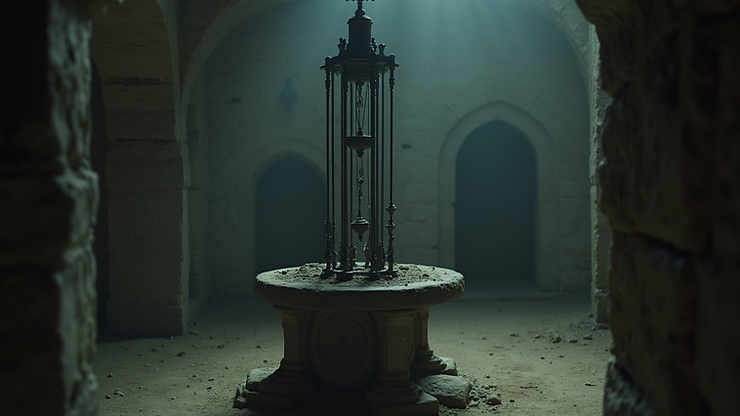
The Judas Cradle was a triangular torture device where victims were slowly lowered onto the pointed end, resulting in extreme pain and humiliation. This method was notably employed during the Spanish Inquisition, illustrating the lengths to which authorities would go to maintain power and instill fear.
7. Rat Torture

In this gruesome method, a container filled with rats was placed on a victim’s body. Applying heat to the container forced the rats to burrow into the victim’s flesh to escape. Historical accounts describe this torture as one of the most painful, displaying a horrifying use of animals in human cruelty.
8. Sawing

Sawing involved hanging a victim upside down and cutting them in half, often starting from the groin. This inversion kept the victim conscious longer. Many cultures, including ancient Rome and medieval Europe, used this brutal method, marking it as a significant element of their penal systems.
9. Water Torture

Water torture has many forms, including waterboarding, which simulates drowning. Victims are restrained, and water is poured over their faces, causing panic. This technique, used throughout history by various regimes, is designed to extract confessions through sheer terror.
10. The Rack

The Rack was notorious for stretching the body until it dislocated joints and caused extreme pain. Victims would be tied down and pulled apart, with historical records indicating the device’s common use during the Inquisition to elicit confessions through torture.
11. Scaphism

Scaphism, or “the boats,” involved trapping a victim between two boats, feeding them milk and honey, while leaving them to suffer dehydration and infection. This torturous method highlighted the ancient cultures’ capacity for extreme cruelty and prolonged suffering.
12. Breaking Wheel

The breaking wheel, also called the Catherine wheel, was designed to crush bones through strikes while leaving the victim displayed as a warning. Widely used in medieval Europe, this method emphasized the public nature of punishment, instilling fear in the populace.
13. The Chair of Torture

This torture chair was often equipped with spikes, forcing victims to sit and endure constant pain. Sometimes combined with flames, it created a horrific experience, demonstrating how torture was intertwined with humiliation.
14. The Heretic’s Fork

The Heretic’s Fork consisted of two sharp prongs placed between the breastbone and the sternum. Any movement resulted in painful punctures. This device was an embodiment of psychological torment, exacerbating the physical pain it inflicted.
15. The Spanish Tickler

The Spanish Tickler, a claw-like device, ripped flesh from victims. This versatile tool could inflict pain on several areas, reflecting the gruesomeness associated with torture during the Spanish Inquisition.
16. The Iron Chair

The Iron Chair was heated to extreme temperatures, causing severe burns for anyone forced to sit in it. This device exemplified the psychological intimidation and physical suffering used to extract confessions or punish.
17. The Chair of Torture

Often equipped with spikes or heated elements, this Chair of Torture aimed to maximize pain on restrained victims. It serves as a reminder of history’s use of discomfort as a coercive measure.
18. The Rack

The Rack is legendary for mercilessly stretching its victims, often resulting in shock or death, leading to an undeniable legacy of medieval torture practices still remembered today.
19. Lead Sprinkler

This tool involved pouring hot lead onto a victim’s skin, resulting in severe burns. Its brutal nature highlights the extreme lengths torturers would go to inflict pain.
20. The Rack

The Rack stands as a notorious medieval torture device, inflicting gruesome suffering through excruciating stretching. Its sinister reputation marks it as a symbol of cruel justice.
21. The Hanging Cage

The Hanging Cage was designed for public humiliation, where victims suffered exposure and limited movement, often leading to death. These displays served as cautionary tales against defiance.
22. The Scavenger’s Daughter

The Scavenger’s Daughter slowly crushed victims’ bodies by folding them in on themselves. This agonizing method served as a grim reminder of the extremes to which authorities would go for confessions.
23. The Iron Maiden

The Iron Maiden, shrouded in legend, was designed to impale victims inside an enclosed space. Despite debates about its historical accuracy, it remains a powerful symbol of human cruelty.
24. The Wheel of Death

This method involved tying a victim to a huge wheel and bludgeoning them to death, often presented as a public spectacle. The goal was to provoke fear among onlookers through this horrific display.
25. The Blood Eagle

The Blood Eagle represents a Viking method where ribs were severed from the spine and the lungs pulled out to mimic wings. This excruciating method is surrounded by myth, emphasizing the brutality associated with revenge in Viking culture.
Reflection on Brutality
The 25 torture methods discussed in this post illustrate the depths of human cruelty. Each one serves as a reminder of the dark aspects of human nature and a stark warning against the past. Understanding these horrific practices is essential in working towards a future that values compassion and respect for all lives.
By confronting this brutal history, we can honor the memory of those who suffered and strive for a society rooted in justice, empathy, and humanity. Let this knowledge guide our actions as we move forward towards a more humane world.






Leave a Reply