Miami is a lively blend of cultures, each piece contributing to the city’s unique identity. From the indigenous people who first inhabited the area to the waves of immigrants who have added their traditions, Miami’s cultural landscape is expansive and vibrant. This post aims to highlight some of the key tribes and communities that have shaped this city, providing a visual guide to their contributions and influence.
Travel Guide: Miami
The Tequesta Tribe

The Tequesta tribe was one of the first known inhabitants of the Miami area. They lived along the southeastern coast of Florida, relying on fishing and hunting for their livelihood. Their craftsmanship was evident in the pottery they created and the tools made from shells.
The Tequesta structured their society around a chief and traded goods with neighboring tribes. Many ceremonial sites still exist today, reminding us of their rich cultural heritage and the importance of their history. Recent archaeological studies suggest that the Tequesta population was around 800 individuals at their peak, demonstrating their significant presence in early Miami.
The Seminole Tribe
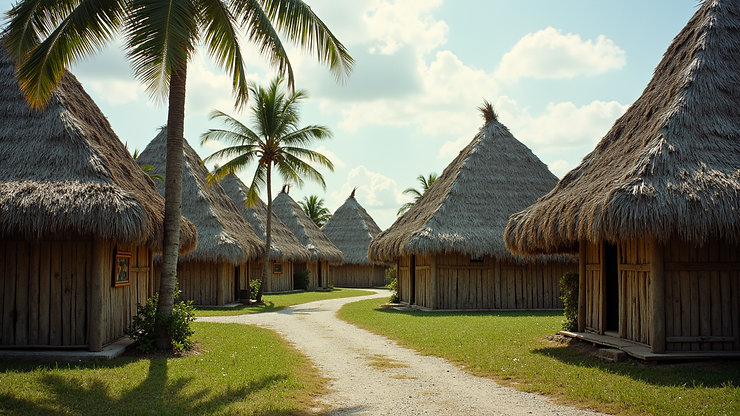
The Seminole tribe is one of the most recognized Indigenous groups in Florida. They are descendants of the Creek tribe and migrated to Florida in the 18th century. Notably, they are known for their fierce resistance during the Seminole Wars, which occurred from 1817 to 1858, cementing their place in history.
Today, the Seminole tribe thrives, maintaining a strong cultural identity. They are celebrated for their art, traditional clothing, and cuisine, which includes dishes like frybread and smoked fish. Their economic contributions are substantial, with tribal businesses, including several casinos, generating over $1 billion in revenue annually. This supports not only their community but the local economy as well.
The Haitian Community

Miami is home to a large and vibrant Haitian community, significantly shaping the city’s cultural dynamics. Many Haitians began arriving in Miami during the 1960s, escaping political turmoil and looking for better opportunities. This community has introduced a wealth of cultural richness, including music, visual arts, and cuisine.
The colorful Haitian art inspires with vibrant themes that often reflect the country’s history and spirituality. Events like Haitian Flag Day, celebrated every May 18, bring together thousands, showcasing food, music, and art. In fact, restaurants offering traditional dishes like griot and joumou soup have increased by over 50% in the past decade, illustrating the community’s impact on Miami’s culinary scene.
The Cuban Community

The Cuban community is one of the largest in Miami, with roots dating back to the Cuban Revolution in 1959. Many Cuban immigrants chose Miami as their sanctuary, deeply influencing the city’s culture and social constructs.
From music to food, Cuban culture thrives throughout the city. The iconic Calle Ocho in Little Havana is a focal point of Cuban life, bustling with cafes, restaurants, and cultural events. The Calle Ocho Festival draws an estimated 1.5 million attendees each March, featuring live music, dance, and an array of delicious Cuban dishes like ropa vieja. This festival highlights the richness of Cuban culture and its significant role in Miami’s identity.
The Colombian Community

The Colombian community in Miami has experienced rapid growth, particularly due to the crisis in Colombia over the last few decades. This population now contributes vibrantly to Miami’s cultural scene.
Colombian celebrations are abundant, especially during events like the Festival de la Calle Ocho, showcasing traditional music, dance, and culinary delights. Arepas and bandeja paisa are popular dishes enjoyed by many, with Colombian restaurants increasing by 60% since the early 2000s, providing a taste of their culinary heritage across the city.
The Venezuelan Community

In recent years, Miami has welcomed a significant number of Venezuelans escaping economic hardships. This community has rapidly integrated, enhancing Miami’s diverse cultural fabric.
Venezuelan food is a crucial part of their cultural identity. Dishes like arepas and pabellón criollo have gained popularity, with food markets and restaurants catering to these culinary traditions. Events like the Venezuelan Food Festival have become popular, drawing hundreds of visitors and celebrating the rich Venezuelan culture through music and food.
The Nicaraguan Community

The Nicaraguan community in Miami has also flourished, particularly amid political challenges in Nicaragua. This group enriches the city’s cultural landscape with their traditions and artistry.
Nicaraguan festivals showcase vibrant music, dance, and food. You will often find handmade crafts that highlight their artisans’ skills. Popular dishes such as nacatamales and vigorón frequently appear at community events, allowing for a genuine taste of Nicaraguan culture.
The Jamaican Community

The Jamaican community is an essential part of Miami’s cultural fabric. Many Jamaicans moved to Miami in search of better lives and brought their rich and vibrant traditions along.
Jamaican culture is celebrated through numerous festivals, including Reggae Fest, which draws thousands to experience the island’s music, food, and art. Popular dishes such as jerk chicken and ackee and saltfish are found in many restaurants throughout Miami, showcasing the flavors of Jamaican cuisine.
The Brazilian Community

The Brazilian community in Miami has expanded over the years, bringing a host of cultural practices, including music, dance, and flavorful cuisine.
Celebrations like the Miami Carnival highlight the vibrancy of Brazilian culture. With lively parades featuring samba dancers and a range of foods like feijoada and pão de queijo, the event is a testament to Brazil’s rich traditions and draws immense crowds, further emphasizing the cultural diversity of Miami.
The Peruvian Community

The Peruvian community in Miami has made noteworthy contributions to the city’s multicultural landscape. Many Peruvians have settled here, bringing their vibrant culinary traditions and rich culture.
Peruvian festivals often feature traditional music and dance, spotlighting dishes like ceviche and lomo saltado. These cuisines have gained popularity, with an increase in Peruvian restaurants contributing to the rich and diverse culinary options available in Miami.
Celebrating Miami’s Cultural Mosaic
Miami’s identity is shaped by its diversity. Each tribe and community contributes to this rich cultural tapestry. From the Indigenous Tequesta and Seminole to the vibrant immigrant groups from Latin America and the Caribbean, the blend of cultures creates an exciting atmosphere in the city.
By exploring the various tribes and their unique contributions, we highlight the importance of cultural heritage. Celebrating and preserving these traditions allows Miami to grow as an inclusive and vibrant city for future generations.
As you navigate the vibrant streets of Miami, take a moment to appreciate the diverse cultures that make the city truly one-of-a-kind, weaving a rich story of resilience and creativity that defines this remarkable place.





Leave a Reply