Herbs have woven themselves into the fabric of our culinary and medicinal traditions for centuries. Not only do they add flavor to our meals, but they also offer a variety of health benefits that many might not be aware of. From reducing inflammation to aiding digestion, herbs can support your overall well-being. In this blog post, we will dive into 25 of the healthiest herbs, explore their benefits, and provide practical ways to include them in your daily diet.
1. Basil

Basil is more than just a flavorful addition to your dishes. Rich in vitamin K and antioxidants, it boasts anti-inflammatory properties. For instance, studies indicate that basil can lower markers of inflammation by as much as 30%. Consider adding fresh basil to your salads or pasta sauces to enjoy its unique flavor and health benefits.
2. Oregano

Oregano is a strong herb packed with antioxidants. Research shows that oregano can help fight infections and strengthen the immune system. Including just one teaspoon of dried oregano in your meals can offer significant health advantages. Sprinkle it on pizzas, roasted vegetables, or use it in marinades for a flavorful boost.
3. Thyme

Thyme is rich in vitamin C and iron, making it helpful for enhancing immune response. On top of that, it has antimicrobial properties that can combat infections. A study found that thyme oil can reduce the growth of harmful bacteria by about 50%. Use thyme in soups, roasted meats, or as a flavorful addition to bread.
4. Rosemary

High in antioxidants, rosemary is particularly good for brain health. Regular consumption may improve memory and concentration. In one study, participants who consumed rosemary extract performed better on memory tasks. Add rosemary to your cooking, whether it be in roasted potatoes or stews, for both flavor and health benefits.
5. Sage

Sage is renowned for its anti-inflammatory properties, which can help with digestion and improve memory. Studies suggest that sage can enhance cognitive performance by up to 20%. Consider using sage in meats and hearty dishes, or steep it in tea for a soothing drink.
6. Mint

Mint is refreshing and effective for aiding digestion. It is high in antioxidants and vitamin A, making it a double health benefit. For instance, mint tea can help soothe an upset stomach and improve digestion by 25%. Use fresh mint in salads, smoothies, or as a garnish for desserts to enjoy its benefits.
7. Parsley

Parsley is loaded with vitamin K, vitamin C, and folate, contributing to its antioxidant-rich profile. The nutrient density of parsley can be up to 800% of your daily vitamin K requirement in just one cup. Add chopped parsley to dishes like tabbouleh or use it as a garnish to elevate both flavor and nutrients.
8. Cilantro (Coriander Leaves)

Cilantro is known for its detoxifying properties. Research suggests it can help eliminate heavy metals from the body, thus improving overall health. Just one tablespoon of fresh cilantro can provide approximately 5% of your daily recommended intake of vitamin K. Use it in salsas, salads, or as a topping to enhance various dishes.
9. Dill

Dill is a source of vitamin C and provides flavonoids that support digestion. One study revealed that dill might improve gut health by promoting beneficial bacteria. Add dill to pickles, salad dressings, or as a seasoning for fish to savor its flavor and health attributes.
10. Tarragon

Tarragon contains antioxidants and can help aid appetite and digestion. It’s widely used in French cooking and can add a rich flavor to your dishes. Use tarragon in sauces, salad dressings, or vegetable dishes to enjoy its unique taste and benefits.
11. Chives

Chives are rich in vitamins K, A, and C, making them a nutrient-dense herb. Their antioxidant and antimicrobial properties support overall health. Just one tablespoon of chives offers about 20% of your daily vitamin K intake. Add chives as a topping on baked potatoes, soups, or salads for an extra flavor boost.
12. Marjoram
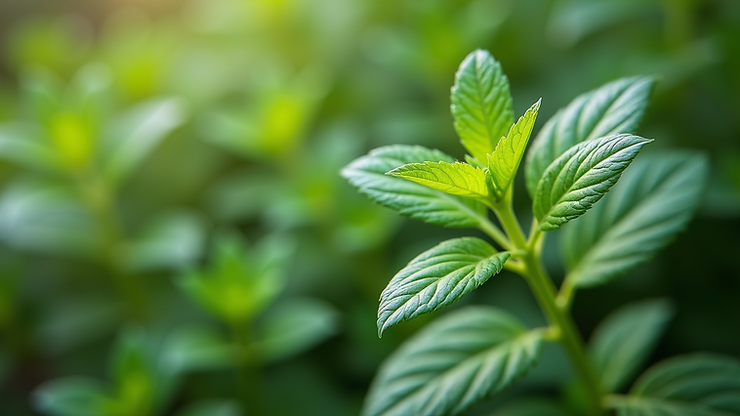
Marjoram has anti-inflammatory properties that may benefit heart health. It can enhance the flavor of your dishes while providing essential nutrients. Incorporate marjoram into your cooking with meats, stews, or pasta dishes to enjoy its heart-healthy benefits.
13. Fennel Fronds

Fennel fronds are a source of fiber, vitamin C, and antioxidants. They promote digestive health and may even help to reduce bloating. Adding fennel fronds to salads or using them in cooking can enhance both flavor and digestive wellness.
14. Lemongrass

Lemongrass has antimicrobial and antioxidant properties that benefit digestion and overall health. Research shows it can reduce stomach discomfort by up to 40%. Use lemongrass in soups, stir-fries, or teas for a refreshing and health-boosting ingredient.
15. Lovage

Lovage has been utilized for its digestive and anti-inflammatory benefits. It contains vitamins A and C, which enhance overall health. Incorporate lovage in soups, salads, or sauces to elevate your meals and health.
16. Bay Leaves

Bay leaves possess antioxidant and antimicrobial compounds that enhance flavor in cooking. A study indicated bay leaves can improve heart health and digestion when included regularly in meals. Add dried bay leaves to soups and stews for both taste and health benefits.
17. Chamomile (used as herb)

Chamomile is widely recognized for its calming effects and anti-inflammatory properties. Drinking chamomile tea has been shown to improve sleep quality by over 30%. Try consuming chamomile in tea form before bedtime to help enhance relaxation.
18. Borage

Borage is rich in gamma-linolenic acid (GLA), which supports anti-inflammatory processes in the body. You can use borage in salads or teas to enjoy its refreshing flavor along with its health benefits.
19. Stevia Leaves

Stevia leaves are a natural sweetener that boasts antioxidant properties. They can be used in various recipes to add sweetness without the calories, providing a healthier alternative to sugar. Consider using stevia in smoothies or baked goods.
20. Holy Basil (Tulsi)

Holy basil, or Tulsi, is considered an adaptogen, helping to manage stress and boost immunity. Regular consumption can decrease stress levels by upwards of 25%. Drink holy basil tea or add it to your smoothies to experience its calming effects.
21. Lavender

Lavender is celebrated for its antioxidant properties and calming effects. It can promote better sleep quality, with studies showing it may improve sleep duration by 20%. Use lavender in teas, essential oils, or baked goods for a soothing experience.
22. Saffron (herb parts)

Saffron is known for its mood-enhancing properties and is rich in antioxidants. Research indicates that it can improve mood by about 30% in those with mild depression. Add saffron to rice dishes or desserts for both flavor and potential mood support.
23. Sorrel

Sorrel is high in vitamin C and antioxidants, which can enhance overall health and support digestion. Its tangy flavor can brighten up salads and soups, providing both a taste boost and nutrient addition.
24. Feverfew

Feverfew has been traditionally used for its anti-inflammatory properties and to alleviate migraines. Studies reveal it can reduce the frequency of headaches by 50% in some users. Use feverfew in teas or supplements for headache relief.
25. Lovage
Lovage is a fiber-rich herb that supports digestive and kidney health. It can enhance the flavor of soups and stews, offering both taste and health advantages.
Embracing Nature’s Remedies
Incorporating these 25 healthiest herbs into your diet can significantly enhance your overall health and well-being. From bolstering immunity to supporting digestion, these herbs provide a variety of benefits that can easily fit into your meals. Whether you grow them in your garden or buy them fresh from the store, these herbs are nature’s pharmacy at your fingertips, ready to support your health journey. Embrace the incredible power of herbs to cultivate a healthier lifestyle.
References
1. National Center for Complementary and Integrative Health (NCCIH) – Herbs at a Glance
National Center for Complementary and Integrative Health. (2022). Herbs at a glance: St. John’s Wort. U.S. Department of Health and Human Services. https://www.nccih.nih.gov/health/st-johns-wort
Benzie, I. F. F., & Wachtel-Galor, S. (2011). Herbal medicine: Biomolecular and clinical aspects (2nd ed.). CRC Press/Taylor & Francis. https://www.ncbi.nlm.nih.gov/books/NBK92771
U.S. Food and Drug Administration. (2023). Dietary supplements: What you need to know. U.S. Department of Health and Human Services. https://www.fda.gov/consumers/consumer-updates/dietary-supplements-what-you-need-know










Leave a Reply