Antarctica, the icy frontier at the southernmost tip of the globe, captivates travelers with its breathtaking landscapes and one-of-a-kind wildlife. This travel guide will provide you with everything you need to navigate this extraordinary destination. From the best time to visit, tips for travel, to adventurous activities, we aim to inspire and inform you for an unforgettable journey to this frozen wonderland.
Note: You need a guided expedition for Antarctica, as independent travel is not permitted under international treaty rules and environmental regulations.
25 Best Snowboots for Antarctic
25 Womens Outfits for Antarctic
Best Time to Visit Antarctica

The prime time to explore Antarctica is during the austral summer, which spans from late October to early March. During this period, temperatures can range from -2°C to 8°C (28°F to 46°F), giving you favorable weather conditions.
- October to November: As summer begins, the ice starts to melt, making it a spectacular time for wildlife watchers. You can not only observe penguins and seals but also see them nurturing their young, a process that significantly boosts their overall population. For instance, in January, around 2 million Adélie penguins breed on Antarctic shores.
- December to January: This is the warmest phase and the peak tourist season, with nearly 24 hours of daylight. This extended sunlight allows for excellent wildlife photography. It’s also when the sea is most navigable, allowing boats to get very close to stunning icebergs and wildlife.
- February to early March: As the summer gradually cools, this is the best period for whale watching. Species such as humpback and minke whales are frequently spotted, and there is an increased chance of seeing orcas as they hunt in these frigid seas.
How to Get to Antarctica

Most travelers reach Antarctica via cruise ships leaving from Ushuaia, Argentina, which is the most commonly used departure point.
- Cruise Options: Expedition cruises are popular and usually last from one week to more. For example, a 10-day itinerary might include visits to Elephant Island and Deception Island, allowing for unique wildlife interactions and stunning scenery.
- Air Travel: While flying directly to Antarctica is possible, it’s not practical for most tourists and can be quite costly. Charters sometimes take adventurers to specific research stations for science-focused visits.
- Preparation: Given the high demand, especially during summer, book your travel well in advance. Spots can fill up quickly, with some tours reporting occupancy rates over 90% during peak months.
What to Pack for Your Antarctic Adventure
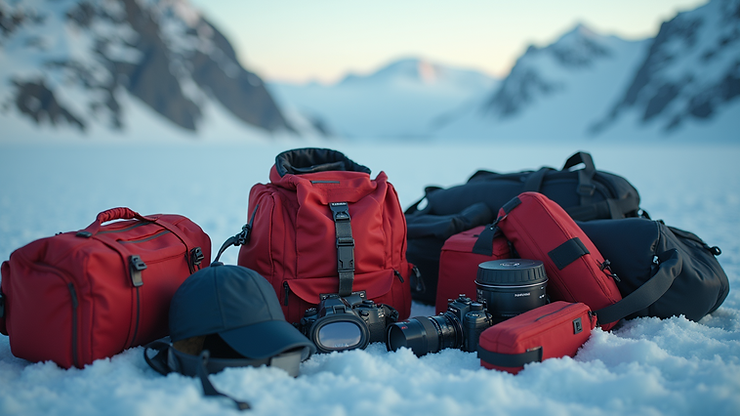
Packing efficiently is crucial because of the extreme conditions. Here’s what you need:
- Layered Clothing: Invest in high-quality thermal layers to help regulate body temperature. A waterproof outer shell and insulated jackets can protect from fierce winds. Many travelers also recommend a base layer made of merino wool for comfort and warmth.
- Footwear: Insulated, waterproof boots are essential for on-land activities. Choose boots with non-slip soles, as slippery conditions are common. A good pair should keep your feet warm in temperatures as low as -10°C (14°F).
- Accessories: Gloves, hats, and scarves are vital to protect against chill. Don’t underestimate the need for good sunglasses to shield your eyes from the reflection off the snow.
- Camera Gear: A camera with an optical zoom lens will capture the stunning wildlife and landscapes. Waterproof bags are a must to protect your equipment from splashes or snow.
Wildlife Encounters in Antarctica

Antarctica serves as a sanctuary for a rich array of wildlife, providing unforgettable viewing opportunities. Here are a few remarkable sights to look out for:
- Penguins: The continent’s iconic residents comprise several species such as Emperor, Adélie, and Gentoo penguins. Visitors can often witness Emperor penguins, the largest of their kind, standing nearly 1.2 meters tall and weighing between 20 and 45 kg (45 to 99 lbs).
- Seals: Look for Weddell, leopard, and elephant seals resting on ice floes. These seals can weigh up to 4000 kg (over 8800 lbs), with their sheer size taking most onlookers by surprise.
- Whales: As you journey through the waters, keep an eye out for humpback, minke, and orca whales. It’s estimated that around 12,000 humpbacks migrate to these waters every summer.
- Birds: Watch for soaring seabirds, including albatrosses and petrels. The Wandering Albatross can have a wingspan of up to 3.5 meters (11.5 feet), making it one of the largest flying birds.
Activities to Enjoy in Antarctica

Antarctica offers a wide range of activities for adventurous travelers. Here are some popular experiences:
- Zodiac Cruises: Jump into a small inflatable boat for an up-close encounter with icebergs and wildlife. This chance to get right next to glacial formations is unique and thrilling.
- Kayaking: Paddle through serene waters where you can soak in the surrounding beauty while keeping an eye out for seals and penguins.
- Hiking: Opt for guided hikes that reveal breathtaking views of the rugged terrain. Hikes can vary in difficulty, providing options for both beginners and seasoned trekkers.
- Camping: Overnight camping on the ice is a rare and remarkable experience. Some expedition cruises offer this option, allowing you to sleep under the stars, surrounded by the serene sounds of nature.
Safety and Environmental Considerations

While exploring this beautiful region, it is crucial to prioritize safety and environmental responsibility. Here’s what to keep in mind:
- Follow Guidelines: Respect the International Association of Antarctica Tour Operators (IAATO) guidelines to minimize your impact on the natural environment.
- Wildlife Interaction: Always maintain a safe distance from wildlife. Feeding or disturbing animals can have harmful effects on their behavior and health.
- Stay on Designated Paths: Protect the fragile ecosystem by sticking to marked trails. This minimizes damage to the delicate flora and fauna present in the area.
- Safety Gear: Wear appropriate gear and hearken to safety instructions from your guides to ensure a safe adventure.
Accommodations in Antarctica

Accommodations vary significantly depending on your travel preferences:
- Expedition Cruises: A majority of travelers choose expedition cruise ships, which provide comfortable cabins and various on-board amenities.
- Research Stations: A limited number of opportunities exist to stay at research stations, typically reserved for scientists. For instance, the British Antarctic Survey has established a vast network of research stations for scientific study.
- Camping: Some adventurous cruises offer the unique experience of camping on the ice, providing a bond with nature that few travelers experience.
Cultural Insights and Historical Context

Antarctica has a rich history filled with exploration and scientific inquiries. Here are some notable facts:
- Exploration: The landmass was first sighted by explorers in the early 19th century. Pioneers like Ernest Shackleton and Robert Falcon Scott made groundbreaking contributions to its exploration, with Shackleton’s famous Endurance expedition setting a cornerstone for future travel in the region.
- Research Stations: Countries worldwide operate research stations in Antarctica, focusing on climate change and glaciology. Currently, there are over 70 research stations from about 30 countries, which are operational year-round.
- International Treaties: The Antarctic Treaty System, signed in 1961, preserves the continent for peaceful scientific exploration and serves as a blueprint for international collaboration.
Final Thoughts
Venturing into Antarctica is unlike any other travel experience. Beyond its raw beauty, the continent offers dynamic wildlife encounters and a glimpse into one of the last untouched areas of our planet. Proper planning and respect for the environment will ensure you fully enjoy what this extraordinary continent has to offer.
From kayaking through serene icy waters to hiking across breathtaking glaciers, every moment in Antarctica will leave you in awe. As you prepare for this adventure, remember to pack wisely, select the right travel dates, and embrace the spirit of exploration that has enticed adventurers for centuries. Safe travels!










Leave a Reply