Singapore is a vibrant blend of cultures, and its diverse tribes showcase a rich tapestry of traditions, languages, and customs that have shaped this unique city-state. From the indigenous Malay community to the many ethnic groups that have settled here, each tribe plays a vital role in Singapore’s identity. In this blog post, we will explore the various tribes of Singapore, highlighting their distinct characteristics and cultural significance, bolstered by visual representations to enhance your understanding.
The Malay Community

The Malay community is one of the oldest ethnic groups in Singapore, with roots tracing back centuries. Predominantly Muslim, they boast a rich cultural heritage, evident in their traditional music, dance, and cuisine. The community actively celebrates vibrant festivals such as Hari Raya Aidilfitri, marking the end of Ramadan with communal prayers and feasts featuring dishes like rendang and ketupat.
The traditional attire worn during these celebrations includes the baju kurung, a loose-fitting dress for women, and the baju melayu, a long shirt for men. The Malay language, a crucial part of their identity, is spoken by around 13% of Singapore’s population.
The Chinese Community

The Chinese community is the largest ethnic group in Singapore, comprising about 76% of the population. This community includes several dialect groups like Hokkien, Cantonese, Teochew, and Hakka, each bringing unique customs and culinary specialties. For instance, Hokkien cuisine features dishes such as bak chor mee (minced pork noodles) while Cantonese culture is known for dim sum.
Chinese New Year plays a significant role in this community’s cultural calendar. It is celebrated with family reunions, lion dances, and fireworks. During this time, many Singaporeans also emphasize cleaning their homes to welcome good luck for the year ahead.
The Indian Community

The Indian community adds depth to Singapore’s cultural mosaic, coming from diverse regions such as Tamil Nadu, Punjab, and Gujarat. This community enriches Singapore’s cultural landscape through its vibrant festivals, like Deepavali, also known as the Festival of Lights. During Deepavali, you can observe homes lit with oil lamps, often accompanied by delicious feasts featuring dishes such as biryani and murukku.
Languages like Tamil are commonly spoken, and many community members practice religions such as Hinduism, Sikhism, or Islam, which further contributes to Singapore’s renowned multicultural environment.
The Peranakan Community

The Peranakan community, or Straits Chinese, represents a fusion of Chinese and Malay cultures that began in the 15th century. This unique heritage is characterized by a distinct cuisine that fuses flavors and techniques, giving rise to popular dishes such as laksa and kueh pie tee.
Members of this community, known as Baba (men) and Nyonya (women), often wear traditional clothing showcasing beautiful embroidery during special occasions. The Peranakan culture emphasizes hospitality, often inviting guests to share their home-cooked meals.
The Eurasian Community

The Eurasian community, though smaller in number, plays an important role in Singapore’s cultural fabric. This community descended from the intermarriage of Europeans and Asians and has created a unique cultural identity that incorporates elements from both sides.
Eurasian cuisine reflects this blend, with dishes such as curry debal and sugee cake (a semolina cake) being local favorites. Cultural events, including vibrant traditional dance and music performances, showcase the community’s rich heritage.
The Sikh Community
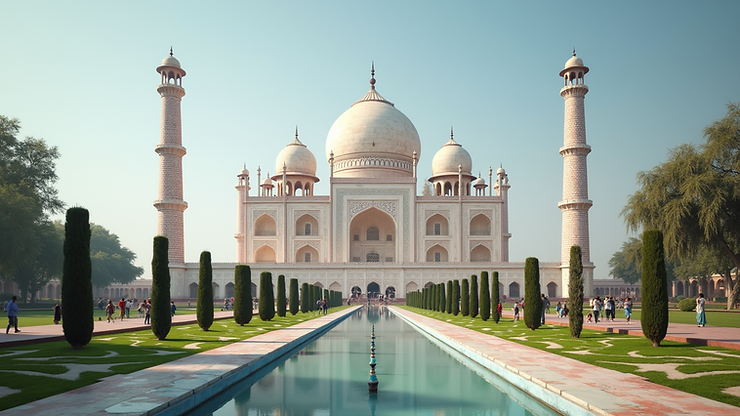
The Sikh community is well-known for its strong sense of community and commitment to social service. Founded in the Punjab region of India, Sikhism emphasizes equality, service, and community bonding through traditional practices.
The Sikh gurdwara serves as a hub for both worship and community engagement, often hosting communal meals known as langar. Vaisakhi, the harvest festival, is particularly significant, marked by processions and joyful celebrations, reminding members of their cultural heritage.
The Chitty Community

The Chitty community, or Chettiars, originates from Tamil Nadu, India, and boasts a rich history of trade and commerce in Singapore. Their cultural practices reflect a blend of Tamil and Malay influences, especially visible during traditional weddings, which feature colorful attire and lively music.
Celebrations often involve unique customs, such as the Chitty wedding ceremony, which includes intricate rituals that highlight the community’s customs and values.
The Bugis Community

Coming from Sulawesi, Indonesia, the Bugis community is celebrated for their seafaring heritage. Historically known as skilled traders and navigators, they have significantly influenced maritime trade in Southeast Asia.
Bugis culture is rich in tradition, showcasing unique clothing, music, and dance. Festivals often highlight their heritage, featuring traditional performances and culinary specialties that bring together their community.
Celebrating Singapore’s Rich Tapestry
Singapore’s diverse tribes illustrate the country’s cultural heritage that has developed over time. Each community contributes unique traditions, languages, and customs, portraying a vibrant identity. Exploring these tribes helps us appreciate the multicultural environment that makes Singapore such a fascinating place to live and visit.
By celebrating diversity, we can better appreciate the contributions of each tribe and their harmonious coexistence. Whether through food, festivals, or cultural practices, the tribes of Singapore continue to enrich the lives of its residents and visitors, creating a lively and welcoming atmosphere for all.




Leave a Reply