The Great Barrier Reef in Australia is one of the most iconic marine environments on Earth, and while strict regulations protect much of this World Heritage Site, nearby areas still offer some of the best spearfishing experiences for responsible anglers. Spearfishing around the reef’s outer edges, offshore coral cays, and adjacent drop‑offs allows you to encounter vibrant fish life, crystal‑clear water, and dramatic underwater landscapes. This guide explores the top areas, target species, safety tips, and local rules so you can plan a successful and respectful spearfishing adventure around the Great Barrier Reef.
1. Lizard Island Area

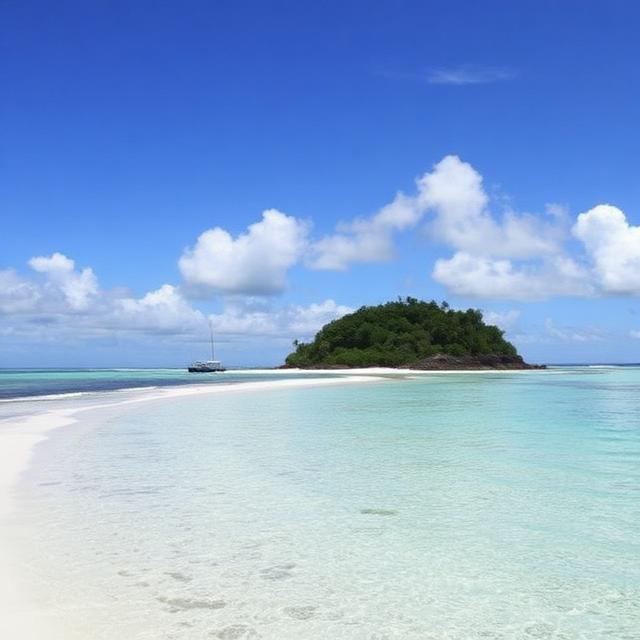
Lizard Island, located on the northern Great Barrier Reef, is a classic spearfishing destination with access to rich reef edges and offshore walls. Here, spearfishers can target reef species like coral trout, red emperor, and spanish mackerel in relatively clear conditions. The island’s surrounding marine environments support abundant fish populations due to healthy reef habitats. Access usually requires a live‑aboard boat or charter, making it a great choice for extended trips. Always check seasonal closures and Marine Park zoning before fishing.
Best Spear Fishing on Lizard Island
2. Ribbon Reefs (Northern GBR)

The Ribbon Reefs stretch along the northern Great Barrier Reef, offering miles of reef edges and drop‑offs ideal for reef and pelagic spearfishing. These areas are known for large coral trout, sweetlip, and queenfish, and occasional pelagic species near deeper water. The reefs are part of well‑managed Marine Park zones, so spearfishing opportunities are limited to designated open zones. A live‑aboard or dive charter is the best way to reach and explore these extensive reef lines. The remote location provides an unforgettable spearfishing experience.
Best Spear Fishing on Ribbons Reef
3. Offshore Reefs Near Cooktown

Reefs surrounding Cooktown in Far North Queensland provide spearfishing access from the mainland, with less travel than northern cays. The reef edges and coral bommies attract species like coral trout, tuskfish, and reef sharks (observed but not targeted). Because the Great Barrier Reef Marine Park has strict zoning, it’s essential to know where line‑based or spearline fishing is permitted versus sanctuary zones. Local charter operators can advise on legal spearfishing spots and conditions. Cooktown’s coastline is a good mix of accessibility and biodiversity.
4. Swains Reef (Southern GBR)

Swains Reef, part of the southern Great Barrier Reef region, is a classic reef environment with coral bommies and open water channels. Here, spearfishers can encounter reef species like red emperor, sweetlip, and coral trout along deeper reef slopes. Strong currents and changing weather conditions make this area better suited for experienced divers. Access is typically via live‑aboard or deep‑water charter boat. Always confirm zoning and seasonal closures before planning a trip.
5. Cairns Outer Reefs (Adjacent Areas)

While much of the inner reef near Cairns is protected from spearfishing, outer reefs beyond no‑take zones offer opportunities for licensed spearfishers joining charter trips. These reefs feature coral slopes and drop‑offs that support large reef fish and pelagic visitors. Cairns is one of the most popular departure points for reef expeditions, with local guides familiar with seasonal fish movements and legal spearfishing areas. The clear water and healthy reef life make this a top choice for divers who want to combine reef exploration with responsible spearfishing.
Spearfishing Species Around the Great Barrier Reef
Depending on the area and access, common species include:
✔ Coral Trout
✔ Red Emperor
✔ Queenfish
✔ Spanish Mackerel (in deeper water)
✔ Sweetlip
✔ Tuskfish
Always verify legal size and catch limits with local fisheries, as regulations are strictly enforced to protect reef ecosystems.
Safety Tips & Regulations
- Know Marine Park Zoning: Much of the Great Barrier Reef is protected, with sanctuary zones where spearfishing is prohibited.
- Dive With a Buddy: Currents, waves, and boat traffic require strict safety practices.
- Use a Float Buoy: In open water, buoys improve visibility to boats and provide a rest point.
- Check Local Rules: Queensland fisheries have specific rules for gear, species, and seasonal closures.
- Respect the Reef: Avoid damaging coral and follow sustainable spearfishing practices.
Conclusion
Spearfishing near the Great Barrier Reef can be an unforgettable experience, offering access to incredible reef structures, clear water, and abundant fish life. Locations like Lizard Island, the Ribbon Reefs, Cooktown reef edges, Swains Reef, and Cairns outer reefs provide diverse environments for both beginner and advanced spearfishers — as long as you follow zoning, safety, and sustainability guidelines. Plan with reputable guides, understand the marine park rules, and enjoy responsibly exploring one of the world’s most stunning underwater landscapes.






Leave a Reply