Scuba diving opens a whole new world beneath the waves, especially for teens eager to explore vibrant marine life and colorful coral reefs. Choosing the right tropical island can make all the difference in creating a safe, exciting, and unforgettable diving experience. This guide highlights some of the best tropical islands where teens can enjoy scuba diving adventures, combining stunning underwater landscapes with beginner-friendly conditions and excellent dive schools.
Why Tropical Islands Are Perfect for Teen Scuba Diving
Tropical islands offer warm waters, clear visibility, and diverse marine ecosystems. These conditions make learning to dive easier and more enjoyable for teens. Many islands have dive centers that specialize in training young divers, ensuring safety and fun. Plus, the natural beauty above water adds to the overall adventure, with beaches, wildlife, and cultural experiences.
Maldives: Calm Waters and Colorful Reefs

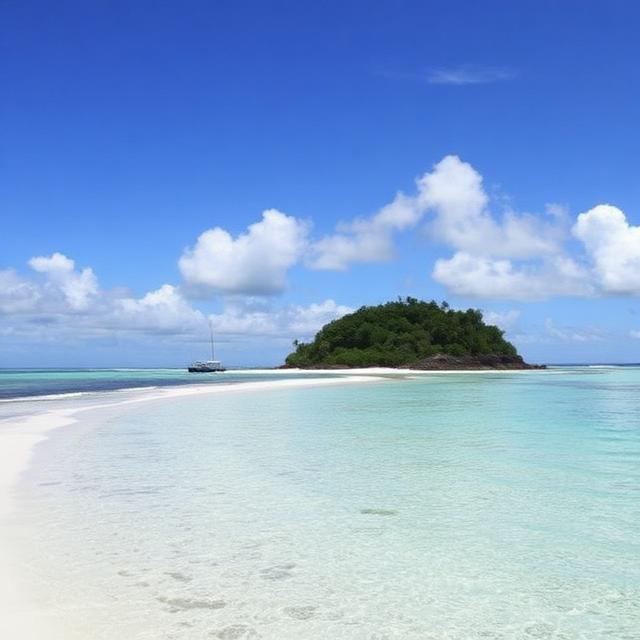
The Maldives is famous for its crystal-clear lagoons and vibrant coral reefs. The shallow reefs around many islands provide ideal conditions for teen divers to practice skills and spot marine life such as reef sharks, manta rays, and sea turtles. Dive centers here often offer junior diving courses tailored to young beginners.
- Best spots for teens: North Male Atoll and South Ari Atoll
- Water temperature: 27–30°C (81–86°F)
- Visibility: Up to 30 meters (98 feet)
- Marine life: Reef fish, turtles, manta rays, sharks
The calm lagoons reduce currents, making it easier for teens to focus on learning. Many resorts also offer family-friendly diving packages, combining lessons with fun activities on land.
Bonaire: A Diver’s Paradise for Beginners

Bonaire, located in the Caribbean, is known for its easy shore dives and protected marine park. The island’s reefs are accessible from the beach, which is perfect for teens who want to practice scuba skills without the pressure of boat dives. The waters are calm, and the marine life is abundant.
- Best spots for teens: Bari Reef, Salt Pier, and 1000 Steps
- Water temperature: 26–29°C (79–84°F)
- Visibility: 20–30 meters (65–98 feet)
- Marine life: Parrotfish, angelfish, seahorses, octopus
Bonaire’s dive operators emphasize safety and education, offering junior certification courses. The island’s relaxed vibe and easy access to dive sites make it a top choice for teen divers.
Great Barrier Reef, Australia: World’s Largest Coral Reef System

The Great Barrier Reef offers a unique experience with its vast size and rich biodiversity. Several islands along the reef provide beginner-friendly dive sites suitable for teens. The reef’s protected status means healthy coral and abundant fish, creating a spectacular underwater classroom.
- Best spots for teens: Green Island, Fitzroy Island, and Heron Island
- Water temperature: 23–29°C (73–84°F)
- Visibility: 15–25 meters (50–82 feet)
- Marine life: Clownfish, sea turtles, giant clams, reef sharks
Many dive schools on these islands offer PADI Junior Open Water courses, designed specifically for young divers aged 10 to 14. The combination of education and adventure makes this reef a favorite for families.
Cozumel, Mexico: Clear Waters and Vibrant Marine Life

Cozumel is a popular Caribbean island with calm waters and excellent visibility, ideal for teen divers. The island’s reefs are known for their colorful coral formations and variety of fish species. Dive shops here provide beginner courses and guided dives for young adventurers.
- Best spots for teens: Palancar Reef, Columbia Reef, and Chankanaab Park
- Water temperature: 26–29°C (79–84°F)
- Visibility: 20–40 meters (65–131 feet)
- Marine life: Angelfish, barracuda, eagle rays, sea turtles
Cozumel’s dive operators focus on safety and fun, often including snorkeling and other water activities to keep teens engaged throughout their visit.
Bali, Indonesia: Diverse Dive Sites for Young Explorers

Bali offers a wide range of dive sites suitable for all skill levels. Teens can explore calm bays with gentle currents or venture to vibrant coral gardens teeming with marine life. The island’s dive schools are experienced in teaching young divers and often combine lessons with cultural experiences.
- Best spots for teens: Padang Bai, Amed, and Tulamben
- Water temperature: 26–29°C (79–84°F)
- Visibility: 10–30 meters (33–98 feet)
- Marine life: Nudibranchs, reef fish, turtles, macro critters
Bali’s mix of underwater beauty and cultural richness makes it a great destination for teens who want more than just diving.
Tips for Teens Starting Scuba Diving
- Choose beginner-friendly dive sites: Look for calm waters, shallow reefs, and good visibility.
- Get certified with a junior course: Programs like PADI Junior Open Water teach safety and skills in a fun way.
- Dive with experienced instructors: Professional guidance ensures safety and confidence underwater.
- Use proper equipment: Make sure gear fits well and is suitable for young divers.
- Respect marine life: Teach teens to observe without touching or disturbing creatures.
Preparing for a Safe and Fun Diving Trip
Parents and teens should plan carefully to ensure a positive experience. This includes checking medical clearance, understanding the certification process, and choosing reputable dive centers. Many tropical islands have dive shops that specialize in youth programs, offering tailored instruction and support.
Final Thoughts on Teen Scuba Diving Adventures
Exploring tropical islands through scuba diving offers teens a chance to connect with nature, build confidence, and create lasting memories. Islands like the Maldives, Bonaire, the Great Barrier Reef, Cozumel, and Bali provide safe, beautiful environments perfect for young divers. With the right preparation and guidance, teens can enjoy the thrill of underwater discovery while developing skills that last a lifetime.





Leave a Reply