Winter transforms the world into a magical wonderland. Snow blankets forests, mountains sparkle in sunlight, and frozen rivers become natural pathways.
Whether you’re a beginner looking for serene winter walks or an experienced trekker chasing extreme snow-covered peaks, these 10 snowy trekking trails will inspire your next adventure. Grab your snowshoes, layer up, and get ready for epic winter trekking!
1. Banff National Park, Canada
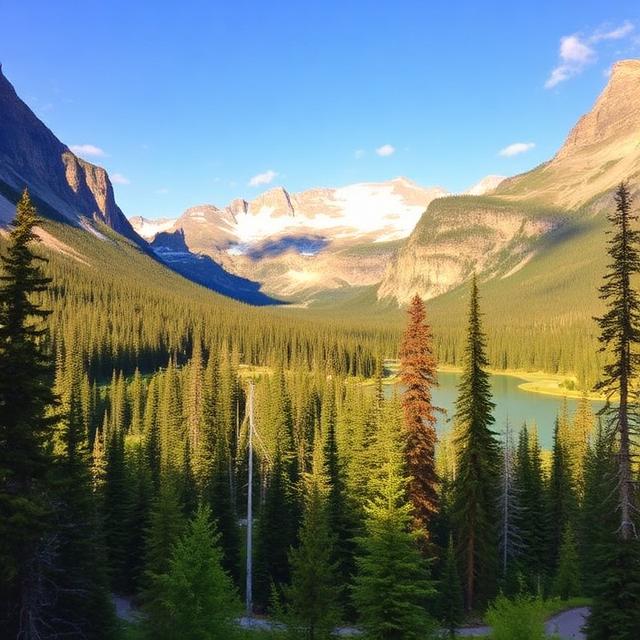
Why It’s Legendary:
Banff transforms into a winter wonderland with snow-covered Rockies, frozen lakes, and sparkling waterfalls. Snowshoe along icy trails, spot wildlife tracks in the snow, and experience the serene beauty of Canada’s wilderness.
📍 Location: Alberta, Canada
🏨 Where to Stay: Banff town, lodges, cabins
🗓 Best Time: December – March
Where to Trek: Johnston Canyon Icewalk, Lake Louise Lakeshore, Sunshine Meadows
Known For: Rockies, frozen waterfalls, wildlife
Key Features: Snowshoeing, ice trekking, wildlife spotting, photography
Challenges: Deep snow, icy trails, cold temperatures
Ideal For: Nature lovers, beginner to intermediate snow trekkers, photographers
Types of Adventure: Snowshoeing, winter hiking, wildlife photography
Travel Tip: Carry microspikes for icy sections and check trail closures
2. Olanka National Park, Finland
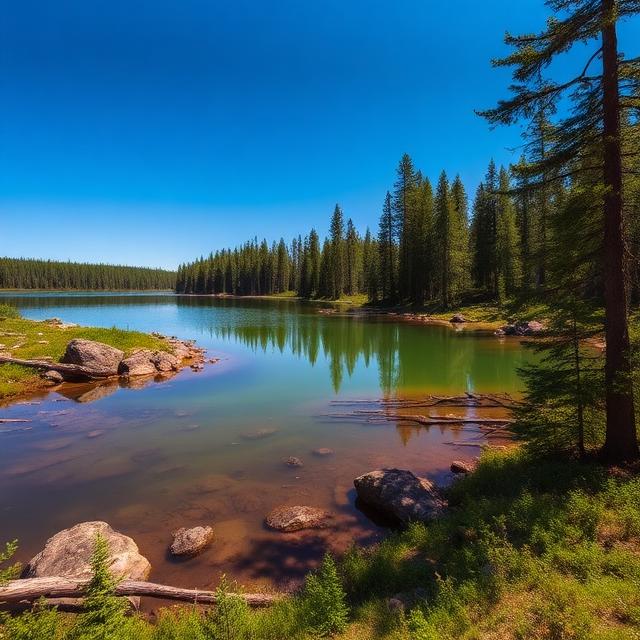
Why It’s Legendary:
Olanka offers untouched boreal forests, frozen rivers, and the magic of Northern Lights. Its Karhunkierros (Bear Trail) sections provide peaceful solitude and pristine winter landscapes perfect for trekking and photography.
📍 Location: Kuusamo, Finland
🏨 Where to Stay: Local cabins, lodges, winter campsites
🗓 Best Time: December – March
Where to Trek: Karhunkierros Trail, Kiviniemi Nature Trail
Known For: Snow-covered forests, rivers, Northern Lights
Key Features: Snowshoe trekking, ice trekking, wildlife spotting, photography
Challenges: Cold weather, deep snow, limited amenities
Ideal For: Adventure seekers, photographers, winter solitude enthusiasts
Types of Adventure: Snowshoeing, winter trekking, nature photography
Travel Tip: Use GPS or trail markers; dress in layers and carry hot drinks
3. Rocky Mountain National Park, USA
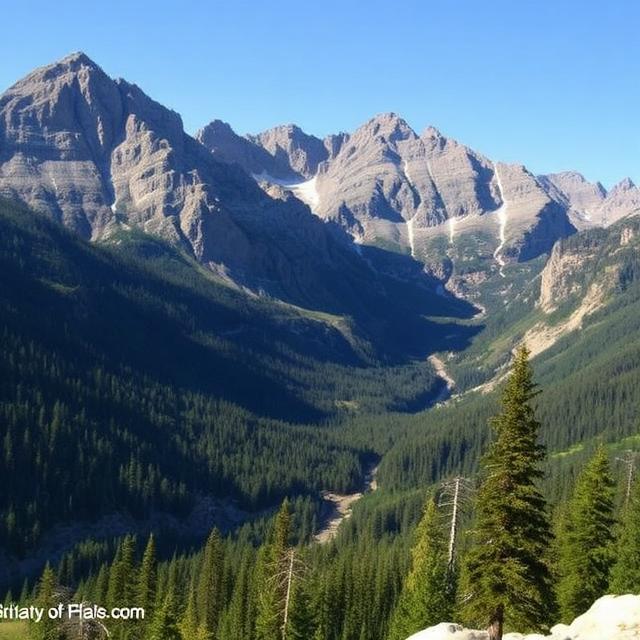
Why It’s Legendary:
Snow blankets alpine lakes and pine forests, creating a pristine winter playground. Trekking trails like Bear Lake and Emerald Lake provide both scenic beauty and physical challenge. Wildlife tracks add a sense of wilderness adventure.
📍 Location: Colorado, USA
🏨 Where to Stay: Estes Park, lodges, cabins
🗓 Best Time: December – February
Where to Trek: Bear Lake Trail, Emerald Lake Trail, Dream Lake Trail
Known For: Snow-covered peaks, frozen lakes, wildlife tracks
Key Features: Snowshoeing, ice trekking, wildlife spotting
Challenges: Altitude, icy conditions, winter storms
Ideal For: Intermediate trekkers, nature photographers, adventure enthusiasts
Types of Adventure: Snowshoeing, winter hiking, wildlife spotting
Travel Tip: Use trekking poles for stability and start early to avoid afternoon ice
4. Yellowstone National Park, USA
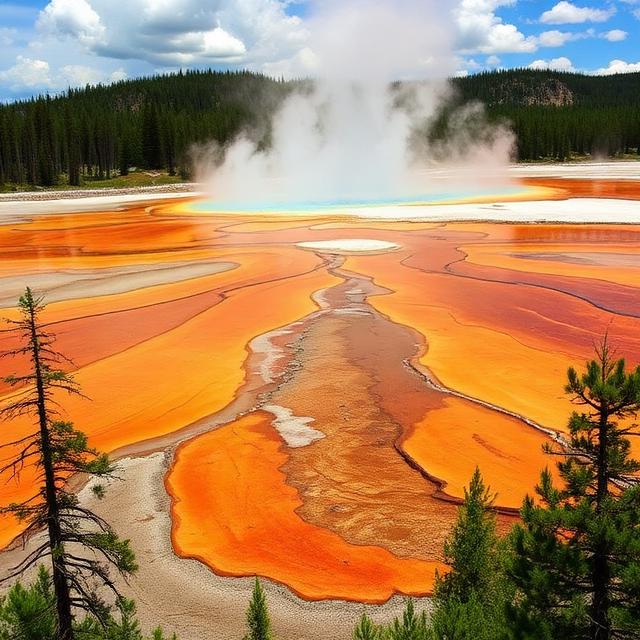
Why It’s Legendary:
Yellowstone’s steaming geysers against snowy landscapes create a surreal winter world. Winter trekking combines wildlife spotting with icy geyser basins, offering experiences unlike anywhere else.
📍 Location: Wyoming, Montana, Idaho, USA
🏨 Where to Stay: West Yellowstone, lodges, winter cabins
🗓 Best Time: December – March
Where to Trek: Upper Geyser Basin, Lamar Valley, Mammoth Hot Springs Boardwalk
Known For: Geysers, bison, wolves, frozen landscapes
Key Features: Winter hiking, snowshoeing, wildlife spotting, photography
Challenges: Extreme cold, icy trails, wildlife encounters
Ideal For: Adventurers, wildlife photographers, winter hikers
Types of Adventure: Snowshoeing, winter trekking, wildlife photography
Travel Tip: Always check trail conditions and carry bear spray if hiking near wildlife
5. Lapland / Abisko National Park, Sweden
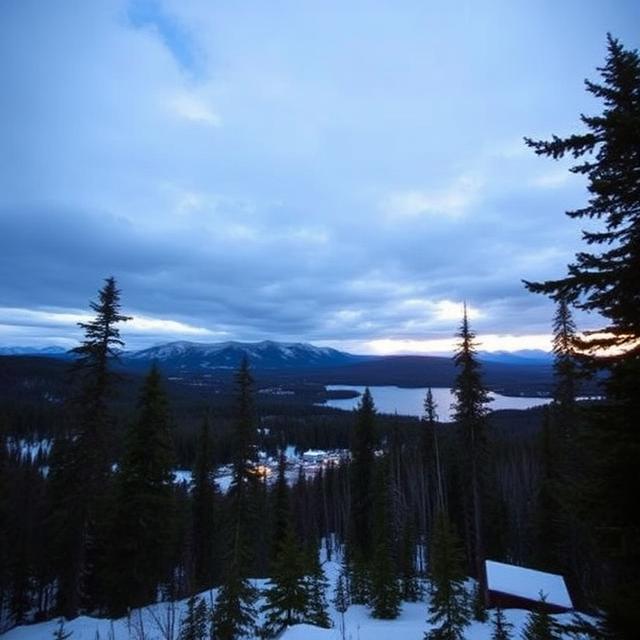
Why It’s Legendary:
Abisko offers Northern Lights, frozen lakes, and wide snowy expanses. Winter trekkers can explore Kungsleden trails and enjoy solitude while snowshoeing in breathtaking Arctic scenery.
📍 Location: Lapland, Sweden
🏨 Where to Stay: STF lodges, winter cabins
🗓 Best Time: December – March
Where to Trek: Kungsleden Trail, Abisko Canyon Trail
Known For: Northern Lights, frozen lakes, Arctic scenery
Key Features: Snowshoe trekking, winter hiking, wildlife spotting, photography
Challenges: Extreme cold, snowstorms, isolation
Ideal For: Adventure seekers, photographers, winter explorers
Types of Adventure: Snowshoeing, winter trekking, Northern Lights photography
Travel Tip: Dress in layers and bring insulated boots; plan for short daylight hours
6. Grand Teton National Park, USA
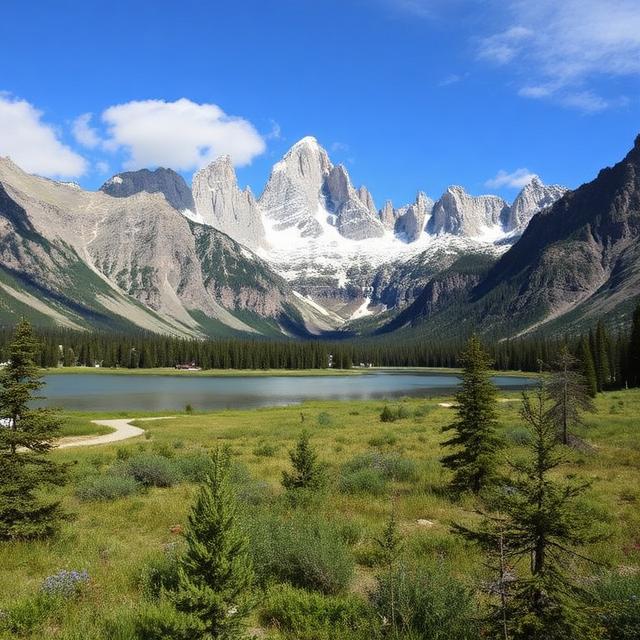
Why It’s Legendary:
Snow-covered peaks, frozen waterfalls, and alpine vistas make Grand Teton a winter paradise. Trails like Taggart Lake offer accessible winter trekking with dramatic backdrops.
📍 Location: Wyoming, USA
🏨 Where to Stay: Jackson, lodges, cabins
🗓 Best Time: December – February
Where to Trek: Taggart Lake Trail, Jenny Lake Loop, Cascade Canyon Trail (winter sections)
Known For: Alpine peaks, frozen lakes, wildlife
Key Features: Snowshoeing, ice trekking, photography
Challenges: Deep snow, cold temperatures, icy trails
Ideal For: Intermediate trekkers, photographers, adventure seekers
Types of Adventure: Snowshoeing, winter trekking, wildlife spotting
Travel Tip: Use snowshoes on deeper snow and trekking poles for stability
7. Glacier National Park, USA
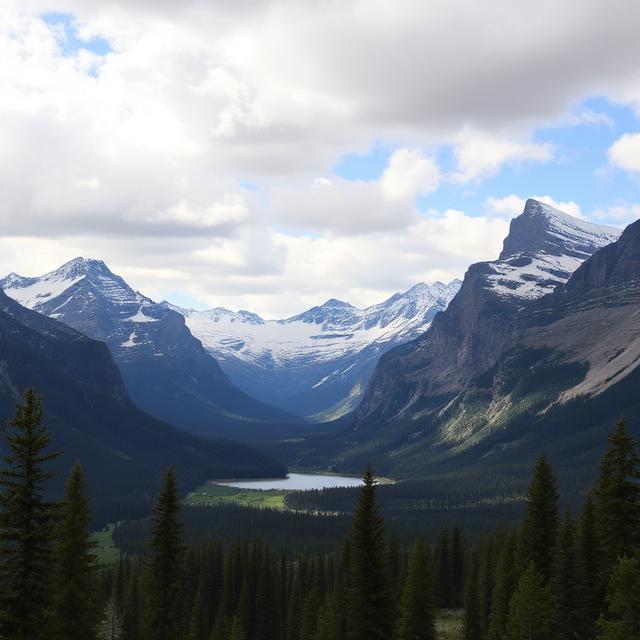
Why It’s Legendary:
Glacier’s snow-covered peaks and frozen lakes create a remote winter wilderness. Trails like Hidden Lake Overlook and Avalanche Lake offer unforgettable snow trekking experiences.
📍 Location: Montana, USA
🏨 Where to Stay: West Glacier, lodges, cabins
🗓 Best Time: December – March
Where to Trek: Hidden Lake Overlook, Avalanche Lake, Grinnell Glacier Trail (winter sections)
Known For: Snowy peaks, frozen lakes, wildlife
Key Features: Snowshoeing, ice trekking, photography
Challenges: Avalanche risk, isolation, deep snow
Ideal For: Experienced trekkers, photographers, winter explorers
Types of Adventure: Snowshoeing, winter trekking, wildlife photography
Travel Tip: Check avalanche warnings and trail conditions before venturing out
8. Swiss National Park, Switzerland
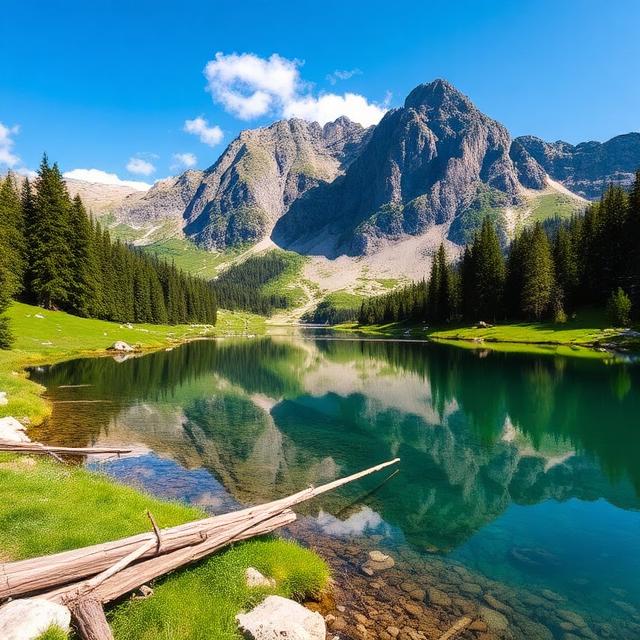
Why It’s Legendary:
Switzerland’s first national park transforms into a snowy alpine wonderland in winter. Trails like Val Trupchun offer quiet winter trekking and pristine scenery.
📍 Location: Graubünden, Switzerland
🏨 Where to Stay: Zernez, lodges, mountain huts
🗓 Best Time: December – March
Where to Trek: Val Trupchun, Fuorcla Suvretta, Chamanna Cluozza Trails
Known For: Alpine peaks, wildlife, pristine snow fields
Key Features: Snowshoeing, winter trekking, wildlife spotting, photography
Challenges: Snow depth, cold temperatures, trail navigation
Ideal For: Intermediate trekkers, photographers, nature lovers
Types of Adventure: Snowshoeing, winter trekking, wildlife photography
Travel Tip: Use trail markers and carry GPS; winter huts may require booking in advance
9. Jigokudani Monkey Park, Japan
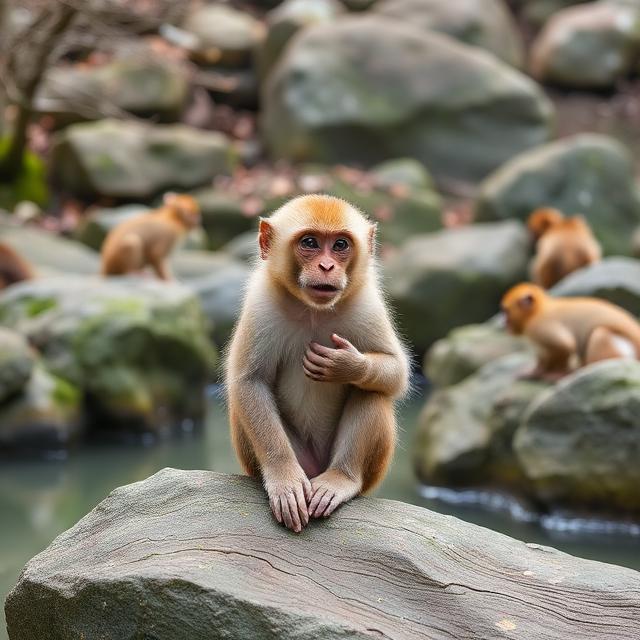
Why It’s Legendary:
Jigokudani is famous for snow monkeys relaxing in hot springs, set against snowy forests. Easy winter treks make it perfect for photographers and wildlife enthusiasts.
📍 Location: Nagano Prefecture, Japan
🏨 Where to Stay: Yudanaka, Shibu Onsen ryokans, lodges
🗓 Best Time: December – February
Where to Trek: Monkey Park Trail, Kanbayashi Trail
Known For: Snow monkeys, snowy forests, hot springs
Key Features: Winter trekking, wildlife spotting, photography
Challenges: Slippery trails, crowds
Ideal For: Beginners, photographers, family-friendly adventure
Types of Adventure: Winter hiking, wildlife photography
Travel Tip: Wear waterproof boots and stay on marked paths; mornings are best for monkey sightings
10. Yosemite National Park, USA
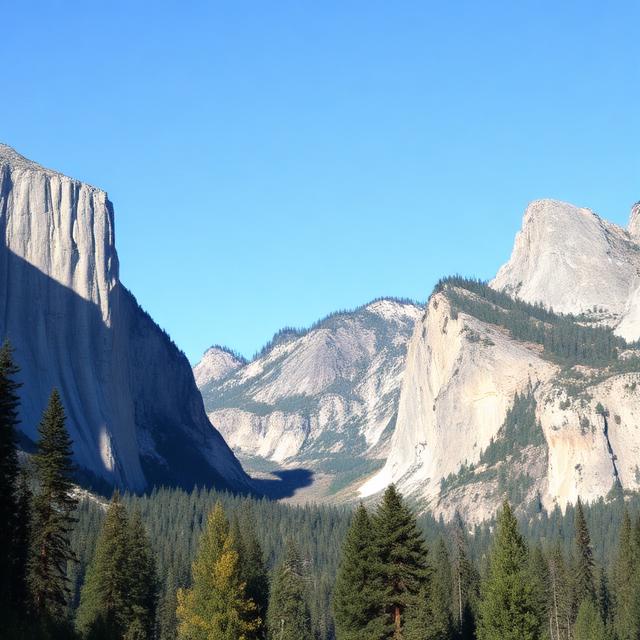
Why It’s Legendary:
Yosemite’s granite cliffs dusted in snow and frozen waterfalls create iconic winter scenery. Trails like Mirror Lake are perfect for serene snow trekking.
📍 Location: California, USA
🏨 Where to Stay: Yosemite Valley lodges, cabins
🗓 Best Time: December – February
Where to Trek: Mirror Lake Trail, Lower Yosemite Falls, Sentinel Dome (winter access)
Known For: Granite cliffs, frozen waterfalls, winter landscapes
Key Features: Snow trekking, photography, scenic walks
Challenges: Icy trails, cold temperatures, limited daylight
Ideal For: Beginner to intermediate trekkers, photographers, winter explorers
Types of Adventure: Snow trekking, winter hiking, photography
Travel Tip: Carry microspikes for icy sections and check road/trail closures
✅ Winter Trekking Tips (General)
- Check trail closures and avalanche warnings
- Dress in layers and bring waterproof gear
- Carry snowshoes, trekking poles, and GPS
- Hike with a partner for safety
- Bring snacks and hot drinks for long treks
Conclusion
Winter transforms trekking trails into magical, serene landscapes that challenge your endurance and reward you with breathtaking scenery. From the quiet forests of Olanka National Park to the rugged peaks of the Rockies, each trail offers unique experiences—snowshoeing across frozen lakes, spotting wildlife tracks in untouched snow, or photographing icicle-draped waterfalls.
Whether you’re a beginner seeking peaceful winter walks or an experienced adventurer craving extreme icy trails, these 10 snowy trekking trails are perfect for making unforgettable memories this season. Layer up, pack your snowshoes, and embrace the adventure—winter is calling!
Frequently Asked Questions (FAQ)
Q1: Do I need special gear for snowy trekking?
A: Yes! Essential gear includes snowshoes or microspikes, trekking poles, waterproof winter boots, layered clothing, insulated gloves, and a warm hat. A GPS or map is also highly recommended for remote trails.
Q2: Can beginners do these trails?
A: Many trails, like Mirror Lake in Yosemite or Jigokudani Monkey Park in Japan, are beginner-friendly. Others, like Kungsleden in Sweden or Glacier National Park, require intermediate to advanced skills. Always check trail difficulty before heading out.
Q3: When is the best time for snowy trekking?
A: Generally, December to March is the prime winter trekking season for most northern hemisphere trails. Some locations, like Lapland or Olanka, have snow earlier and longer.
Q4: Are these trails safe in winter?
A: Winter trekking carries risks like icy trails, avalanches, and extreme cold. Always check weather conditions, avalanche warnings, and trail closures. Trekking with a partner and carrying emergency gear is strongly recommended.
Q5: How do I prepare for extreme cold?
A: Dress in layers (base, mid, outer shell), wear insulated boots, and keep extremities warm with gloves and hats. Carry hand warmers and high-energy snacks. Always stay hydrated even in cold weather.
Q6: Can I see wildlife on snowy trails?
A: Yes! Many trails offer incredible wildlife viewing opportunities. For example, Yellowstone has bison and wolves, Olanka has reindeer and foxes, and Jigokudani is famous for snow monkeys.
Q7: Do I need a guide for these trails?
A: For beginner-friendly trails, guides are optional. For remote or extreme conditions (like Abisko or Glacier National Park in winter), hiring a local guide is recommended for safety.









Leave a Reply