Deep sea fishing in the United States offers anglers access to some of the most diverse and productive waters in the world. From warm Gulf currents packed with tuna and marlin to cold Pacific depths known for halibut and salmon, the U.S. coastline delivers year-round opportunities for serious offshore fishing. Whether you’re booking a charter or planning a multi-day fishing getaway, these beaches combine prime offshore access, experienced captains, and nearby accommodations that make deep sea fishing both productive and convenient.
Below are the 25 best beaches for deep sea fishing in the USA, broken down by why they’re exceptional, what you can catch, where to fish, and where to stay.
1. Key West Beach, Florida
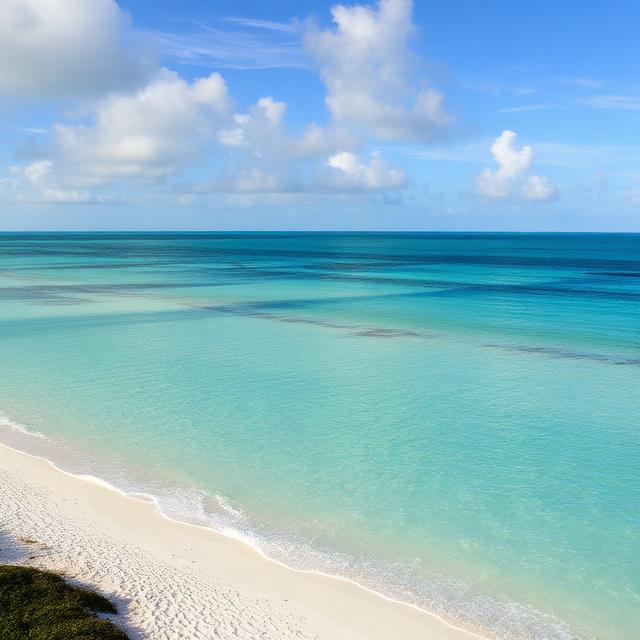
Key West is one of the most legendary deep-sea fishing gateways in the United States, sitting right on the edge of the Gulf Stream. This fast-moving current brings warm, nutrient-rich waters close to shore, creating year-round opportunities for big game fishing. Anglers can reach deep offshore waters in a very short boat ride, making it highly efficient for charter trips.
Types of Fish: Sailfish, mahi-mahi, tuna, marlin, wahoo are the main offshore targets. Billfish action is especially strong during peak migration seasons.
Where to Fish: Offshore Atlantic waters where the Gulf Stream runs closest to shore. Focus on current edges, floating debris lines, and deep drop-offs where pelagic fish feed.
Where to Stay: Waterfront resorts, marinas, and fishing lodges near Key West Harbor for quick access to charter boats.
2. Destin Beach, Florida
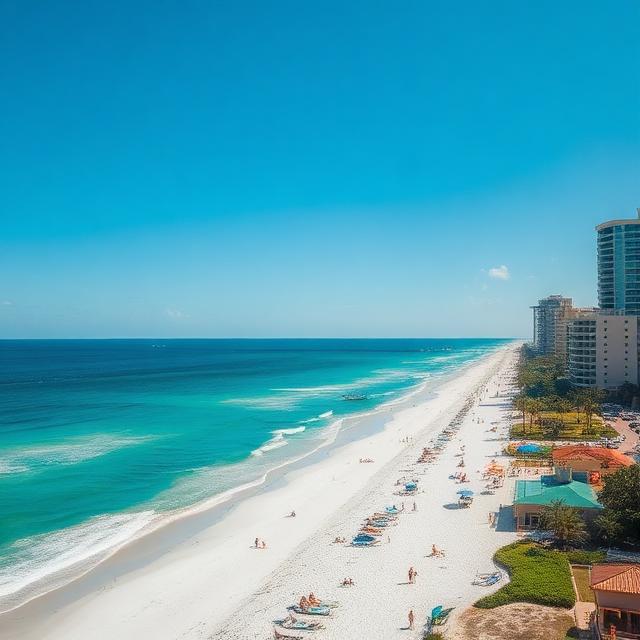
Destin is often called the “World’s Luckiest Fishing Village” because of its unusually deep waters just offshore. The area is filled with artificial reefs, wrecks, and natural ledges that attract dense populations of fish year-round. Calm Gulf conditions also make offshore trips smoother and more accessible.
Types of Fish: Red snapper, grouper, amberjack, tuna, king mackerel.
Where to Fish: Offshore Gulf waters around reefs, wrecks, and deep natural structures. These areas hold fish consistently throughout the year.
Where to Stay: Beachfront condos and hotels near Destin Harbor with easy marina access.
3. Islamorada Beach, Florida Keys
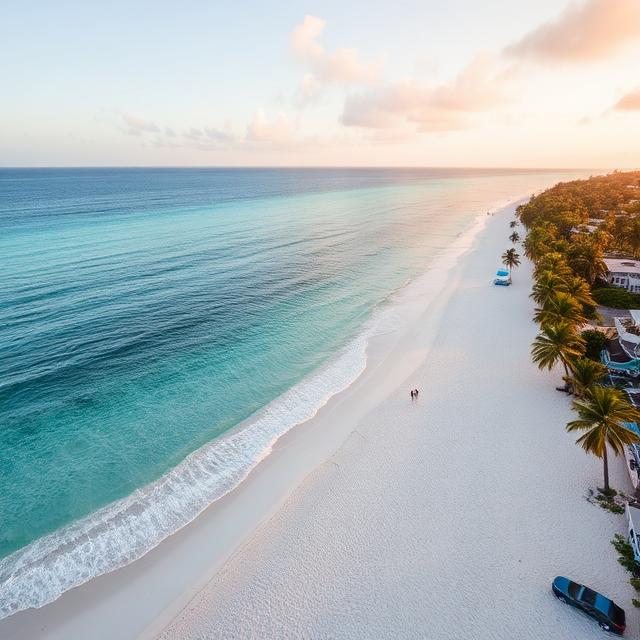
Islamorada is a premier sportfishing destination located between the Atlantic Ocean and Florida Bay, offering unmatched variety. Deep water is close to shore, and strong currents bring constant bait movement that attracts large predators.
Types of Fish: Sailfish, marlin, tuna, mahi-mahi, wahoo.
Where to Fish: Offshore Atlantic waters along reef edges and Gulf Stream drop-offs. These current zones are prime trolling grounds.
Where to Stay: Waterfront fishing lodges and boutique resorts throughout the Upper Florida Keys.
4. Miami Beach, Florida
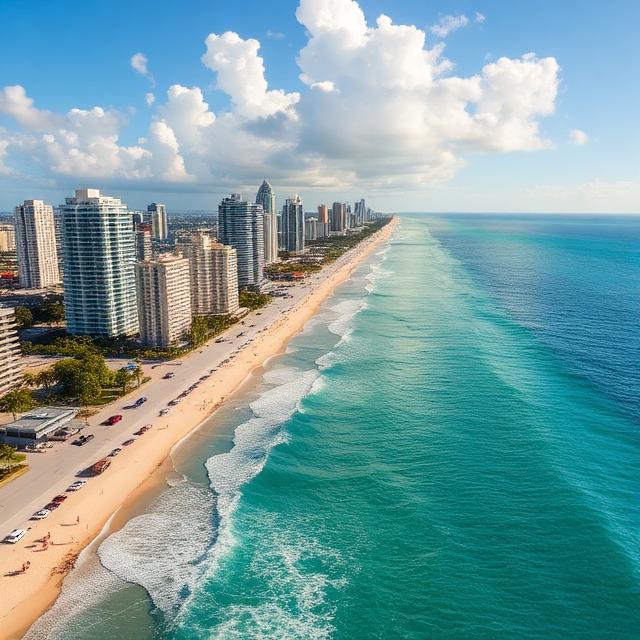
Miami Beach offers one of the fastest access points to deep-sea fishing in the United States due to its proximity to the Gulf Stream. Within minutes of leaving the marina, anglers can be in deep blue water targeting trophy species.
Types of Fish: Sailfish, swordfish, tuna, wahoo.
Where to Fish: Offshore Atlantic waters east of Miami, especially along current breaks and deep underwater ledges.
Where to Stay: Oceanfront hotels and marina-access resorts in Miami Beach and nearby Bayside areas.
5. Daytona Beach, Florida
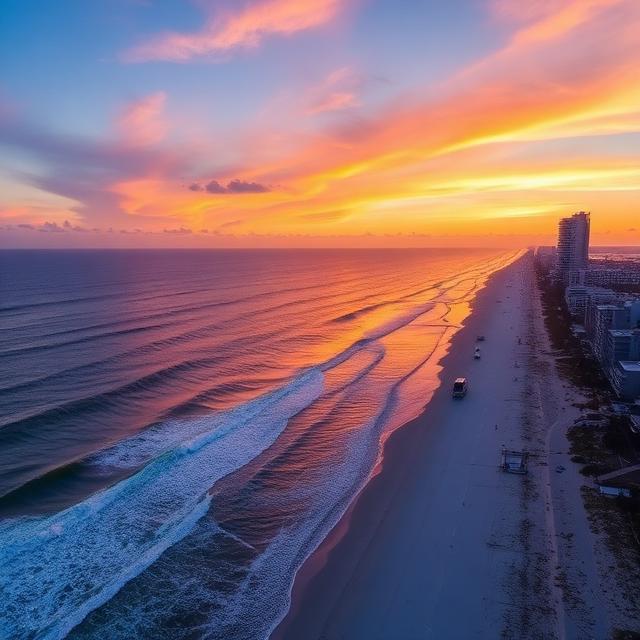
Daytona Beach provides strong seasonal offshore fishing opportunities influenced by Atlantic migrations. Large bait schools move through the area, attracting predators during peak periods.
Types of Fish: Mahi-mahi, kingfish, tuna, sailfish.
Where to Fish: Offshore Atlantic waters beyond the continental shelf, especially around temperature breaks and bait concentrations.
Where to Stay: Beachfront hotels and coastal vacation rentals along Daytona’s shoreline.
6. South Padre Island, Texas
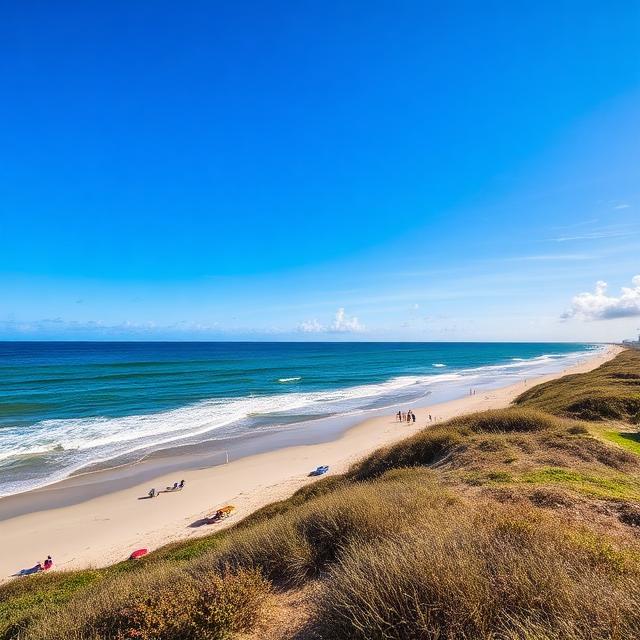
South Padre Island is one of the top Gulf of Mexico fishing hubs, with access to deep waters and offshore oil rigs that act as artificial reefs. These structures create thriving marine ecosystems.
Types of Fish: Red snapper, kingfish, shark, mahi-mahi.
Where to Fish: Offshore Gulf waters around oil rigs, rigs-to-reefs structures, and deep artificial reefs.
Where to Stay: Beach resorts and condos near Port Isabel and South Padre Island.
7. Port Aransas Beach, Texas
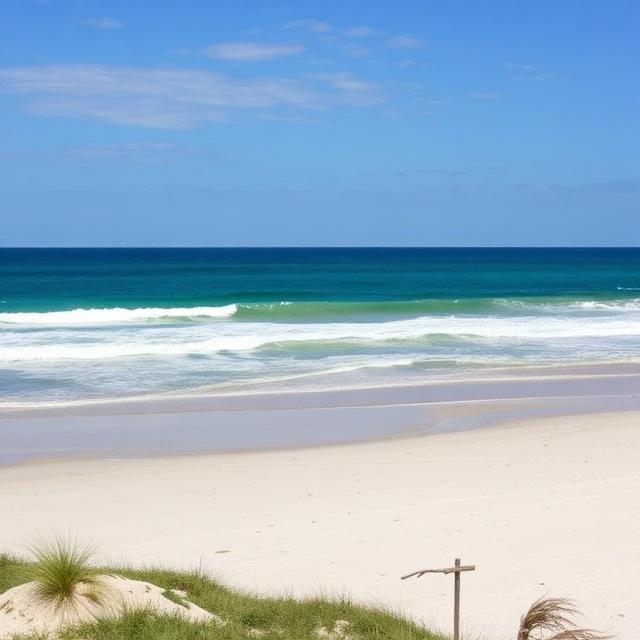
Port Aransas is a major offshore fishing hub on the Texas coast, known for strong charter operations and productive Gulf waters. Seasonal migrations bring large pelagic species closer to shore.
Types of Fish: Tuna, marlin, mahi-mahi, snapper.
Where to Fish: Offshore Gulf waters near deep ledges, rigs, and current convergence zones.
Where to Stay: Beach houses, marina hotels, and waterfront rentals near the Port Aransas docks.
8. Venice Beach, Louisiana
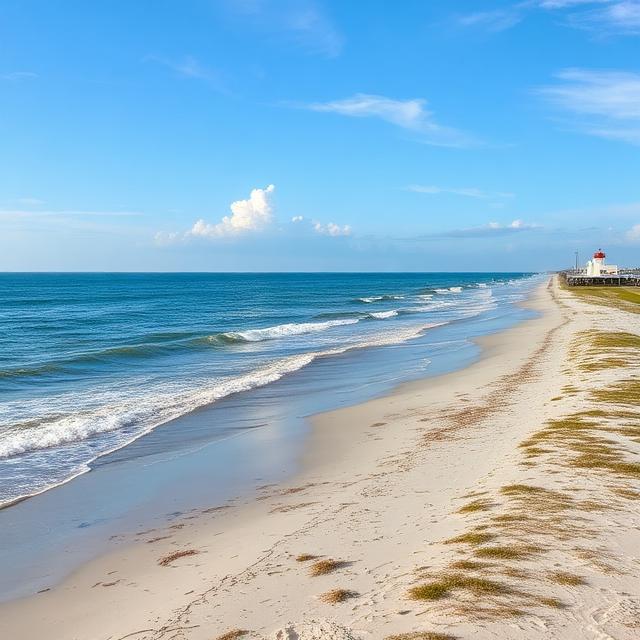
Venice sits at the mouth of the Mississippi River, making it one of the most nutrient-rich offshore fishing environments in the world. This creates an ideal feeding ground for trophy pelagic fish.
Types of Fish: Yellowfin tuna, swordfish, wahoo, marlin.
Where to Fish: Offshore Gulf waters near deepwater oil rigs and drop-offs where strong currents concentrate baitfish.
Where to Stay: Fishing lodges and charter-focused accommodations built for offshore anglers.
9. Orange Beach, Alabama
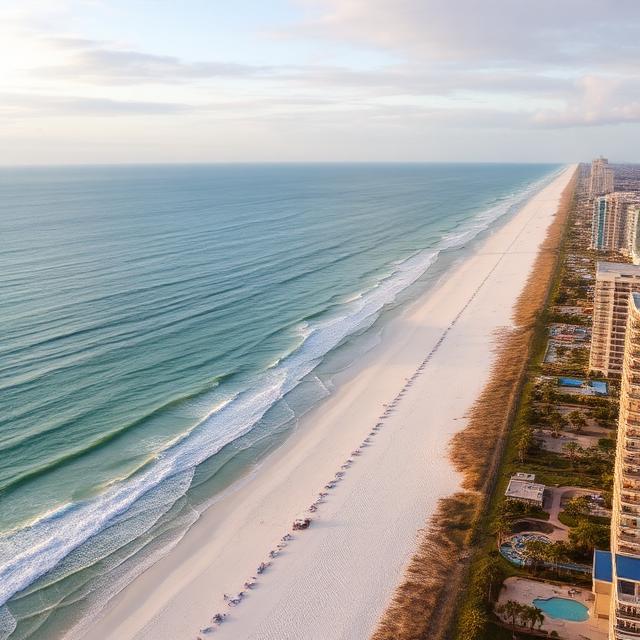
Orange Beach is a well-known Gulf Coast fishing destination with extensive artificial reef systems and calm offshore waters. These reefs create reliable year-round fishing opportunities.
Types of Fish: Snapper, grouper, amberjack, tuna.
Where to Fish: Offshore Gulf waters over reefs, wrecks, and natural ledges where fish gather in structure-heavy zones.
Where to Stay: Beachfront condos and marina-side resorts with direct charter access.
10. Gulf Shores Beach, Alabama
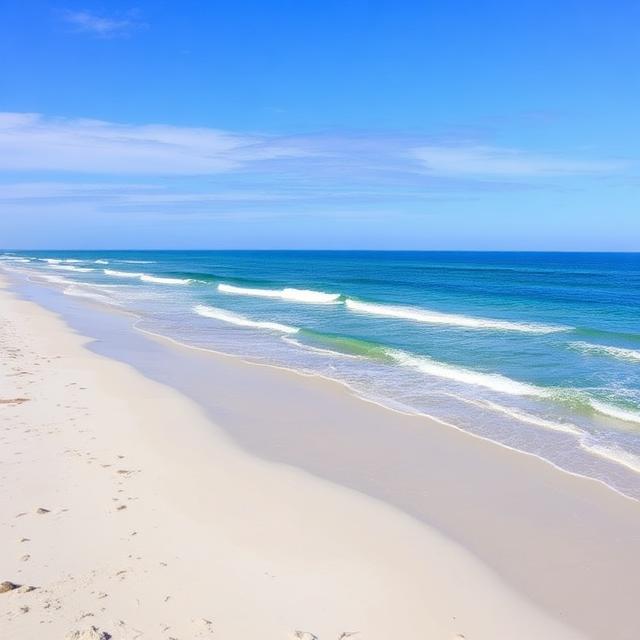
Gulf Shores offers consistent offshore fishing opportunities supported by managed fisheries and productive Gulf waters. Its mix of reefs and deeper structures attracts a steady variety of fish.
Types of Fish: Mahi-mahi, snapper, tuna, kingfish.
Where to Fish: Offshore Gulf waters beyond nearshore reefs, focusing on deeper structure and open-water feeding zones.
Where to Stay: Beach resorts, condos, and vacation rentals along the Gulf Shores coastline.vacation rentals.
11. Myrtle Beach, South Carolina
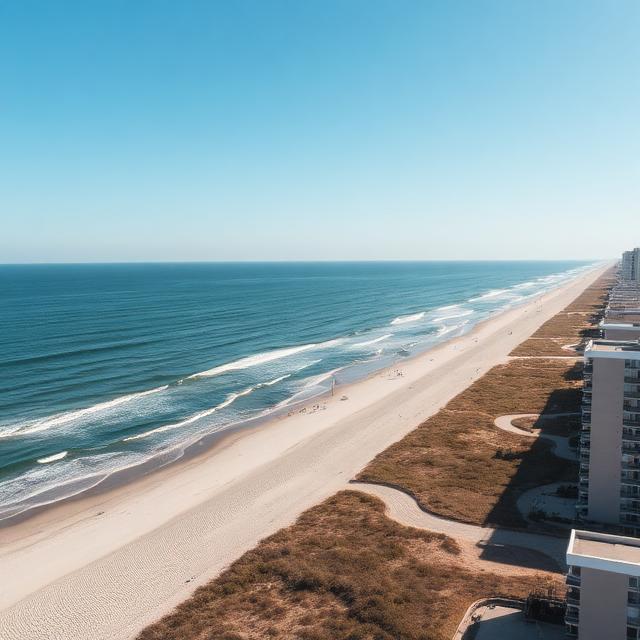
Myrtle Beach sits along major Atlantic migration routes, making it a consistent offshore fishing destination throughout the year. Seasonal changes bring a wide mix of pelagic species close to shore, especially during warmer months.
Types of Fish: King mackerel, sailfish, tuna, cobia.
Where to Fish: Offshore Atlantic waters near reef structures, ledges, and current transition zones where baitfish gather.
Where to Stay: Oceanfront hotels and fishing lodges along Myrtle Beach with easy marina access.
12. Outer Banks Beaches, North Carolina
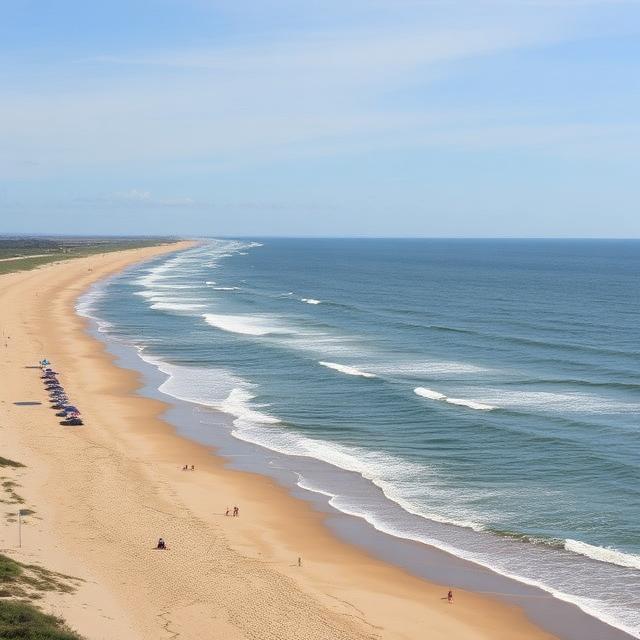
The Outer Banks are where warm Gulf Stream currents meet cooler northern waters, creating one of the richest fishing ecosystems on the East Coast. This convergence attracts massive migratory fish populations and trophy game species.
Types of Fish: Blue marlin, white marlin, tuna, wahoo.
Where to Fish: Offshore Atlantic waters along the Gulf Stream edges and deep canyon drop-offs.
Where to Stay: Beach houses, coastal inns, and fishing-focused rentals throughout the Outer Banks.
13. Wrightsville Beach, North Carolina
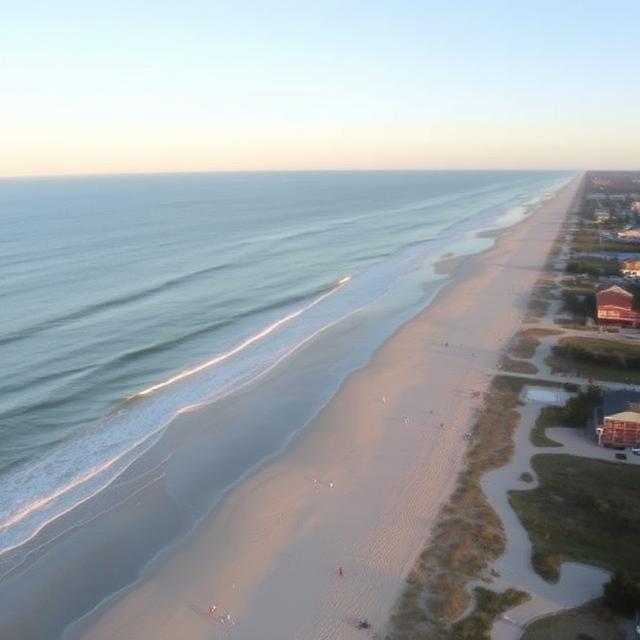
Wrightsville Beach offers quick access to deep offshore waters, making it ideal for short but productive fishing trips. Strong currents and nearby shelf breaks bring in migrating pelagic species.
Types of Fish: Sailfish, marlin, tuna, mahi-mahi.
Where to Fish: Offshore Atlantic waters near continental shelf breaks and current edges where bait concentrates.
Where to Stay: Waterfront hotels and marina-area accommodations close to charter docks.
14. Montauk Beach, New York
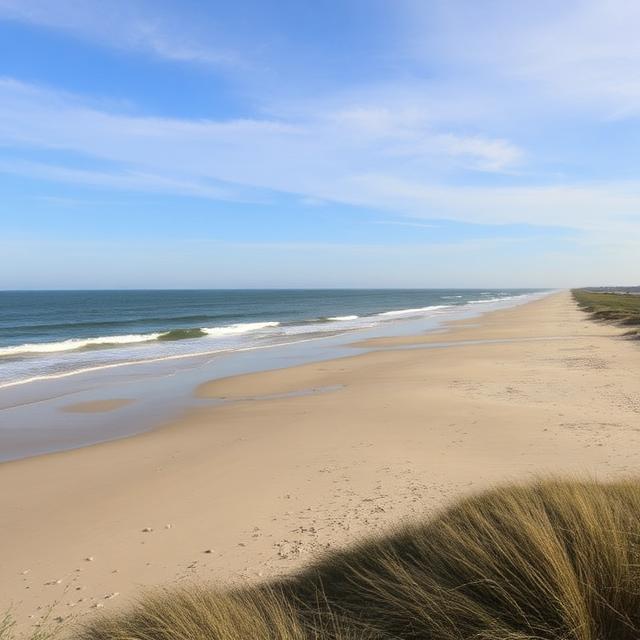
Montauk is known as the fishing capital of the Northeast, offering access to deep Atlantic canyons and nutrient-rich cold waters. These conditions support trophy-sized pelagic fish.
Types of Fish: Bluefin tuna, swordfish, mako sharks.
Where to Fish: Offshore Atlantic canyons and deep offshore waters where strong currents meet underwater drop-offs.
Where to Stay: Coastal inns, boutique hotels, and fishing lodges in Montauk and surrounding Long Island areas.
15. Cape Cod National Seashore, Massachusetts
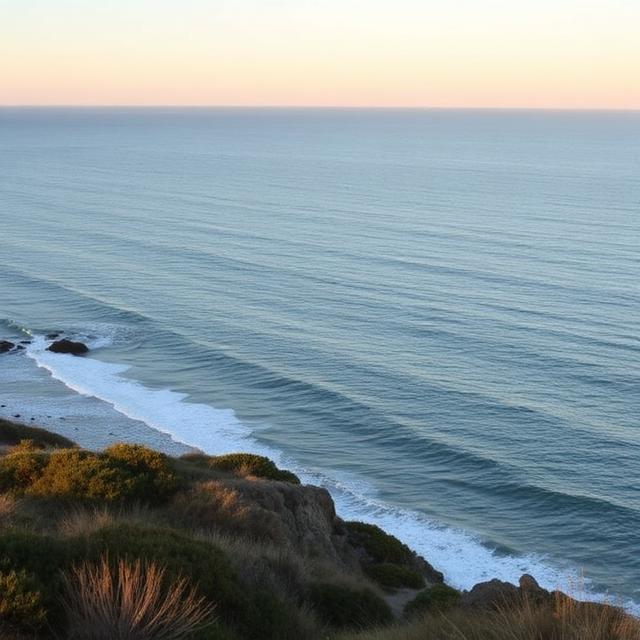
Cape Cod features cold, nutrient-rich waters that support some of the largest bluefin tuna populations in the world. Offshore canyons create ideal feeding grounds for large predators.
Types of Fish: Bluefin tuna, swordfish, sharks.
Where to Fish: Offshore Atlantic waters along canyon edges and continental shelf breaks.
Where to Stay: Seaside inns, beach cottages, and coastal rentals throughout Cape Cod.
16. San Diego Beaches, California
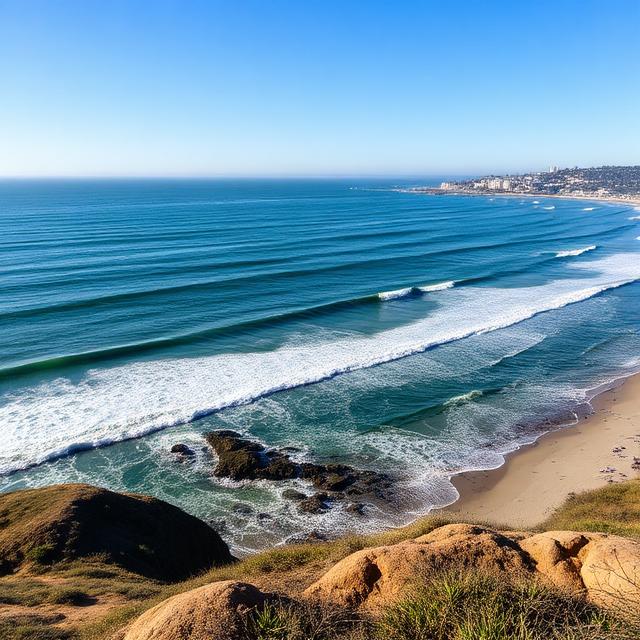
San Diego is one of the top West Coast fishing hubs, with access to productive offshore banks and seasonal tuna migrations. Stable weather makes offshore trips reliable year-round.
Types of Fish: Bluefin tuna, yellowfin tuna, dorado.
Where to Fish: Offshore Pacific waters around offshore banks, underwater ridges, and deep current zones.
Where to Stay: Beachfront hotels and marina resorts near San Diego Bay.
17. Santa Monica Beach, California
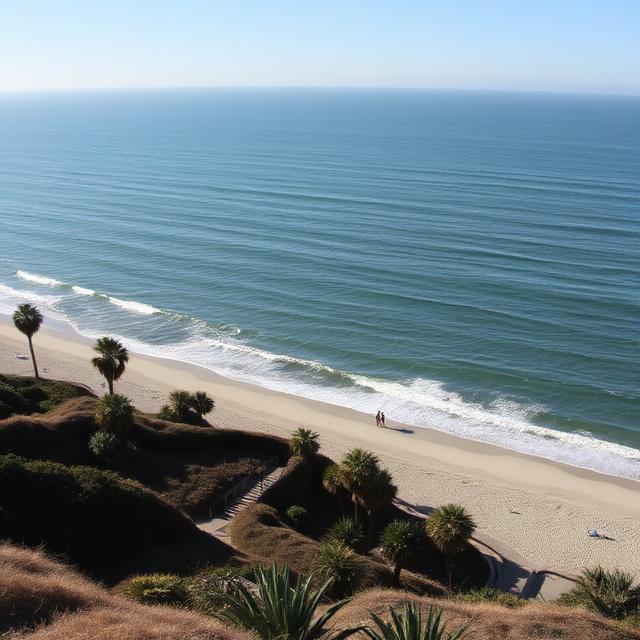
Santa Monica benefits from nearby submarine canyons that bring deep water close to shore. These underwater features attract pelagic fish and support consistent offshore action.
Types of Fish: Tuna, yellowtail, marlin.
Where to Fish: Offshore Pacific waters near canyon drop-offs and deep underwater channels.
Where to Stay: Oceanfront hotels and coastal vacation rentals along Santa Monica Bay.
18. Malibu Beach, California
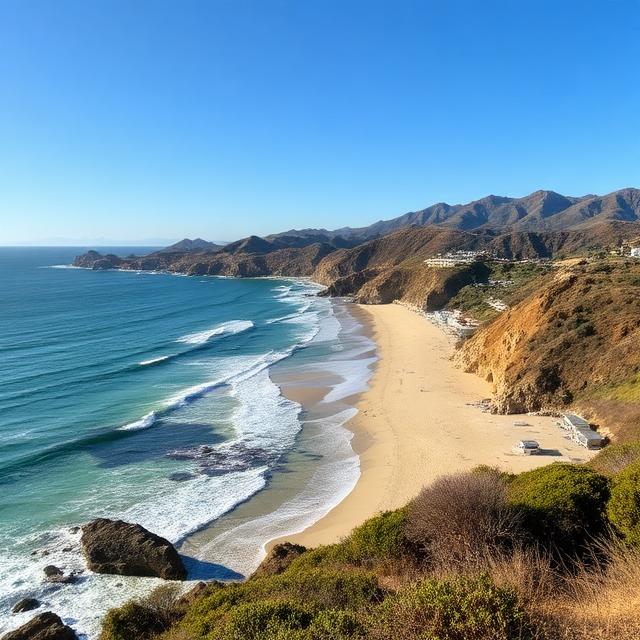
Malibu’s steep underwater drop-offs allow anglers to access deep fishing grounds relatively quickly. These contours create natural migration paths for pelagic species.
Types of Fish: Tuna, swordfish, marlin.
Where to Fish: Offshore Pacific waters along deep drop-offs, underwater ridges, and channel edges.
Where to Stay: Beachfront homes, luxury coastal rentals, and boutique resorts along Malibu’s coastline.
19. Cannon Beach, Oregon
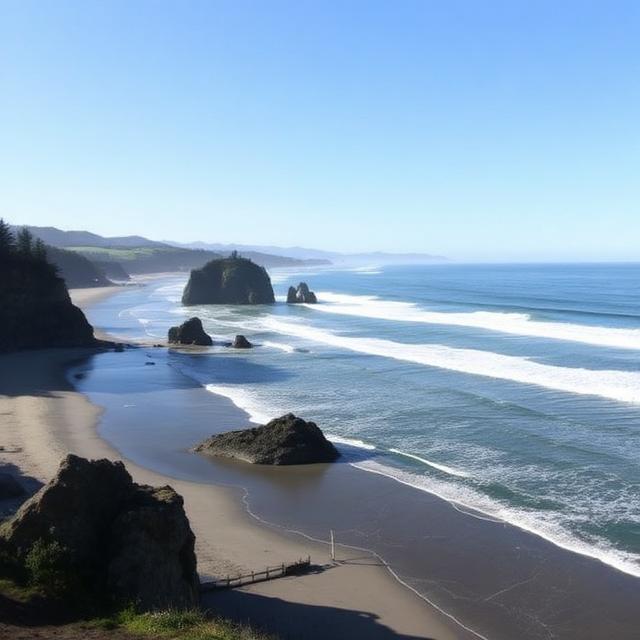
Cannon Beach offers cold Pacific waters with strong offshore ecosystems and lower fishing pressure compared to more crowded regions. This helps support larger fish populations.
Types of Fish: Halibut, tuna, salmon.
Where to Fish: Offshore Pacific waters beyond the nearshore zone, especially around deep structure and cooler current areas.
Where to Stay: Coastal lodges, oceanfront inns, and small boutique hotels near Cannon Beach.
20. Long Beach, Washington
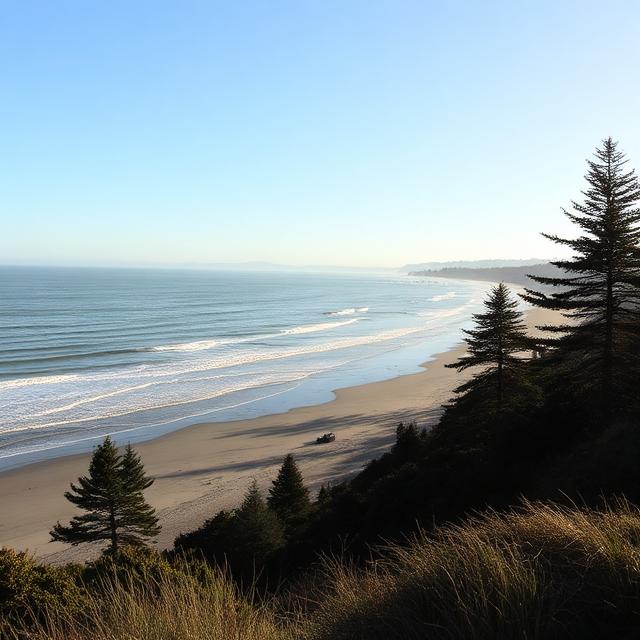
Long Beach features deep Pacific waters and offshore canyon systems that support abundant fish populations. Its remote location reduces pressure on fisheries, improving catch potential.
Types of Fish: Halibut, tuna, lingcod.
Where to Fish: Offshore Pacific waters around canyon systems and deep structural zones.
Where to Stay: Beach hotels, fishing lodges, and coastal rentals along the Washington coast.
21. Homer Spit Beach, Alaska
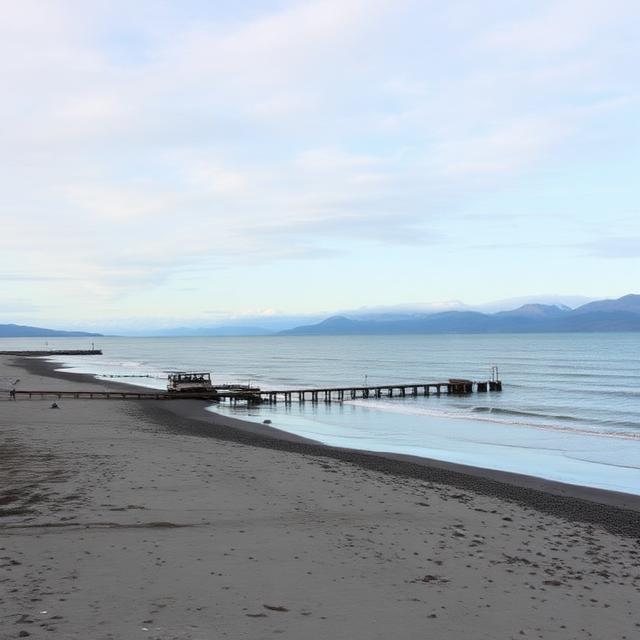
Homer is one of the most famous halibut fishing destinations in the world, set along the productive waters of Cook Inlet and the Gulf of Alaska. Cold, nutrient-rich currents create ideal conditions for large, slow-growing fish.
Types of Fish: Halibut, salmon, rockfish.
Where to Fish: Cook Inlet and offshore Gulf of Alaska waters, especially around deep bottom structure and current-swept zones.
Where to Stay: Harbor lodges, waterfront cabins, and fishing-focused inns along Homer Spit.
22. Seward Beach, Alaska
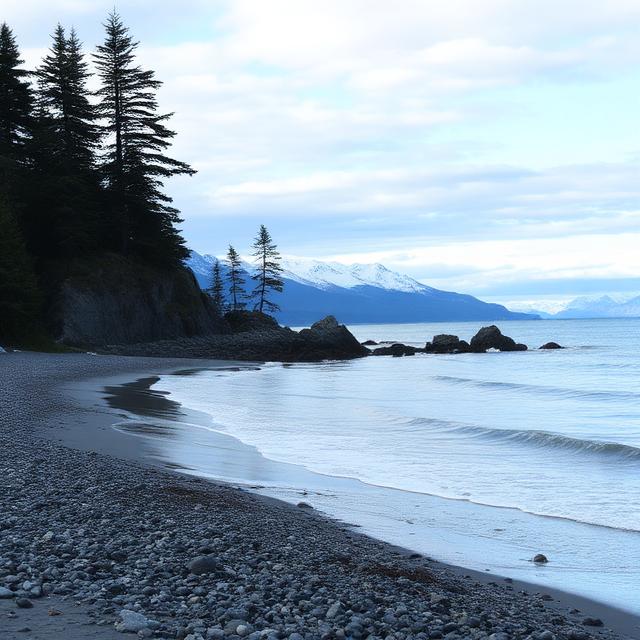
Seward offers access to deep fjords and rich marine ecosystems where cold Arctic waters meet nutrient upwellings. These conditions support healthy fish populations and trophy-sized catches.
Types of Fish: Halibut, lingcod, salmon.
Where to Fish: Resurrection Bay and nearby Gulf of Alaska waters, especially near deep channels and rocky structure.
Where to Stay: Harbor hotels, fishing lodges, and waterfront cabins in Seward.
23. Waikiki Beach, Hawaii
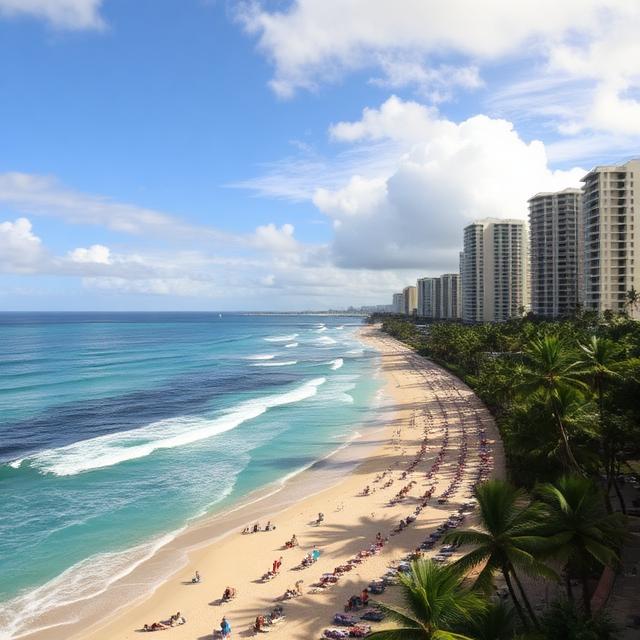
Waikiki provides quick access to deep Pacific waters just minutes offshore. Warm tropical currents support active feeding zones year-round, making it a reliable big-game destination.
Types of Fish: Blue marlin, ahi tuna, mahi-mahi.
Where to Fish: Offshore Pacific waters near steep drop-offs and underwater ridges off Oahu’s coast.
Where to Stay: Beachfront resorts and luxury hotels along Waikiki Beach.
24. Kona Coast Beaches, Hawaii
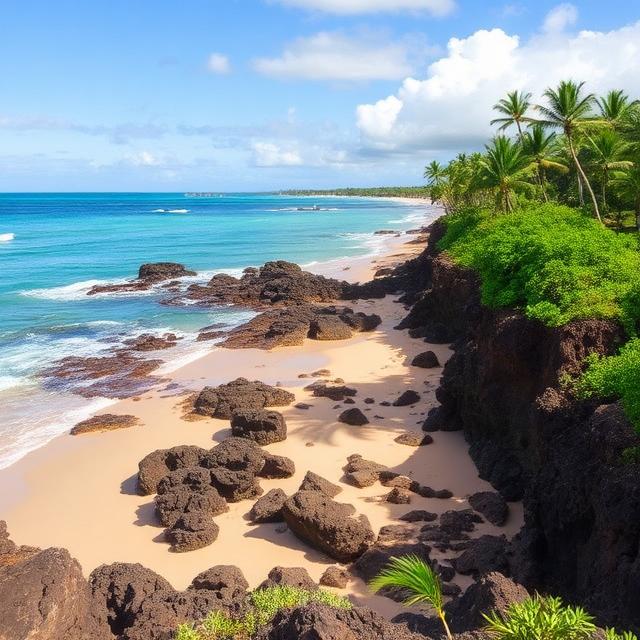
The Kona Coast is world-renowned for record-breaking blue marlin fishing. Calm leeward waters combined with deep offshore drop-offs create ideal conditions for trophy pelagic species.
Types of Fish: Giant blue marlin, tuna, ono.
Where to Fish: Offshore Pacific waters along the Kona Coast, especially over deep drop-offs and bait-rich currents.
Where to Stay: Oceanfront resorts and dedicated fishing lodges along the Big Island’s west coast.
25. Hatteras Island Beach, North Carolina
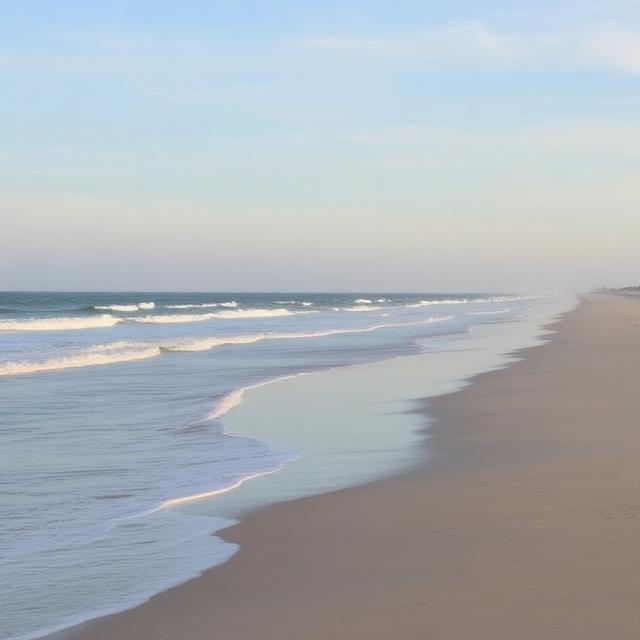
Hatteras Island sits near the powerful Gulf Stream, where warm currents collide with offshore structure to create one of the most productive fishing zones on the U.S. East Coast.
Types of Fish: Marlin, sailfish, tuna, wahoo.
Where to Fish: Offshore Atlantic waters along Gulf Stream current lines, canyon edges, and deep offshore structures.
Where to Stay: Beach cottages, coastal rentals, and fishing lodges across Hatteras Island.
Conclusion
From Florida’s Gulf Stream hotspots to Alaska’s cold-water giants and Hawaii’s legendary big-game fisheries, the United States offers world-class deep sea fishing for every type of angler. These beaches stand out not just for what you can catch, but for how easily you can access productive offshore waters, experienced guides, and comfortable accommodations. Whether you’re chasing trophy tuna, massive halibut, or acrobatic billfish, these destinations deliver unforgettable fishing experiences.
FAQ: Deep Sea Fishing in the USA
What is the best time of year for deep sea fishing in the USA?
It depends on location. Florida and Hawaii offer year-round fishing, while Pacific and Northeast destinations peak during summer and fall.
Do I need a fishing license for deep sea fishing?
Most charter boats include licensing in the trip cost, but private anglers may need state or federal permits.
How far offshore do deep sea fishing trips go?
Trips typically range from 10 to 60+ miles offshore, depending on target species and water depth.
Is deep sea fishing suitable for beginners?
Yes. Many charters cater to beginners and provide instruction, equipment, and guidance.
What should I bring on a deep sea fishing trip?
Sunscreen, motion sickness medication, snacks, polarized sunglasses, and weather-appropriate clothing.


Leave a Reply