In recent years, Mexico has garnered significant attention for both its beautiful landscapes and vibrant culture, as well as its troubling reputation for violence and crime in certain regions. The juxtaposition of stunning scenery with areas plagued by danger paints a complex picture of life in Mexico. This post aims to explore the 25 most dangerous cities in Mexico, providing insights into their backgrounds, current circumstances, and the factors contributing to their safety challenges.
1. Tijuana

Tijuana, located just south of the U.S. border, is often in the spotlight due to its high rates of crime, including homicides and drug trafficking incidents. The city is a hub for migration and commerce, which unfortunately also makes it a battleground for rival gangs.
Despite the dangers, Tijuana offers a rich cultural life, filled with art, music, and cuisine that reflects its diverse population.
2. Ciudad Juárez

Ciudad Juárez has long been infamous for its high crime rates and violence. Inspired by drug cartels vying for control over smuggling routes, this city has seen devastating impacts on its communities, including economic decline and social disruption.
Nevertheless, Ciudad Juárez is resilient, with efforts to boost local culture and improve safety for residents, showcasing a potential path to recovery.
3. Acapulco

Known for its stunning beaches, Acapulco has struggled with rising crime rates over recent years. Once a glamorous resort destination, the city has experienced a decline in tourism due to increasing violence linked to drug cartels and local gangs.
Despite these challenges, Acapulco still attracts visitors eager for its natural beauty, highlighting the stark contrast between leisure and peril.
4. Nogales

Nogales is famous for its dual identity, sharing a border with its American counterpart. While this city plays a vital role in trade and cultural exchange, it has also been affected by crime, particularly issues related to drug trafficking.
Community leaders are striving to create a safer environment while preserving the city’s vibrant spirit.
5. Culiacán

Culiacán serves as the capital of Sinaloa and is known as a stronghold for one of Mexico’s most notorious drug cartels. This has led to a significant presence of violence and crime in the region, often overshadowing the city’s cultural offerings.
Despite the associated dangers, Culiacán remains a crossroads of culture and tradition for its inhabitants.
6. Chihuahua

As the capital of the largest state in Mexico, Chihuahua has become embroiled in drug-related violence over the years, influenced by local cartels. While the city boasts rich historical and cultural heritage, security remains a significant concern.
Local initiatives are underway to address these issues, promising hope to the community.
7. Irapuato

Irapuato is recognized for its agricultural production, particularly strawberries. However, this city has seen a rise in crime linked to gang violence, particularly in relation to the drug trade.
The local government is working to improve safety while maintaining Irapuato’s economic importance.
8. León

León is known as the “Shoe Capital of the World” for its leather industry. However, this bustling city has also faced issues related to violent crime and gang activity, impacting both residents and businesses.
Efforts are being made to tackle crime and improve the overall climate of safety and security.
9. Veracruz

Veracruz, famed for its port and rich cultural festivals, has seen rising safety concerns due to drug-related crimes and violence. These challenges have led to negative perceptions, impacting tourism and local economies.
Despite its danger, Veracruz’s vibrant culture draws visitors, with hopes that improved safety may forge a brighter path ahead.
10. Matamoros

Matamoros sits directly across from Brownsville, Texas, making it essential for cross-border commerce. Unfortunately, increased violence linked to drug cartels has marred its reputation over the years.
The community remains dedicated to restoring safety and improving the quality of life for its residents.
11. Reynosa

Reynosa, another border city, has frequently made headlines due to violence and crime, particularly related to drug trafficking. Its proximity to the U.S. lends it significance, yet it often experiences heightened tensions.
Local efforts focus on balancing commerce and security, striving for a peaceful coexistence.
12. San Luis Potosí

San Luis Potosí is rich in history and culture, but it has not been immune to crime and violence. Drug cartels operating in the area contribute to local fears, particularly in urban settings.
The community is actively seeking ways to improve safety while honoring its historical past.
13. Chetumal

Chetumal, the capital of Quintana Roo, offers stunning natural beauty, yet faces challenges regarding safety due to drug-related incidents.
Efforts are being made to promote tourism and safety, bringing attention to the city’s picturesque offerings.
14. Puebla

Known for its colonial architecture and culinary heritage, Puebla is increasingly grappling with issues of safety as drug-related violence seeps into its streets.
Ongoing community initiatives are in place to address these concerns, preserving the city’s heritage while managing contemporary issues.
15. Guadalajara

Guadalajara, a vibrant cultural hub, has also seen a rise in violent crime. The popularity of drug trafficking routes has led to intense gang activity in the area, complicating its otherwise thriving environment.
Efforts to promote safety within the community aim to restore peace while enhancing its artistic offerings.
16. Ensenada

Ensenada, celebrated for its seafood and coastal beauty, has been marred by incidents of crime connected to organized gangs. Though safety issues exist, the community remains resilient, adapting to its challenges.
Ongoing improvements in safety infrastructure aim to secure a brighter future for the city.
17. Culiacán

Culiacán is known for its significance as a center for both agriculture and drug trafficking. Its complex history permeates through daily life, shaped by issues of violence and crime.
Efforts are being made to tackle the roots of crime while fostering community spirit.
18. Mazatlán

Mazatlán, a well-known tourist destination, is suffering from high crime rates related to drug trafficking, affecting both tourism and local businesses.
City leaders are working to improve safety and promote its natural attractions amid these challenges.
19. Cancún

Cancún is synonymous with luxury and relaxation; however, crime has increasingly become a concern for locals and visitors alike. Drug-related violence has crept into the region, impacting its thriving tourism industry.
Efforts to improve security aim to preserve Cancún’s allure and protect its visitors.
20. Tepic

Tepic, the capital of Nayarit, embodies a blend of history and modernity, yet faces struggles with violence. Drug cartel activity has cast a shadow over the city’s rich heritage.
Community initiatives focused on public safety are essential for hopes of revival and restoration.
21. La Paz

La Paz is known for its picturesque coastal landscapes, but like many cities, it grapples with safety concerns influenced by criminal activities and local gangs.
Efforts to entice tourism while combating crime showcase the resilience of its community.
22. Oaxaca

Oaxaca is renowned for its vibrant arts, cuisine, and traditions. However, rising crime rates tied to drug trafficking have emerged as a significant issue.
Community efforts aim to restore a sense of security while celebrating the region’s cultural heritage.
23. León

León is known as the “Shoe Capital of the World” for its leather industry. However, this bustling city has also faced issues related to violent crime and gang activity, impacting both residents and businesses.
Efforts are being made to tackle crime and improve the overall climate of safety and security.
24. Toluca

Toluca has experienced a troubling increase in violence, often attributed to its proximity to the capital and the influence of organized crime. Efforts to revitalize the city are reliant on improving security measures for residents.
The city’s historical and cultural aspect seeks to shine through, despite existing obstacles.
25. Puebla
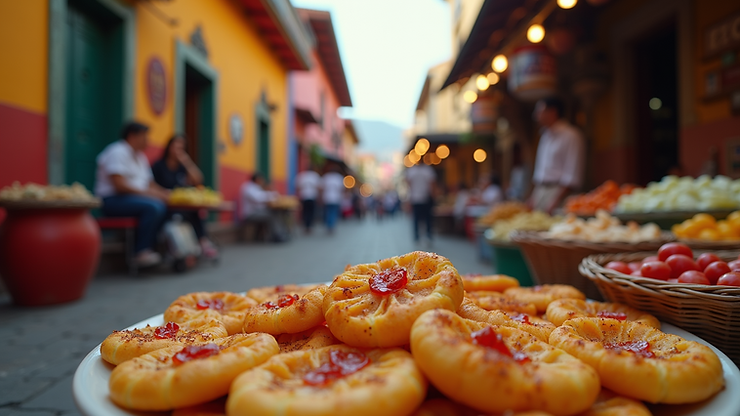
Puebla combines history and culinary richness, but safety is a growing concern as crime rates escalate. Often overshadowed by its vibrant culture, the push toward enhancing safety measures proves essential.
Community resilience remains at the forefront as initiatives seek to bridge the gap between culture and security.
Conclusion
While these 25 cities illustrate the darker side of life in Mexico, they also highlight the resilience and determination of their residents. From remarkable histories to vibrant cultures, there is more to these places than their reputations suggest.
Every city mentioned faces unique challenges, but local efforts to improve safety and foster community spirit are critical for a brighter future. As visitors and residents navigate through the complexities of life in these cities, the hope for increased security and revitalized cultural pride remains strong.
By understanding both the beauty and the dangers intertwined in these cities, we can foster a deeper appreciation for their stories and the people who call them home.









Leave a Reply