Kayaking in the French Alps offers a perfect blend of adventure and natural beauty. For families and beginners, choosing the right river is key to a safe and enjoyable experience. The French Alps feature a range of rivers classified by difficulty, from calm waters ideal for novices to challenging rapids for experts. This guide focuses on the best Class I–II rivers, which are easy and beginner-friendly, making them perfect for families and those new to kayaking.
Class I–II (Easy / Beginner Friendly)
Class I–II rivers in the French Alps feature gentle currents, small waves, and minimal obstacles. These sections are ideal for families, beginners, and anyone looking for a relaxed rafting experience. The calm conditions make them perfect for learning basic paddling skills while enjoying beautiful alpine scenery.
Fier River
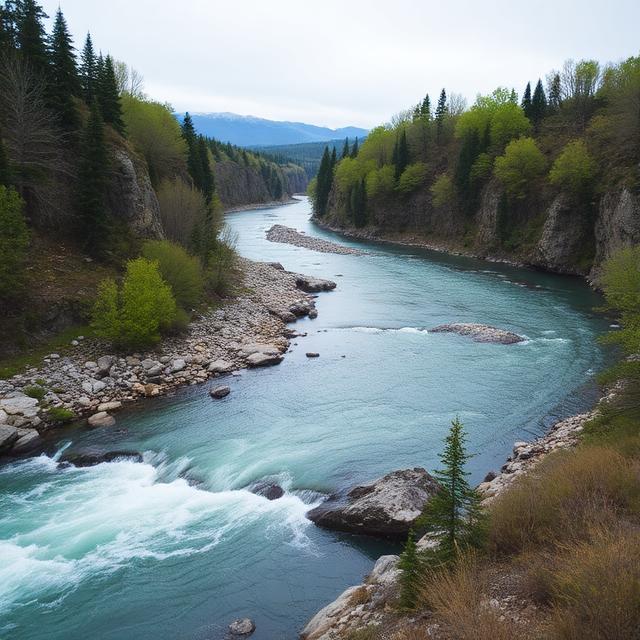
The Fier River offers accessible stretches with smooth currents and manageable flow, making it a popular option for guided beginner rafting trips. Its gentle rapids allow newcomers to practice steering, balance, and coordination while enjoying beautiful alpine surroundings. The river’s calm sections provide an excellent setting for a first whitewater experience in the French Alps, especially during spring and early summer when water levels are ideal.
Top Cities: Annecy, La Roche-sur-Foron, Rumilly
Borne River
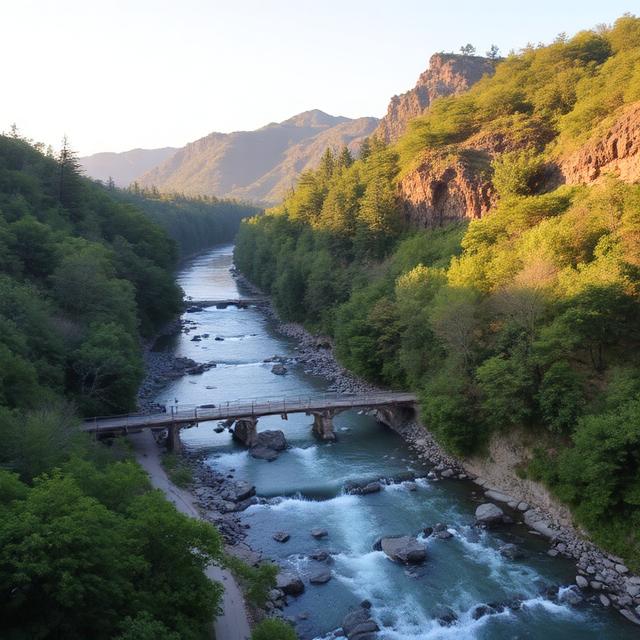
The Borne River features mild rapids and steady flow, making it well suited for beginners and family-friendly rafting experiences. Its predictable water conditions allow participants to build confidence while enjoying scenic mountain landscapes. The river is commonly used for introductory whitewater trips in the region.
Top Cities: Annecy, Sallanches, Bonneville
Clarée River
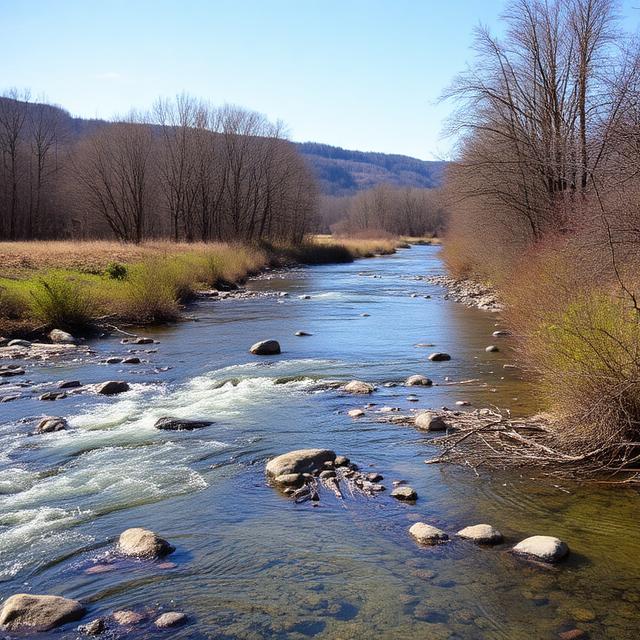
The Clarée River is known for its clear alpine waters and gentle currents, offering relaxed rafting opportunities in a peaceful natural setting. Its easy sections make it ideal for learning basic paddling skills while exploring the beauty of the surrounding valleys and forests.
Top Cities: Briançon, Névache, Montgenèvre
Buech River
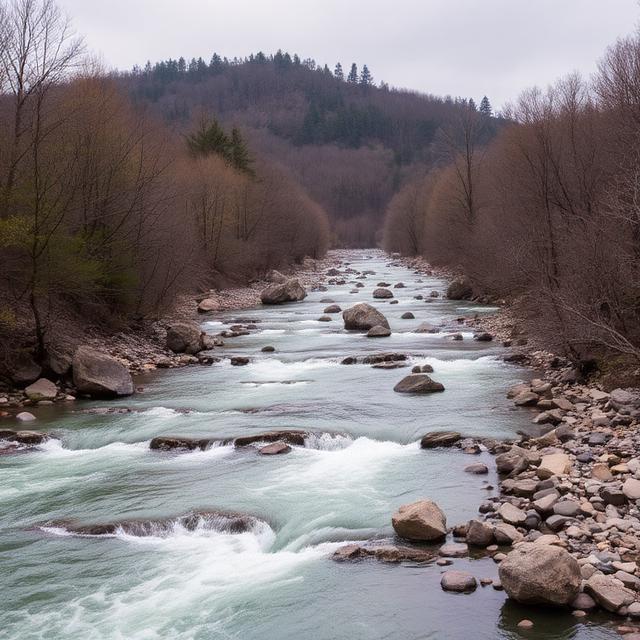
The Buech River includes calm stretches that are perfect for beginner-level whitewater activities. With light rapids and accessible entry points, it provides a safe and enjoyable environment for families and first-time rafters seeking a low-intensity adventure.
Top Cities: Gap, Serres, Laragne-Montéglin
Drôme River
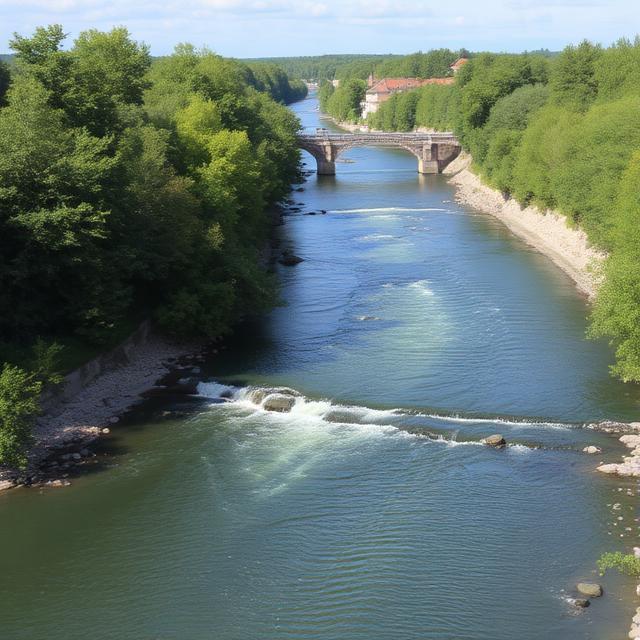
The Drôme River is widely appreciated for its approachable flow and scenic alpine environment. Its Class I–II sections offer a comfortable introduction to rafting, allowing visitors to experience the excitement of whitewater while maintaining manageable conditions suitable for beginners.
Top Cities: Valence, Die, Crest
Class II–III (Moderate / Intermediate)
Some rapids, maneuvering required, popular for rafting, and suitable for paddlers with basic experience who are ready for more excitement than beginner waters. These sections typically include moderate currents, small waves, and occasional obstacles that require teamwork, proper steering, and active paddling. While still accessible under the guidance of a professional, these rivers provide a more dynamic and engaging whitewater experience.
Arve River
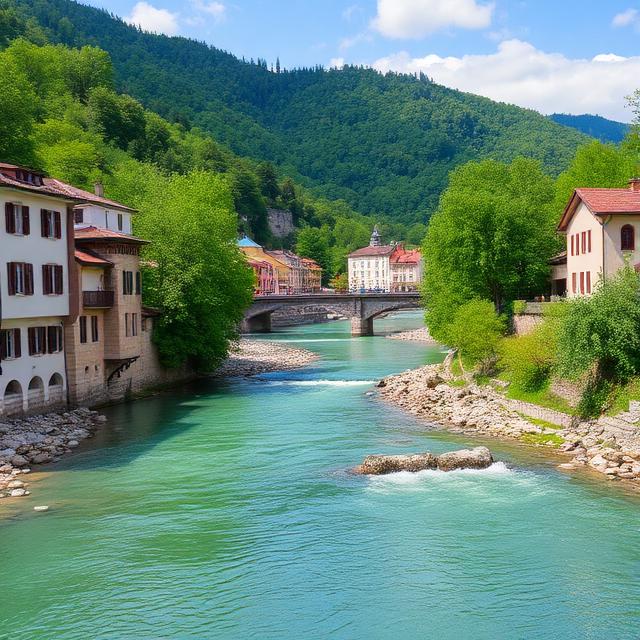
The Arve River offers exciting intermediate sections with faster currents, moderate rapids, and plenty of natural obstacles that require active paddling and teamwork. It is a popular choice for guided rafting trips because it provides the right balance between adventure and control. Surrounded by dramatic alpine scenery, it delivers both adrenaline and beautiful mountain views.
Top Cities: Chamonix, Annecy, Bonneville
Giffre River
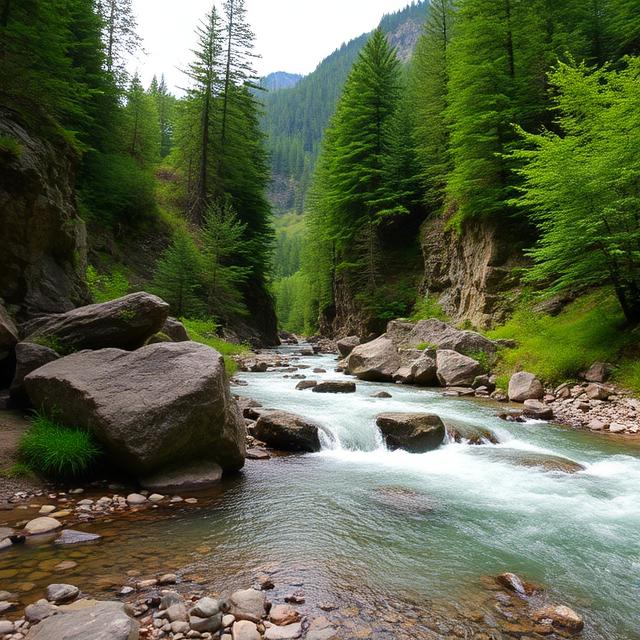
The Giffre River features lively Class II–III rapids with steady flow and clear alpine water. It is ideal for paddlers who have some experience and are ready for more dynamic water conditions. The river’s scenic valley setting makes it a favorite for adventure tourism in the region.
Top Cities: Samoëns, Cluses, Taninges
Romanche River
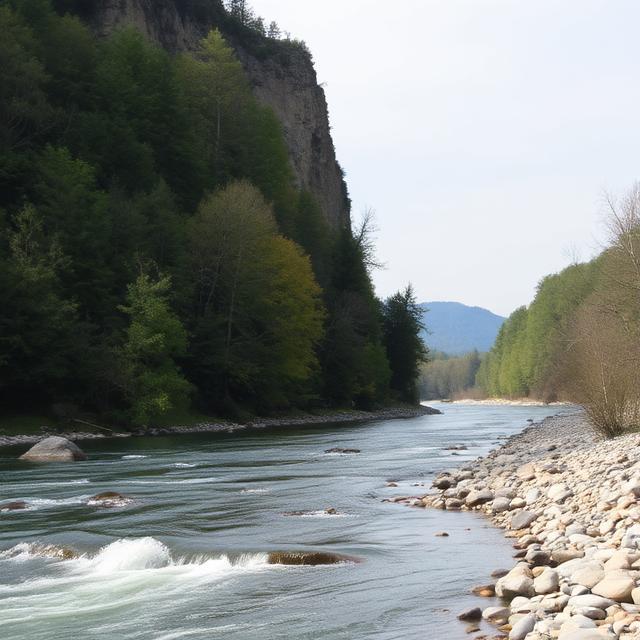
The Romanche River includes technical sections with stronger currents and varied water features, making it suitable for intermediate rafters seeking progression. It combines exciting rapids with impressive alpine landscapes and glacier-fed flow.
Top Cities: Grenoble, Les Deux Alpes, Bourg-d’Oisans
Var River
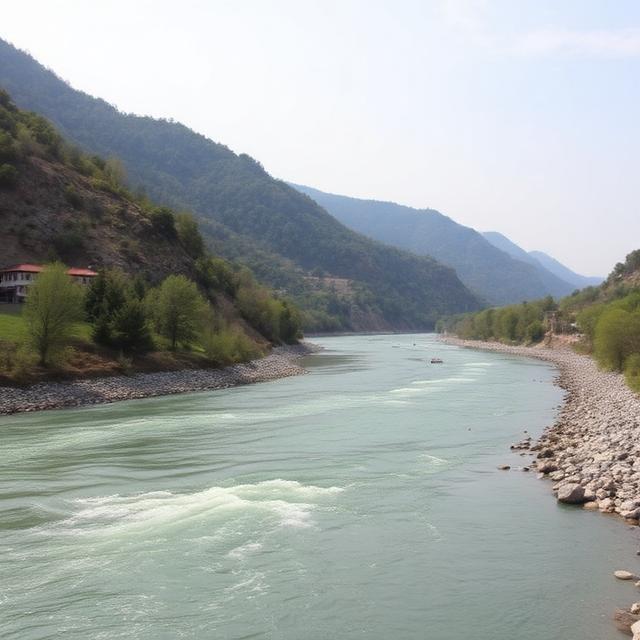
The Var River offers engaging rapids and seasonal flow changes that create fun and moderately challenging conditions. It is well known for rafting routes that provide excitement without reaching extreme difficulty levels.
Top Cities: Nice, Entrevaux, Puget-Théniers
Tarn River
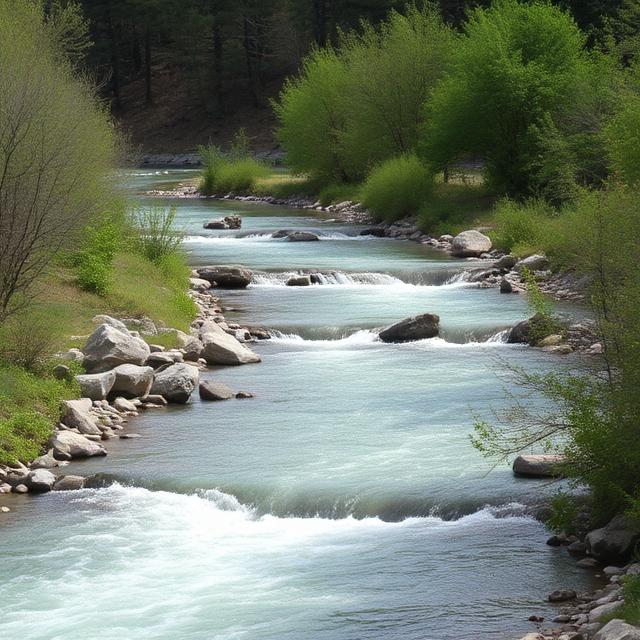
The Tarn River flows through dramatic gorges and offers scenic Class II–III rapids that require some maneuvering but remain accessible to many recreational rafters. It is especially popular for combining adventure with breathtaking canyon views.
Top Cities: Millau, Albi, Florac
Class III–IV (Advanced)
Strong rapids, technical sections, and fast-moving currents that require advanced paddling skills, precise maneuvering, and strong teamwork. These rivers often include narrow channels, powerful waves, and challenging obstacles that demand experience, quick decision-making, and proper whitewater training. They are best suited for confident paddlers or guided expeditions with professional support, especially during high-water seasons when flow levels increase and conditions become more intense.
Isère River
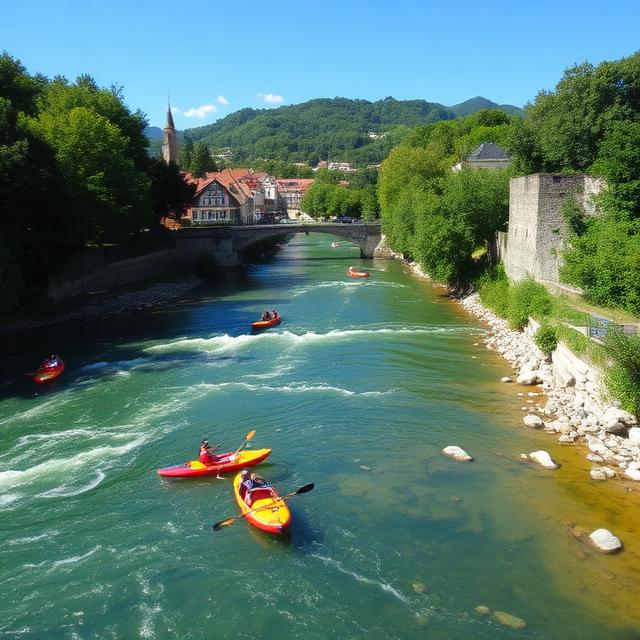
The Isère River is one of the most famous whitewater rivers in the French Alps, featuring powerful Class III–IV rapids and fast-moving sections. It demands strong teamwork and technical paddling skills, especially during spring snowmelt when water levels rise.
Top Cities: Grenoble, Albertville, Bourg-Saint-Maurice
Drac River
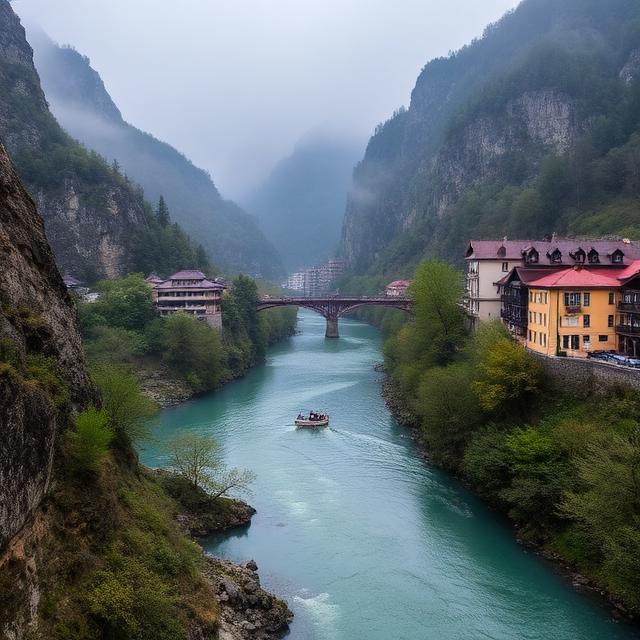
The Drac River includes challenging rapids and dynamic water features that make it suitable for experienced rafters. Its strong flow and technical passages provide an exciting adventure in a rugged alpine setting.
Top Cities: Grenoble, Gap, La Mure
Durance River
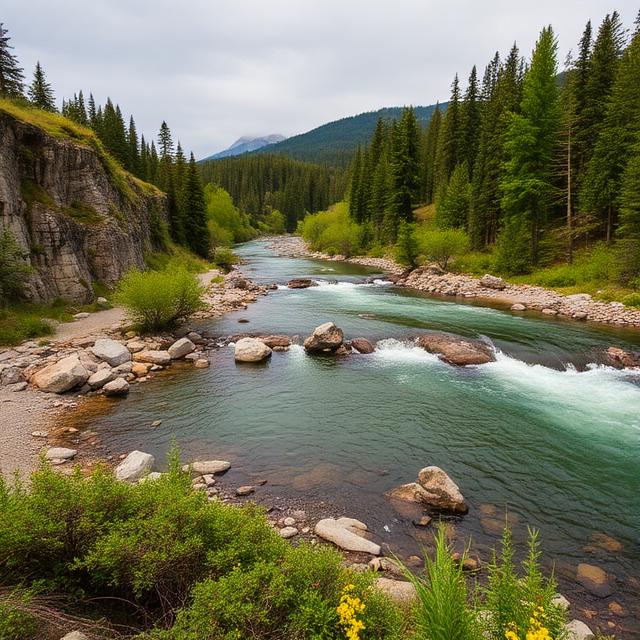
The Durance River is known for its powerful seasonal flow and advanced rafting sections. It offers a mix of technical rapids and wide river channels, making it one of the top destinations for serious whitewater enthusiasts.
Top Cities: Briançon, Embrun, Gap
Ubaye River
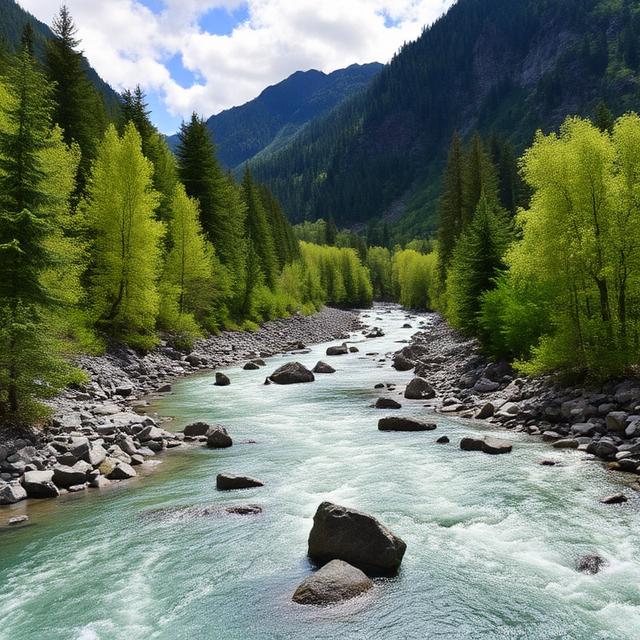
The Ubaye River is widely regarded as one of France’s premier whitewater rivers, offering intense Class III–IV conditions and strong alpine currents. It is especially popular during peak snowmelt and attracts experienced paddlers from across Europe.
Top Cities: Barcelonnette, Jausiers, Gap
Guil River
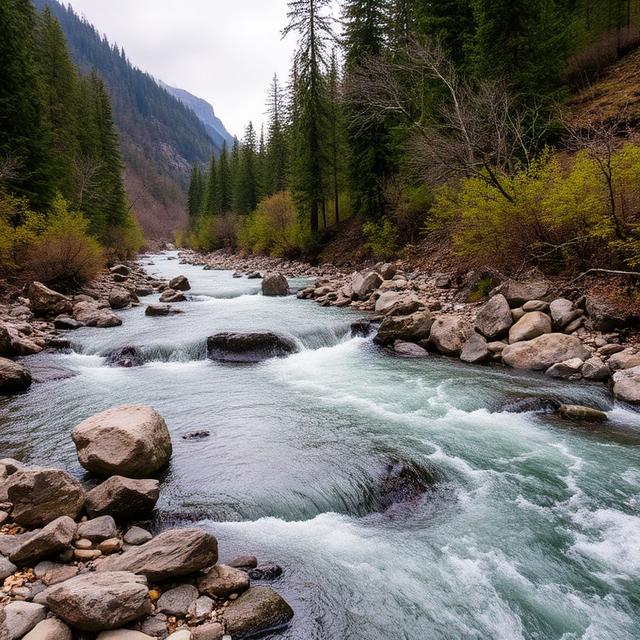
The Guil River features technical alpine rapids and narrow channels that require advanced skills and careful navigation. It is considered a classic destination for experienced whitewater paddlers seeking a challenging mountain river.
Top Cities: Guillestre, Briançon, Risoul
Class IV–V (Very Advanced / Expert Only)
Powerful, fast-moving rapids with highly technical sections, steep drops, and intense hydraulics that demand expert-level whitewater skills. These rivers often feature narrow channels, large waves, unpredictable currents, and complex obstacles that require precise maneuvering and quick decision-making under pressure. Seasonal water levels can dramatically increase the difficulty, especially during spring snowmelt in the Alps, creating surging flows and stronger features. Only highly experienced paddlers with proper safety training, strong teamwork, and professional guidance should attempt these sections, as conditions can change rapidly and consequences are significant.
Vénéon River
The Vénéon River is a highly technical alpine river known for intense rapids and powerful seasonal flow. It requires expert-level experience and careful safety planning, particularly during high-water periods.
Top Cities: Les Deux Alpes, Bourg-d’Oisans, Grenoble
Verdon River
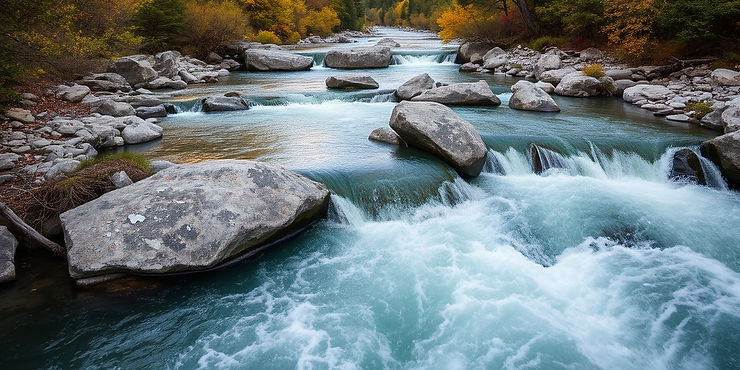
Certain canyon sections of the Verdon River reach advanced difficulty levels, combining strong currents with dramatic gorge landscapes. These areas are best suited for experienced paddlers or guided expeditions.
Top Cities: Castellane, Moustiers-Sainte-Marie, Nice
Arc River
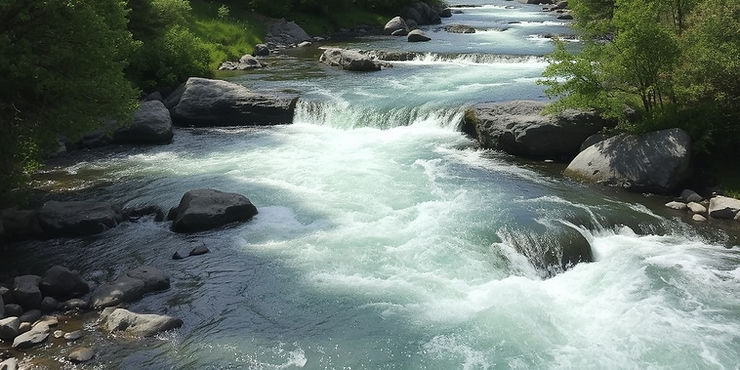
The Arc River includes demanding Class IV–V sections during peak flow conditions, offering intense whitewater challenges for highly experienced rafters. It is known for its strong currents and technical navigation requirements.
Top Cities: Modane, Bourg-Saint-Maurice, Val d’Isère
Conclusion
The French Alps offer one of the most diverse whitewater experiences in Europe, with rivers ranging from gentle Class I–II sections for beginners to powerful Class IV–V rapids for expert paddlers. This wide variety makes the region ideal for families, adventure travelers, and professional rafters alike. With glacier-fed rivers, dramatic mountain scenery, and well-developed rafting infrastructure, the French Alps combine safety, excitement, and natural beauty in one destination. Whether you are planning your first rafting trip or an advanced expedition, proper preparation and choosing the right river class will ensure a memorable and rewarding experience.
FAQ – Whitewater Rivers in the French Alps
1. What is the best time to go whitewater rafting in the French Alps?The best time is usually from late spring to early summer (May–June), when snowmelt increases water levels and creates stronger rapids.
2. Which river class is best for beginners?Class I–II rivers are ideal for beginners, families, and first-time rafters because they have gentle currents and fewer obstacles.
3. Do I need experience to raft in the French Alps?No experience is required for Class I–II trips, but higher-class rivers (III–V) require experience or a professional guide.
4. Are guided rafting trips available?Yes, many rivers in the French Alps have licensed rafting companies offering guided tours for all skill levels.
5. Is whitewater rafting safe in the French Alps?When done with certified guides, proper equipment, and on rivers suited to your skill level, rafting is generally safe and well organized.
6. Can children participate in rafting trips?Yes, children can join Class I–II rafting trips, depending on age requirements set by local operators.


Leave a Reply