Finding food in the wilderness without gear or cooking tools can feel overwhelming. Yet, with a bit of knowledge and creativity, you can prepare nourishing meals using minimal resources. This guide shares 25 survival meals that require no or minimal cooking gear, relying on natural methods and simple ingredients found in the wild. These meals will help you stay energized and healthy while you navigate the outdoors.
No-Gear and Minimal Cooking Meals
When you have no cooking gear, you can still prepare satisfying meals using fire and natural tools.
Fire-Roasted Fish
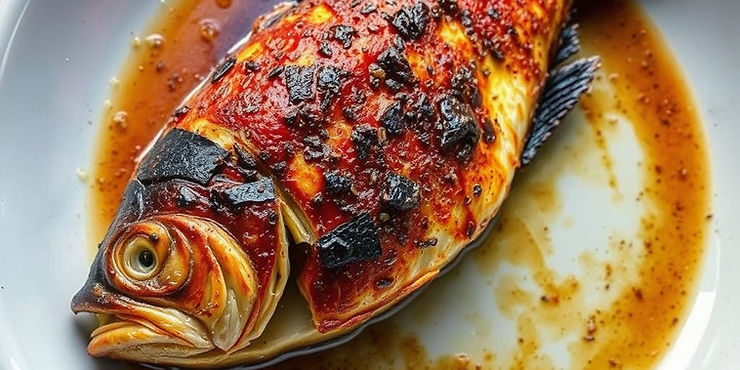
Catching a fresh fish and roasting it over an open flame is one of the simplest wilderness meals. Thread the fish onto a sturdy stick and hold it above the fire, turning occasionally for even cooking. The flames give the fish a smoky flavor that enhances its natural taste. This method requires no cookware, making it perfect for survival situations. Pair it with foraged herbs or a sprinkle of salt if available.
Stick-Cooked Meat Skewers

Cut your meat into strips and thread them onto a green stick or branch. Hold the skewers carefully over the fire until the meat is fully cooked and slightly charred. This method is quick and keeps the meat tender while adding a smoky aroma. Green sticks help prevent the meat from burning too fast. It’s an easy, portable option for meals while on the move.
Hot Rock Eggs

Find flat stones and heat them directly in the fire until they are extremely hot. Place eggs on the heated stones to cook, either by cracking them directly onto the rocks or using a leaf as a makeshift tray. This primitive cooking method works well for scrambling or frying eggs without a pan. The stones hold heat, cooking the eggs evenly. It’s a reliable way to enjoy protein even when you have no cookware.
Ash-Baked Potatoes

Wrap potatoes in leaves, mud, or aluminum foil if you have it, and bury them in the hot ashes of a fire. Leave them to cook for 30–60 minutes, checking occasionally for softness. This method turns raw, hard potatoes into a tender, flavorful side dish. The ash and indirect heat create a unique earthy taste. It’s a simple but filling meal to complement other wilderness foods.
Campfire Flatbread

Mix flour and water to form a simple dough, then shape it into flat pieces. Cook the dough directly on a flat stone or hot coals until golden and firm. This primitive bread can be eaten on its own or served alongside roasted fish or meat. It requires minimal ingredients but provides a satisfying, hearty addition to any survival meal. Flatbread is also versatile, allowing for additions like herbs or foraged greens if available.
Catch and Cook Fresh Food
Freshly caught food offers excellent nutrition and can be prepared with basic techniques.
Grilled Fresh Fish Wrapped in Leaves
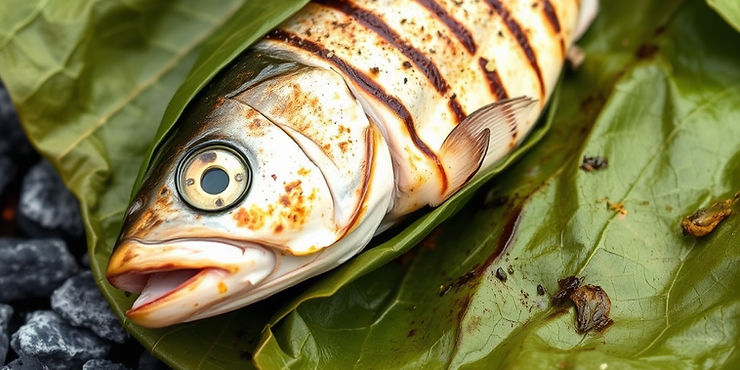
Wrap a freshly caught fish in large green leaves before placing it on hot coals to grill. The leaves act as a natural barrier, protecting the fish from direct heat and keeping it moist. As the fish cooks, the leaves also infuse subtle earthy flavors. This method works well for delicate fish that might dry out over open flames. It’s a simple yet effective way to enjoy fresh fish in the wilderness.
Smoked Fish Over Low Fire
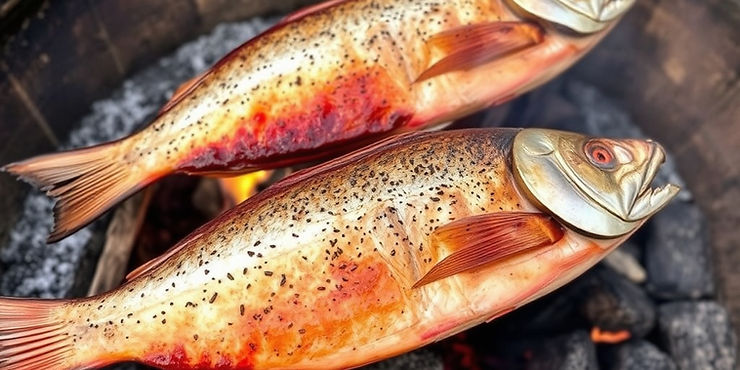
Hang fish near a low, steady fire to smoke it slowly, allowing the heat and smoke to penetrate the flesh. This method not only cooks the fish but also preserves it for longer storage. The slow smoking process adds a rich, deep flavor that is impossible to achieve with high flames. It’s an excellent survival technique for creating meals that last multiple days. Make sure the fire stays low to avoid overcooking or burning the fish.
River Crab or Crawfish Boil
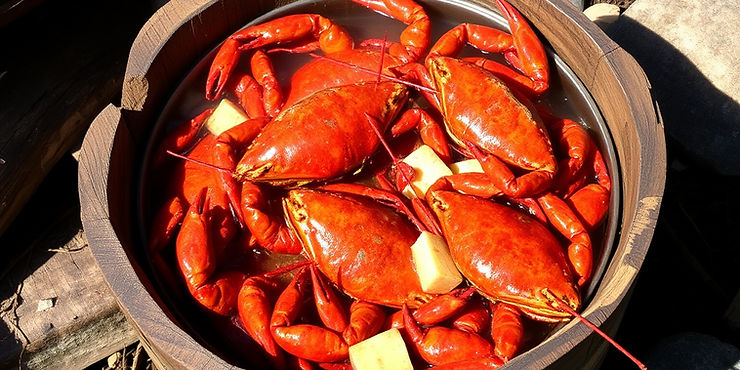
Use an improvised pot, like a hollowed-out log, large leaf bundle, or any fire-safe container, to boil river crabs or crawfish. Fill the container with water and heat it using hot stones until it reaches a rolling boil. Carefully add the crustaceans and cook until they turn bright orange. This method is practical when you have no metal cookware but still want a hearty, protein-rich meal. It’s also a fun way to enjoy fresh catch straight from a river or stream.
Frog Legs Over Fire
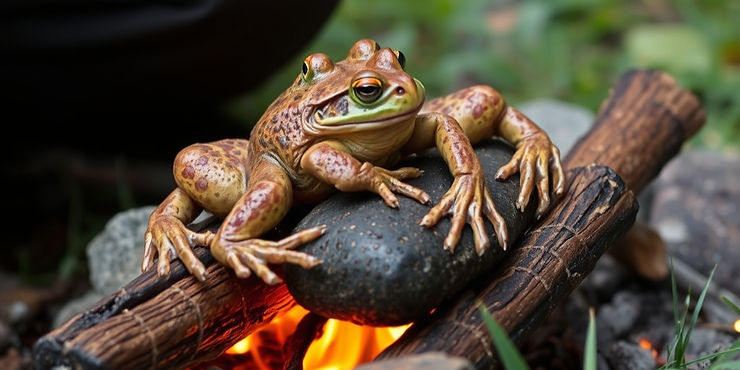
Catch frogs and prepare the legs for cooking directly over an open fire using sticks or heated stones. Cooking the legs over a flame quickly sears them while preserving tenderness. Frog legs are a lean source of protein, making them a valuable survival meal. This method is simple, requiring minimal equipment, and works well for small game in the wild. Season lightly with foraged herbs if available to enhance the flavor.
Wild Game Strips (Jerky Style)
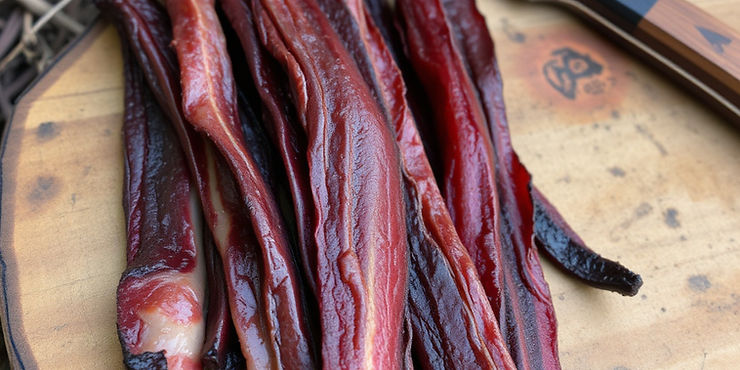
Slice game meat into thin strips and dry it near the fire or under the sun to make jerky. This method preserves the meat, allowing it to last for several days or even weeks. Jerky provides a concentrated source of protein that is easy to carry while traveling. It’s perfect for survival situations where fresh cooking isn’t always possible. Make sure the strips are thin and evenly spaced for consistent drying and safety.
Foraged Meals from Nature
Plants and wild edibles can form the basis of many meals if you know what to look for.
Wild Greens Soup
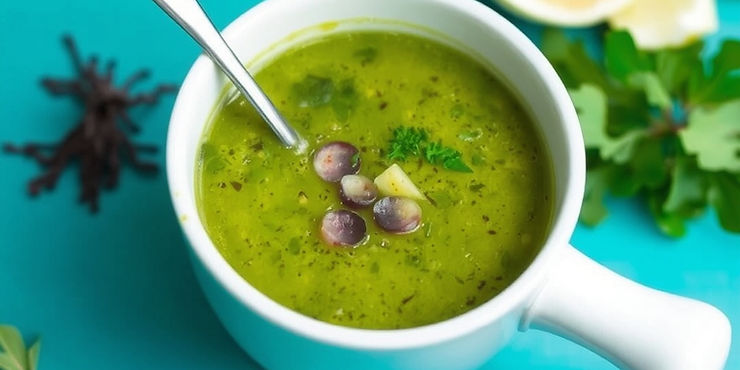
Collect a variety of edible wild greens, making sure to correctly identify each plant to avoid toxins. Boil the greens in water heated by hot stones to create a simple, nutritious soup. This method extracts flavor and nutrients while keeping the meal light and digestible. You can enhance the taste with foraged herbs or wild onions if available. Wild greens soup is an easy way to get essential vitamins in the wilderness.
Roasted Edible Roots
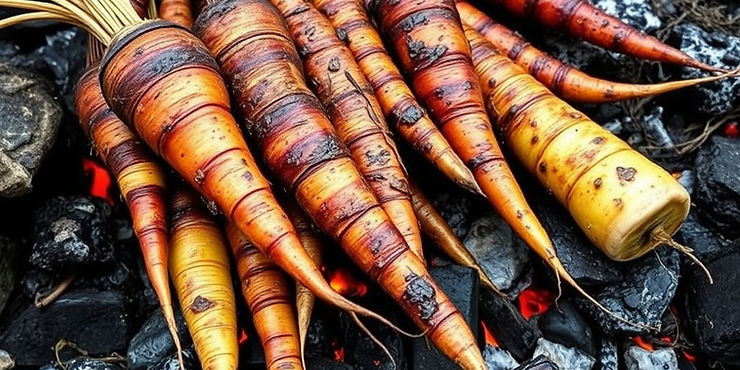
Dig up roots such as wild carrots, parsnips, or other edible tubers. Roast them directly in the embers of a fire until they are tender and slightly caramelized. The natural sugars in the roots develop a rich, sweet flavor during cooking. This technique provides a hearty, filling meal that requires minimal equipment. Roasted roots are an essential survival food for sustained energy.
Berry and Nut Mix Bowl
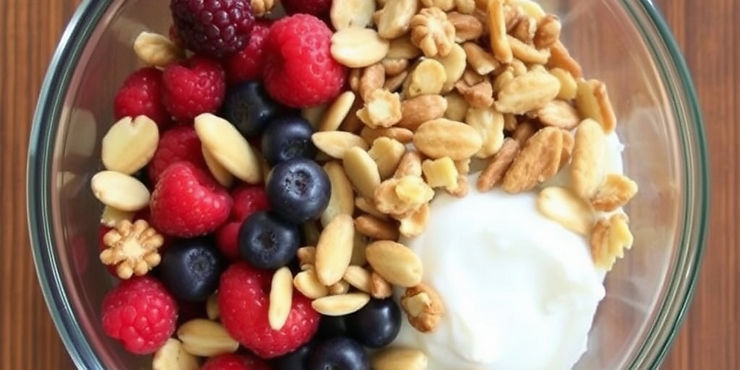
Gather a mix of wild berries and nuts to create a quick, energy-rich meal. This combination provides a balance of carbohydrates, protein, and fats, perfect for sustaining energy during long days in the wilderness. No cooking is required, making it convenient when fire or tools are limited. Mixing berries and nuts also adds natural sweetness and crunch. It’s an easy snack or meal substitute while on the move.
Dandelion Leaf Stir Fry
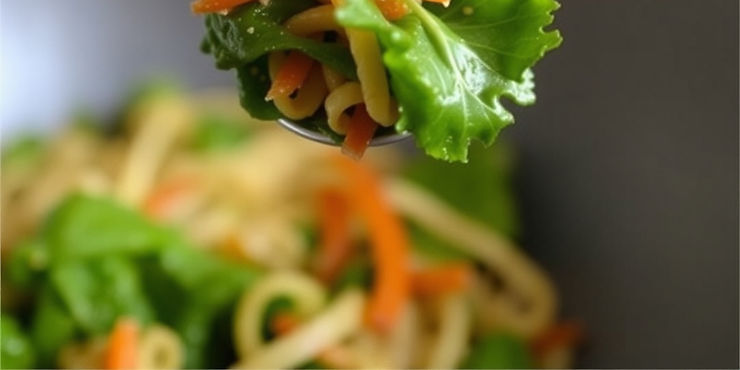
Pick young dandelion leaves, which are tender and less bitter than older leaves. Stir fry them on a hot stone or in a leaf bundle over the fire until wilted and slightly browned. This method softens the leaves while preserving their nutrients and adding a lightly smoky flavor. You can combine them with other foraged greens for variety. Dandelion leaf stir fry is a simple, healthy addition to any survival meal.
Acorn Flour Cakes

Grind acorns into a coarse flour, taking care to remove any bitter tannins through soaking or boiling. Mix the flour with water to create a simple dough and cook it on hot stones or embers until firm and golden. These cakes provide a dense, long-lasting source of carbohydrates in the wilderness. They can be eaten alone or with other survival foods like nuts or berries. Acorn flour cakes are a versatile and sustaining option for primitive cooking.
Simple Survival Combinations
Combining basic ingredients can create filling meals with minimal effort.
Rice and Beans Campfire Pot Meal
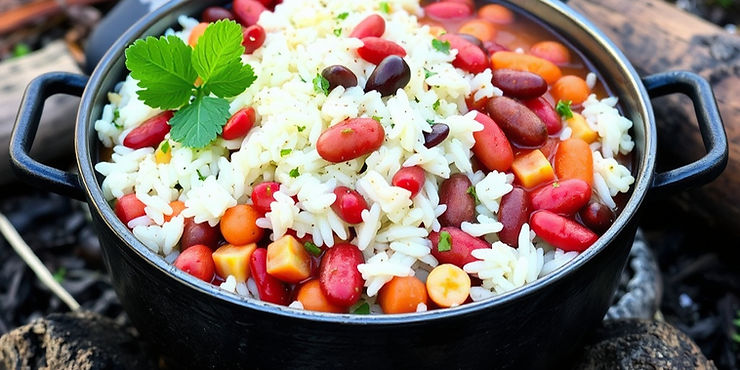
If you have access to rice and beans, they can be combined into a hearty, filling meal. Cook them together in a pot or an improvised container heated by hot stones over the fire. This method ensures both ingredients are fully cooked while infusing them with a subtle smoky flavor. Rice and beans provide a good balance of carbohydrates and protein, making them ideal for sustaining energy in the wilderness. Adding wild herbs or foraged greens can enhance the flavor and nutritional value.
Oatmeal with Foraged Berries
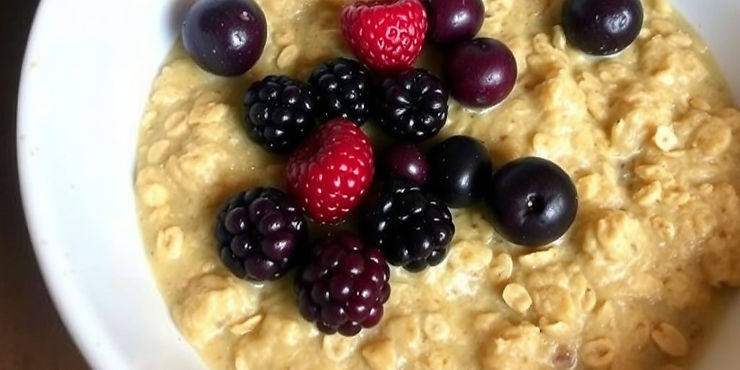
Oatmeal is a simple, quick-cooking base that can be prepared over an open flame or hot stones. Add fresh or dried wild berries collected nearby to boost flavor, sweetness, and vitamins. This combination creates a warm, energizing breakfast or snack while in the wild. Foraged nuts or seeds can be stirred in to increase protein and healthy fats. It’s a versatile and comforting meal for any survival situation.
Instant Noodles with Wild Herbs
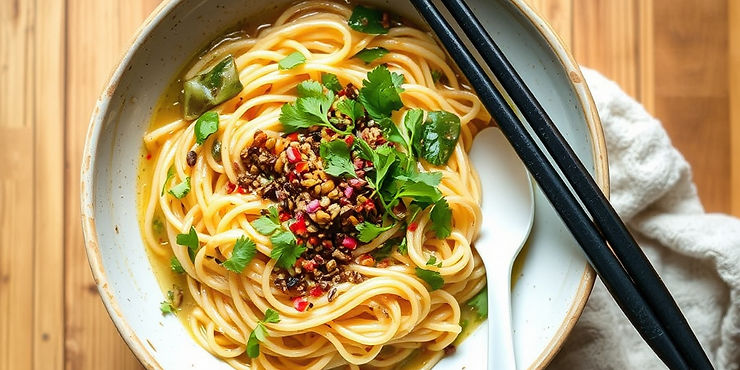
Instant noodles are convenient, but you can make them more nutritious by adding wild herbs found nearby. Cook the noodles over a fire and mix in herbs for flavor, aroma, and additional vitamins. This method turns a basic snack into a sustaining, semi-cooked meal suitable for the wilderness. Herbs like wild garlic, dandelion, or chickweed work well for this purpose. It’s a fast, easy way to enhance simple rations when foraging is available.
Peanut Butter Energy Mix
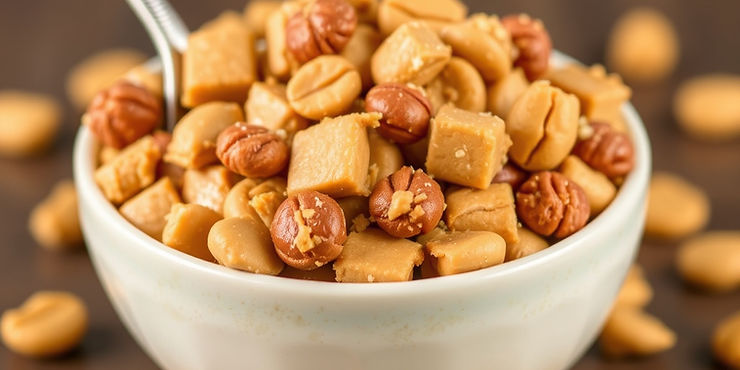
Combine peanut butter with nuts, seeds, and dried fruit to create a high-energy, no-cook snack. This mix is portable, nutrient-dense, and provides a quick boost of protein, fat, and carbohydrates. It’s ideal for hiking, long treks, or times when cooking isn’t possible. You can adjust the ingredients based on what’s available in your pack or the surrounding wilderness. This simple preparation is perfect for emergency energy or survival situations.
Trail Mix Survival Bowl
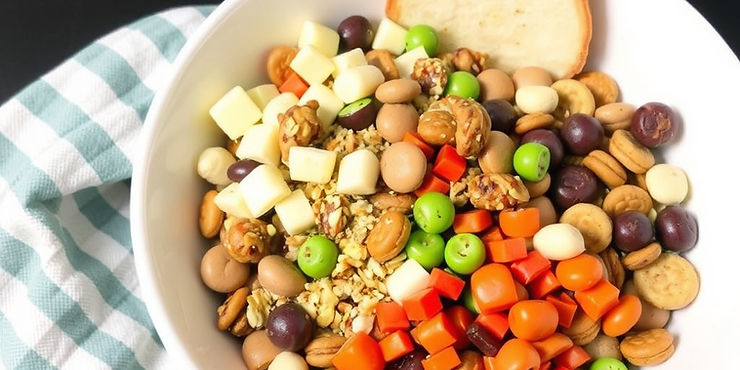
A trail mix survival bowl is a versatile, nutrient-rich option for outdoor meals. Combine seeds, nuts, dried berries, and grains into a single mix for easy snacking. This meal requires no cooking and provides long-lasting energy, making it ideal for hikers or adventurers on the move. The combination of carbohydrates, protein, and healthy fats helps maintain stamina throughout the day. Trail mix is also highly portable, so it can be eaten anytime without preparation.
Primitive Cooking Methods
Using natural materials and techniques can expand your cooking options without modern tools.
Clay-Baked Fish or Meat
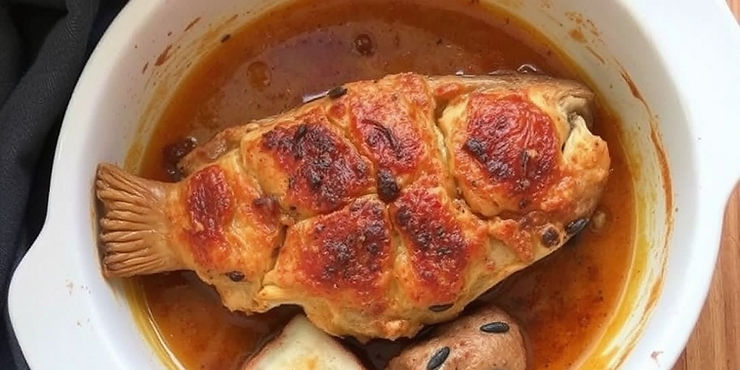
Cover fish or meat in wet clay and place it near hot coals to cook slowly. As the clay hardens and cracks, it seals in moisture and flavor, creating a tender, juicy meal. Once fully baked, carefully break open the clay to reveal perfectly cooked food. This method requires no cookware and protects the food from direct flame. Clay-baking is a classic primitive technique that works with both fish and game alike.
Pit-Roasted Meat
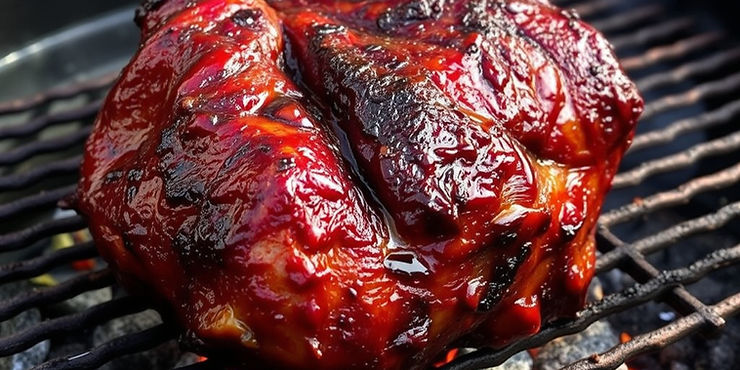
Dig a pit in the ground and line it with hot stones to create a natural oven. Place the meat inside, cover it with earth, and allow it to cook slowly over several hours. The heat from the stones cooks the meat evenly while keeping it moist. This method is perfect for larger cuts or whole small animals. Pit-roasting is one of the oldest survival cooking techniques, providing a hearty, flavorful meal with minimal equipment.
Bamboo Tube Rice Meal
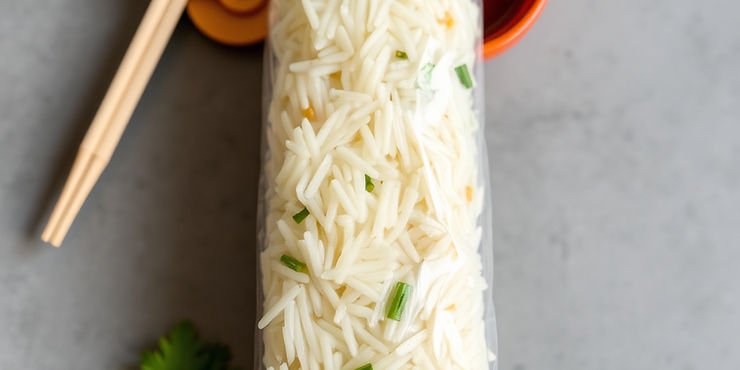
Fill a hollow bamboo tube with rice and water, then place it over the fire to cook. The bamboo acts as a natural steamer, evenly cooking the rice inside. This method is portable, eco-friendly, and works well for camping or survival situations. You can also add herbs, foraged greens, or small pieces of meat for added flavor. Bamboo tube cooking is an efficient way to prepare a warm, satisfying meal in the wild.
Leaf-Wrapped Steamed Food
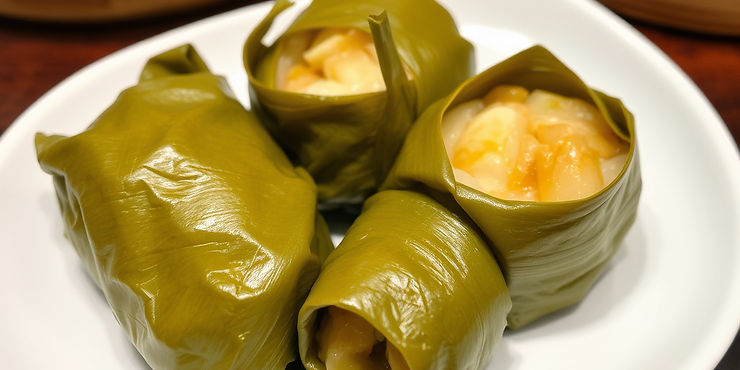
Wrap food in large, sturdy leaves and place it near steam or heated stones to cook gently. The leaves protect the food from burning while locking in moisture and flavor. This technique works well for fish, small cuts of meat, or vegetables found in the wild. It’s a simple, low-equipment method for preparing delicate or leafy ingredients. Leaf-wrapped steaming is both practical and versatile for survival cooking.
Stone-Boiled Soup
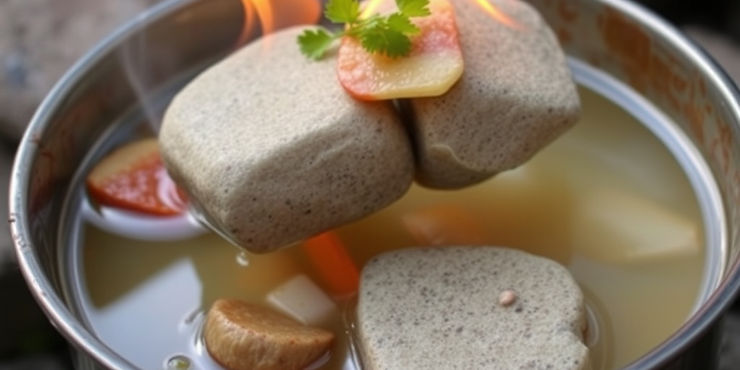
Heat stones in a fire until they are extremely hot, then carefully drop them into a container of water and ingredients to boil soup. This method allows you to cook without direct flame contact, which is ideal when using improvised containers. Stone-boiled soup can include vegetables, wild greens, or small meat pieces, making it a balanced, nutrient-rich meal. The hot stones continuously transfer heat to cook the ingredients evenly. This technique is an ancient survival method that’s perfect for creating warm, sustaining meals in the wilderness.
Conclusion
Preparing for the wilderness requires more than just the right gear—it demands smart, nutrient-packed, and easy-to-make meals that will sustain energy and morale. The 25 survival meals outlined provide a variety of options, from lightweight dehydrated foods to hearty pit-roasted dishes. Whether you’re on a multi-day hike, camping deep in the forest, or facing an unexpected survival scenario, having these meals planned can make the difference between discomfort and safety. Focus on meals that balance protein, carbs, and fats, are simple to prepare, and can withstand rough conditions. With proper preparation and practice, these survival meals not only keep you fueled but also make your wilderness experience more enjoyable and stress-free.
FAQ: Survival Meals for the Wilderness
1. What makes a meal “survival-ready”?A survival meal should be lightweight, high in calories, nutrient-dense, easy to store, and simple to prepare using minimal equipment.
2. Can I use fresh ingredients in survival meals?Yes, but only if you plan to consume them quickly. Most survival meals rely on dehydrated, canned, or preserved ingredients for longevity.
3. How can I make meals without fire?Consider ready-to-eat options like freeze-dried meals, protein bars, trail mix, or nut butters. Some prepackaged meals can also be rehydrated using cold water.
4. How much food should I carry per day?An average adult needs 2,000–2,500 calories per day, but in strenuous conditions, it can rise to 3,500–4,000 calories. Pack meals accordingly.
5. Are there vegetarian or vegan survival meal options?Absolutely. Lentils, beans, rice, nuts, dried fruits, and plant-based protein powders work well for vegan or vegetarian survival meals.
6. Can I preserve my own wilderness meals?Yes. You can dehydrate, vacuum-seal, or freeze-dry your own cooked meals, making them lightweight and long-lasting.
7. How do I ensure my meals don’t spoil?Use airtight packaging, store in a cool, dry place, and avoid high-moisture ingredients unless consuming immediately.
8. Should I practice cooking these meals before going out?Definitely. Practicing helps you gauge cooking times, ingredient quantities, and ease of preparation under real conditions.
9. Are survival meals expensive?It depends. Prepackaged meals can be costly, but homemade versions using dehydrated or canned foods are often cheaper and customizable.
10. Can these meals help in emergency situations beyond camping?Yes. These survival meals are suitable for natural disasters, power outages, or any situation where access to regular food is limited.








Leave a Reply