The Julian Alps offer some of the most breathtaking mountain experiences in Europe. Whether you seek tranquil lakes, thrilling outdoor sports, or charming alpine villages, this region delivers. Spread across Slovenia and Italy, the Julian Alps combine rugged peaks, crystal-clear waters, and rich history. This guide highlights 25 top mountain getaways perfect for adventurers eager to explore nature, culture, and adrenaline-pumping activities.
Slovenia Side
Lake Bled
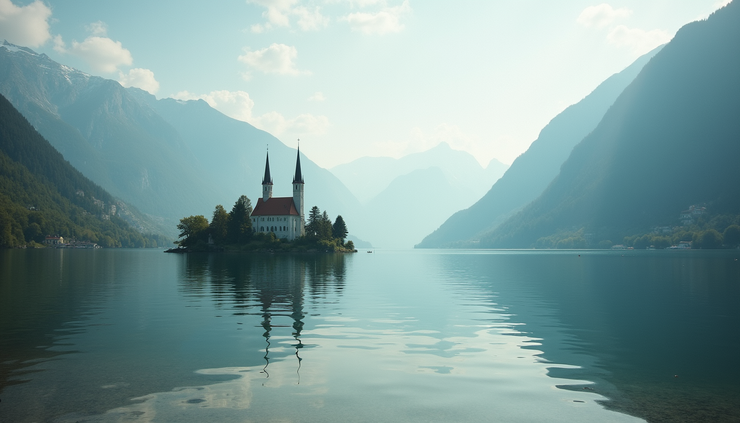
Lake Bled is famous for its small island with a picturesque church and a medieval castle perched on a cliff. It offers easy access for visitors and a variety of activities such as rowing to the island or hiking around the lake. The views from Bled Castle are stunning, especially at sunrise or sunset.
Lake Bohinj
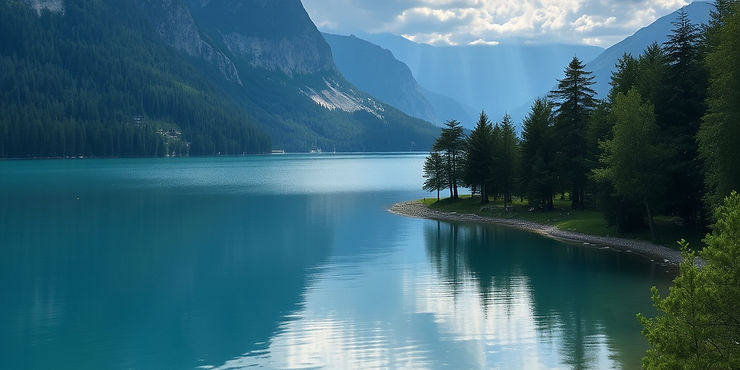
Located inside Triglav National Park, Lake Bohinj is quieter and less crowded than Bled. It’s ideal for those who want peace and nature. You can swim in the clear waters, hike nearby trails, or rent a kayak to explore the lake’s calm surface.
Kranjska Gora
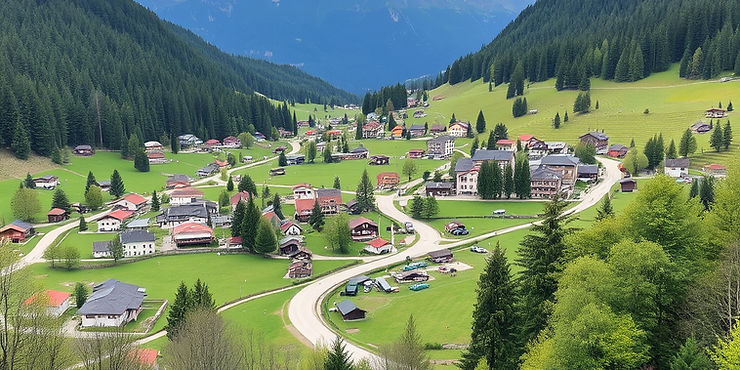
This alpine resort town is a hub for skiing in winter and hiking in summer. Trails range from gentle walks to challenging mountain routes. The town also hosts various sports events and has cozy mountain lodges.
Bovec
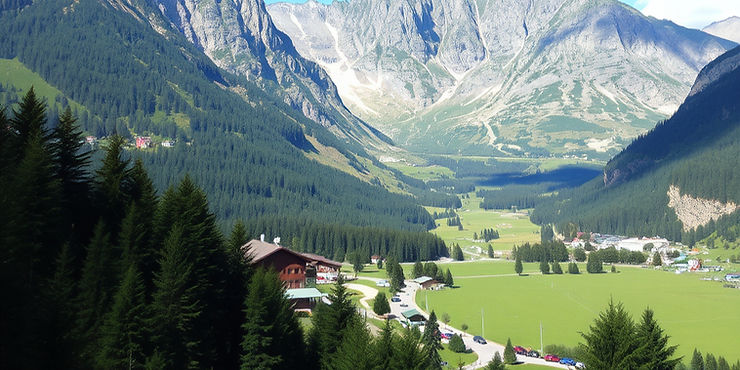
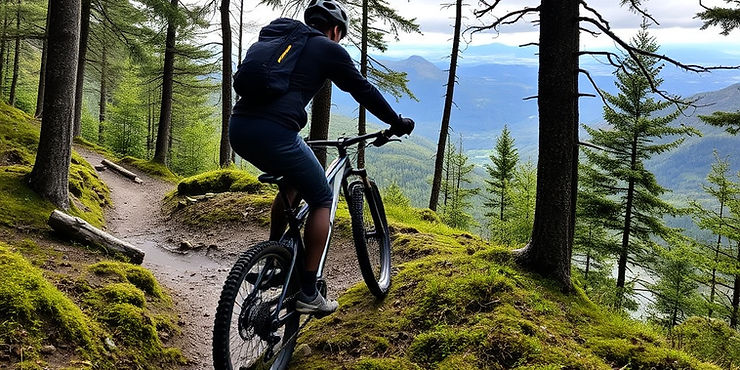
Bovec is the adventure capital of the Julian Alps. The Soča River here offers rafting and canyoning opportunities. The surrounding mountains provide routes for climbing, paragliding, and mountain biking.
Tolmin
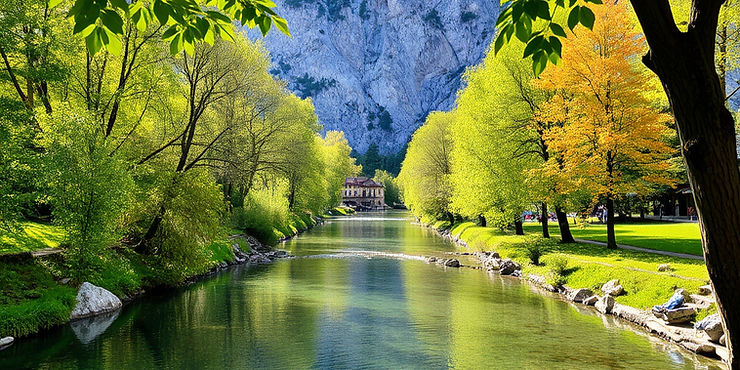
Tolmin combines natural beauty with cultural experiences. The Tolmin Gorges are a highlight, featuring dramatic rock formations and waterfalls. The town also hosts music festivals and has a lively local atmosphere.
Kobarid
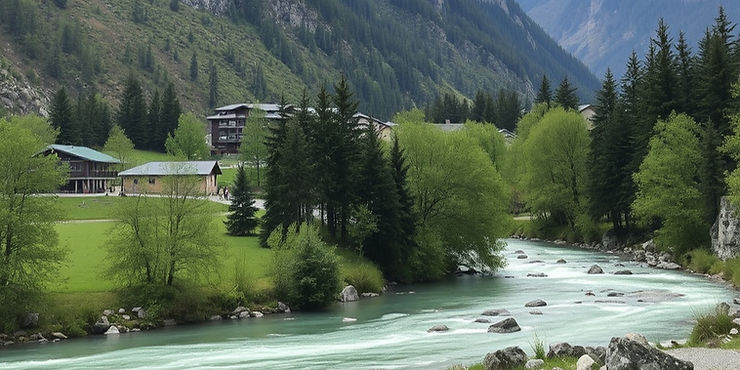
Known for its World War I history, Kobarid offers a unique mix of culture and nature. Visit the Kobarid Museum and explore nearby waterfalls and hiking trails. The Soča River valley here is especially scenic.
Log pod Mangartom
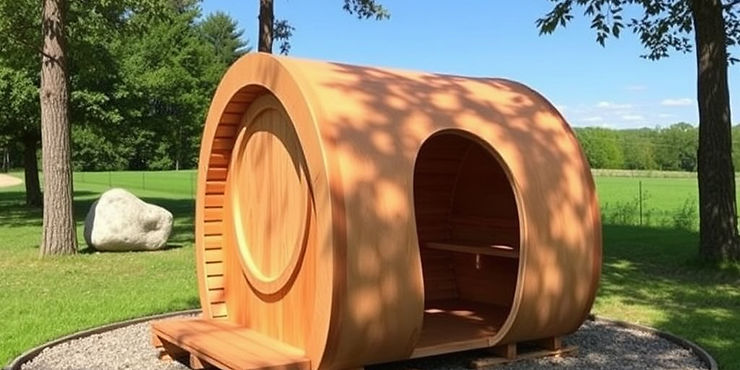
This remote village lies beneath towering peaks, making it a perfect base for serious hikers and climbers. The area is less touristy, offering a more authentic alpine experience.
Stara Fužina
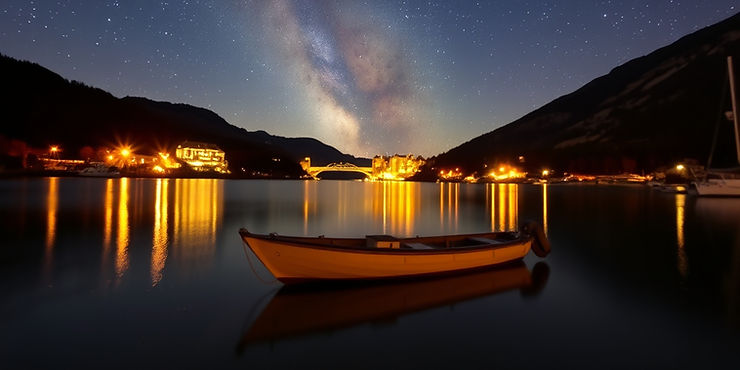
A traditional village near Lake Bohinj, Stara Fužina is ideal for those who want to combine cultural heritage with outdoor activities. Local farms and guesthouses provide a warm welcome.
Ribčev Laz
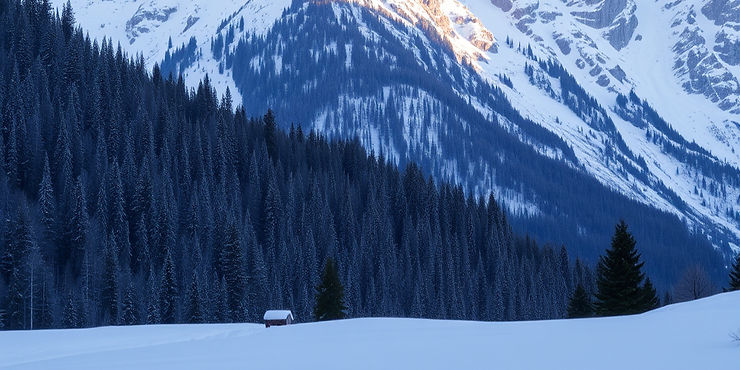
Located on the shores of Lake Bohinj, Ribčev Laz is a scenic base for exploring the lake and surrounding mountains. It has several hiking trails and easy access to the Triglav National Park.
Radovljica
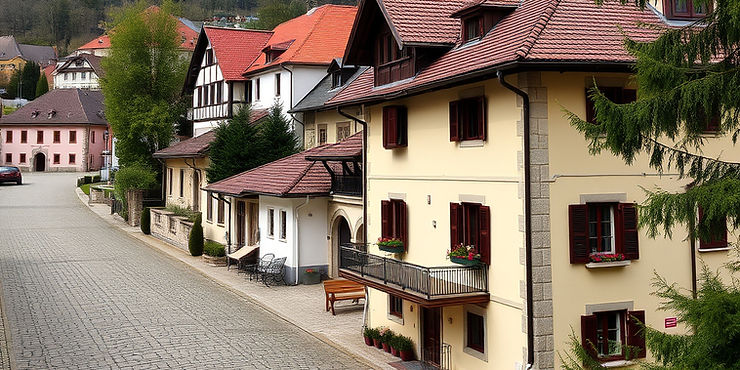
This medieval town near Bled charms visitors with its old architecture and cultural events. It’s a good spot to experience local cuisine and crafts while staying close to the mountains.
Italy Side (Friuli Venezia Giulia)
Tarvisio
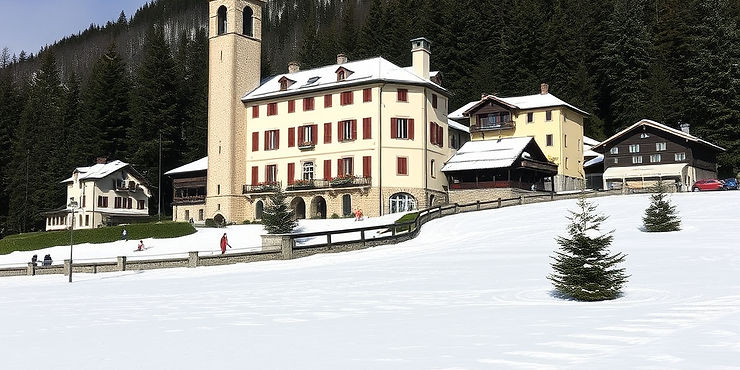
Tarvisio is a ski town near the borders of Austria and Slovenia. It offers winter sports and summer hiking, with well-maintained trails and lifts. The town has a relaxed atmosphere and good local food.
Sella Nevea
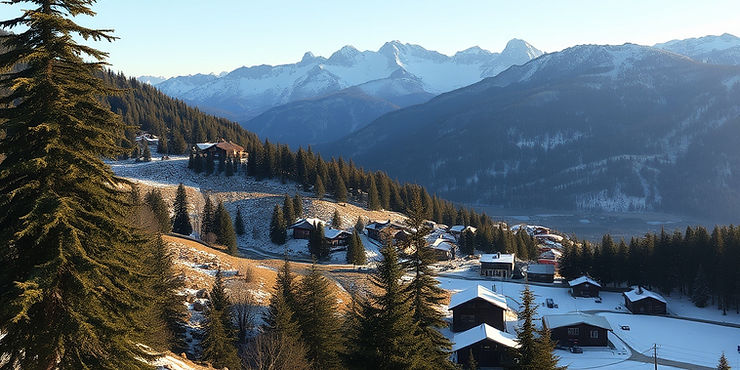
A high-altitude ski resort, Sella Nevea attracts winter sports enthusiasts. In summer, it becomes a gateway for alpine trekking and mountain biking.
Malborghetto-Valbruna
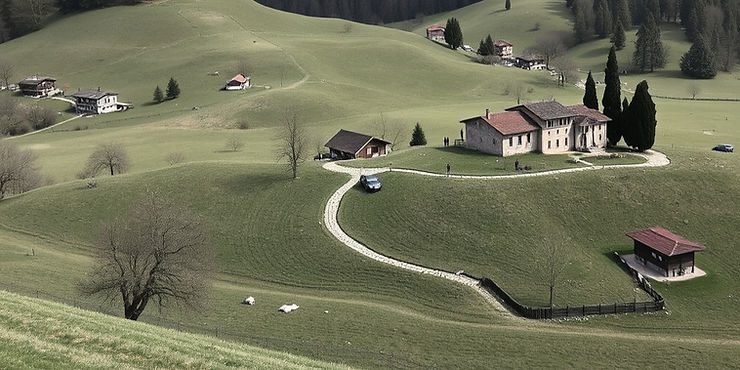
This quiet alpine valley is perfect for those seeking solitude. It features peaceful forests, mountain streams, and traditional villages with authentic Italian alpine culture.
Fusine Lakes
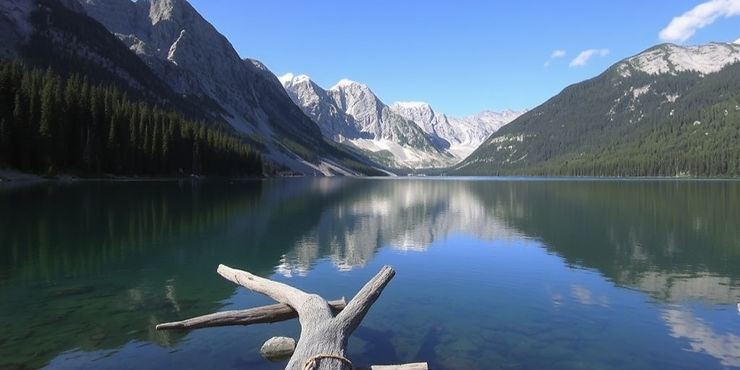
The Fusine Lakes are two crystal-clear mountain lakes surrounded by peaks. They are popular for hiking, fishing, and picnics. The area is easy to reach and family-friendly.
Cave del Predil
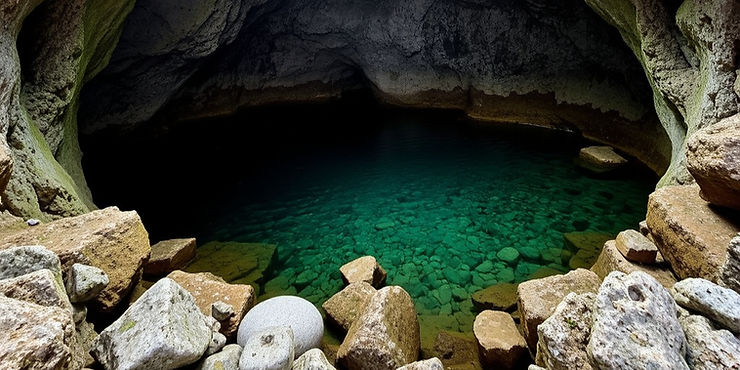
A historic mining village, Cave del Predil offers a glimpse into the region’s industrial past. Nearby trails lead to scenic viewpoints and alpine meadows.
Scenic Nature & High Alpine Spots
Mount Triglav
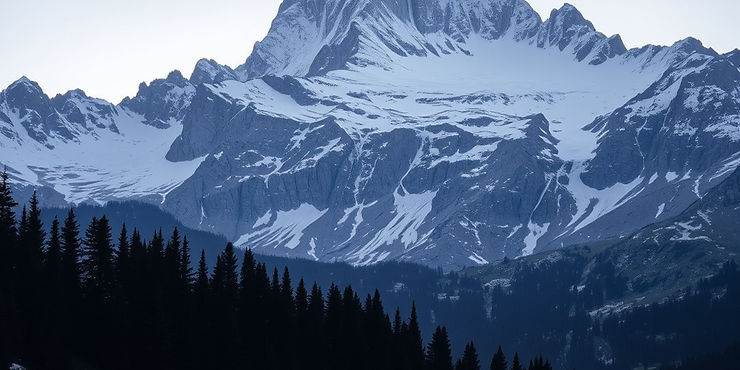
Slovenia’s highest peak, Mount Triglav, is a must for serious hikers. The climb is challenging but rewarding, with panoramic views from the summit. It symbolizes Slovenian national pride.
Vršič Pass
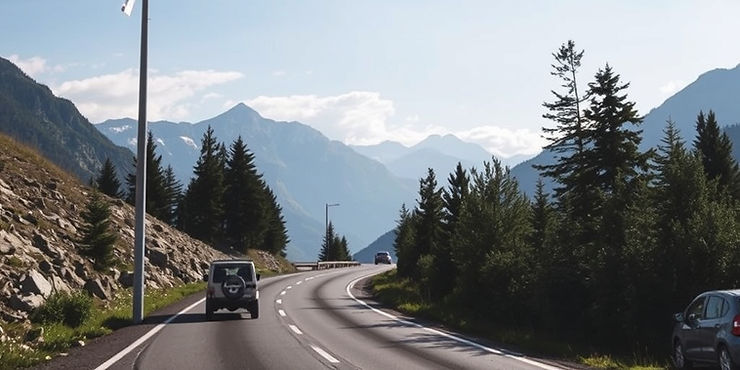
The Vršič Pass is the most scenic mountain road in the Julian Alps. It connects the Soča Valley with Kranjska Gora and offers numerous stops for hiking and photography.
Soča Valley
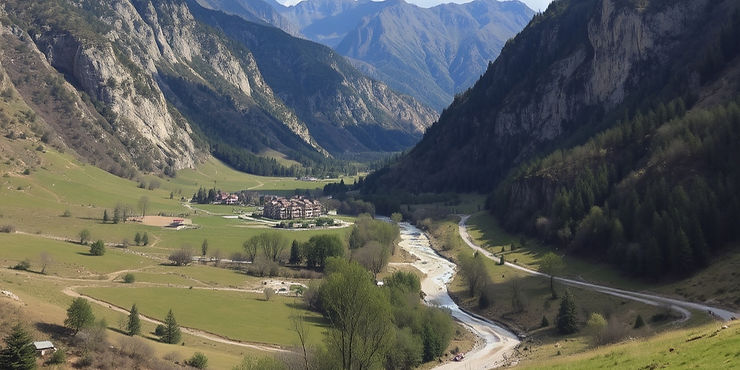
Known for its emerald-green river, the Soča Valley is a paradise for outdoor lovers. Activities include kayaking, fishing, and hiking along the riverbanks.
Mangart Saddle
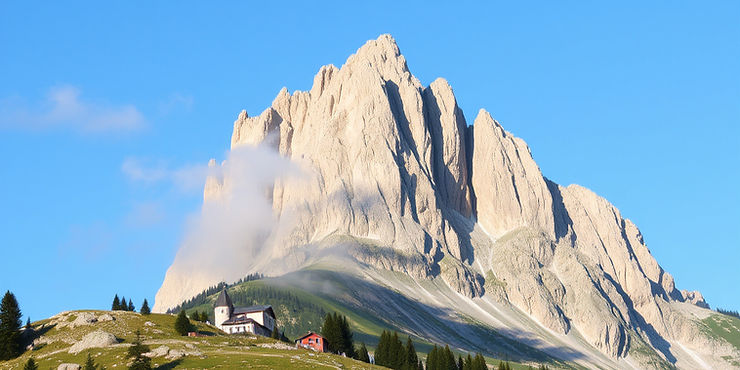
One of the highest roads in the Alps leads to Mangart Saddle. The area offers dramatic views and access to alpine trails and climbing routes.
Peričnik Waterfall
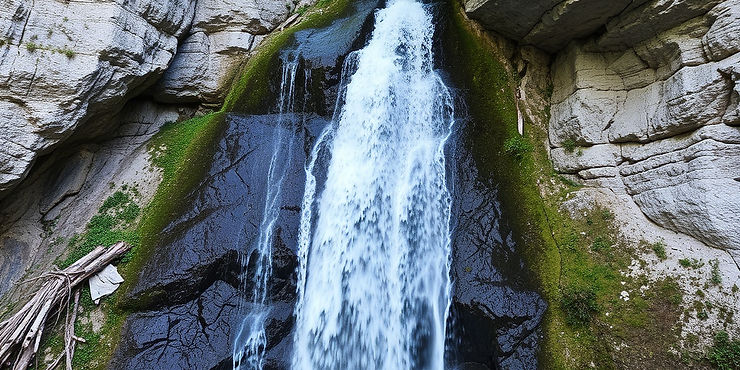
This waterfall is unique because visitors can walk behind the falling water. It’s located near Lake Bohinj and is accessible via a short hike.
Zelenci Nature Reserve
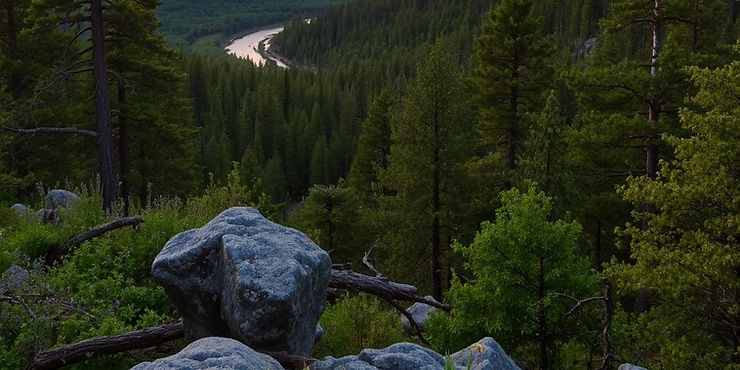
Zelenci is famous for its vibrant green spring pools. The reserve has easy walking paths and is a great spot for birdwatching and photography.
Pokljuka Plateau
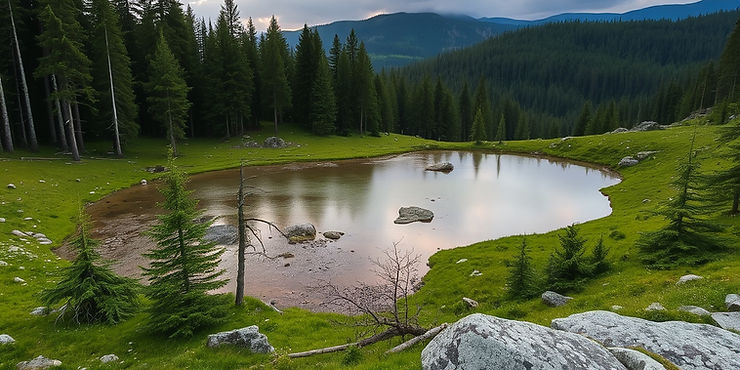
A forested highland area, Pokljuka is popular for hiking and cross-country skiing. It offers peaceful trails and mountain huts for overnight stays.
Seven Lakes Valley
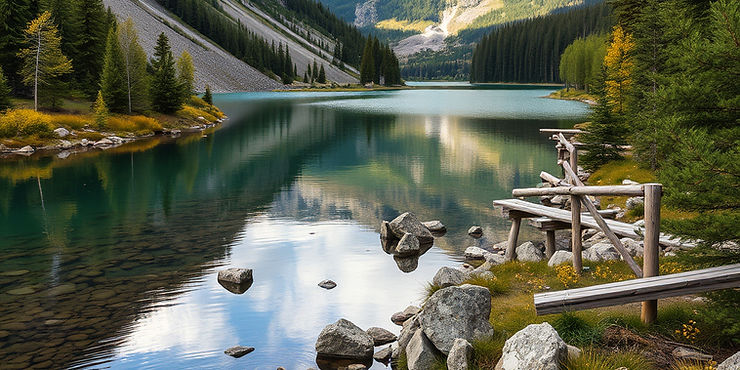
This classic alpine trek passes seven glacial lakes. It’s a favorite for multi-day hikers who want to experience diverse mountain landscapes.
Planica Valley
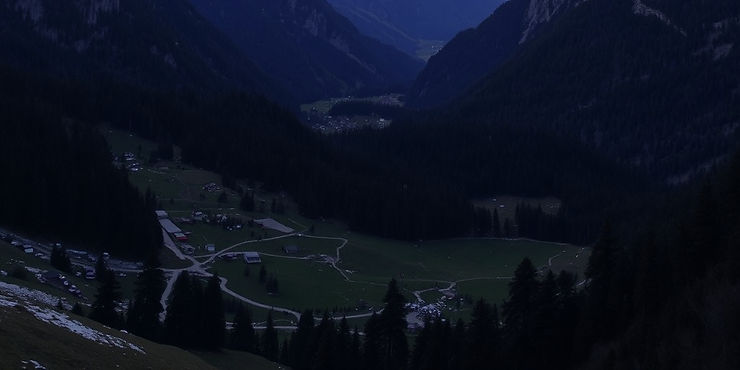
Planica is famous for ski jumping and offers dramatic valley views. It also has hiking trails and mountain biking routes.
Triglav Lakes Lodge
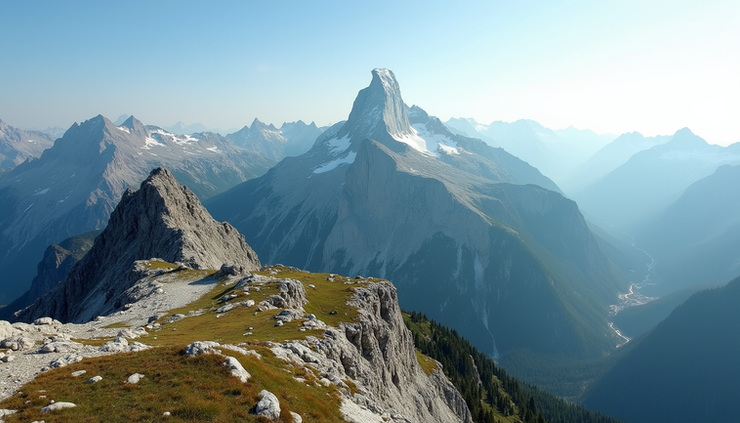
This mountain hut is located near the Triglav Lakes and provides a comfortable base for exploring the area. It’s ideal for hikers who want to experience alpine life overnight.
Conclusion
The Julian Alps offer a perfect blend of breathtaking scenery, charming alpine villages, and outdoor adventure. Whether you’re admiring the iconic beauty of Lake Bled, exploring the शांत landscapes of Lake Bohinj, or chasing adventure in the emerald waters of Soča Valley, this region promises unforgettable experiences.
From relaxing lakeside escapes to thrilling mountain hikes in Triglav National Park, the Julian Alps truly have something for every traveler. Whether you’re planning a romantic getaway, a solo adventure, or a family trip, this alpine paradise will leave you wanting to return again and again.
FAQ
1. Where are the Julian Alps located?
The Julian Alps are located in Slovenia and northeastern Italy, forming part of the larger Alpine mountain range.
2. What is the best time to visit the Julian Alps?
The best time to visit depends on your interests:
- Summer (June–September): Hiking, lakes, and outdoor adventures
- Winter (December–March): Skiing in places like Kranjska Gora
3. Which is better: Lake Bled or Lake Bohinj?
- Lake Bled is more famous and picturesque
- Lake Bohinj is quieter and more natural
Both are worth visiting if you have time.
4. Is the Julian Alps region good for beginners in hiking?
Yes! There are easy trails around Lake Bohinj and moderate hikes in Vršič Pass, as well as challenging climbs like Mount Triglav.
5. How many days do you need in the Julian Alps?
A 3–5 day trip is ideal to explore highlights like Bled, Bovec, and Kobarid without rushing.
Travel Tips
1. Rent a Car for Flexibility
Public transport is limited. Driving makes it easier to explore hidden gems like Log pod Mangartom.
2. Start Early for Popular Spots
Places like Lake Bled can get crowded—arrive early for the best experience.
3. Stay Inside Triglav National Park
For an immersive nature experience, consider staying near Triglav National Park or around Ribčev Laz.
4. Pack for Changing Weather
Mountain weather can shift quickly, especially near Vršič Pass—bring layers and waterproof gear.
5. Don’t Miss the Soča River Activities
Try rafting or kayaking in the stunning Soča Valley for an unforgettable adventure.
6. Visit Shoulder Season for Fewer Crowds
Late spring and early fall offer great weather with fewer tourists compared to peak summer.


Leave a Reply