Deep sea fishing in the Gulf of Mexico offers some of the richest and most diverse fishing opportunities in the United States. From the warm waters off Florida’s coast to the oil rigs of Texas and Louisiana, anglers can find a variety of species and fishing experiences. Whether you seek trophy tuna, billfish, snapper, or grouper, the Gulf provides access to world-class fishing grounds. This guide highlights the top 25 deep sea fishing destinations across the Gulf, focusing on accessibility, species variety, and unique fishing environments.
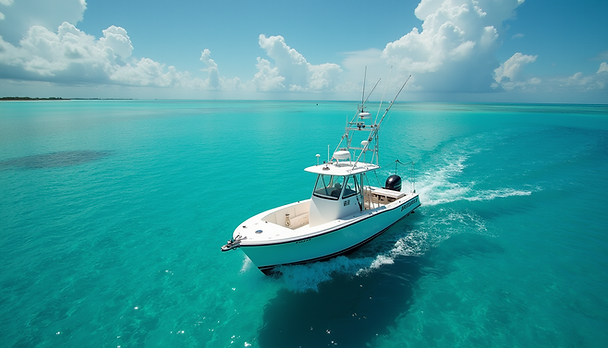
Florida: Best Variety and Accessibility
Florida stands out for its combination of diverse species and easy access to deep waters. The state’s coastline offers numerous ports and fishing villages known for their offshore fishing.
Destin
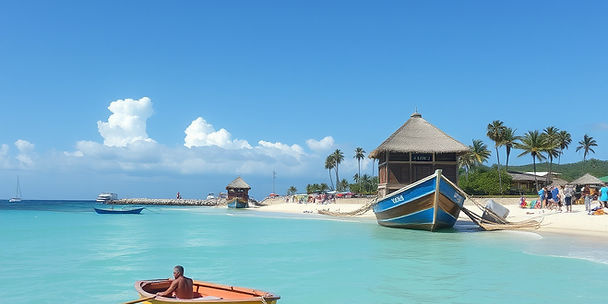
Destin is one of the most popular departure points for deep sea fishing along the Gulf Coast. Known as the “World’s Luckiest Fishing Village,” it offers quick access to deep water and highly productive offshore grounds. Anglers can target amberjack, grouper, snapper, and a variety of pelagic species thanks to its proximity to the continental shelf, which allows for shorter boat rides to prime fishing areas.
Where to fish: Head offshore toward the continental shelf and nearby reefs, where depth changes and structure attract large game fish year-round.
Key West
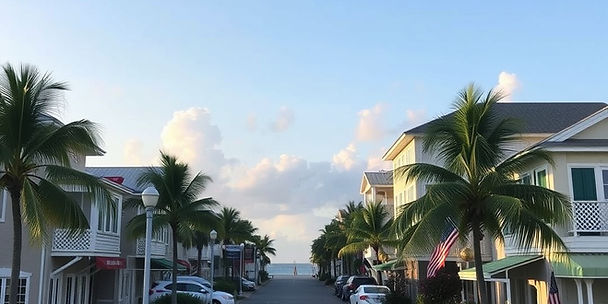
Key West is a premier destination for deep sea fishing due to its unique position where the Gulf of Mexico meets the Atlantic Ocean. This convergence creates nutrient-rich waters that attract big game species like marlin, sailfish, and tuna. The area is especially favored by experienced anglers seeking trophy catches.
Where to fish: Venture offshore to the Gulf Stream and surrounding deep waters, where strong currents bring in large pelagic fish.
Pensacola
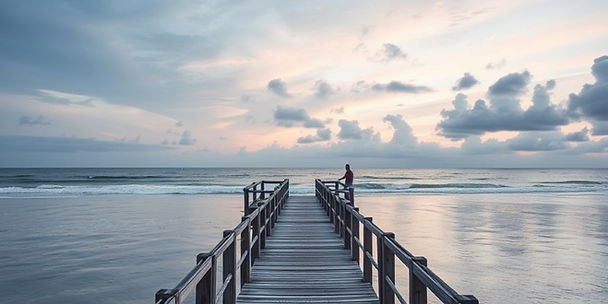
Pensacola is a well-known hub for offshore fishing, with access to productive deep-water structures like “The Edge,” a steep drop-off teeming with marine life. The city also hosts major billfish tournaments, making it a hotspot for serious anglers targeting high-value species.
Where to fish: Fish along deep drop-offs such as The Edge and offshore wrecks where billfish and other large species congregate.
Panama City Beach
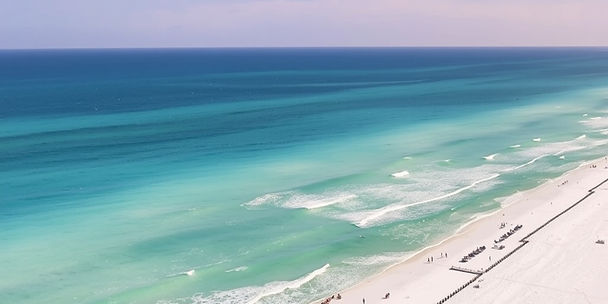
Panama City Beach is recognized for its strong snapper and grouper fisheries. The abundance of offshore reefs and shipwrecks creates ideal conditions for bottom fishing, attracting anglers who prefer consistent action and quality catches.
Where to fish: Focus on offshore reefs and artificial wrecks that provide habitat for snapper, grouper, and other bottom-dwelling species.
Apalachicola
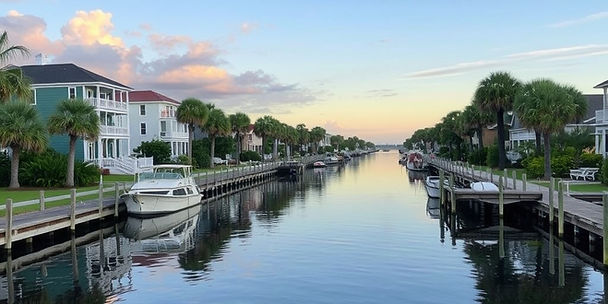
Apalachicola is often overlooked but offers excellent deep sea fishing opportunities thanks to its mix of offshore reefs and estuarine systems. This diverse habitat supports species like red snapper and amberjack, making it a hidden gem for anglers.
Where to fish: Target offshore reefs and transition zones between estuaries and open Gulf waters where fish populations thrive.
St. Petersburg
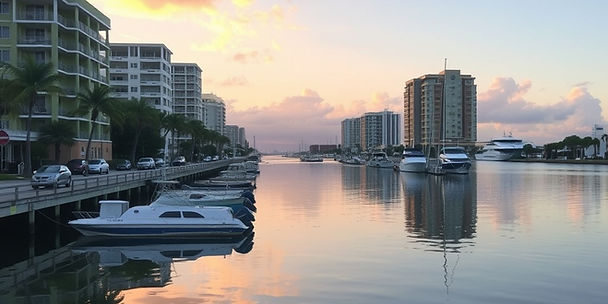
St. Petersburg provides consistent year-round offshore fishing with access to productive reefs and wrecks. These structures attract grouper, snapper, and king mackerel, making it a reliable destination regardless of season.
Where to fish: Fish around reefs and wrecks in the Gulf where structure draws in a steady population of game fish.
Tampa Bay (Offshore)
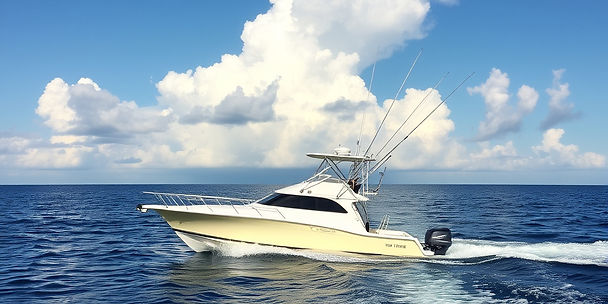
The offshore waters near Tampa Bay are known for their excellent fishing conditions, driven by strong currents and underwater structure. Anglers can target tarpon, grouper, and snapper in these productive waters.
Where to fish: Move offshore beyond the bay into deeper Gulf waters where structure and currents create ideal feeding grounds.
Clearwater
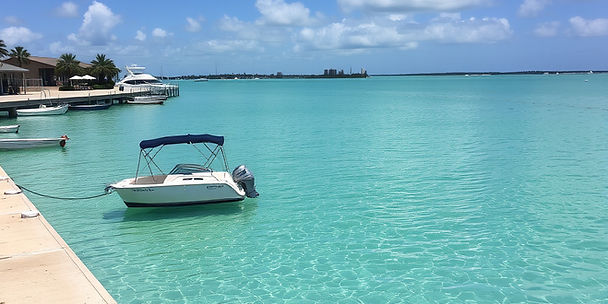
Clearwater offers access to deep water without requiring long trips, making it convenient for anglers looking to target pelagic species like mahi-mahi and tuna. Its offshore waters are both accessible and productive.
Where to fish: Head into nearby deep Gulf waters where pelagic species follow currents and bait schools.
Fort Myers / Sanibel Island
This region combines offshore fishing with inshore flats fishing, offering a diverse experience. Offshore anglers can find grouper and snapper, while the flats are home to tarpon and bonefish.
Where to fish: Explore offshore reefs for bottom species or stay inshore on the flats for tarpon and other shallow-water game fish.
Islamorada
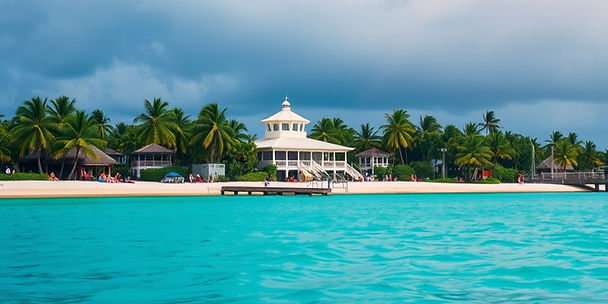
Islamorada is widely regarded as one of the sportfishing capitals of the world. Its waters host tarpon, permit, sailfish, and many other prized species. The unique geography of the Florida Keys creates ideal conditions for a wide range of fishing styles.
Where to fish: Fish the offshore waters along the reef line and deeper channels where currents concentrate bait and attract large game fish.
Alabama: Artificial Reefs and Big Catches
Alabama’s Gulf coast is known for its extensive artificial reef system, which attracts a variety of species and supports strong fishing action.
Gulf Shores
Gulf Shores offers a productive reef system that supports a wide variety of reef fish and pelagic species. Anglers can target grouper, snapper, and amberjack, along with fast-moving pelagic fish like king mackerel. The mix of artificial and natural reefs creates strong opportunities for both bottom fishing and trolling.
Where to fish: Fish the offshore reef structures and ledges where fish congregate, especially around areas with strong currents that bring in baitfish.
Orange Beach
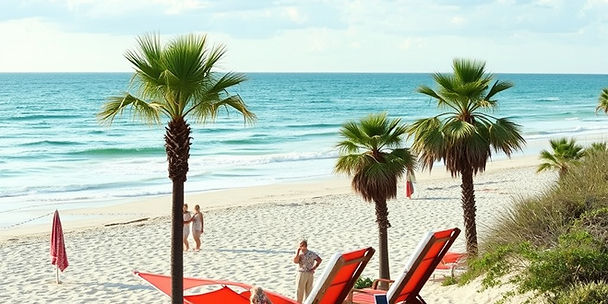
Orange Beach is known for its impressive reef program and reputation for producing record-breaking catches. The reefs draw in large grouper and snapper, while offshore waters are home to pelagic species such as tuna and wahoo. This variety makes it a prime destination for serious anglers.
Where to fish: Focus on artificial reefs and offshore structures, as well as deeper waters beyond the reef line where larger pelagic species are commonly found.
Mississippi: Underrated but Productive
Mississippi’s Gulf coast offers less crowded fishing grounds with diverse species.
Biloxi
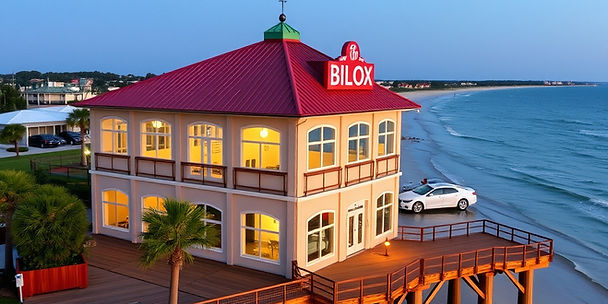
Biloxi provides excellent access to a variety of offshore species, including tuna, marlin, and snapper. Its location along the Gulf makes it a strong choice for anglers looking for productive waters without the heavy traffic found in some larger fishing hubs. The balance of accessibility and fish diversity makes it appealing for both experienced and visiting anglers.
Where to fish: Head offshore to deeper waters and offshore structures where tuna and marlin are active, and target reefs and wrecks for snapper.
Gulfport
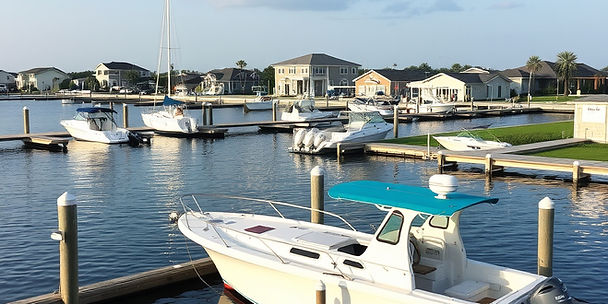
Gulfport offers a quieter and more relaxed fishing experience while still providing access to a wide range of offshore species. Anglers can expect to find amberjack, grouper, and various pelagic fish, making it a versatile destination along the Gulf Coast.
Where to fish: Focus on offshore reefs, wrecks, and deeper Gulf waters where larger species like grouper and pelagic fish are commonly found.
Louisiana: Best for Trophy Tuna and Big Game
Louisiana’s Gulf waters are famous for trophy tuna and big game fishing, supported by natural and artificial structures.
Venice
Often called the “Tuna Capital of the Gulf,” Venice is one of the top destinations for offshore fishing, especially for large bluefin and yellowfin tuna. Its proximity to deep Gulf waters and powerful currents creates ideal feeding conditions, drawing in some of the biggest game fish in the region.
Where to fish: Target deep offshore waters near the Mississippi River Delta, especially around rigs and current breaks where tuna and other large pelagic species feed.
Grand Isle
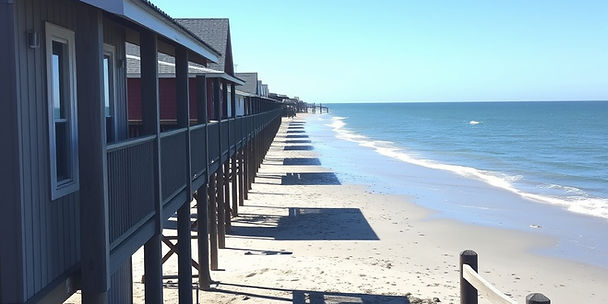
Grand Isle offers a balanced mix of offshore and nearshore fishing opportunities. Anglers can pursue red snapper, grouper, and a variety of pelagic species, making it a versatile destination for different fishing styles and experience levels.
Where to fish: Fish nearshore reefs and offshore structures, as well as deeper Gulf waters where larger pelagic species are active.
Cocodrie
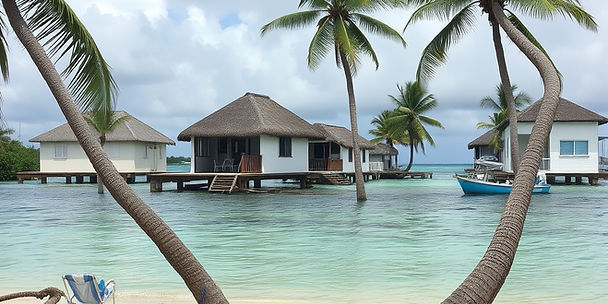
Cocodrie is a quieter, less pressured fishing destination that still delivers highly productive waters. Offshore reefs and oil rigs in the area attract both large game fish and bottom-dwelling species, providing excellent opportunities for anglers seeking less crowded conditions.
Where to fish: Focus on offshore oil rigs, reefs, and ledges where fish gather, especially in areas with structure that holds baitfish.
Get smarter responses, upload files and images, and more.Log in
Texas: Big Water and Oil Rig Fishing
Texas offers vast waters and unique fishing opportunities around oil rigs and deep drop-offs.
Port Aransas
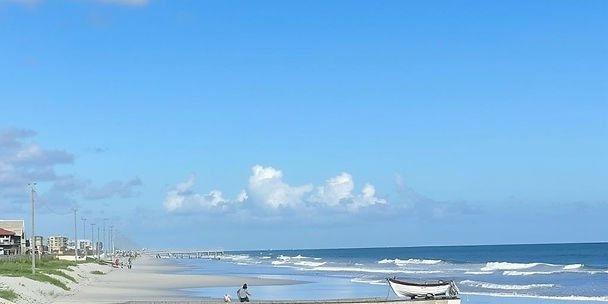
Port Aransas is a well-known Gulf Coast destination for targeting sharks, tarpon, and snapper. Its proximity to reefs and wrecks makes it especially productive for bottom fishing, while nearshore waters also provide exciting opportunities for larger game fish.
Where to fish: Focus on nearby reefs and shipwrecks for snapper and other bottom species, and explore nearshore waters for sharks and tarpon.
Galveston
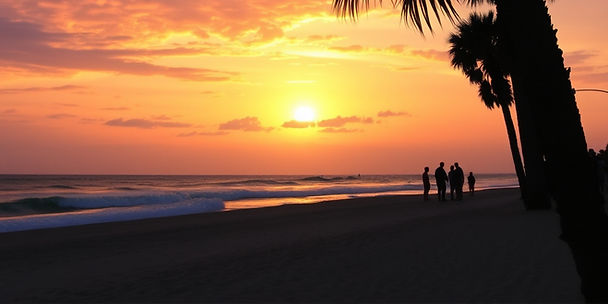
Galveston offers access to deep offshore rigs and reef systems that attract a wide range of pelagic species. Anglers frequently target tuna, mahi-mahi, and wahoo, making it a prime location for those seeking big game fishing in the Gulf.
Where to fish: Head to offshore oil rigs and deep reef structures where pelagic species gather, especially along current edges.
South Padre Island
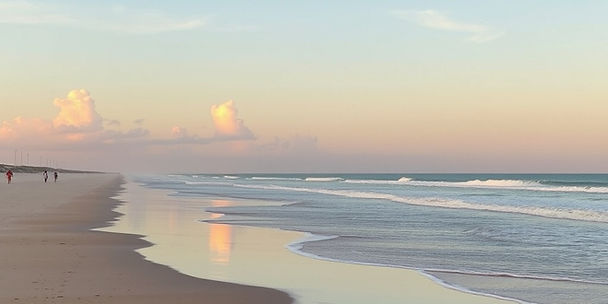
South Padre Island provides access to the famous “Mexican Drop,” a deepwater zone teeming with pelagic life. This area is highly regarded for targeting sailfish, marlin, and large tuna in offshore waters.
Where to fish: Fish the deep waters along the drop-off and offshore currents where baitfish concentrate and attract large pelagic predators.
Corpus Christi
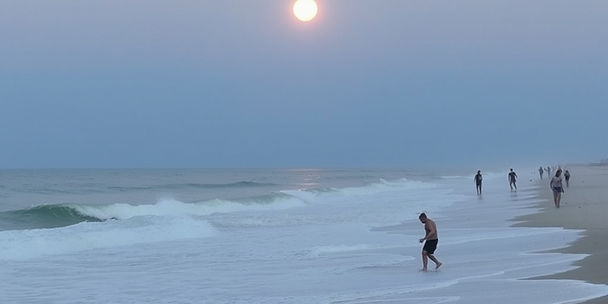
Corpus Christi is known for its strong offshore structure fishing, with reefs and wrecks that support healthy populations of grouper, snapper, and amberjack. It’s a reliable destination for anglers focused on bottom fishing.
Where to fish: Target offshore reefs, wrecks, and ledges where structure holds fish, particularly in deeper Gulf waters.
Freeport
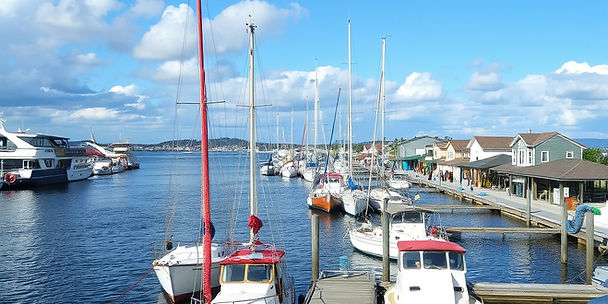
Freeport offers a quieter fishing experience with excellent opportunities around offshore oil rigs. These structures act as magnets for marine life, attracting species like tuna, mahi-mahi, and wahoo.
Where to fish: Focus on offshore oil rigs and surrounding waters where baitfish gather and pelagic species actively feed.
Offshore Structures and Special Zones
Certain offshore structures and zones in the Gulf provide unique fishing experiences due to their natural or man-made features.
Flower Garden Banks National Marine Sanctuary
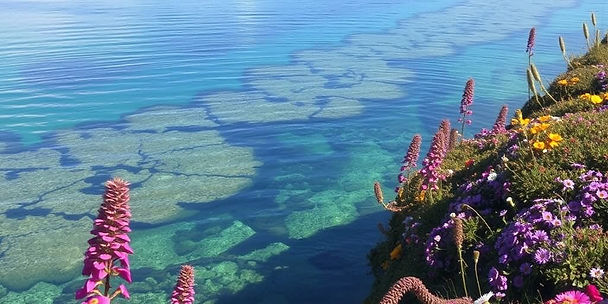
This protected reef system is one of the most pristine marine environments in the Gulf, loaded with snapper and grouper. As a designated sanctuary, it supports exceptionally healthy coral reefs and abundant marine life, making it a standout destination for offshore anglers seeking high-quality fishing grounds.
Where to fish: Target reef structures and coral heads within the banks, focusing on areas with depth changes where snapper and grouper congregate.
Gulf Oil Rigs
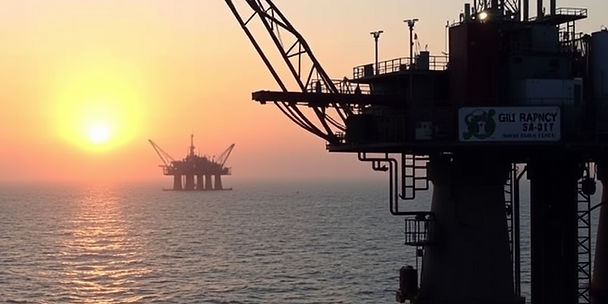
Oil rigs throughout Louisiana and Texas waters act as powerful fish attractors, creating vertical habitats that draw in baitfish and larger predators. These structures are known for producing trophy catches, including tuna, mahi-mahi, and wahoo, but require careful navigation and adherence to regulations.
Where to fish: Fish around the structure of offshore rigs, especially along current lines and deeper edges where pelagic species are actively feeding.
The Nipple and Spur
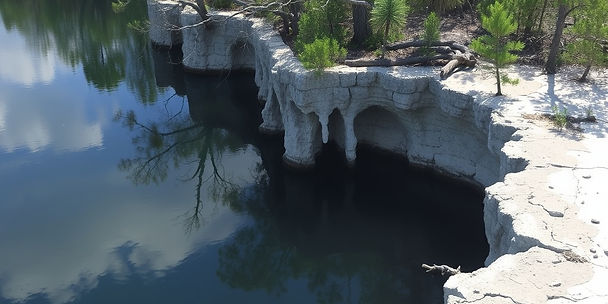
The Nipple and Spur are legendary deep-water fishing grounds off the Florida Panhandle, known for steep underwater drop-offs and nutrient-rich currents. These conditions attract a wide range of pelagic species, making them a top choice for serious offshore anglers.
Where to fish: Focus on the drop-offs and deep ledges where currents push baitfish, drawing in billfish, tuna, and amberjack.
Conclusion
The Gulf of Mexico stands out as one of the top deep sea fishing destinations in the Gulf of Mexico, offering access to rich offshore waters, productive reefs, and legendary deep-drop locations like The Nipple and Spur. Whether you’re targeting snapper and grouper on structure or chasing pelagic giants like tuna and billfish in deep water, the variety and consistency here make it ideal for anglers of all experience levels. With well-developed marinas, experienced charter captains, and year-round fishing opportunities, the Panhandle continues to be a go-to destination for serious offshore fishing.
FAQ
What fish can you catch deep sea fishing in the Florida Panhandle?Anglers can catch a wide range of species including snapper, grouper, amberjack, tuna, mahi-mahi, wahoo, and even billfish depending on the season and how far offshore you go.
When is the best time for deep sea fishing in the Florida Panhandle?Fishing is productive year-round, but peak seasons vary. Summer is excellent for snapper and grouper, while spring and fall are great for pelagic species like tuna and mahi-mahi.
How far offshore do you need to go?Most productive deep sea fishing spots range from 20 to 100+ miles offshore, especially when targeting larger pelagic species.
Do I need a license for deep sea fishing?If you’re fishing with a licensed charter in Florida, your fishing license is usually included. Private anglers will need to obtain a Florida saltwater fishing license.
Are oil rigs and reefs important for fishing here?Yes, both natural reefs and artificial structures attract fish by providing shelter and feeding opportunities, making them prime fishing spots.




Leave a Reply