Denmark offers some of the best deep sea fishing experiences in Northern Europe. With its extensive coastline touching the North Sea, Skagerrak, Kattegat, Baltic Sea, and numerous fjords and straits, anglers have access to diverse fishing grounds rich in species like cod, haddock, pollock, and flatfish. Whether you are a seasoned fisherman or a curious beginner, knowing where to cast your line can make all the difference. This guide highlights 25 top deep sea fishing locations in Denmark, organized by region, to help you plan your next fishing adventure.
North Sea Coast
The North Sea Coast is known for its strong currents and rich marine life, making it a prime area for deep sea fishing. Here are some of the best spots:
Hirtshals, Denmark
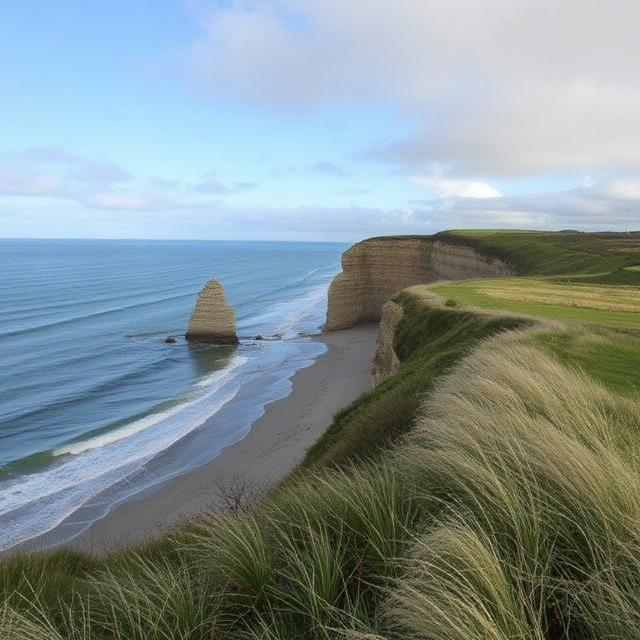
Hirtshals is a major North Sea fishing port known for quick access to deep, cold waters rich in marine life. The strong currents and productive seabeds make it a reliable destination for cod and saithe fishing, especially in colder months. Its well-developed charter industry supports both beginners and experienced anglers.
Types of Fish: Cod, saithe.
Where to Fish: Offshore North Sea waters west and northwest of Hirtshals, especially around deep wrecks, rocky bottoms, and current zones.
Where to Stay: Harbor hotels, fishing lodges, and coastal guesthouses in Hirtshals.
Hanstholm, Denmark
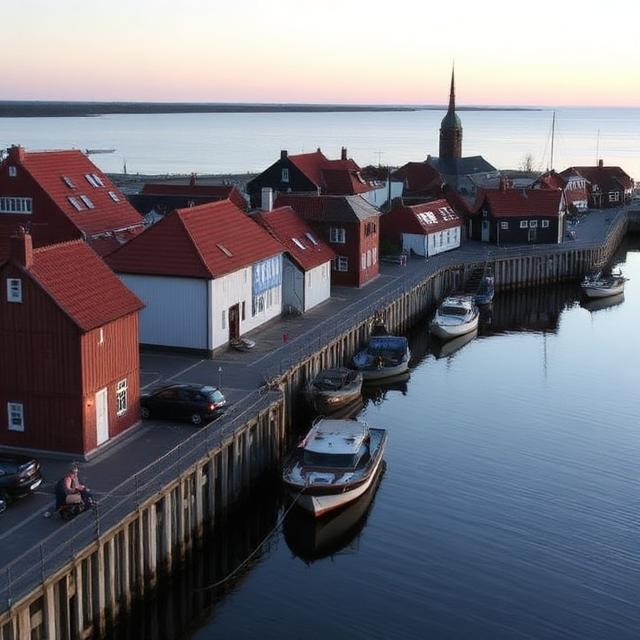
Hanstholm is one of Denmark’s most important deep sea fishing hubs, offering access to rich North Sea waters. Its rocky seabed structure creates ideal habitats for large cod and haddock populations. The area is known for challenging but rewarding fishing conditions.
Types of Fish: Cod, haddock.
Where to Fish: Offshore North Sea waters around Hanstholm, especially near reefs, wrecks, and deep rocky structures.
Where to Stay: Coastal hotels, fishing lodges, and marina-side accommodations.
Thyborøn, Denmark
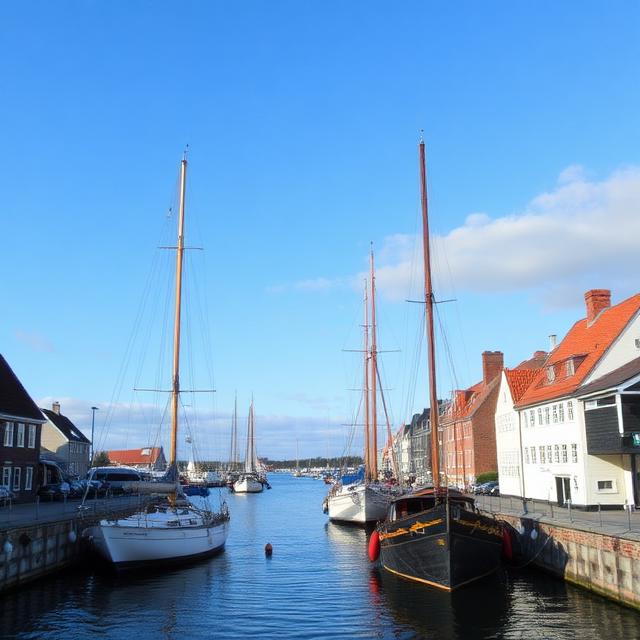
Thyborøn sits between the North Sea and Limfjord, giving anglers access to both coastal and deeper waters. The area is known for its diverse fishing opportunities and strong marine ecosystem. It is a popular base for charter fishing trips.
Types of Fish: Cod, flatfish.
Where to Fish: North Sea waters off Thyborøn, including sandy seabeds, wreck sites, and transitional coastal zones.
Where to Stay: Harbor hotels, guesthouses, and fishing-friendly accommodations in Thyborøn.
Hvide Sande, Denmark
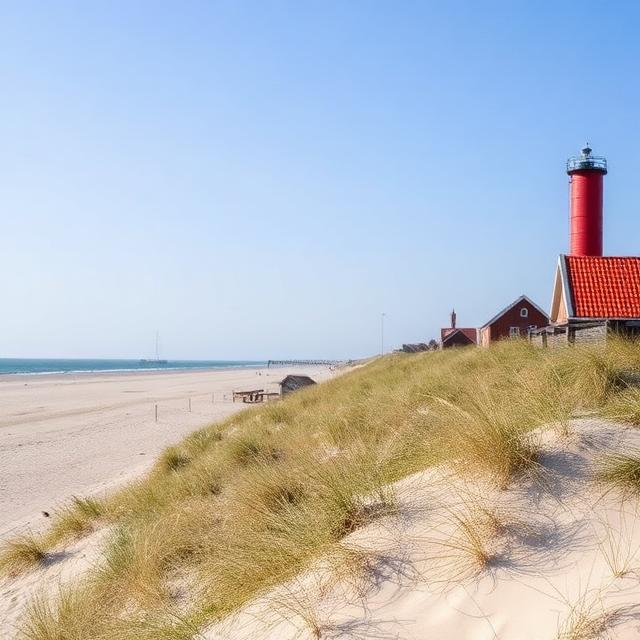
Hvide Sande is located at the meeting point of Ringkøbing Fjord and the North Sea, creating strong tidal movement and rich fishing conditions. This dynamic environment supports a variety of fish species and attracts anglers year-round.
Types of Fish: Cod, flatfish.
Where to Fish: Offshore North Sea waters and tidal zones near the fjord inlet, especially where currents concentrate baitfish.
Where to Stay: Beach hotels, holiday homes, and fishing lodges in Hvide Sande.
Esbjerg, Denmark
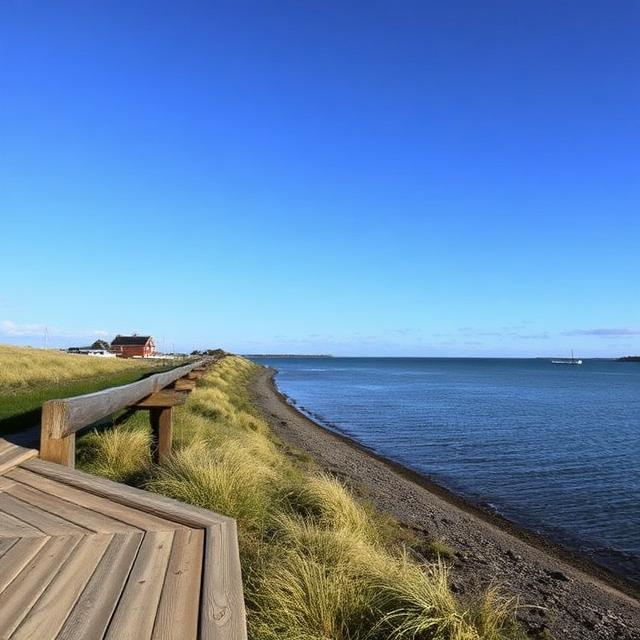
Esbjerg is Denmark’s largest North Sea fishing harbor, with strong infrastructure for both commercial and recreational fishing. The surrounding waters are productive and support consistent offshore fishing activity.
Types of Fish: Cod, haddock, halibut.
Where to Fish: Offshore North Sea waters west of Esbjerg, especially around deep structures, wrecks, and seabed plateaus.
Where to Stay: City hotels, harbor accommodations, and coastal lodgings near Esbjerg.
Fanø, Denmark
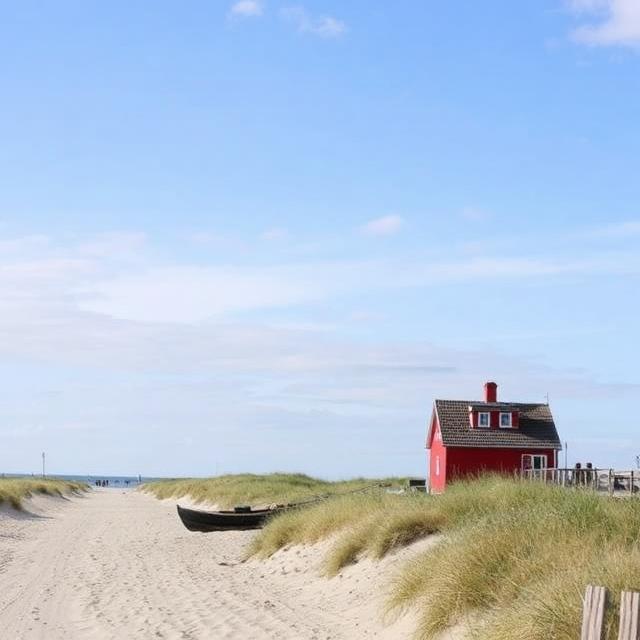
Fanø Island is a quiet island destination just off the west coast of Denmark, offering peaceful access to productive North Sea waters. Its less crowded environment makes it ideal for relaxed deep sea fishing trips. The surrounding waters support healthy populations of cold-water species.
Types of Fish: Cod, flatfish.
Where to Fish: Offshore North Sea waters around Fanø, particularly near sandy seabeds, tidal channels, and deeper coastal zones.
Where to Stay: Island guesthouses, seaside cottages, and small hotels on Fanø.
Skagerrak Coast
The Skagerrak Coast, bordering Norway and Sweden, features deep, cold waters that attract large fish.
Skagen, Denmark
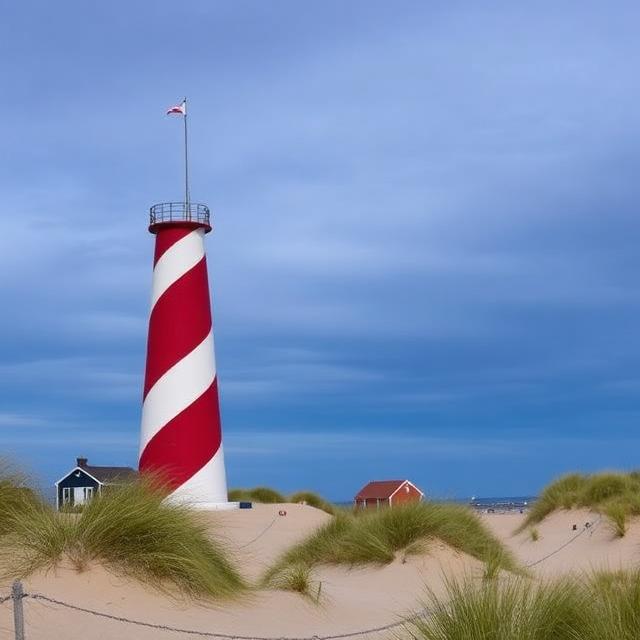
Skagen is located at the northern tip of Denmark where the North Sea and Baltic Sea meet, creating highly productive fishing conditions. The mixing currents bring nutrient-rich waters that attract large schools of fish year-round. This makes it one of the most important fishing regions in Scandinavia.
Types of Fish: Cod, pollock, mackerel.
Where to Fish: Offshore waters around Skagen, especially where the Skagerrak and Kattegat currents collide, creating strong feeding zones.
Where to Stay: Coastal hotels, harbor lodges, and seaside guesthouses in Skagen.
Frederikshavn, Denmark
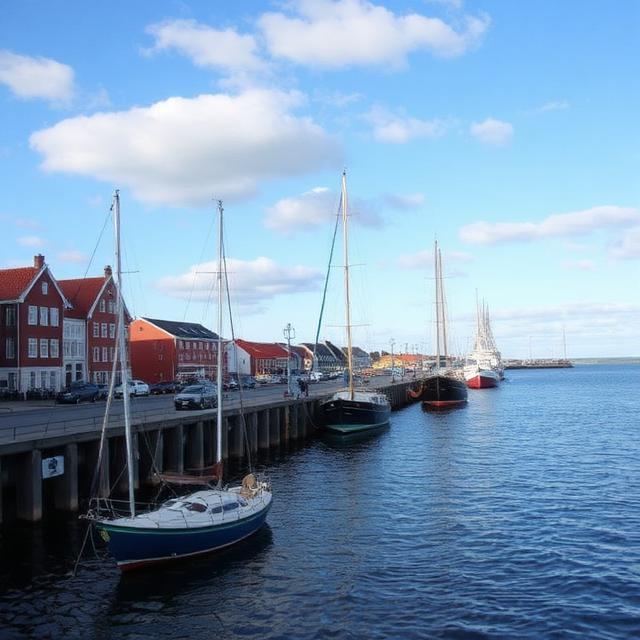
Frederikshavn is a major North Sea fishing port with direct access to deep, cold waters rich in marine life. The harbor supports a strong charter fishing industry, making offshore trips easy and accessible. The surrounding seabeds are productive and varied.
Types of Fish: Cod, haddock.
Where to Fish: Offshore Skagerrak and North Sea waters north and northeast of Frederikshavn, especially near wrecks and deep seabed structures.
Where to Stay: Harbor hotels, city accommodations, and fishing lodges near the waterfront.
Læsø, Denmark
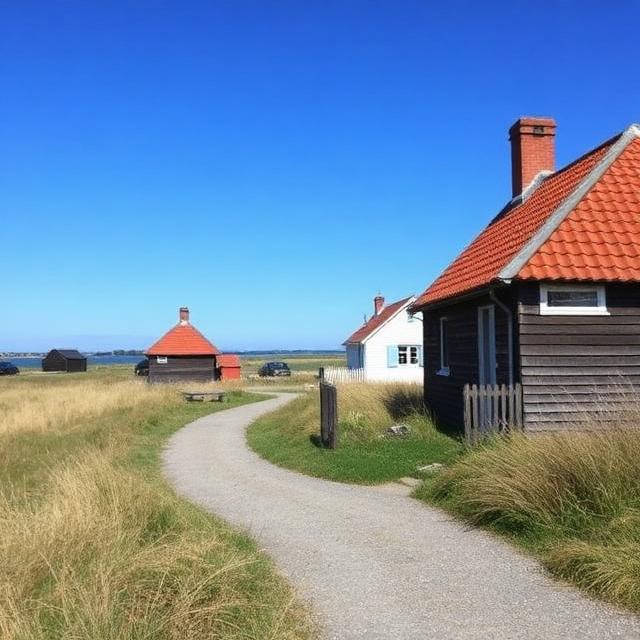
Læsø Island is a remote island in the Skagerrak known for its clean waters and low fishing pressure. The surrounding sea floor features productive habitats that support strong fish populations. Its isolation makes it ideal for peaceful fishing trips.
Types of Fish: Cod, flatfish.
Where to Fish: Deep waters around Læsø, especially along sandy seabeds, coastal drop-offs, and Skagerrak channels.
Where to Stay: Island guesthouses, coastal cabins, and small local hotels.
Anholt, Denmark
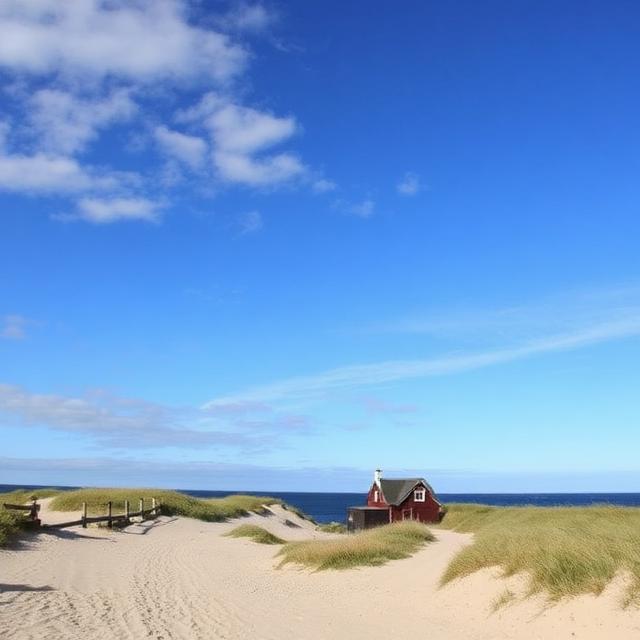
Anholt Island sits in the middle of the Kattegat Sea but shares similar fishing conditions with the nearby Skagerrak region. Its deep surrounding waters and isolated location create productive fishing grounds with less competition from other anglers.
Types of Fish: Cod, flatfish, mixed North Sea species.
Where to Fish: Offshore waters around Anholt, especially near deep channels, sandy seabeds, and transition zones between Kattegat and Skagerrak currents.
Where to Stay: Small island hotels, guesthouses, and seaside cottages on Anholt.
Kattegat Region
The Kattegat Sea between Denmark and Sweden has many excellent fishing spots, especially around peninsulas and islands.
Grenaa, Denmark
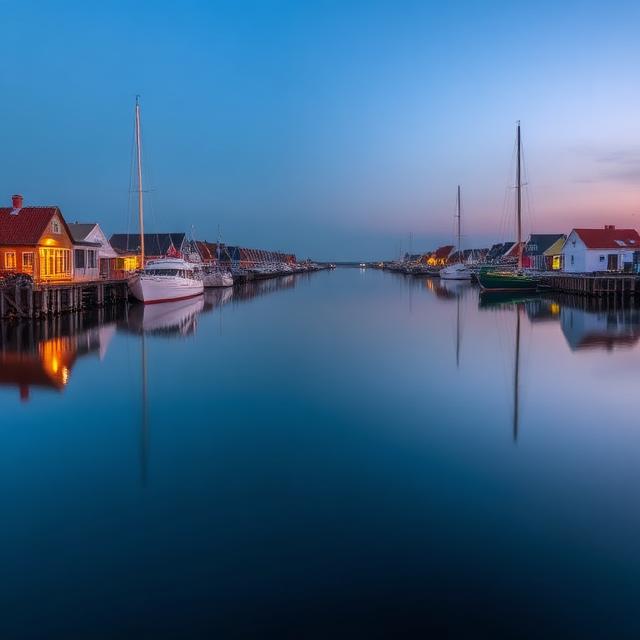
Grenaa is a coastal fishing town with direct access to the productive waters of the Kattegat Sea. The area is known for stable fishing conditions and a strong local charter industry that supports anglers of all skill levels. Its offshore waters hold consistent cold-water species throughout the year.
Types of Fish: Cod, haddock.
Where to Fish: Deep Kattegat waters east of Grenaa, especially around wrecks, sandy seabeds, and current transition zones.
Where to Stay: Harbor hotels, seaside guesthouses, and fishing lodges in Grenaa.
Djursland, Denmark
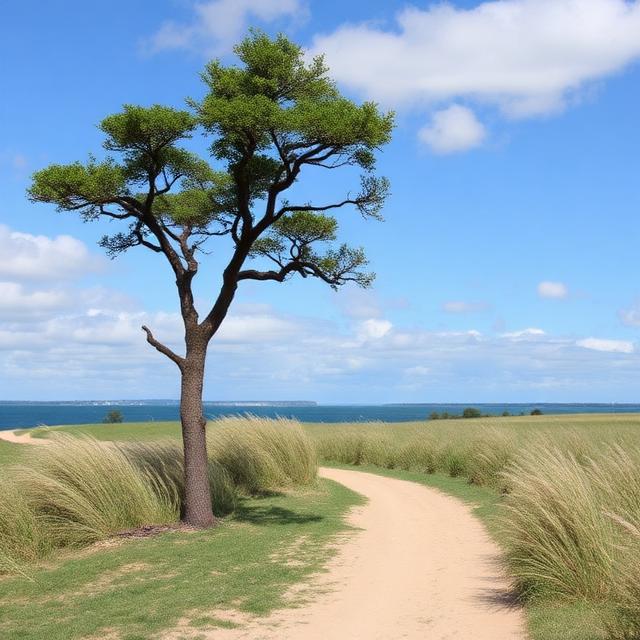
Djursland Peninsula offers a long and varied coastline with access to both shallow and deep fishing grounds. The mix of habitats supports a wide range of fish species and makes it a flexible destination for anglers. Offshore areas are particularly productive in colder seasons.
Types of Fish: Cod, pollock, flatfish.
Where to Fish: Kattegat waters off Djursland’s eastern coast, especially near reefs, drop-offs, and sandy seabeds.
Where to Stay: Coastal cottages, beach hotels, and small towns like Ebeltoft and Grenaa.
Ebeltoft, Denmark
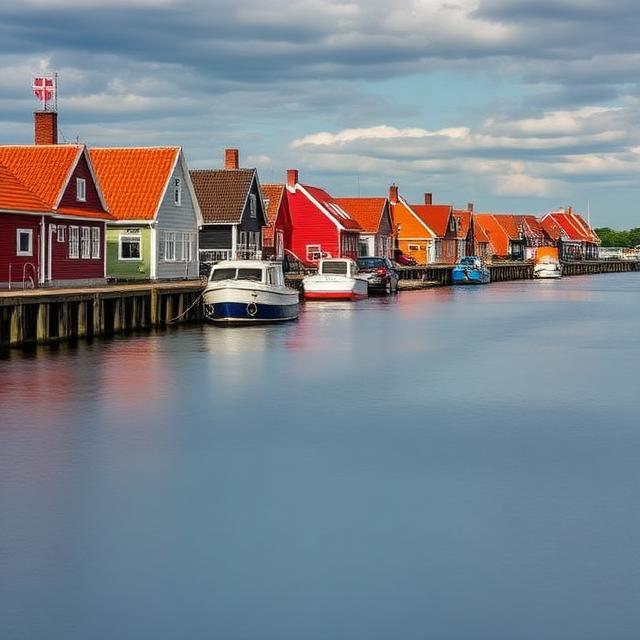
Ebeltoft is a historic coastal town that serves as a gateway to the rich fishing grounds of the Kattegat Sea. Its nearby waters are known for steady cod populations and accessible offshore zones. The area combines fishing with scenic coastal tourism.
Types of Fish: Cod, pollock, mixed North Sea species.
Where to Fish: Offshore Kattegat waters near Ebeltoft, particularly around underwater structures and deeper channels.
Where to Stay: Boutique hotels, harbor inns, and seaside accommodations in Ebeltoft.
Hals, Denmark
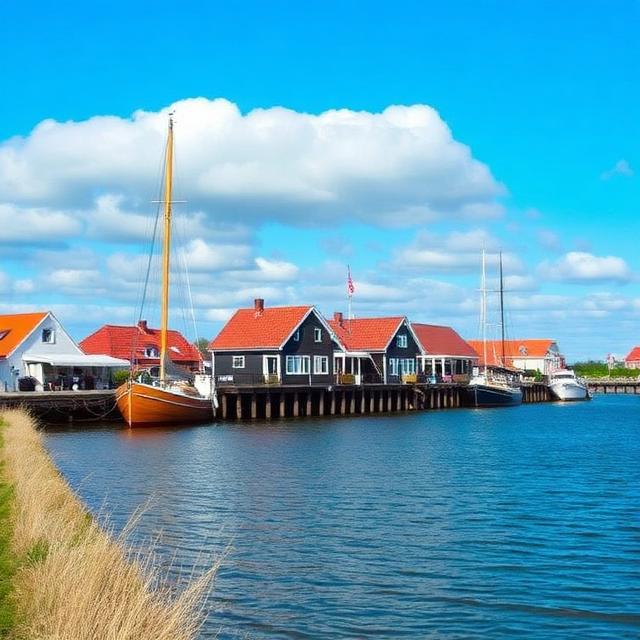
Hals sits near the entrance to the Limfjord and also provides access to deeper Kattegat waters. This unique location allows anglers to experience both sheltered and offshore fishing environments. The mix of currents supports diverse fish populations.
Types of Fish: Cod, haddock.
Where to Fish: Kattegat waters east of Hals and transitional zones near the Limfjord entrance where currents concentrate fish.
Where to Stay: Coastal guesthouses, marina hotels, and small fishing lodges in Hals.
Samsø, Denmark
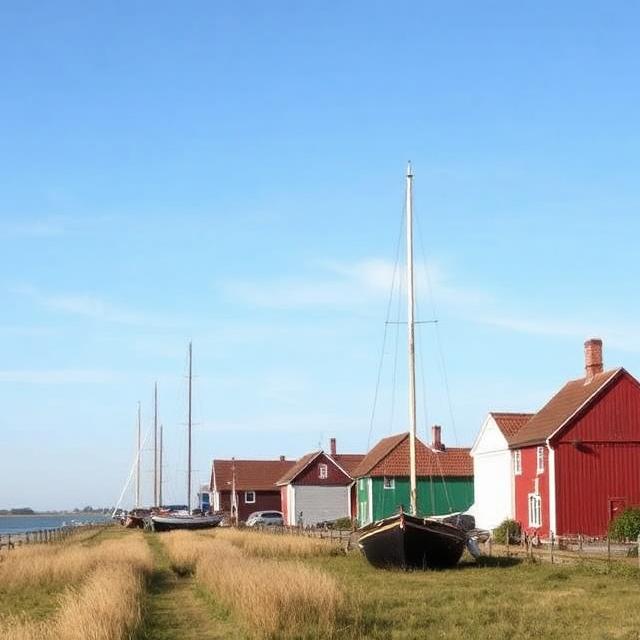
Samsø Island is a peaceful island surrounded by clean, nutrient-rich waters in the Kattegat Sea. Its relatively low population and unspoiled environment help maintain healthy fish stocks. The island is especially popular for relaxed, scenic fishing trips.
Types of Fish: Cod, flatfish.
Where to Fish: Offshore waters around Samsø, particularly along sandy bottoms, shallow reefs, and deeper channel edges.
Where to Stay: Island hotels, seaside cottages, and small guesthouses across Samsø.
Baltic Sea Coast
The Baltic Sea Coast offers calmer waters but still provides excellent deep sea fishing opportunities.
Bornholm, Denmark
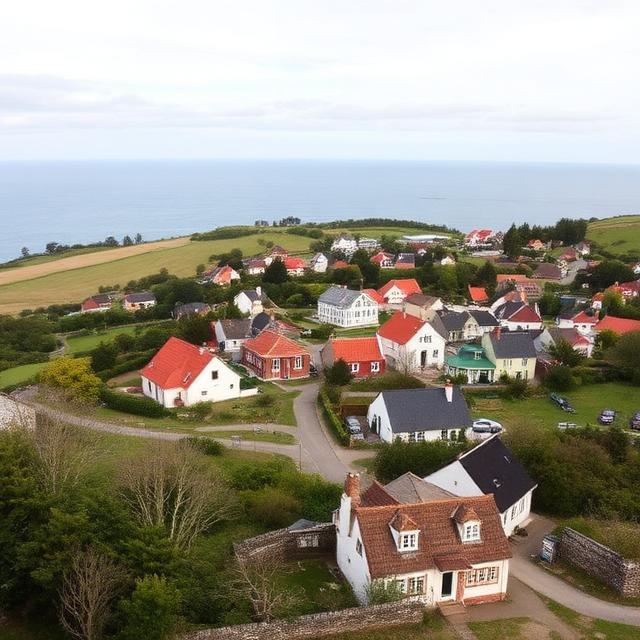
Bornholm is Denmark’s easternmost island and one of the most important fishing hubs in the Baltic Sea. Its surrounding waters are deep, clear, and rich in cold-water species, making it a strong destination for both recreational and charter fishing. The island’s rocky seabeds and offshore zones create productive fishing grounds year-round.
Types of Fish: Cod, flatfish, sea trout.
Where to Fish: Offshore Baltic Sea waters around Bornholm, especially near rocky reefs, deep drop-offs, and current-fed channels.
Where to Stay: Coastal hotels, harbor guesthouses, and seaside accommodations in towns like Rønne and Nexø.
Rønne, Denmark
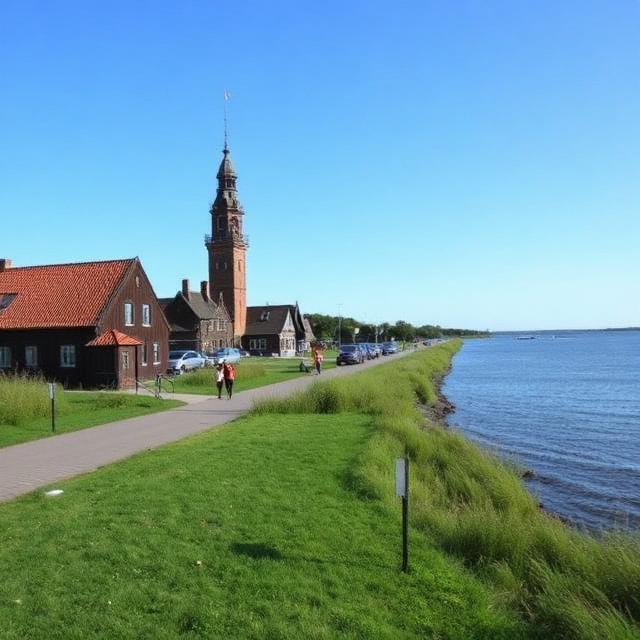
Rønne is the main town and port on Bornholm, serving as the primary gateway to the island’s rich fishing waters. Its harbor supports a strong fishing and charter industry, making offshore trips easy to arrange. The nearby Baltic waters are productive and accessible within short travel times.
Types of Fish: Cod, flatfish.
Where to Fish: Deep Baltic waters west and south of Rønne, especially around underwater structures and seabed transitions.
Where to Stay: Harbor hotels, coastal inns, and guesthouses in Rønne.
Gedser, Denmark
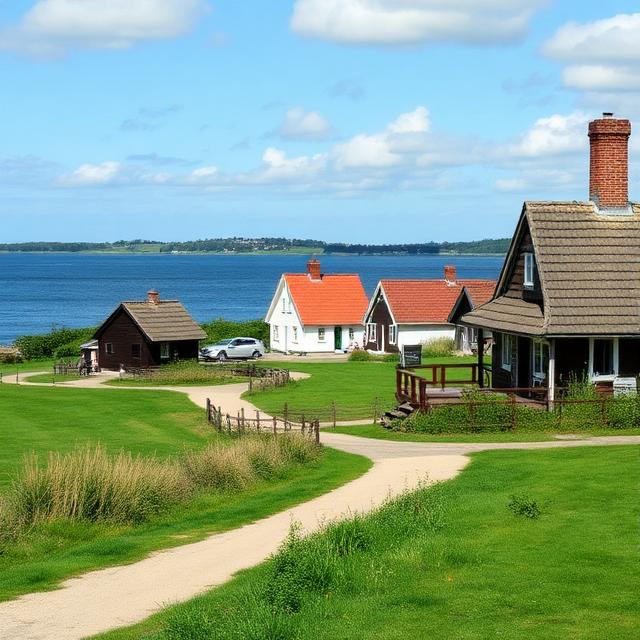
Gedser is Denmark’s southernmost point and provides access to the deep Baltic Sea. Seasonal migrations bring strong fishing opportunities, especially during spring and autumn. The waters here are calm but productive, making it suitable for both beginners and experienced anglers.
Types of Fish: Cod, flatfish.
Where to Fish: Offshore Baltic waters south of Gedser, particularly near sandy bottoms, channels, and depth changes.
Where to Stay: Small coastal hotels, guesthouses, and nearby accommodations on Falster Island.
Rødbyhavn, Denmark
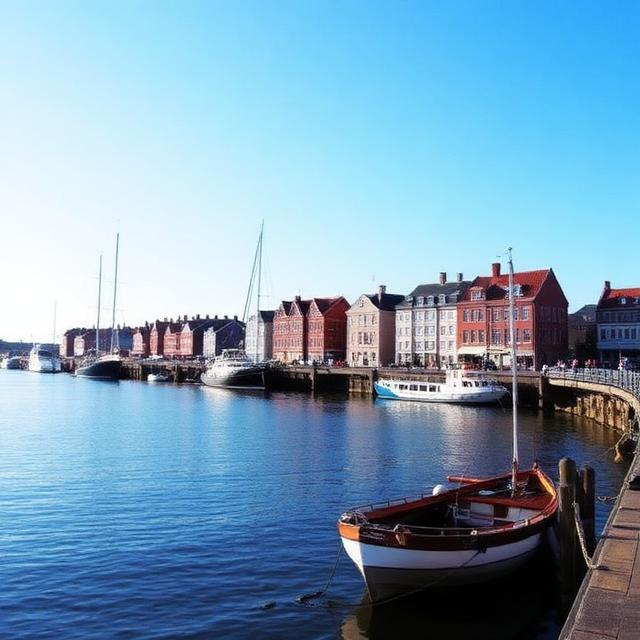
Rødbyhavn is a ferry port town with direct access to the southern Baltic Sea fishing grounds. The surrounding waters are known for steady populations of bottom-dwelling fish species. Its location makes it a convenient base for offshore trips.
Types of Fish: Cod, plaice, flatfish.
Where to Fish: Baltic Sea waters off Lolland, especially along sandy seabeds, shallow banks, and deeper offshore zones.
Where to Stay: Harbor hotels, seaside guesthouses, and small local lodgings in Rødbyhavn.
Danish Straits & Islands
The straits and islands between the North Sea and Baltic Sea provide unique fishing conditions with strong currents and deep channels.
Great Belt, Denmark
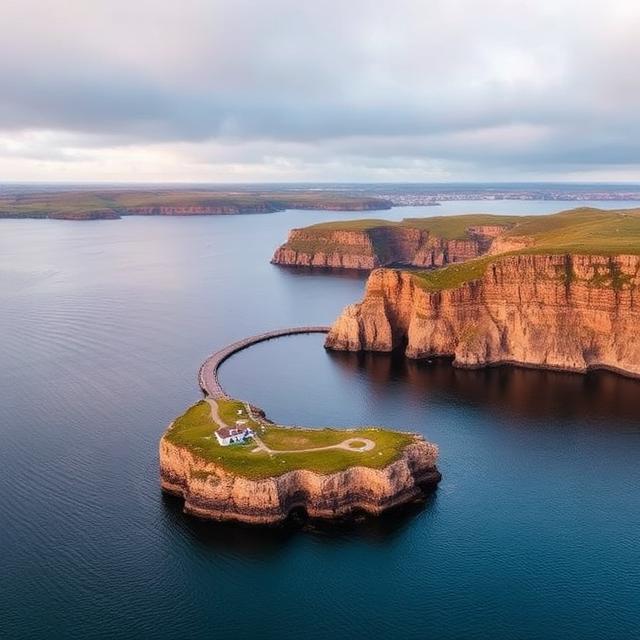
Great Belt is a deep, fast-moving strait that connects the Baltic Sea with the Kattegat. Its strong currents and varying depths create highly productive fishing conditions, especially for larger cold-water species. However, the shifting waters can make it a more technical and challenging fishing area.
Types of Fish: Cod, mixed Baltic species.
Where to Fish: Deep channels and current edges throughout the Great Belt, especially near underwater drop-offs and flow transitions between islands.
Where to Stay: Coastal hotels and harbor accommodations on nearby Zealand and Funen.
Little Belt, Denmark
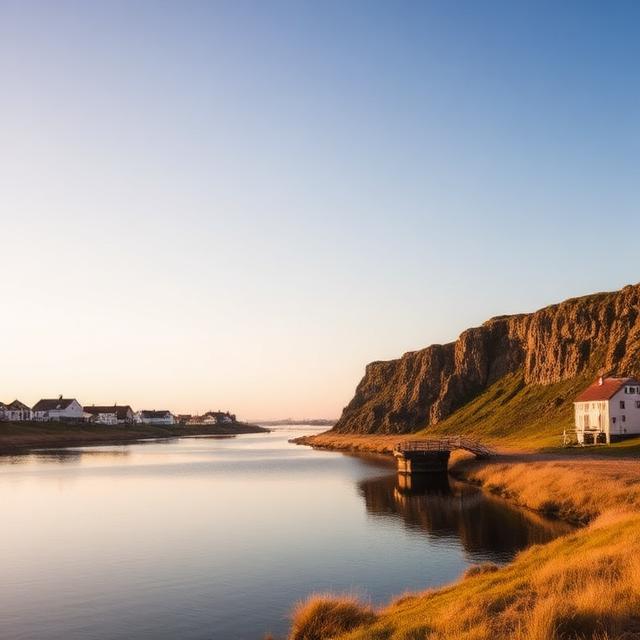
Little Belt is a narrower strait with calmer but still deep and nutrient-rich waters. It provides excellent conditions for consistent fishing and is more accessible for smaller boats and guided trips. The mix of habitats supports a variety of fish species.
Types of Fish: Cod, flatfish.
Where to Fish: Deep waters along the strait, especially near bridges, reefs, and seabed transitions between Jutland and Funen.
Where to Stay: Coastal inns, marina hotels, and guesthouses along both sides of the Little Belt.
Funen, Denmark
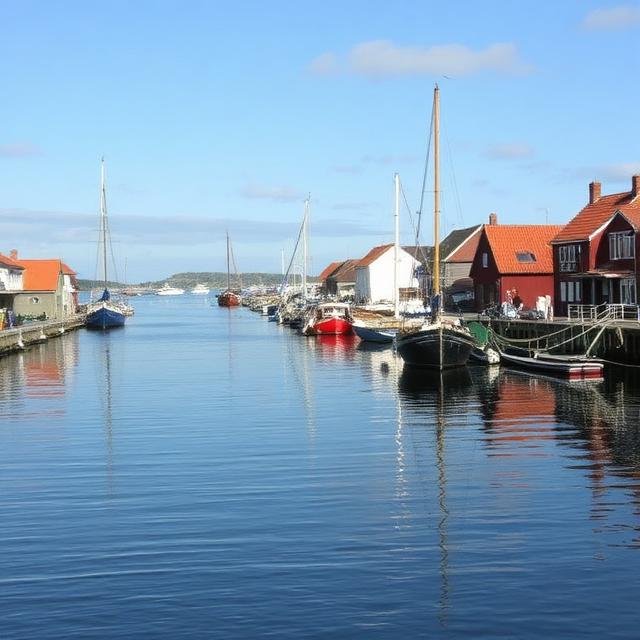
Funen is Denmark’s third-largest island and sits between the Great Belt and Little Belt, giving it access to some of the country’s most productive fishing waters. Its surrounding seas are rich in marine life and offer year-round fishing opportunities.
Types of Fish: Cod, haddock, flatfish.
Where to Fish: Offshore waters around Funen in both the Great Belt and Little Belt, especially near reefs, channels, and depth changes.
Where to Stay: Coastal towns, harbor hotels, and seaside cottages across Funen.
Als, Denmark
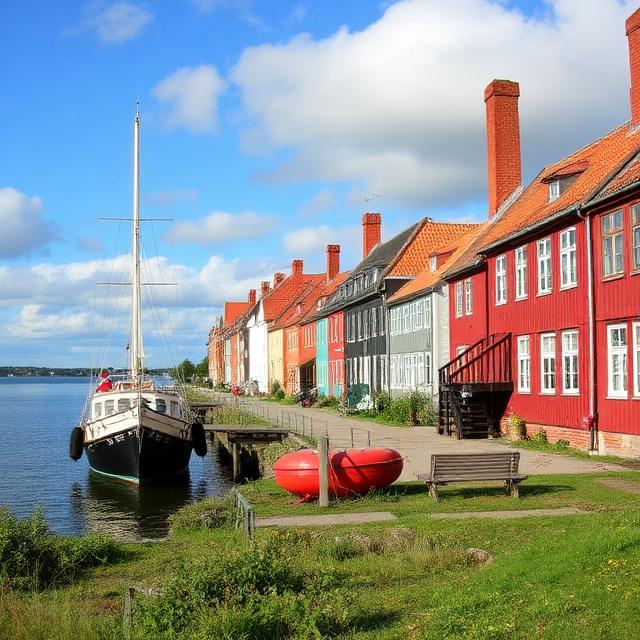
Als is a peaceful island located in the Little Belt, offering calm surroundings and access to productive offshore waters. Its nearby deep channels support steady populations of cod and other cold-water species. The island is known for its relaxed atmosphere and scenic coastline.
Types of Fish: Cod, flatfish.
Where to Fish: Little Belt waters surrounding Als, especially along deeper channels, coastal drop-offs, and sheltered bays.
Where to Stay: Small coastal hotels, guesthouses, and holiday cottages on Als.
Fjords & Inland Coastal Waters
Denmark’s fjords and inland coastal waters offer sheltered fishing spots with access to deep waters.
Limfjord, Denmark
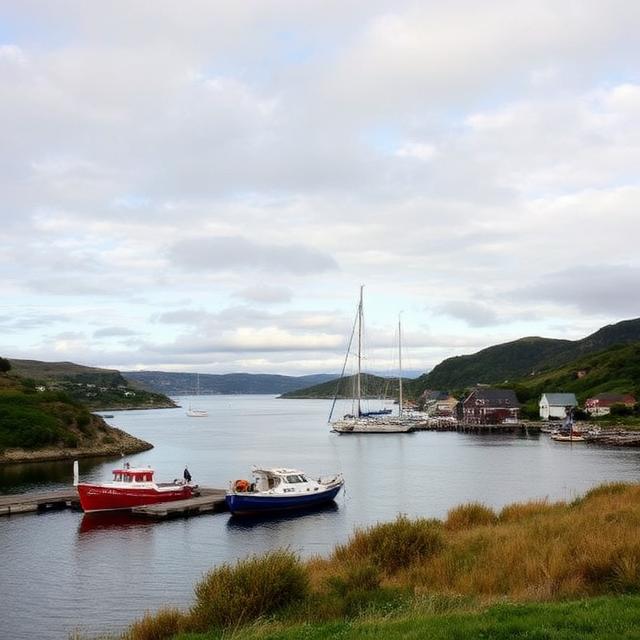
Limfjord is a large and highly diverse fjord system that cuts across northern Denmark, connecting the North Sea with the Kattegat. Its mix of shallow bays, deep channels, and strong tidal movement creates productive and varied fishing conditions. The nutrient flow through the fjord supports healthy fish populations year-round, making it one of Denmark’s most versatile fishing regions.
Types of Fish: Cod, flatfish, sea trout.
Where to Fish: Deep channels and tidal corridors within the Limfjord, especially near narrow passages, underwater slopes, and current-rich zones where fish gather.
Where to Stay: Coastal towns, marina hotels, and guesthouses throughout the Limfjord region, including Aalborg, Nykøbing Mors, and Skive.
Vejle Fjord, Denmark
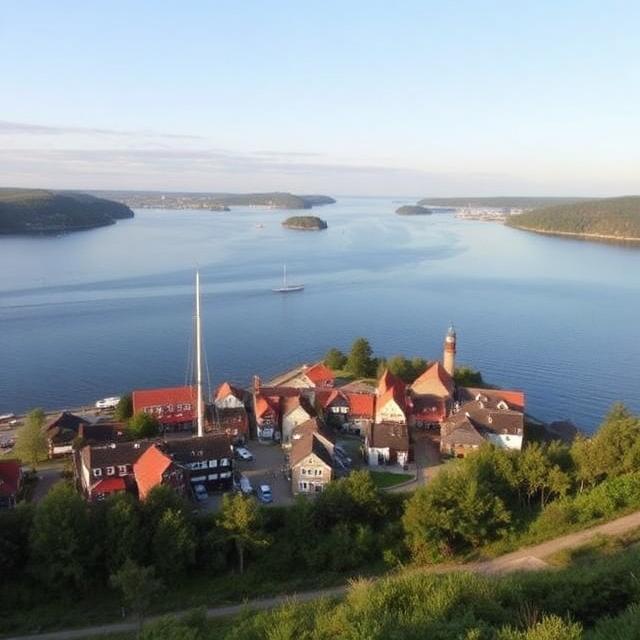
Vejle Fjord is a scenic and relatively deep fjord on the east coast of Jutland, known for its calm beauty and productive waters. Strong tidal movement and deep central channels help attract fish throughout the year. The surrounding forested hills and coastal landscapes make it a visually striking fishing destination as well.
Types of Fish: Cod, flatfish, mixed coastal species.
Where to Fish: Deeper sections of Vejle Fjord, especially near channel edges, bridge areas, and drop-offs where currents concentrate baitfish.
Where to Stay: Waterfront hotels, small coastal inns, and accommodations in Vejle and nearby fjord-side towns.
Conclusion
Denmark may not be the first place that comes to mind for deep sea fishing, but its unique geography makes it one of the most versatile fishing destinations in Northern Europe. With access to the North Sea, Baltic Sea, and powerful current zones like Great Belt and Little Belt, anglers can experience a wide range of fishing conditions in a relatively small area.
From the rugged North Sea coast near Hirtshals to the calmer waters around Bornholm, Denmark offers opportunities for both beginners and experienced anglers. Whether you’re targeting cod in deep offshore waters or mackerel along coastal zones, the country provides consistent fishing, easy access points, and strong local fishing traditions.
FAQ: Deep Sea Fishing in Denmark
1. Is Denmark good for deep sea fishing?
Yes. Denmark offers excellent access to both the North Sea and Baltic Sea, making it a strong destination for cod, mackerel, and flatfish.
2. What fish can you catch in Denmark?
Common catches include cod, mackerel, pollock, plaice, flounder, and sea trout in coastal areas.
3. When is the best time to go fishing?
- Spring to early fall: best for mackerel and active offshore fishing
- Winter months: excellent for cod fishing
4. Do you need a fishing license in Denmark?
Yes. Recreational anglers typically need a valid Danish fishing license, though many charter operators include this in their packages.
5. Are there deep sea fishing charters available?
Yes. Many coastal towns such as Hanstholm and Skagen offer charter boats and guided fishing trips.
6. Is Denmark suitable for beginner anglers?
Yes. The calm Baltic waters and organized charters make it beginner-friendly, while the North Sea provides more challenging conditions for experienced anglers.
7. How far offshore do you need to go?
In many areas, productive fishing spots can be reached within 30–90 minutes, depending on the location and target species.


Leave a Reply