AI smart glasses have moved beyond science fiction to become a real product category that promises to change how we interact with technology daily. These devices combine artificial intelligence with wearable tech to offer hands-free access to information, navigation, communication, and more. But with many options now available, it’s important to ask: do the latest AI smart glasses live up to their promises? This review breaks down their features, usability, and value to help you decide if they deserve a place in your tech collection.
What Are AI Smart Glasses?
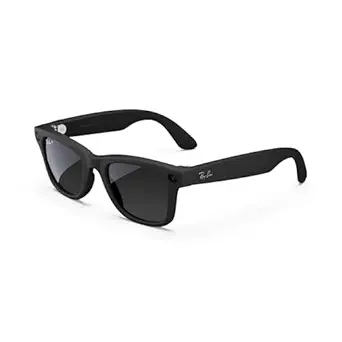
AI smart glasses are wearable devices that look like regular eyeglasses but include built-in technology powered by artificial intelligence. They typically feature:
- A small display or heads-up interface
- Voice control and AI assistants
- Sensors such as cameras, GPS, and motion detectors
- Connectivity to smartphones or Wi-Fi
The goal is to provide quick access to information without needing to pull out a phone or tablet. For example, you might get directions projected in your field of vision or receive notifications while keeping your hands free.
Key Features of the Latest Models
Recent AI smart glasses have improved significantly in several areas:
Display and Visuals
The newest models use transparent lenses that overlay digital information onto the real world. This augmented reality (AR) approach allows users to see notifications, maps, or translations without blocking their view. The display quality varies by brand, but many offer crisp, bright visuals that remain visible even outdoors.
Voice and Gesture Controls
Voice commands are a core feature, enabling users to interact with AI assistants like Google Assistant or Alexa. Some glasses also support gesture controls, such as tapping the frame or nodding, to perform simple actions. These controls reduce the need to touch the device physically, making it more convenient during activities like walking or cycling.
Battery Life and Comfort
Battery life ranges from a few hours to a full day depending on usage. The latest designs focus on lightweight frames and ergonomic fit to ensure comfort during extended wear. Some models offer quick charging or swappable batteries to minimize downtime.
Connectivity and Compatibility
Most AI smart glasses connect via Bluetooth to smartphones, allowing access to apps, calls, and messages. Wi-Fi-enabled models can operate independently for certain tasks. Compatibility with both Android and iOS devices is common, but some features may be limited depending on the operating system.
Practical Use Cases
AI smart glasses can enhance daily life in various ways:
- Navigation: Real-time directions projected in your line of sight help you stay on course without looking down at a phone.
- Language Translation: Some glasses provide instant translation of spoken or written language, useful for travel or communication.
- Fitness and Health: Sensors track activity levels, heart rate, or posture, offering feedback during workouts or work hours.
- Work and Productivity: Hands-free access to calendars, emails, or instructions supports multitasking in professional settings.
- Photography and Video: Built-in cameras allow quick capture of moments or live streaming without holding a device.
Strengths of the Latest AI Smart Glasses
- Hands-Free Convenience: The ability to access information without using hands is a major advantage, especially when multitasking.
- Improved Display Technology: Clear, bright visuals make it easier to read notifications and interact with apps.
- Integration with AI Assistants: Voice control works well for many tasks, providing a natural way to interact.
- Lightweight and Comfortable: Modern designs reduce bulk and discomfort, encouraging longer use.
Limitations and Challenges
- Battery Life: Heavy use of displays and sensors drains batteries quickly, limiting all-day use.
- Privacy Concerns: Cameras and microphones raise questions about data security and consent in public spaces.
- Price: High-end AI smart glasses remain expensive, often costing several hundred dollars.
- App Ecosystem: Limited apps designed specifically for smart glasses reduce their usefulness compared to smartphones.
- Learning Curve: Users need time to adapt to new interaction methods like voice and gestures.
Comparing Popular Models
Several brands have released AI smart glasses with different strengths:
- Brand A: Offers the best display quality and AR features but has shorter battery life.
- Brand B: Focuses on fitness tracking and health monitoring with robust sensors.
- Brand C: Provides excellent voice control and compatibility but is heavier than competitors.
- Brand D: Affordable option with basic features, suitable for casual users.
Choosing the right model depends on your priorities, whether it’s display clarity, battery life, or specific use cases like fitness or productivity.
Tips for First-Time Users
- Start with basic features like notifications and voice commands before exploring advanced AR functions.
- Use the glasses in safe environments until you get comfortable with the controls.
- Keep the device charged and carry a portable charger if you plan extended use.
- Review privacy settings and permissions to protect your data.
- Explore compatible apps to maximize the glasses’ potential.
Final Thoughts on AI Smart Glasses
AI smart glasses offer a glimpse into the future of wearable technology. They provide useful hands-free access to information and can enhance productivity, navigation, and communication. While they are not yet perfect, ongoing improvements in display, battery life, and software will likely make them more practical and affordable.
If you value convenience and enjoy experimenting with new tech, investing in a pair of AI smart glasses can be rewarding. For others, waiting for the next generation might be wise as the technology matures and prices drop. Either way, AI smart glasses are shaping how we interact with digital content in everyday life.
AI-Powered Glasses – Frequently Asked Questions
What are AI-powered glasses?
AI-powered glasses are smart wearable devices that combine traditional eyewear with advanced technology like cameras, microphones, speakers, and artificial intelligence. They can record video, take photos, answer questions, and assist with navigation or translation—all hands-free.
How do AI-powered glasses work?
They connect to your smartphone via Bluetooth or Wi-Fi and use built-in AI software to respond to voice commands. You can control features, ask questions, or capture content just by speaking or tapping the frame.
Can AI-powered glasses take photos and videos?
Yes. Most AI-powered glasses include a built-in camera that allows you to capture photos and videos from your point of view—perfect for travel, content creation, and everyday use.
Do AI-powered glasses have speakers?
Yes. Many models feature open-ear speakers built into the frame, so you can listen to music, take calls, or hear directions while staying aware of your surroundings.
Are AI-powered glasses safe to use while driving?
They can be safe because they are hands-free, but you should always stay focused on the road and avoid using distracting features while driving.
Do AI-powered glasses work without internet?
Basic features like taking photos or listening to stored audio may work offline. However, AI features like voice assistants, real-time translation, and search typically require an internet connection.
How long does the battery last?
Battery life varies by model, but most AI-powered glasses offer around 3–6 hours of active use, with longer standby time. Some include charging cases for extended use.
Can AI-powered glasses translate languages?
Yes, some advanced models offer real-time translation, making them especially useful for travelers and international communication.
Are AI-powered glasses waterproof?
Most are water-resistant (sweat and light rain), but not fully waterproof. Always check the product’s rating before using them in wet conditions.
Do AI-powered glasses require a subscription?
Some brands offer optional subscriptions for premium AI features, but many core functions (camera, audio, calls) work without ongoing fees.
Are AI-powered glasses compatible with iPhone and Android?
Yes. Most AI-powered glasses work with both iOS and Android devices through a companion app.








Leave a Reply