Punta Cana is more than just stunning beaches and lush landscapes; it is a vibrant community rich in cultural heritage. This tropical paradise is home to diverse tribes that have left an indelible mark on its history. Each tribe has its own unique story, traditions, and influences that contribute to the colorful tapestry of Punta Cana’s cultural landscape.
In this blog post, we will take you on a captivating journey through the diverse tribes of Punta Cana. We will explore their distinct characteristics, cultural practices, and significant historical context. Each section will highlight eye-catching visuals that capture the essence of these communities. Let’s dive into the heart of Punta Cana!
Travel Guide: Punta Cana
The Taino Tribe
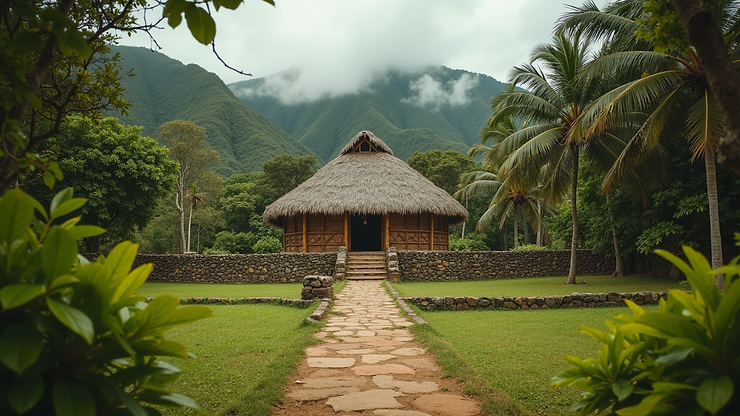
The Taino tribe, Indigenous to the Dominican Republic, holds a special place in the history of Punta Cana. They are known for their exceptional agricultural abilities. For instance, Tainos cultivated important crops such as cassava and sweet potatoes, which were staples in their diet. They also fished using canoes and crafted intricate pottery and tools from local materials.
Rituals played a key role in their lives, often focused on nature and their deities. Their belief system was rooted in animism, where spirits resided in the earth, water, and sky. Although European colonization severely impacted their way of life, there has been a resurgence in interest to revive Taino traditions. For example, cultural festivals today often incorporate Taino dance, music, and culinary practices.
This rich heritage not only influences Dominican culture but also gives visitors valuable insights into the country’s past, seen in contemporary art, language, and folklore.
The Haitian Influence

The Haitian presence in Punta Cana is a vivid example of cultural intermingling in the Caribbean. After colonization and waves of migration, many Haitians settled in the Dominican Republic, enriching its cultural landscape. Their vibrant traditions are evident in various aspects of life, from food to music to arts.
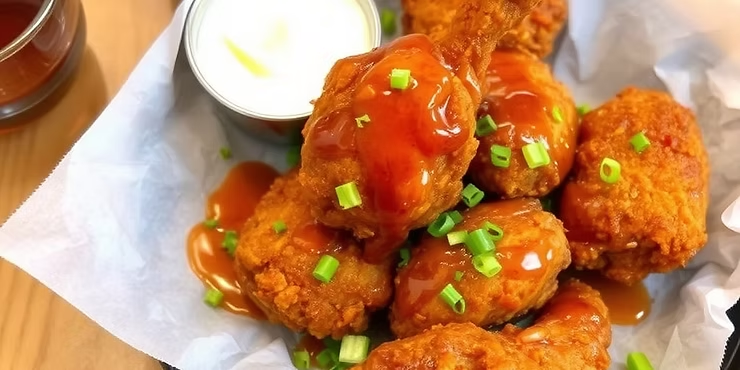
Haitian cuisine is known for its robust flavors, with popular dishes like griot (crispy fried pork) and pikliz (spicy pickled vegetables) widely enjoyed by locals and tourists alike. For context, recent studies show Haitian food has increased in demand, with certain dishes now featured in over 40% of local restaurants.
The vibrant sounds of Haitian music, including genres like kompa, permeate the local atmosphere, fostering a deep sense of community. Additionally, local markets showcase Haitian artisans who produce unique crafts that reflect their rich heritage, promoting creativity and resilience.
The Afro-Dominican Heritage

Afro-Dominican culture is a cornerstone of Punta Cana’s identity, stemming from enslaved Africans brought to the island during the transatlantic slave trade. The fusion of African traditions with indigenous and European influences has established a unique cultural identity.
Music and dance are vital elements of Afro-Dominican culture. Merengue and bachata, evocative of African rhythms, are not only enjoyed for entertainment but also convey social messages and stories. A 2023 survey indicates that 85% of locals play a role in the celebration of music festivals throughout the year.
Festivals centered around Afro-Dominican heritage invite participation from both residents and visitors in spirited dances and culinary showcases. The artisanship of Afro-Dominican crafts, such as textiles and jewelry, tells tales of history and resilience. Supporting these artists not only aids in the preservation of their craft but also honors their heritage.
The European Influence

European influence, particularly from Spanish colonizers, plays a significant role in shaping the cultural fabric of Punta Cana. This impact can be seen in the region’s architecture, which often blends colonial styles with local adaptations.
A leisurely stroll through Punta Cana reveals an array of colonial buildings that tell stories of the past, illustrating how European customs have interwoven with local traditions. Events like Christmas and Carnival exhibit a mix of European and Caribbean practices, highlighting the complexity of cultural interactions.
Language also reveals this influence, with Spanish being the official language of the Dominican Republic. This language serves as a vessel through which the histories and identities of the people are expressed and preserved.
The Modern Influences

Modern influences have transformed Punta Cana into a dynamic space where traditional and contemporary cultures coexist. The rise in tourism has sparked opportunities for local tribes to share their rich heritage with a global audience.
Punta Cana now hosts numerous festivals that blend traditional elements with modern artistic expressions. These cultural events foster connection and collaboration among community members, celebrating the region’s diversity.
Local artists and performers are becoming increasingly recognized, with their contributions shaping a contemporary Punta Cana that respects its roots while embracing innovation. This cultural evolution underscores the importance of preserving heritage so that future generations can continue to honor their ancestry.
Final Thoughts
Punta Cana is not merely a tropical retreat; it embodies a rich mosaic of cultures, each narrating a unique story. From the ancient Taino tribe to the vibrant Haitian communities, the Afro-Dominican heritage, European impacts, and modern influences, the tribes of Punta Cana showcase the resilience and creativity of its people.
Exploring these diverse tribes allows visitors to engage in meaningful cultural exchanges and appreciate the stories that define everyday life in this beautiful part of the world. Understanding these dynamics not only enriches the travel experience but also cultivates respect and appreciation among communities.
As you journey through Punta Cana, take the time to immerse yourself in its cultures, participate in local celebrations, and support artisans. Your involvement will leave a lasting impact and help preserve the wonderful legacies of these remarkable tribes. Happy exploring!

Leave a Reply