Superfoods have become a buzzword in health and nutrition circles. You see them featured in smoothie bowls, supplements, and health blogs promising everything from weight loss to disease prevention. But how much of this hype is true? Are superfoods really the miracle ingredients they are made out to be, or is it mostly marketing? This post breaks down 25 common myths about superfoods and reveals what science and experts say about their real benefits.
Myth 1: Superfoods Can Cure Diseases

Many marketing claims and online trends suggest that certain “superfoods” can cure serious illnesses like cancer, diabetes, or heart disease. This idea is misleading. While some foods are rich in vitamins, minerals, antioxidants, and other beneficial compounds, no single food has the power to cure complex medical conditions.
Diseases such as cancer or diabetes develop due to a combination of genetic, environmental, and lifestyle factors. Managing or treating them typically requires a combination of medical care, prescribed treatments, and long-term lifestyle adjustments like balanced nutrition, regular physical activity, and stress management.
Superfoods can certainly support overall health and may help reduce risk factors, but they should never replace professional medical advice or treatment. Thinking of them as a cure-all can delay proper care and create unrealistic expectations.
Myth 2: Superfoods Are Always Nutrient Powerhouses
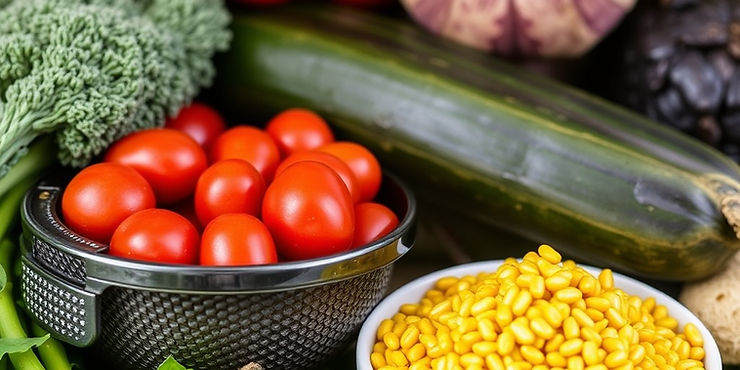
The term “superfood” often implies that a food is significantly more nutritious than others, but this isn’t always true. In reality, many so-called superfoods are simply healthy foods that have been given a marketing boost.
For example, kale is frequently labeled as a superfood due to its high levels of vitamins A, C, and K. However, spinach and other leafy greens offer very similar nutritional benefits. Likewise, foods like sweet potatoes, oats, and apples—rarely branded as superfoods—are also highly nutritious and widely accessible.
The key takeaway is that no single food stands far above all others. Nutrition is about overall dietary patterns, not individual “hero” ingredients. Focusing too much on labels can distract from building a balanced, varied diet.
Myth 3: You Need to Eat Exotic Superfoods to Be Healthy
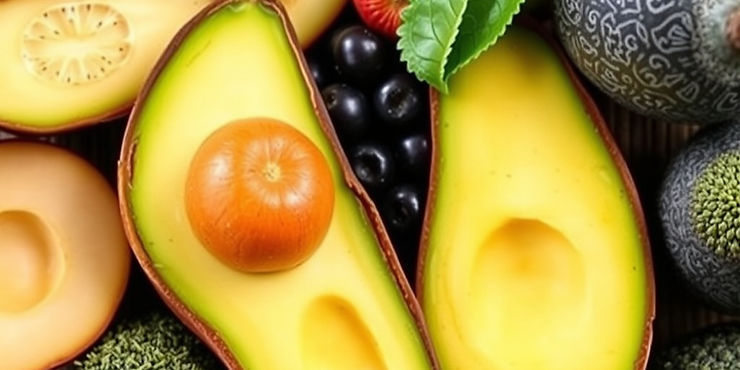
There’s a common belief that you must include exotic, often expensive foods—like acai berries, goji berries, or chia seeds—to maintain good health. While these foods can be nutritious, they are not essential.
Everyday foods such as blueberries, carrots, beans, whole grains, and leafy greens provide a wide range of nutrients that support health just as effectively. In many cases, locally available foods are fresher, more affordable, and just as beneficial.
This myth can make healthy eating feel complicated or inaccessible. In reality, a nutritious diet can be simple and budget-friendly. You don’t need to chase global food trends to meet your nutritional needs—consistency and variety matter far more than novelty.
Myth 4: Superfoods Are a Quick Fix for Weight Loss

Another common misconception is that adding a few “superfoods” to your diet will lead to rapid weight loss. While certain foods may be lower in calories or higher in fiber—which can help you feel full—they don’t directly cause fat loss on their own.
Weight management ultimately depends on maintaining a balance between calories consumed and calories burned. Physical activity, sleep, stress levels, and overall eating habits all play important roles.
For instance, adding avocado or nuts (often labeled as superfoods) to your diet can be healthy, but they are also calorie-dense. Without mindful portion control, they may not support weight loss goals. Sustainable results come from long-term habits, not quick fixes.
Myth 5: More Superfoods Means Better Health

It’s easy to assume that eating large amounts of superfoods will automatically improve your health. However, overemphasizing a small group of foods can actually lead to nutritional imbalances.
No single food—or category of foods—can provide all the nutrients your body needs. For example, relying heavily on smoothies packed with a few trendy ingredients may cause you to miss out on important nutrients found in whole grains, proteins, or other vegetables.
A healthy diet is built on diversity. Eating a wide range of fruits, vegetables, proteins, healthy fats, and whole grains ensures that your body receives a complete spectrum of nutrients. Moderation and balance are far more effective than focusing on a handful of popular foods.
Myth 6: Superfoods Are Always Organic and Natural
Many products labeled as “superfoods” are marketed alongside terms like “organic,” “natural,” or “clean,” creating the impression that these qualities are required for a food to be healthy. However, this is not necessarily true.
Organic foods are grown without certain synthetic pesticides or fertilizers, but that doesn’t automatically make them more nutritious than conventionally grown options. In fact, research shows that the differences in nutrient content between organic and non-organic foods are often minimal.
Additionally, the term “natural” is not strictly regulated in many cases, which means it can be used loosely in marketing. A food labeled as natural may still be processed or contain added ingredients.
The most important factor is not whether a food is organic, but whether your overall diet includes a variety of nutrient-rich foods. Both organic and conventional fruits and vegetables can play an important role in a healthy eating pattern.
Myth 7: Superfoods Are High in Antioxidants That Prevent Aging
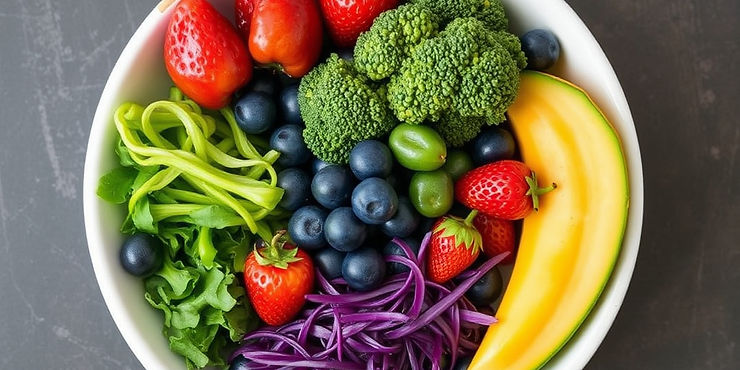
Superfoods are often praised for their high antioxidant content, with claims that they can slow down or even prevent aging. While antioxidants—such as vitamins C and E, and compounds like flavonoids—do help protect cells from damage caused by free radicals, their role in aging is more complex than marketing suggests.
Aging is a natural biological process influenced by genetics, environment, lifestyle, and overall health. While a diet rich in antioxidant-containing foods can support skin health and reduce the risk of certain diseases, it cannot stop the aging process or guarantee a longer lifespan.
It’s also worth noting that extremely high doses of antioxidant supplements may not always be beneficial and, in some cases, can even be harmful. The best approach is to consume antioxidants through a balanced diet that includes fruits, vegetables, nuts, and whole grains rather than relying on “miracle” foods.
Myth 8: Superfoods Can Replace Medication

One of the most dangerous myths is the belief that superfoods can replace prescribed medications. While nutritious foods can support overall health and may help manage certain conditions, they are not substitutes for medical treatment.
For example, someone with high blood pressure might benefit from eating potassium-rich foods, but that does not eliminate the need for medication if it has been prescribed by a healthcare provider. Similarly, foods that help regulate blood sugar cannot replace insulin or other diabetes medications when they are required.
Relying solely on diet instead of following medical advice can lead to serious health risks. Superfoods should be viewed as part of a supportive lifestyle—not as a replacement for professional care, diagnosis, or treatment.
Myth 9: Superfoods Are Always Expensive

The idea that superfoods are expensive often comes from the popularity of imported or trendy items like acai berries, matcha, or specialty powders. These products can be costly due to shipping, branding, and demand—not necessarily because they are more nutritious.
In reality, many affordable and widely available foods offer excellent nutritional value. Staples like oats, beans, lentils, frozen fruits, cabbage, and sweet potatoes are packed with fiber, vitamins, and minerals, often at a fraction of the cost of trendy alternatives.
Frozen fruits and vegetables, in particular, are a great option because they are typically picked at peak ripeness and retain most of their nutrients. Eating healthy doesn’t require spending more—it simply requires making smart, balanced choices.
Myth 10: Superfoods Are Only for Vegans or Vegetarians
There’s a common perception that superfoods are primarily plant-based and therefore only relevant to vegan or vegetarian diets. While many plant foods—like berries, leafy greens, and seeds—are often labeled as superfoods, nutrient-dense options exist across all types of diets.
Animal-based foods can also be incredibly nutrient-rich. For example, fatty fish like salmon provide omega-3 fatty acids that support heart and brain health, while eggs offer high-quality protein along with essential vitamins such as B12 and choline.
A healthy diet is not defined by labels like “vegan” or “omnivore,” but by balance and nutrient diversity. Superfoods can fit into any eating pattern, and the goal should always be to include a wide range of foods that meet your individual nutritional needs.
Myth 11: Superfoods Are Gluten-Free and Safe for Everyone
Many foods labeled as superfoods are naturally gluten-free, but that doesn’t automatically make them safe for everyone. People with food allergies, intolerances, or sensitivities still need to be cautious.
For example, chia seeds or certain berries may be safe for most people but could trigger reactions in others. Additionally, some packaged superfood products may be processed in facilities that handle gluten, leading to cross-contamination.
The key takeaway is that “superfood” does not equal universally safe. It’s always important to read labels carefully and consider your individual dietary needs or medical conditions.
Myth 12: Superfoods Are a Modern Discovery

The idea of superfoods may feel like a recent trend, but many of these foods have been staples in traditional diets for centuries. What’s new is the marketing—not the foods themselves.
For instance, quinoa has been cultivated in South America for thousands of years, turmeric has long been used in Indian cooking and medicine, and chia seeds were a key part of ancient Mesoamerican diets.
Modern branding has simply repackaged these traditional foods for global markets. Recognizing their cultural origins helps provide a more accurate and respectful understanding of their value.
Myth 13: Superfoods Boost Immunity Instantly

It’s common to see claims that certain superfoods can “boost your immune system overnight.” In reality, immune health is built gradually through consistent habits—not quick fixes.
A strong immune system depends on a combination of factors, including a balanced diet, adequate sleep, regular exercise, stress management, and proper hydration. While nutrient-rich foods can support immune function, their effects are not immediate or dramatic.
No single meal or ingredient can instantly strengthen your immune defenses. Instead, it’s the long-term pattern of healthy choices that makes the difference.
Myth 14: Superfoods Are Always Better Raw
Raw foods are often seen as more nutritious, but that’s not always the case. Some foods actually become more beneficial when cooked because heat can break down cell walls and make certain nutrients easier for the body to absorb.
For example, cooking tomatoes increases the availability of lycopene, a powerful antioxidant. Similarly, lightly cooking vegetables like spinach can improve the absorption of minerals such as iron and calcium.
That said, some nutrients—like vitamin C—can be reduced by heat. The best approach is a mix of raw and cooked foods to maximize nutritional benefits.
Myth 15: Superfoods Are Always Low in Calories
Many people assume that all superfoods are low in calories, but this is far from true. Some of the most nutrient-dense foods are also relatively high in calories.
Foods like nuts, seeds, avocados, and nut butters provide healthy fats, fiber, and essential nutrients, but they are also calorie-dense. While they can support overall health, consuming them in large amounts may not align with certain goals, such as weight loss.
This doesn’t make them unhealthy—it simply highlights the importance of portion control and balance within your overall diet.
Myth 16: Superfoods Can Detox Your Body
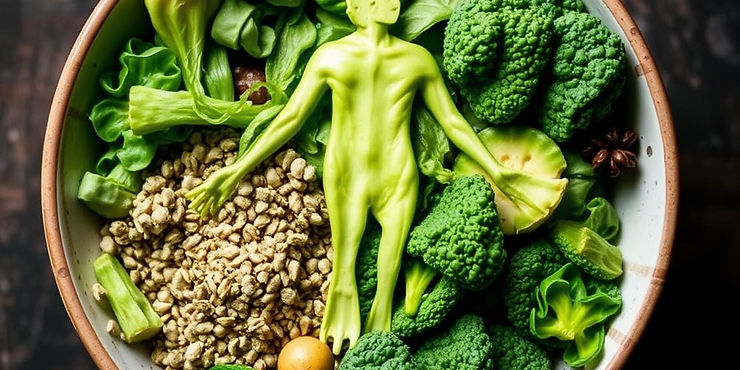
Detox diets and “cleansing” superfoods are widely promoted, but the human body already has highly effective detoxification systems in place—primarily the liver and kidneys.
These organs continuously process and eliminate waste and toxins without the need for special foods or drinks. While eating a nutrient-rich diet supports these systems, no specific superfood can dramatically speed up or enhance detoxification.
Products that claim to “flush toxins” are often based more on marketing than science. Supporting your body’s natural processes through hydration, balanced nutrition, and healthy habits is far more effective.
Myth 17: Superfoods Are Only Fruits and Vegetables

While fruits and vegetables often dominate the superfood conversation, the category is much broader than that. Many other foods offer exceptional nutritional value.
Whole grains like oats and quinoa, legumes such as lentils and beans, nuts and seeds, and even certain animal-based foods all provide important nutrients. For example, fatty fish supply omega-3 fatty acids, and eggs offer high-quality protein and essential vitamins.
Focusing only on fruits and vegetables can limit dietary variety. A well-rounded diet includes multiple food groups working together to support overall health.
Myth 18: Superfoods Are Always Better Than Supplements
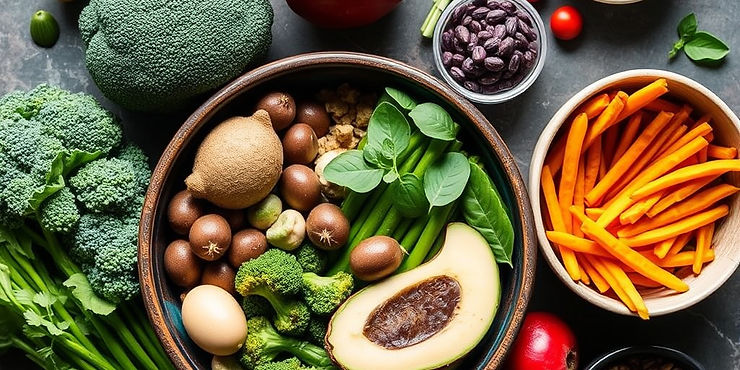
Whole foods and supplements serve different purposes, and one is not always better than the other. Superfoods provide a combination of nutrients, fiber, and beneficial compounds that work together in ways supplements often cannot replicate.
However, supplements can be useful in certain situations, such as when someone has a diagnosed deficiency, limited dietary intake, or specific medical needs.
The ideal approach is to prioritize nutrient intake through whole foods while using supplements strategically when recommended by a healthcare professional.
Myth 19: Superfoods Are Always Sustainable
Not all superfoods are environmentally friendly. Some popular options require intensive farming practices, long-distance transportation, or large amounts of water and resources.
For example, the global demand for certain trendy foods has raised concerns about environmental impact and effects on local communities where they are produced.
Choosing locally grown, seasonal foods can often be a more sustainable option. It reduces the environmental footprint while still providing excellent nutrition.
Myth 20: Superfoods Are a Guaranteed Source of Energy

Superfoods are often associated with increased energy, but they don’t provide instant boosts in the way stimulants like caffeine do. Energy levels are influenced by overall dietary patterns, blood sugar balance, sleep quality, and hydration.
Foods rich in complex carbohydrates, healthy fats, and protein can help maintain steady energy throughout the day, but their effects are gradual and sustained—not immediate.
Relying on a single “energy-boosting” food is unlikely to make a noticeable difference. Consistent, balanced meals are the real key to feeling energized.
Myth 21: Superfoods Can Prevent All Chronic Diseases
While superfoods are often promoted as protective against disease, no single food can prevent every chronic condition. Diseases like heart disease, diabetes, or cancer develop due to a combination of factors—including genetics, lifestyle habits, environment, and sometimes sheer chance.
Eating nutrient-dense foods can reduce risk factors and support overall health, but they are not magic shields. A balanced lifestyle—incorporating regular physical activity, adequate sleep, stress management, and routine medical care—remains essential for chronic disease prevention. Superfoods are one tool among many, not a guarantee.
Myth 22: Superfoods Are Always Safe in Large Amounts
The idea that “more is better” doesn’t always apply to superfoods. While these foods are generally healthy, consuming them in excessive amounts can sometimes have adverse effects.
For example, kale and other cruciferous vegetables contain goitrogens, which, in very high quantities, may interfere with thyroid function. Similarly, overconsumption of certain nuts, seeds, or supplements could lead to digestive issues or nutrient imbalances.
Moderation is key. Incorporating a variety of nutrient-rich foods ensures you get benefits without risking negative side effects from overconsumption.
Myth 23: Superfoods Are Only for Young People

Superfoods are often marketed toward younger audiences seeking energy, fitness, or weight management. However, people of all ages can benefit from nutrient-rich foods.
For older adults, superfoods can support bone health, cardiovascular function, cognitive performance, and immune resilience. For children, they provide essential vitamins and minerals for growth and development. Even middle-aged adults benefit from the antioxidant, fiber, and micronutrient content that these foods provide.
The takeaway: superfoods aren’t age-restricted—they’re health-supporting across the lifespan.
Myth 24: Superfoods Are a Fad That Will Disappear
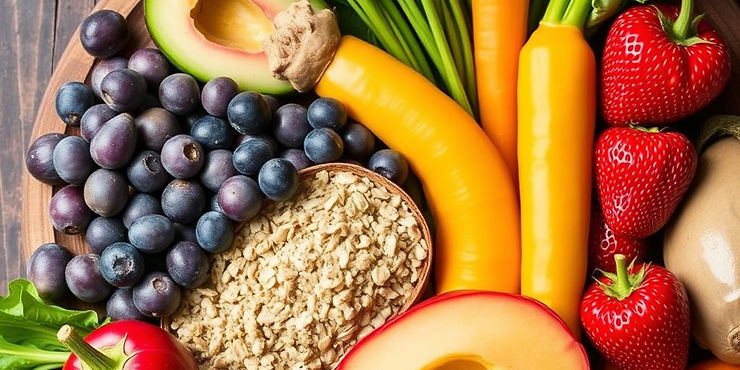
It’s true that the term “superfood” has become trendy and is heavily marketed in media and social platforms. However, the idea of nutrient-rich foods is not a passing fad. People will always need healthy, vitamin- and mineral-rich foods to maintain well-being.
While specific trends may shift—like goji berries today and spirulina tomorrow—the underlying principle of eating nutrient-dense foods remains consistent. The term “superfood” may evolve, but the value of high-quality nutrition is timeless.
Myth 25: Superfoods Alone Can Replace a Balanced Diet
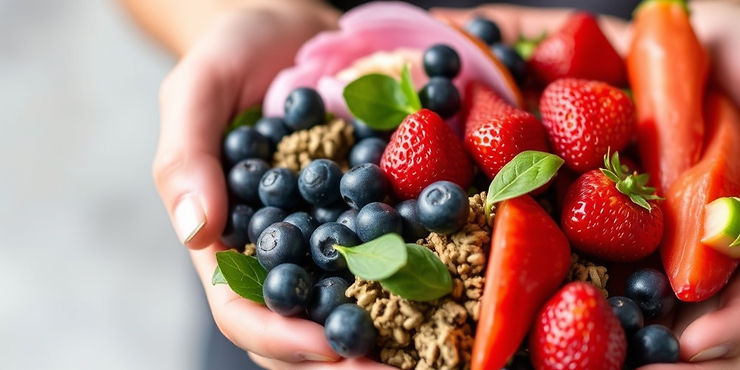
No single food or even a group of “superfoods” can replace a well-rounded diet. True health relies on diversity—whole grains, lean proteins, healthy fats, fruits, and vegetables all contribute different nutrients that the body needs to function optimally.
Relying only on superfoods may cause nutrient gaps. For example, eating only kale and berries could leave you deficient in protein, certain fats, or other vitamins and minerals.
Superfoods are best used as part of a balanced diet, complementing—not substituting—the full range of nutrients your body requires.
What This Means for Your Diet
Superfoods can add valuable nutrients and variety to your meals. Instead of chasing the latest trendy ingredient, focus on eating a wide range of whole foods. Pay attention to portion sizes, cooking methods, and your individual health needs. Remember that no food works alone to create health — it’s the overall pattern that counts.
Try incorporating familiar nutrient-rich foods like spinach, beans, nuts, and berries regularly. Use exotic superfoods as occasional additions rather than staples. Consult healthcare professionals for personalized advice, especially if you have health conditions.
Eating well is about balance, not magic. Superfoods are helpful but not miraculous. Use this knowledge to make informed choices that support your long-term wellbeing.
Frequently Asked Questions (FAQ) About Superfoods and Health Myths
Q1: What exactly is a superfood?A: “Superfood” is a marketing term for foods that are nutrient-dense, meaning they contain high amounts of vitamins, minerals, antioxidants, or other beneficial compounds. While some have health benefits, the term is not regulated and doesn’t guarantee magical effects.
Q2: Can superfoods cure diseases like cancer or diabetes?A: No. While they can support overall health and reduce risk factors, no food alone can cure chronic or complex diseases. Proper medical care, lifestyle habits, and treatment are essential.
Q3: Are all superfoods organic or natural?A: Not necessarily. Organic or natural labels don’t automatically make a food healthier or more nutrient-rich. Both conventional and organic foods can be nutritious.
Q4: Do I need to eat exotic superfoods to be healthy?A: No. Common foods like berries, carrots, beans, nuts, and leafy greens provide excellent nutrition. Exotic superfoods like acai or goji berries are optional.
Q5: Can eating more superfoods make me healthier faster?A: Eating a variety of nutrient-rich foods helps, but relying heavily on a few superfoods doesn’t guarantee better health. Balance, variety, and moderation matter more than focusing on “super” foods alone.
Q6: Can superfoods replace my medication or supplements?A: No. Superfoods can complement—but not replace—prescribed medications or supplements. Always follow your healthcare provider’s advice.
Q7: Are superfoods safe in large amounts?A: Generally safe in moderation, but overconsumption can cause side effects. For example, excessive kale may affect thyroid function. Variety is key.
Q8: Are superfoods only for certain diets or ages?A: No. Superfoods can be part of any diet—vegan, vegetarian, or omnivorous—and benefit people of all ages, from children to older adults.
Q9: Do superfoods boost immunity instantly?A: No single food can instantly strengthen the immune system. Overall diet, sleep, stress management, and exercise play the main roles.
Q10: Are superfoods expensive?A: Some exotic or branded items are costly, but affordable options like oats, beans, frozen berries, and seasonal produce provide similar nutrients.









Leave a Reply