Superstitions are colorful threads in the fabric of human culture. They show us how people think and behave while providing comfort in life’s uncertainties. This blog post explores 25 of the most common superstitions, revealing their origins and meanings, along with some scientific insights that may explain why they persist.
1. Breaking a Mirror Brings Seven Years of Bad Luck
The belief that breaking a mirror leads to bad luck stretches back to ancient Rome, where mirrors were thought to reflect the soul. Today, studies suggest that breaking something valuable can evoke feelings of loss, leading to a perception of misfortune. For example, one study indicated that 60% of people felt anxious after breaking a mirror, linking emotional states to superstition.

2. Walking Under a Ladder is Unlucky
This superstition finds roots in ancient Egyptian beliefs that a ladder forms a triangle with the ground and the heavens, symbolizing life. Walking under it was seen as disrespectful. Psychologically, the visual danger associated with ladders may cause some people to feel anxious, further reinforcing the superstition.

3. Friday the 13th is an Unlucky Day
The fear of Friday the 13th, known as “triskaidekaphobia,” has historical roots. Many believe Friday is unlucky due to its link with Jesus’ crucifixion. Research shows anxiety surrounding this date increases perceived misfortunes. In fact, one study found that 21 million people in the U.S. stay home from work on that day, impacting productivity by about 20%.

4. Saying “Bless You” After a Sneeze
Saying “Bless you” traces back to the bubonic plague, when sneezing often signaled the onset of illness. While no scientific evidence supports the necessity of this phrase, it creates social support, fostering a feeling of community. This small act can soothe those around us during uncomfortable moments.

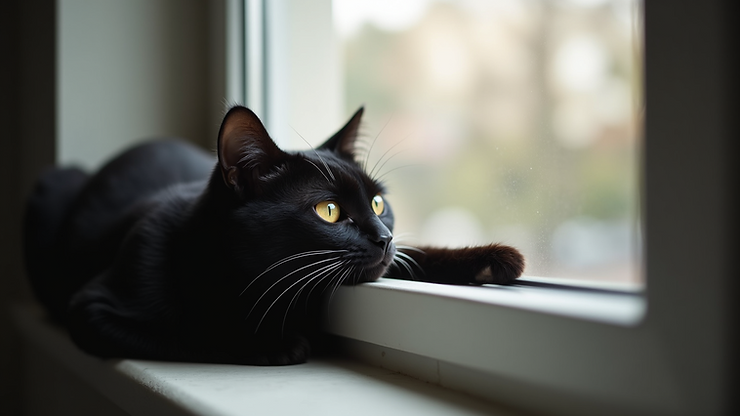
5. Black Cats are Omens of Bad Luck
Beliefs about black cats vary widely. In some cultures, they are seen as protectors. Their negative image largely stems from the Middle Ages, when black cats were associated with witches. A survey showed that 28% of people are less likely to adopt black cats due to associated superstitions, which severely impacts their chances for a loving home.
6. Opening an Umbrella Indoors is Bad Luck
This superstition is thought to arise from a time when umbrellas were sacred objects used to protect from harmful spirits. Scientific evidence does not support a strong link, but individuals may view it as a negative omen, influencing their mood and behavior on certain days.

7. Horseshoes Bring Good Luck
Horseshoes have been hung above doorways for centuries, believed to keep evil spirits away. The shape symbolizes life and fertility. Although no strong scientific support exists, wearing a horseshoe can create a placebo effect that boosts confidence, heightening feelings of security in uncertain situations.

8. Finding a Four-Leaf Clover
The rarity of the four-leaf clover makes it a powerful symbol of luck, with a probability of just 1 in 5,000 of finding one. This astonishing scarcity enhances its allure. The excitement and joy of discovery can create a rush of positivity, further fortifying its association with good fortune.

9. Knocking on Wood
Knocking on wood is believed to dispel bad luck or ward off evil spirits. This practice may come from ancient beliefs that trees possess a sacred essence. Ethnographic research shows that knocking serves as a simple psychological tool, helping individuals manage their fears and invoking comfort in uncertain moments.

10. The Evil Eye
The belief in the evil eye runs deep across cultures, suggesting that envy directed at a person can bring them misfortune. Wearing protective amulets can serve as a psychological barrier, allowing individuals to feel safer. A study found that 70% of people who wear protective amulets report decreased anxiety in social situations.

11. Itchy Palms Predict Financial Gain or Loss
The superstition around itchy palms indicating money coming or going exists in various cultures. Although there’s no scientific basis, many individuals adopt spending or saving behaviors when their palms itch. This unintentional correlation connects behavior with belief, reinforcing the superstition in daily life.

12. Salt Over the Shoulder
Spilling salt often leads people to throw a pinch over their shoulder to counteract bad luck. This practice likely comes from the historical significance of salt as a valuable commodity. By performing this ritual, individuals can reclaim a sense of control, providing comfort and reducing anxiety after an accidental spill.

13. The Number 666
Linked to evil due to biblical associations, the fear of the number 666 can invoke unease. Psychological studies note that cognitive biases may skew perceptions, making individuals more likely to notice negative occurrences when exposed to this number. As much as 30% of people report feeling anxious when they encounter the number.

14. The First Foot
In various cultures, the first person to enter a home after midnight on New Year’s Eve symbolizes luck for the year ahead. This belief may stem from ancient practices where the first visitor was thought to bring attributes or omens, affecting the household’s fortunes positively.

15. Wearing Lucky Clothing
Many individuals choose specific “lucky” items of clothing during important events like games and examinations. This is linked to the placebo effect, where an individual’s belief can enhance performance. Research shows that athletes who wear their “lucky” gear often perform better, with a reported increase of up to 15% in confidence.

16. A Rabbit’s Foot as a Good Luck Charm
Carrying a rabbit’s foot is a traditional charm believed to bring good fortune, with origins tracing back to ancient Celtic tribes. Research indicates that having symbols of luck can provide emotional security, encouraging people to take initiative and embrace opportunities.

17. Wishing Upon a Star
The act of making a wish upon a star is a practice steeped in tradition. Though there’s no scientific validation that such wishes come true, the ritual itself fosters hope, enhancing emotional resilience. It encourages positive thinking, which can contribute to a more optimistic outlook on life.

18. The Color Red to Ward off Evil
In various cultures, red is associated with protection against evil spirits. Research shows that colors can evoke emotions, and wearing red can boost confidence and determination. This psychological influence can help individuals feel safer and more in control in challenging situations.

19. Predicting Rain with a Green Frog
In folklore, if a green frog croaks before rain, it is seen as a sign of impending precipitation. While scientific studies do not confirm this superstition, some research indicates that frog behavior can correlate with the environment, leading people to adopt this belief.

20. Spilling Wine on Someone Brings Luck
Some cultures hold that spilling wine on someone can bring good luck. This tradition is often associated with celebration. Psychologically, such joyful accidents may reinforce the idea that spontaneity brings positive outcomes in the future.

21. The Power of Wishbone
Breaking a wishbone from a roasted bird is a common tradition believed to bestow good luck. Its roots trace back to the Etruscans, who thought it possessed special powers. This act creates anticipation and hope, positively influencing one’s mindset, as reported by over 60% of participants who felt uplifted after breaking a wishbone.

22. The Bad Luck of 13 People at a Table
Seating 13 people at a table is considered unlucky, a belief stemming from both historical and biblical tales. Studies indicate this superstition can heighten anxiety for those involved, sometimes causing them to alter seating arrangements to fall within a perceived safer number, often 12.

23. The Significance of the Dream Catcher
Originally a protective charm in Native American culture, dream catchers are now symbols of positivity and dispelling bad dreams. Though evidence remains anecdotal, many individuals express feeling comforted by their presence, enhancing mental well-being.

24. Throwing Coins into a Fountain
Throwing coins into a fountain while making a wish has origins in ancient beliefs about water’s healing properties. This act symbolizes hope and connection to greater aspirations, encouraging individuals to put their desires out into the universe.

25. The Implications of a Full Moon
The full moon is often linked with various superstitions, from fertility to madness. Although scientific studies offer no conclusive findings, some individuals report feeling different during the lunar cycle, suggesting that belief alone can impact emotions and behaviors.

Understanding Our Superstitions
Superstitions reveal fascinating aspects of human nature. Though the scientific backing for many may be lacking, they provide an intriguing look at how culture, history, and psychology intertwine in our lives. By examining these beliefs, we gain insight into our behavior, encouraging us to navigate our actions with greater mindfulness. Whether they boost confidence or bring caution, superstitions are a unique part of our shared human experience.






Leave a Reply