Pudding cake is a delightful blend of cake and pudding, providing a satisfying dessert experience. Drawing from historical recipes, these treats can be both sweet and nutritious. In this guide, you will discover everything you need to know about making a pudding cake from scratch, including its origins, nutritional value, variations, and cooking methods.

Origins of Pudding Cake
Pudding cake is believed to have originated in Europe, particularly England, during the 19th century. As flour-based desserts became more popular, recipes for pudding cakes emerged in cookbooks of the era. Historically, these desserts were simpler to make, requiring fewer ingredients, making them accessible for home bakers.
Over time, pudding cakes evolved, adapting to include local flavors and ingredients in various regions. The classic pudding cake features a light, airy top layer with a pudding-like consistency underneath, creating a unique dining experience. For instance, a classic lemon pudding cake, with its zesty taste balanced against a soft pudding center, is a prime example of the dish’s adaptability. Even today, the pudding cake remains a favorite that inspires countless creative interpretations.
Nutritional Value
Pudding cakes are versatile and can be made to meet diverse dietary needs. By choosing whole food ingredients, you can enhance their nutritional benefits.
- Calories: A typical serving of pudding cake can have between 150 to 300 calories, depending on the ingredients used. For example, a fruit-based pudding cake can lean towards the lower end of that range.
- Carbohydrates: The carbohydrates usually come from flour and sugars. Utilizing whole grain flour can increase the fiber content significantly, providing up to 7 grams of fiber per slice compared to just 1 gram in white flour.
- Protein: The addition of eggs and dairy contributes protein to the recipe, typically around 4 grams per serving. Choosing Greek yogurt or a plant-based protein can elevate this value even further.
- Vitamins and Minerals: Adding fruits or nuts can enhance the dessert’s nutritional profile. For example, incorporating blueberries can provide vitamin C and antioxidants. A small serving of nuts can add healthy fats and minerals like magnesium and potassium.
When crafted intentionally with wholesome ingredients, pudding cakes can deliver a dessert that satisfies both your sweet tooth and nutritional needs.
Health Benefits
Pudding cakes can be part of a balanced diet when made with wholesome ingredients. Here are several health benefits associated with pudding cakes:
- Adaptable Ingredients: You can easily customize the recipe to include healthier alternatives, thus reducing sugar and fat levels. For example, using mashed bananas instead of sugar can cut calorie content by up to 25%.
- Portion Control: Traditionally served in individual portions, pudding cakes make it easy to control how much you indulge. A single serving is often less than 200 calories when made with mindful ingredients.
- Dessert with Nutrition: By integrating fruits or vegetables, such as pumpkin or chocolate beet, you can significantly boost the nutritional value of your pudding cake.
- Satiating: The combination of protein, healthy fats, and carbohydrates can help you feel full longer compared to many processed desserts.
Health Risks
While pudding cakes can be healthier, it’s important to be aware of some potential risks:
- Sugar Content: Traditional recipes can contain high amounts of sugar, raising concerns about increased blood sugar levels. With easy adjustments, you can reduce sugar by up to 50%, using natural sweeteners instead.
- Allergens: Common ingredients such as eggs, dairy, and gluten can trigger allergies or sensitivities in some individuals. Plant-based alternatives can help accommodate various dietary restrictions.
- Overconsumption: Like all desserts, indulging in pudding cake too frequently can lead to weight gain and other health issues. Moderation is important.
Crafted with care and moderation, pudding cakes can be a delightful part of your dessert options.
Essential Equipment
Having the right tools makes crafting a pudding cake smoother and more enjoyable. Here’s a basic list of essential tools:
- Mixing Bowls: A set of mixing bowls helps in combining ingredients effectively.
- Whisk or Electric Mixer: Essential for aerating the batter for a fluffy texture.
- Measuring Cups and Spoons: Accurate measurements are crucial for a successful bake.
- Baking Dish: A square or round dish works best for pudding cakes.
- Oven: Essential for baking your cake to perfection.
- Cooling Rack: Allows the pudding cake to cool evenly after baking.
Recipe for Pudding Cake
Ingredients
Here’s a straightforward recipe for a classic pudding cake:
Basic Ingredients:
- 1 cup all-purpose flour
- 1 cup sugar
- 2 teaspoons baking powder
- 1/2 teaspoon salt
- 1 cup milk
- 1/4 cup melted butter
- 1 teaspoon vanilla extract
- 1 cup of fruit or chocolate (optional)
Healthy Ingredient Swaps
Enhance the nutrition of your pudding cake by considering these swaps:
- Whole Wheat Flour for all-purpose flour to increase fiber.
- Low Sugar or Natural Sweeteners like maple syrup in place of standard sugar.
- Greek Yogurt instead of butter for healthier fat.
- Almond Milk or Oat Milk as a substitute for dairy milk.
- Chia Seeds or Flaxseed Meal can replace eggs for a vegan option.
Variations
Pudding cakes can adapt to many flavors. Here are some ideas:
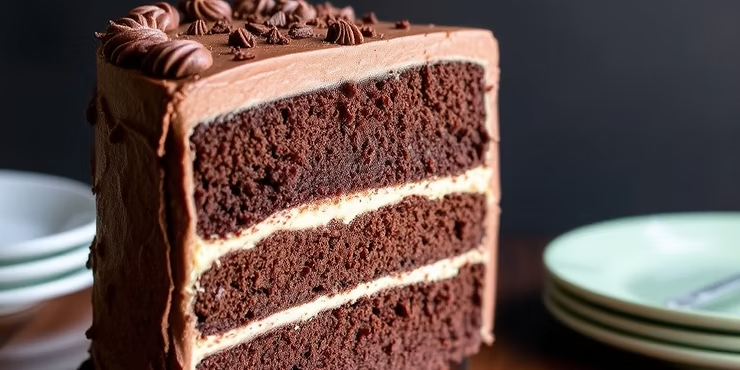
- Chocolate Pudding Cake: Include cocoa powder for an indulgent chocolatey treat.
- Lemon Pudding Cake: Add lemon zest and juice for a refreshing taste.
- Pumpkin Spice Pudding Cake: Use pumpkin puree and warming spices for a cozy dessert.
Topping Ideas
Enhance your pudding cake with these delicious toppings:
- Fresh Berries: Strawberries, blueberries, or raspberries add a burst of flavor.
- Coconut Whipped Cream: A light and airy topping that adds richness without heavy cream.
- Honey or Maple Drizzle: A natural sweetener that complements the cake’s flavors.
- Powdered Sugar: A light dusting for a classic finish.
Steps to Make Pudding Cake
- Preheat the Oven: Start by preheating your oven to 350°F (175°C).
- Prepare the Baking Dish: Grease your baking dish with butter or non-stick spray.
- Mix Dry Ingredients: In a large bowl, whisk together flour, sugar, baking powder, and salt.
- Combine Wet Ingredients: In another bowl, mix milk, melted butter, and vanilla until smooth.
- Combine Mixtures: Pour the wet ingredients into the dry and mix until just combined.
- Add Fillings: Optionally fold in fruit or chocolate at this point.
- Pour into Dish: Transfer the batter into your prepared baking dish.
- Bake: Place in the oven for 30-35 minutes, or until golden and a toothpick comes out clean.
- Cool: Let the pudding cake cool for 10 minutes before serving.
10. Serve and Top: Add your choice of toppings and enjoy!
Cooking Methods
While baking is standard, here are additional methods to consider:
- Steaming: For a lighter texture, steam the pudding cake using a double boiler instead of baking it.
- Slow Cooking: A slow cooker can also yield a moist pudding cake, reducing the risk of burning.
Tips for Perfect Pudding Cake
- Don’t Overmix: Be careful not to overmix; this can lead to a dense cake.
- Room Temperature Ingredients: Use ingredients at room temperature for better mixing and a fluffier texture.
- Test for Doneness: Use a toothpick to check if it’s baked through. If it comes out clean, it’s ready!
Storage Options
To keep your pudding cake fresh:
- Room Temperature: Store covered at room temperature if serving within a few days.
- Refrigeration: For longer storage, cover and refrigerate. Consume within a week.
- Freezing: Wrap individual slices in plastic wrap and place them in a zip-top freezer bag. Enjoy within three months for best quality.
Wrapping Up
Creating a delicious pudding cake from scratch is not just rewarding but also a chance to make a healthier dessert for yourself and your loved ones. With its rich history and various nutritional benefits, pudding cake can be an exciting addition to your dessert list. By using wholesome ingredients and thoughtful toppings, you can savor this treat without guilt.
Whether it’s a special occasion or a casual evening, pudding cake is a versatile dessert that fits any moment. Happy baking!





Leave a Reply