Are you eager to paddle across tranquil lakes or navigate gentle rivers? Recreational kayaking isn’t just about the thrill; it’s a wonderful way to bond with nature, improve your health, and create lasting memories with family and friends. However, with so many options on the market, picking the right entry-level recreational kayak can be overwhelming. This guide is designed to help you make an informed choice, ensuring your kayaking adventures are enjoyable and safe.
Understanding Kayak Types

Before you dive into the world of kayaking, it’s crucial to understand the various types available. Here are the most common categories:
- Sit-On-Top Kayaks: Ideal for beginners, these kayaks provide great stability and ease of use. They are perfect for warm weather and casual paddling, allowing you to sit atop the kayak without feeling confined.
- Sit-In Kayaks: These kayaks come with an enclosed cockpit, giving you better protection from splashes and waves. They tend to be more suitable for various conditions, including rough waters, making them versatile for different adventures.
- Inflatable Kayaks: Lightweight and easy to carry, inflatable kayaks are perfect for those with limited storage space. They can be quick to inflate or deflate, making them convenient for spontaneous outings.
- Canoe-Kayak Hybrids: Great for family outings, these designs offer more space and can accommodate extra passengers while still providing the maneuverability of a kayak.
Knowing the types will help you identify what best suits your desired paddling experience.
Key Features to Consider
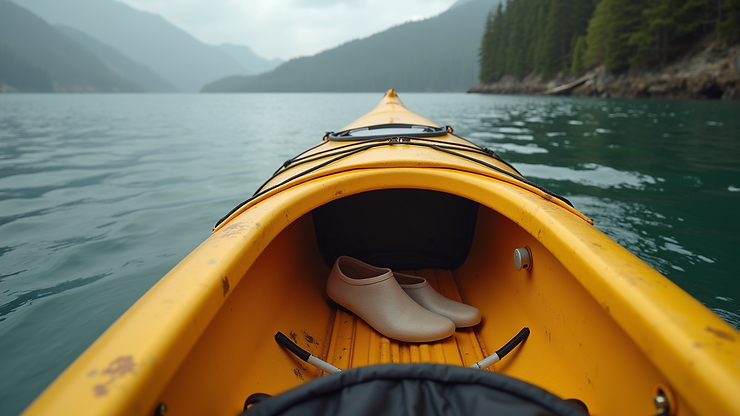
While browsing kayaks, certain features can significantly enhance your paddling fun. Here’s what to look for:
- Length: Shorter kayaks (approximately 8-10 feet) are more maneuverable in tight spaces, while longer ones (around 12-16 feet) offer better tracking in open waters, especially if you plan on long paddling trips.
- Width: A wider kayak (30 inches or more) provides better stability, making it a good choice for beginners who may feel unsteady on the water.
- Storage Options: If you intend to carry snacks, drinks, or equipment, ensure your kayak has ample storage compartments. For example, a kayak with dedicated hatches can be very convenient for day trips.
- Weight Capacity: Always verify the weight limit of the kayak to ensure that both you and your gear stay within this range. Exceeding the limit can compromise your safety.
- Seat Comfort: Comfortable seating can make a huge difference on long paddling days. Look for adjustable, padded seats to find the best fit for your body.
By focusing on these features, you will identify a kayak that fits your needs and preferences.
Material Matters

The material used in a kayak greatly affects how it performs, its weight, and its cost. Here are the common materials you’ll encounter:
- Polyethylene: This sturdy material is commonly used for recreational kayaks due to its durability and resistance to impact. It’s usually the most budget-friendly option, making it ideal for newcomers.
- Composite: Made with fiberglass or carbon fiber, composite kayaks are lighter and faster but often come with a higher price tag. These models are favored by more serious paddlers looking to enhance their kayaking experience.
- Inflatable Materials: Inflatable kayaks are typically made from PVC or Nitrylon. These materials are designed to be puncture-resistant, which is great for both storage and transportation.
Being aware of these materials will help you make a more informed decision that aligns with your budget and intended use.
Finding the Right Fit

Selecting the right kayak is similar to finding a new pair of shoes; fit and comfort are essential. To ensure a great fit, consider the following:
- Sizing: Sit in the kayak to check for comfort and security. You should feel supported without squeezing your knees against the cockpit.
- Foot Position: Your feet should rest comfortably on foot braces, which should be adjustable for better fit.
- Cockpit Size: For sit-in kayaks, ensure the cockpit is entry-friendly. Sit-on-top kayaks should feel spacious and welcoming.
- Weight Distribution: When testing, consider how your weight shifts. A well-balanced kayak should glide smoothly.
Finding the right fit dramatically enhances your kayaking enjoyment, so try several models before making your choice.
Accessories to Enhance Your Experience

Once you’ve selected your kayak, be sure to equip yourself with essential accessories that will boost your kayaking experience. Here are must-haves:
- Paddle: Look for a lightweight paddle made of aluminum or carbon fiber, and ensure it’s the right length for your height and kayak.
- Personal Flotation Device (PFD): A well-fitted life jacket is crucial for safety. It should allow for good movement while securely fitting your body.
- Dry Bags: To keep your belongings safe and dry during your trip, use dry bags for clothes, snacks, and electronic devices.
- Safety Kit: Include items like a whistle, first-aid kit, and emergency flares to be prepared for any situation.
Equipping yourself properly will make your kayaking outings more enjoyable and secure.
Tips for Kayaking Beginners

Starting your kayaking journey can be an exciting challenge. Here are helpful tips to guide you:
- Take a Class: Consider taking a beginner’s kayaking course to learn proper techniques and safety practices from experienced instructors.
- Practice Regularly: The more you paddle, the better you’ll become. Utilize calm days to build your skills and confidence.
- Paddle with Friends: Group outings provide safety and motivation. Plus, kayaking is often more enjoyable with company!
- Know Your Limits: Begin in calm waters and gradually progress to more challenging conditions as you gain experience.
- Stay Hydrated and Use Sunscreen: Bring plenty of water and apply sunscreen on sunny days to protect yourself from sunburn.
By starting off with these basics, you can create a rewarding and enjoyable kayaking experience.
Ideal Kayaking Locations

Choosing the right location for your paddling adventures is key to maximizing enjoyment. Here are some excellent kayaking spots:
- Lakes: Flat and calm waters make lakes perfect for beginners. Seek out local state parks with kayak rentals or designated launch points.
- Rivers: Slow-moving rivers with gentle currents offer a relaxed kayaking experience. Research local routes that cater to beginners.
- Coastal Areas: If you seek adventure, coastal kayaking can be exhilarating. Always check weather conditions and your skill level before heading out.
- Estuaries and Mangroves: Paddle through unique ecosystems where freshwater meets saltwater for stunning views and abundant wildlife.
Regardless of where you decide to paddle, familiarize yourself with local regulations and conditions to ensure a safe outing.
Your Next Steps in Kayaking
Finding your perfect entry-level recreational kayak involves understanding its types, features, materials, and the right fit. By considering these factors, new paddlers can select a kayak tailored to their needs and preferences.
As you begin your kayaking adventures, prioritize safety, keep learning, and revel in every moment on the water. Recreational kayaking isn’t just an enjoyable activity; it’s a gateway to nature and adventure that deepens your connection to the great outdoors.
So grab your paddle, choose your kayak, and get ready to explore the waters awaiting you!






Leave a Reply