Mykonos is often celebrated for its vibrant nightlife and stunning beaches, but beneath the surface lies a rich tapestry of history waiting to be explored. This Mediterranean jewel is not just a paradise for party-goers; it is also home to an array of historical sites that tell the story of ancient civilizations, battles, and the very essence of Greek culture. In this guide, we will explore 25 hidden historical sites in Mykonos, each offering a glimpse into the past while showcasing the island’s incredible heritage.
1. Delos Island

Delos Island, located just a short boat ride from Mykonos, is one of the most significant archaeological sites in Greece. According to mythology, it is the birthplace of Apollo and Artemis. The island is dotted with ruins, including temples, theaters, and sacred sites that date back to the 3rd millennium BC. Exploring Delos gives visitors a profound sense of the island’s connection to ancient Greek mythology and culture.
2. Mykonos Windmills

Standing majestically on a hill overlooking Mykonos town, the windmills are an iconic symbol of the island. Built in the 16th century by the Venetians, these windmills were vital for grain production. Today, they offer a picturesque backdrop for photography and breathtaking views of the Aegean Sea, providing insight into the island’s agricultural past.
3. Panagia Paraportiani Church

Panagia Paraportiani is perhaps the most photographed church on Mykonos. Situated in the Kastro district, its unique architectural style is a blend of Byzantine and Cycladic design, constructed over several centuries. The church is known for its five interconnected chapels, with the main one dedicated to the Virgin Mary. Visiting Paraportiani offers a beautiful glimpse into the island’s religious heritage.
4. Archaeological Museum of Mykonos

The Archaeological Museum of Mykonos features a stunning collection of artifacts from Delos and Mykonos itself. Opened in 1972, it houses sculptures, ceramics, and inscriptions that date back to the ancient Greek era. A visit to this museum provides valuable insights into the historical significance of the island and its ancient inhabitants.
5. House of Lena

The House of Lena, located in Mykonos town, is a restored home that provides a fascinating glimpse into traditional Mykonian life. The space is filled with period furnishings and artifacts that depict the lifestyle of local families in the early 20th century. It serves as a living museum and is an essential stop for anyone wanting to understand more about the island’s social history.
6. Agios Nikolaos Church

Agios Nikolaos Church, perched on the waterfront, is renowned for its simple yet captivating beauty. Built in the 19th century, the church is dedicated to the patron saint of sailors. Its serene location and charming architecture make it a peaceful spot for reflection and a great photo opportunity.
7. Cultural Center of Mykonos

The Cultural Center of Mykonos hosts various exhibitions and performances that celebrate the island’s rich heritage. From art showcases to theatrical performances, it is a hub for cultural enthusiasts. Engaging with local culture is essential for a fuller experience of Mykonos.
8. Monastery of Panagia Tourliani

Founded in the 16th century, the Monastery of Panagia Tourliani is situated in Ano Mera, Mykonos’ inland village. The monastery is famous for its impressive iconography and peaceful gardens, making it a serene spot for visitors. The wood-carved altar and museum within its walls provide a deep dive into the religious practices that have flourished on the island.
9. The Little Venice

Little Venice is a vibrant area known for its colorful buildings that sit on the shoreline. Dating back to the 18th century, this area was inhabited by wealthy merchants and sailors. The architectural style reflects the influence of the Venetian period and is an ideal place to experience scenic sunset views and a taste of Mykonian history.
10. The old port of Mykonos

The old port of Mykonos has been the island’s main harbor since ancient times. It played a crucial role in local trade and transportation. Walking along the port, visitors can appreciate the views of the sea and the surrounding architecture that have supported the island’s economy for centuries.
11. Agios Stefanos Beach

Agios Stefanos Beach is not only a spot to bask in the sun; it is also close to the ruins of an ancient Roman-era settlement. As you enjoy the sandy shores and crystal-clear water, take a moment to explore the remnants of history that lie nearby, merging leisure with heritage.
12. The Rarity of the Mykonian Ladder

This simple yet significant architectural element represents traditional Mykonian building techniques. Each ladder was handcrafted and is now a symbol of the island’s cultural and historical architectural style. Spotting these ladders throughout Mykonos adds a unique touch to your historical explorations.
13. Mersini Beach and Ancient Quarries

Mersini Beach is famous for its smooth pebbles and stunning waters, but nearby, visitors can find remnants of ancient quarries. These sites were once critical for the extraction of materials used for building and artistry in ancient times, offering a peek into Mykonos’s past labor practices.
14. The Old Customs House

The Old Customs House, located near the harbor, has been a cornerstone of Mykonos’s maritime history. Built in the 18th century, it facilitated trade and commerce on the islands, playing a fundamental role in the local economy. Its restored architecture provides a glimpse into the vital function it served.
15. Kalafatis Monastery

This lesser-known monastery is situated on a hillside overlooking Kalafatis Beach. Although smaller and less famous than other monasteries, Kalafatis is filled with natural beauty and peacefulness. Its surroundings make it a perfect stop for those looking to escape into nature and spirituality while exploring Mykonos’s history.
16. The Stone of Mykonos
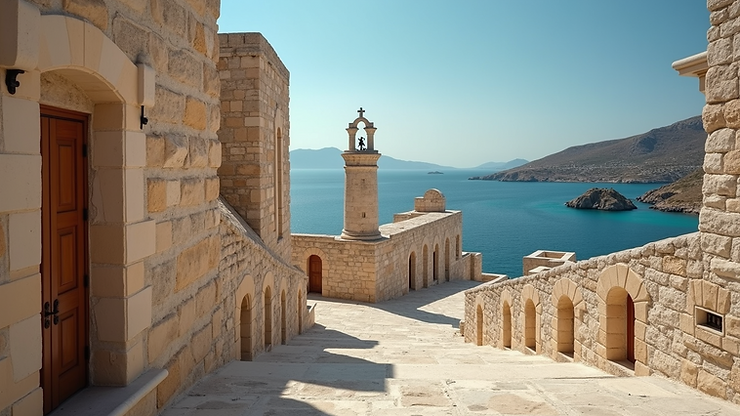
The Stone of Mykonos is a historical relic said to hold mystical powers. Local legends suggest it was used by ancient Greeks for rituals and ceremonies. Visiting this site provides an insight into ancient beliefs and traditions that have shaped the island’s identity over millennia.
17. The Fishermen’s Marina

This charming marina is an essential part of Mykonos’s fishing heritage. Strolling through the marina, you can observe local fishermen, traditional boats, and the daily rhythm of life that continues to connect the island with the sea. It is a perfect place to enjoy the local atmosphere while reflecting on the island’s maritime traditions.
18. The Old Town of Mykonos

The Old Town of Mykonos (Chora) is a labyrinth of narrow streets filled with history and charm. Once the heart of the island’s trading activity, today, it offers a mix of shops, cafes, and galleries that reflect the island’s cultural evolution. Get lost in its alleys to discover traditional architecture and hidden gems of Mykonos.
19. The Folklore Museum

The Folklore Museum showcases the island’s everyday life and culture through the ages. Exhibits include traditional costumes, household items, and tools used in local industries. It is a wonderful opportunity to immerse yourself in the customs and traditions that define Mykonos.
20. The Ancient Theatre of Delos

The Ancient Theater of Delos is a remarkable site with a seating capacity of 5,500 spectators. Strolling through its ruins, one can imagine the vibrant performances that once captivated audiences. The theater stands as a reminder of the cultural significance of theater in ancient Greek society and the arts’ role in community life.
21. Agios Ioannis Beach

Agios Ioannis Beach is not only famous for its tranquil waters but also for ancient ruins located nearby. The site is believed to have once held a temple dedicated to Apollo. While relaxing by the beach, you can easily explore the archaeological remnants and appreciate their historical context.
22. The Venetian Castle

The remnants of the Venetian Castle in Mykonos evoke memories of the island during the medieval period. While the structure may be largely in ruins now, it offers visitors a fascinating look at the strategic importance of Mykonos in maritime history. The views from the castle offer further context regarding its defensive purpose.
23. Monastery of Paleokastro

The Monastery of Paleokastro, also known as the Old Castle Monastery, is dedicated to the Virgin Mary and built in the shadow of a hill. It offers a tranquil environment ideal for meditation and reflection, making it an excellent stop for those who appreciate both history and nature.
24. The Church of the Holy Trinity

The Church of the Holy Trinity is known for its stunning frescoes and intricate altar, representing the artistic contributions of the island’s religious communities. Visitors can admire the craftsmanship and learn about the church’s role in the local community’s spiritual life.
25. The Old Mills Museum

This museum, set in a restored windmill, provides an engaging look at the traditional methods of grain milling that helped sustain the island’s population. The interactive exhibits educate visitors on the importance of windmills in Mykonos’s agricultural history, allowing for a unique learning experience.
Conclusion
As you traverse the beautiful island of Mykonos, take the time to delve into its historical sites, each unveiling a unique story and contributing to the island’s identity. From ancient ruins to cultural monuments, Mykonos is a treasure trove of heritage that goes beyond mere sun and sea. By visiting these 25 hidden historical sites, you not only enrich your travel experience but also gain a deeper appreciation for the vibrant tale of this enchanting Aegean island. Whether you’re a history buff or simply curious about the past, these sites will leave a lasting impression of Mykonos as a place where history lives on.










Leave a Reply