Phuket, Thailand’s largest island, is not just a paradise known for its stunning beaches and lively nightlife. It is also home to a rich blend of cultures, deeply interwoven with the island’s indigenous tribes. This blog post invites you to uncover the hidden stories of Phuket through captivating visuals that showcase the lives and traditions of these remarkable communities.
As we explore the unique customs and vibrant lifestyles of these tribes, we aim to provide a comprehensive understanding of who they are. Through striking imagery, we will transport you into the heart of these captivating cultures.
Travel Guide : Phucket
The Sea Gypsies: The Moken Tribe

The Moken tribe, widely known as the Sea Gypsies, has resided in the Andaman Sea for countless generations. Their survival hinges on their deep bond with the ocean, where they rely primarily on fishing and gathering. The Moken people have a rich culture centered around maritime life, with traditions that echo through the ages.
These skilled navigators construct their homes on stilts above the water, adapting to changing tides with ease. They chart their journeys using natural indicators like stars and ocean currents. Interestingly, the Moken language features vocabulary that reflects their deep understanding of marine life and navigation.
Sadly, modernization and climate change pose significant threats to the Moken’s traditional way of life. Yet, initiatives are underway aimed at cultural preservation. For instance, local organizations are working to promote sustainable fishing practices and educational programs that celebrate Moken traditions.
The Muslim Community: The Chao Ley

The Chao Ley, meaning “people of the sea,” form a crucial part of Phuket’s cultural mosaic. As a predominantly Muslim community, they marry Islamic beliefs with local customs, creating a vibrant and resilient culture. Known for their exceptional fishing expertise and craftsmanship, particularly in boat building, they showcase a lifestyle intricately linked to the ocean.
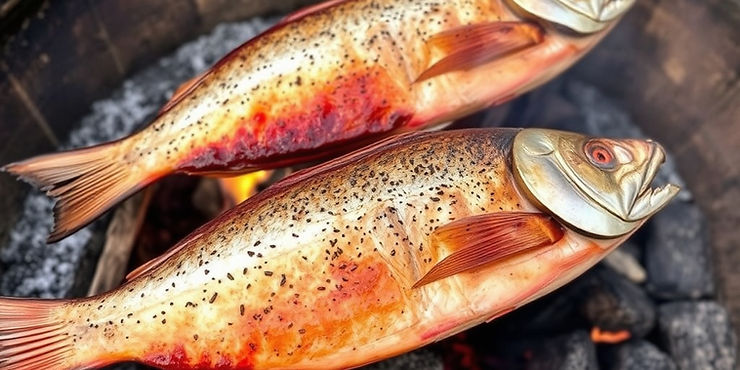
Chao Ley villages, often built on stilts, offer stunning views over the water while also protecting against flooding. Their annual festivals are lively affairs, filled with music, dance, and traditional dishes like grilled fish and spicy salads. Notably, during the annual Sea Festival, approximately 3,000 visitors gather to celebrate their heritage with performances and local delicacies.
Despite threats from tourism expansion and urban development, the Chao Ley community remains committed to passing down their traditions. Organizations are aiding their efforts in preserving their language and crafts, ensuring the spirit of the Chao Ley thrives.
The Sino-Portuguese Heritage: The Baba-Nyonya
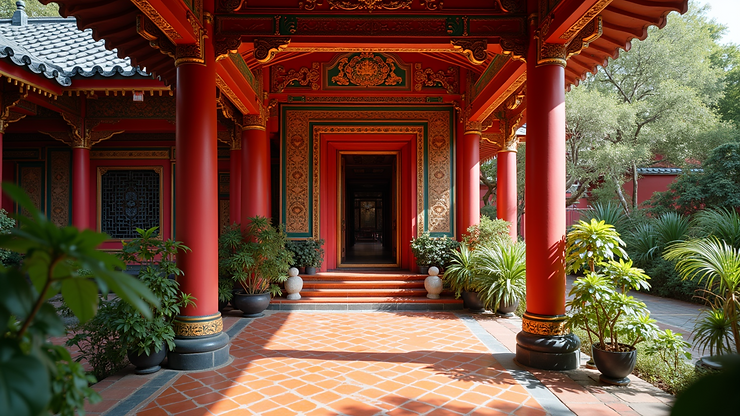
Known as Peranakan, the Baba-Nyonya community consists of descendants of Chinese immigrants to Southeast Asia, including Phuket. This group represents a rich blend of Chinese and Malay cultures, visible in their language, cuisine, and traditional dress.
Baba-Nyonya houses are spectacular, adorned with detailed tile work and vibrant colors that draw the eye. The culinary scene is equally remarkable, featuring dishes like laksa and ayam pongteh, which merge Chinese techniques with local flavors. Each year, they celebrate the Hari Raya and Chinese New Year, combining traditions from both cultures with unique festivities.
As global influences grow, the Baba-Nyonya remain dedicated to preserving their unique identity. Their cultural events, such as cooking classes that showcase traditional recipes, promote awareness of their heritage among the younger generation and visitors alike.
The Hill Tribes: The Akha and Karen

In the mountainous regions of Phuket, the Akha and Karen tribes flourish, known for their colorful textiles, intricate handicrafts, and unique traditions. The Akha tribe stands out for its elaborate headdresses and vibrant clothing, symbols of their cultural identity.
The Karen tribe, often referred to as the Kayin or Kayan, is especially noted for their long-necked women, who wear brass rings as a beautiful cultural symbol. Both tribes pride themselves on their rich oral histories, sharing tales and legends that have been passed down for centuries.
Despite the rise of modernization and land loss, the Akha and Karen continue to celebrate their culture. They hold traditional ceremonies, showcasing music and dance, which not only strengthens their community bond but also draws tourists interested in these vibrant expressions of heritage.
The Thai Buddhist Community

The Thai Buddhist community is the most prominent group in Phuket, profoundly shaping the island’s culture and lifestyle. Buddhism is deeply integrated into daily life, with beautiful temples scattered across Phuket. These temples serve as not just places of worship but centers where locals come together to celebrate their culture.
Festivals such as Songkran, which celebrates the Thai New Year, and Loy Krathong, the Festival of Lights, attract thousands each year. During these events, traditional rituals, music, and dance create a lively atmosphere. The participation rate for locals can reach as high as 90%, making these gatherings a true testament to community spirit.
Known for their hospitality, the Thai Buddhist community warmly welcomes visitors, inviting them to engage with cultural practices and traditions. This openness fosters connections that transcend cultural boundaries and embrace diversity across the island.
A Journey Through Cultural Richness
Phuket is a true melting pot of cultures. Each tribe weaves its own story into the island’s vibrant identity. From the nomadic Moken tribe to the lively Baba-Nyonya, the rich traditions provide insight into the lives of all these communities.
Travelers exploring Phuket should embrace and respect the cultural heritage of these tribes. Understanding their stories and traditions nurtures a deeper connection with the island and its people.
In our rapidly changing world, the tribes of Phuket highlight the need for cultural preservation and the celebration of our shared humanity. Through their art, music, and cuisine, they invite us to discover and appreciate the incredible cultural landscape that defines this stunning island.





Leave a Reply