Komodo Island, part of the Komodo National Park, is a stunning destination known for its unique wildlife, breathtaking landscapes, and rich cultural traditions. While the famous Komodo dragons draw visitors from around the world, this Indonesian island has so much more to offer. This travel guide will reveal the hidden wonders of Komodo Island, providing you with essential information to ensure your trip is unforgettable.
Komodo Island Practical Information
Location,Language,Currency,Climate,Time Zone, Wildlife,Marine Life
- Location:Komodo Island is one of the many islands that make up the Republic of Indonesia. It is situated in the Lesser Sunda Islands archipelago, nestled between the larger islands of Sumbawa to the west and Flores to the east. Geographically, it lies approximately 300 miles (480 kilometers) east of Bali. The island is part of the Komodo National Park, which also includes the islands of Padar and Rinca, as well as numerous smaller ones. This National Park spans nearly 2,000 square kilometers.
- Language:The primary language spoken on Komodo Island is Bahasa Indonesia, the official language of the country. However, the local inhabitants also have their own distinct language called Komodo. This language belongs to the Austronesian family and is related to other regional languages like Manggarai. While Bahasa Indonesia is widely understood, you might hear local Komodo being spoken within the communities.
- Currency:The official currency of Indonesia, and therefore Komodo Island, is the Indonesian Rupiah (IDR). Banknotes and coins in various denominations are used. While some establishments in tourist areas might accept other currencies like US Dollars, it is advisable to use the local currency for most transactions. As of today, May 11, 2025, the approximate exchange rate is around 1 US Dollar to 15,000 Indonesian Rupiah, but this can fluctuate.
- Climate:Komodo Island experiences a tropical climate, characterized by hot and humid conditions year-round. It has two main seasons: * Dry Season (April to December): This is generally considered the best time to visit. You can expect sunny skies, minimal rainfall, and lower humidity levels. This period is ideal for activities like trekking, diving, and boat tours, with excellent underwater visibility. * Wet Season (January to March): This season brings occasional rain showers and higher humidity. While the landscapes become greener, boat tours might be disrupted, and underwater visibility can decrease. However, it’s also the off-season, which means fewer tourists and potentially lower prices.
- Time Zone:Komodo Island is located in the Central Indonesian Time (WITA) zone, which is UTC+8. This means it is 13 hours ahead of Coordinated Universal Time. As Cedar Bluff, Alabama is in the Central Daylight Time (CDT) zone (UTC-5), Komodo Island is 18 hours ahead of your current location.
- Wildlife:Komodo Island is world-famous for being the natural habitat of the Komodo dragon (Varanus komodoensis), the largest living lizard on Earth. The Komodo National Park was initially established to protect these unique reptiles, and it is estimated that over 4,000 of them live within the park’s boundaries. The island’s terrain consists of rugged volcanic hills, savannah, and forests, providing a suitable environment for the dragons. Besides the Komodo dragons, the island is also home to other terrestrial wildlife such as various species of snakes, birds, deer, wild pigs, and water buffalo.
- Marine Life:The waters surrounding Komodo Island are renowned for their exceptional marine biodiversity. Situated within the Coral Triangle, this area boasts a stunning array of coral reefs, seagrass beds, and mangrove shrublands. It is a world-class diving destination, home to more than 1,000 species of tropical fish and 260 species of coral. Divers can encounter a variety of marine creatures, including manta rays, sharks, turtles, Napoleon wrasse, and numerous colorful reef fish and invertebrates.
Komodo Island Safety Information
Crime Rate,Shark Attacks, Natural Disasters, Emergency Numbers
Komodo Island, located within Komodo National Park in Indonesia, presents a unique set of safety considerations for visitors. Here’s a breakdown of safety information:
Crime Rate
Compared to many other tourist destinations and large Western cities, Indonesia generally has a low crime rate, especially regarding violent crime against tourists. Petty crimes like pickpocketing and scams can occur, particularly in crowded areas and tourist hotspots. It’s advisable to be mindful of your belongings.
While Komodo Island itself is relatively remote and within a national park with ranger presence, general safety precautions relevant to Indonesia include being aware of potential scams and petty theft. Violent crime against tourists is rare.
Shark Attacks
Yes, sharks are present in the waters around Komodo Island. Various species, including white-tip reef sharks, grey reef sharks, and nurse sharks, can be found. Whale sharks also occasionally appear.
However, shark attacks on divers and snorkelers are uncommon in this area. Most sharks encountered are generally docile and not considered a significant threat if they are not provoked.
Safety tips for being in the water around Komodo Island:
- Maintain a respectful distance from sharks and other marine life.
- Avoid sudden movements if you encounter a shark.
- Do not chase or try to touch sharks.
- Never feed the sharks. This can alter their natural behavior and make them associate humans with food.
- Consider avoiding bright-colored swimwear, as some sharks may be curious about high-contrast colors.
- Dive or snorkel with a local guide who is familiar with the area and potential hazards.
- Know your limits as a swimmer or diver, and always follow your guide’s instructions.
- Be aware of currents, which can be strong and unpredictable in some areas.
Natural Disasters
Indonesia is located in a seismically active region known as the “Ring of Fire,” making it prone to several natural disasters:
- Earthquakes: Earthquakes can occur and may sometimes trigger tsunamis.
- Tsunamis: Coastal areas, including those around Komodo Island, could be at risk following significant underwater earthquakes.
- Volcanic Activity: While Komodo Island itself is not an active volcano, the region has volcanic activity that could indirectly affect the area (e.g., travel disruptions due to ash clouds).
- Monsoonal Rains: The area experiences distinct wet and dry seasons. Heavy rainfall during the monsoon season can lead to localized flooding and landslides, although these are less likely to directly impact the islands within Komodo National Park themselves.
- Strong Currents and Weather: The ocean around Komodo can have strong and unpredictable currents. Weather conditions can also change rapidly, which can be a safety concern for boat trips and water activities.
It’s essential to stay informed about local weather forecasts and heed any warnings issued by park authorities or local officials.
Emergency Numbers
Specific emergency numbers for Komodo Island itself can be challenging to find due to its remote location. However, the general emergency number for Indonesia is 112. This is a unified number for ambulance, fire, and police services.
In the Labuan Bajo area (the main gateway town to Komodo National Park on the island of Flores), the following numbers might also be useful:
- Main Emergency: 112
- Police: 110
- Fire Department: 113
- Ambulance: 118
- Search & Rescue: 111 / 115 / 151
- Labuan Bajo Clinic: (+62 385) 41114
- Tourist Information Center Labuan Bajo: (+62 361) 271145
Given the potential for limited mobile network coverage in more remote areas of Komodo National Park, it’s crucial to discuss emergency procedures with your tour operator and guide before your visit. They will have the most relevant local contacts and protocols in case of an emergency.
General Safety Advice for Komodo Island:
- Always follow the instructions of your guides or park rangers, especially when observing Komodo dragons. Maintain a safe distance (at least 3-5 meters) and avoid sudden movements.
- Wear appropriate clothing and footwear for trekking, including sturdy shoes. Neutral colors are recommended as bright colors may attract Komodo dragons.
- Stay hydrated by drinking plenty of water, as the tropical climate can lead to dehydration.
- Use sun protection, including sunscreen and a hat.
- Be aware of other wildlife, such as venomous snakes and stinging insects.
- Practice good hygiene to avoid foodborne illnesses. Drink bottled or boiled water and eat cooked food from reputable sources.
- Inform your guide of any medical conditions or allergies you may have.
- Carry a basic first-aid kit.
- Be respectful of the local culture and customs.
- Do not litter and avoid touching marine life or feeding wild animals.
- Book tours and activities through reputable operators.
- Ensure you have adequate travel insurance that covers medical emergencies and evacuation if necessary.
By being informed and taking necessary precautions, you can have a safe and memorable experience exploring the unique environment of Komodo Island.
Komodo Island Planning Information
How To get to Komodo Island,Transportation Options, Entry/Exit Requirements
Komodo Island is part of the Komodo National Park, a UNESCO World Heritage Site in Indonesia, famous for being the natural habitat of the Komodo dragon, the world’s largest lizard. Planning a trip involves several aspects:
How to Get There:
- Fly to Labuan Bajo: The most common gateway to Komodo National Park is Labuan Bajo (LBJ) on the island of Flores. Several airlines offer daily domestic flights from major Indonesian cities like Jakarta, Bali, Surabaya, and Lombok to Komodo Airport in Labuan Bajo. International flights are also available directly to Labuan Bajo from Singapore and Kuala Lumpur.
- Boat Trip to Komodo Island: From Labuan Bajo, the only way to reach Komodo Island is by boat. You can choose from various options:
- Day trips: Speedboats offer day tours to Komodo Island and other nearby islands.
- Multi-day tours: These can range from 2 days/1 night up to longer durations on liveaboard boats (phinisi or other types). These tours often include visits to several islands within the park.
- Private boat charters: Offer more flexibility in itinerary and schedule but are more expensive.
Transportation Options:
- Boats: As Komodo National Park consists of several islands, boats are the primary mode of transport for island hopping, snorkeling, and diving excursions. Options include speedboats for quicker transfers and reaching multiple spots in a day, and traditional wooden “phinisi” boats or other liveaboards for multi-day trips, often including accommodation and meals.
- On the Islands: Once on Komodo or other islands within the park, the main way to explore is on foot, usually with a local ranger, especially when trekking to see Komodo dragons.
How Many Days:
The ideal duration for a trip to Komodo Island depends on your interests and available time:
- 3 Days/2 Nights: This is often recommended as a minimum to get a good taste of Komodo, allowing you to see Komodo dragons, hike on Padar Island for stunning views, and enjoy some snorkeling.
- 4 Days/3 Nights: Allows for a more relaxed pace and the possibility to visit additional islands like Kelor or Sebayur for snorkeling.
- Longer trips (5 days to 11 days): These are ideal for those who want to explore the park more extensively, including multiple dive sites, remote beaches, and potentially combine the trip with exploring more of Flores. Diving enthusiasts might prefer longer liveaboard trips.
Cost to Visit:
The cost of visiting Komodo Island can vary significantly based on your travel style, choice of tours, and duration:
- Flights: Return flights from Bali to Labuan Bajo can range from approximately USD 80 to USD 300, depending on the airline and time of booking.
- Komodo National Park Entry Fees (for foreigners, as of early 2025):
- Weekdays: Approximately IDR 150,000 (around USD 9-10) per person per day.
- Weekends & Public Holidays: Approximately IDR 250,000 (around USD 15-16) per person per day.
- Keep in mind there might be additional fees for specific islands (e.g., Komodo, Rinca, Padar, Kanawa) and activities (e.g., snorkeling, diving, ranger fees for Komodo dragon tours). Ranger fees on Komodo Island are around IDR 120,000 per group (up to 5 people).
- Boat Tours:
- Day trips: Open/shared speedboat tours can start from USD 50-100 per person. Private speedboat tours can cost USD 300-500 per group.
- Multi-day tours (open trip on a phinisi): From around USD 320 per person for 3 days/2 nights, including meals and accommodation on the boat.
- Private phinisi charters: Can start from USD 3,400 per boat for 2 days/1 night and go much higher depending on the boat’s luxury and duration.
- Accommodation in Labuan Bajo: Budget guesthouses can start from USD 10 per night, while luxury resorts can cost USD 200+ per night. If you opt for a liveaboard tour, accommodation costs are usually included in the tour price.
- Other expenses: Meals (if not included in the tour), drinks, souvenirs, and personal expenses should also be factored in.
Estimated Daily Costs (per person):
- Budget: USD 50 – USD 80 (hostels, shared boats, local food).
- Mid-Range: USD 100 – USD 200 (private hotels, speedboat tours, some guided activities).
- Luxury: USD 300+ (resorts, private boats, premium tours and diving).
A rough estimate for a 3-day, 2-night trip could range from USD 200 to USD 500 per person, excluding flights, depending on your choices.
Entry and Exit Requirements:
- Passport: Ensure your passport has at least six months of validity remaining from your date of entry into Indonesia.
- Visa: Many nationalities can enter Indonesia for tourism purposes without a visa for a stay of up to 30 days. However, it’s essential to check the latest visa regulations for your nationality before traveling. You might be eligible for a Visa on Arrival (VOA) if your stay is longer or if required based on your citizenship.
- Pre-registration for Komodo National Park: Some tour operators might require you to submit a copy of your passport details at least one day before your boat trip for park registration.
- Park Regulations: Be aware of and respect the Komodo National Park rules, including maintaining a safe distance from Komodo dragons (at least 10-15 feet), always staying with your guide, and avoiding feeding the wildlife.
Komodo Island Culture

Tribes of Komodo Island
The tribes of Komodo Island are indigenous communities with unique cultural traditions deeply intertwined with the island’s environment, including the famed Komodo dragons.
Komodo Island Geographical

Villages
The villages on Komodo Island and within Komodo National Park are small, close-knit communities deeply connected to the surrounding marine environment.

Beaches of Komodo Island
Komodo Island and its surrounding National Park are fringed with diverse and picturesque beaches, ranging from the iconic pink sands to pristine stretches of white, all lapped by clear turquoise waters teeming with marine life.
Komodo Island National Parks

Komodo Island National Park protects a unique and rugged volcanic landscape encompassing several islands, rich marine biodiversity within the Coral Triangle, and the world’s largest living lizard, the Komodo dragon.
Komodo Island Food and Drinks

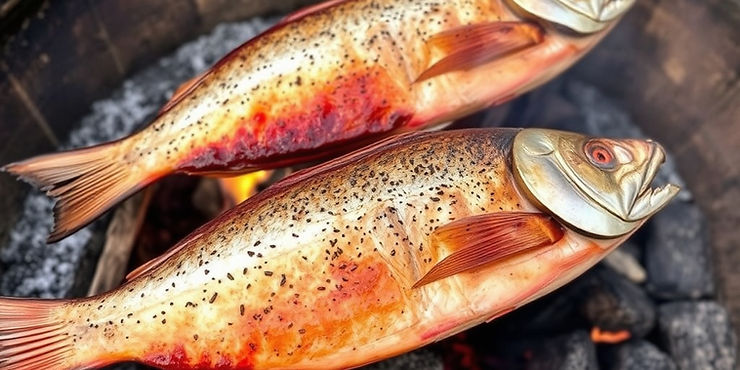
Komodo Island’s cuisine, influenced by its Indonesian location and coastal environment, features fresh seafood often prepared with local spices and simple traditional methods.
Trekking Komodo Island

Trekking Komodo Island offers a unique opportunity to witness the island’s dramatic volcanic landscapes and encounter the iconic Komodo dragons in their natural habitat.






Leave a Reply