Deep sea fishing offers an exciting way to connect with nature, challenge your skills, and enjoy the thrill of the catch. The United States boasts some of the best national parks where the ocean meets wilderness, providing prime spots for deep sea fishing enthusiasts. These parks combine stunning natural beauty with rich marine life, making them ideal destinations for anglers seeking adventure beyond the shore.
This guide highlights top US national parks that offer exceptional deep sea fishing experiences. Whether you are a seasoned angler or a curious beginner, these parks provide access to diverse fish species, well-equipped facilities, and breathtaking surroundings.
Everglades National Park, Florida

Everglades National Park is famous for its vast wetlands and unique ecosystem, but it also offers excellent opportunities for deep sea fishing along Florida’s Gulf Coast and Atlantic Ocean edges. The park’s proximity to both saltwater and freshwater habitats means anglers can target a wide variety of species.
Fishing Highlights
- Species: Grouper, snapper, tarpon, kingfish, and sailfish.
- Best Spots: Florida Bay and the Gulf of Mexico waters adjacent to the park.
- Season: Year-round fishing with peak seasons varying by species.
Tips for Anglers
- Use live bait like shrimp or small fish to attract larger game fish.
- Consider hiring a local fishing guide familiar with Everglades waters.
- Be mindful of park regulations to protect the delicate ecosystem.
Everglades offers a unique blend of wilderness and ocean adventure, making it a top choice for deep sea fishing combined with wildlife viewing.
Channel Islands National Park, California

Located off the coast of Southern California, Channel Islands National Park is a hidden gem for deep sea fishing. The park’s waters are part of the California Current, which supports a rich marine ecosystem.
Fishing Highlights
- Species: Yellowtail, halibut, rockfish, and sea bass.
- Best Spots: Around Anacapa and Santa Cruz Islands.
- Season: Spring through fall offers the best fishing conditions.
Tips for Anglers
- Bring or rent a boat equipped for offshore fishing.
- Check weather conditions carefully, as ocean currents can be strong.
- Explore the park’s marine protected areas for catch-and-release fishing.
The Channel Islands combine rugged island landscapes with productive fishing grounds, perfect for anglers seeking a peaceful yet thrilling experience.
Biscayne National Park, Florida

Biscayne National Park is mostly underwater, making it a prime destination for deep sea fishing in the Atlantic Ocean near Miami. The park’s coral reefs and shallow waters attract a variety of fish species.
Fishing Highlights
- Species: Mahi-mahi, snapper, barracuda, and amberjack.
- Best Spots: Offshore reefs and the Florida Keys area within the park.
- Season: Late spring to early fall is ideal for most game fish.
Tips for Anglers
- Use trolling techniques to cover more water and find active fish.
- Respect the park’s coral reefs by avoiding anchoring directly on them.
- Take advantage of nearby marinas for boat rentals and fishing charters.
Biscayne offers a vibrant underwater world combined with excellent fishing, making it a favorite for anglers who enjoy both sport and scenery.
Dry Tortugas National Park, Florida

Dry Tortugas National Park is located about 70 miles west of Key West and is accessible only by boat or seaplane. Its remote location means less crowded waters and abundant fish.
Fishing Highlights
- Species: Yellowtail snapper, grouper, barracuda, and permit.
- Best Spots: Around the park’s coral reefs and wreck sites.
- Season: Year-round fishing with warm months being most productive.
Tips for Anglers
- Plan your trip carefully due to the park’s remote location.
- Bring all necessary fishing gear and supplies, as services are limited.
- Follow catch limits and conservation rules to protect the fragile reef system.
Dry Tortugas offers a true deep sea fishing adventure with pristine waters and rich marine life, ideal for anglers looking for solitude and big catches.
Olympic National Park, Washington
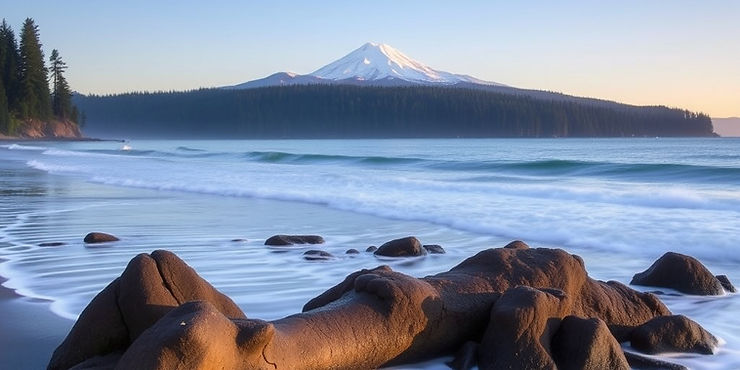
While Olympic National Park is better known for its forests and mountains, its coastal areas provide excellent deep sea fishing opportunities in the Pacific Ocean. The park’s rugged coastline and nearby waters are home to a variety of fish species.
Fishing Highlights
- Species: Salmon, halibut, lingcod, and rockfish.
- Best Spots: Near the park’s coastal access points like La Push and Kalaloch.
- Season: Salmon runs peak in summer and early fall.
Tips for Anglers
- Use specialized gear for salmon and halibut fishing.
- Check local fishing regulations and obtain necessary permits.
- Combine fishing trips with hiking or wildlife watching in the park.
Olympic National Park offers a unique mix of mountain and marine environments, making it a versatile destination for outdoor enthusiasts.
Padre Island National Seashore, Texas

Padre Island National Seashore stretches along the Gulf of Mexico and is known for its long beaches and rich fishing grounds. It is one of the longest undeveloped barrier islands in the world.
Fishing Highlights
- Species: Redfish, speckled trout, flounder, and kingfish.
- Best Spots: Offshore waters along the Gulf Coast.
- Season: Spring through fall offers the best fishing conditions.
Tips for Anglers
- Use surf fishing techniques or take a boat offshore.
- Be prepared for changing weather and tides.
- Explore the island’s natural beauty and birdwatching opportunities.
Padre Island combines deep sea fishing with a peaceful coastal environment, perfect for anglers who enjoy beachside adventures.
Wrapping Up Your Deep Sea Fishing Trip
Choosing the right national park for deep sea fishing depends on your preferences for species, location, and type of adventure. The parks listed here offer a range of experiences, from tropical coral reefs to rugged Pacific coasts. Each destination provides access to rich marine life and stunning natural settings.
Before you go, check the specific park’s fishing regulations, seasons, and permit requirements. Hiring a local guide can enhance your chances of a successful catch and ensure a safe trip. Whether you seek the thrill of battling a big game fish or the joy of exploring pristine waters, these US national parks deliver unforgettable deep sea fishing adventures.s deliver the full experience.
Frequently Asked Questions
Can you fish inside national parks?
Fishing regulations vary. Many parks allow fishing in designated areas, while deep sea fishing typically occurs just outside park boundaries with licensed charters.
Do I need a permit?
Most locations require state fishing licenses and compliance with federal regulations. Always check local rules.
Are charters available near national parks?
Yes. Most of these destinations have established charter operators nearby.
What’s the best park for beginners?
Biscayne National Park and Gulf Islands National Seashore are great for first-time offshore anglers.
What’s the best for trophy fish?
Dry Tortugas, Cape Hatteras, Kenai Fjords, and Maui consistently produce trophy-class catches.









Leave a Reply