Australia offers some of the world’s most exciting deep sea fishing experiences. From tropical waters teeming with giant game fish to cool southern seas rich with bluefin tuna, the country’s vast coastline presents countless opportunities for anglers of all levels. Whether you seek the thrill of battling a black marlin or prefer the challenge of landing a giant trevally, Australia has a spot for you. This guide highlights 25 of the best deep sea fishing destinations across the country, showcasing what makes each location unique and worth visiting.
Queensland: The Great Barrier Reef and Tropical Waters
Queensland is famous for its warm waters and diverse marine life. The Great Barrier Reef offers a perfect blend of reef and game fishing, attracting anglers worldwide.
Cairns

Known as the black marlin capital of the world, Cairns delivers some of the most exciting big-game fishing experiences anywhere. Anglers travel here specifically for the chance to land massive black marlin in offshore waters. The peak season runs from September to December, when conditions are ideal for trophy catches. Professional charters and experienced crews make it accessible even for first-time visitors. Overall, it’s a must-visit destination for serious deep sea fishing enthusiasts.
Types of Fish: Cairns is famous for black marlin, but anglers can also target blue marlin, sailfish, yellowfin tuna, giant trevally, and mahi-mahi. Spanish mackerel and wahoo are also commonly caught in these waters. The diversity of species makes every trip unpredictable and exciting. Both heavy tackle and light tackle fishing are popular depending on the target. This variety is a major reason Cairns stands out globally.
Where to Fish: The best fishing takes place along the outer Great Barrier Reef and the nearby continental shelf drop-offs. Key spots include deep waters off Ribbon Reefs and offshore ledges where large fish patrol. Many charters head 20–60 miles offshore for optimal results. Reef edges and current lines are especially productive areas. These locations provide ideal conditions for landing trophy fish.
Port Douglas

Port Douglas offers a unique combination of reef and offshore game fishing in one trip. Anglers can start their day targeting coral trout and other reef species in calmer waters. Later, they can venture offshore in search of marlin, sailfish, and other pelagic fish. This versatility makes it ideal for those who want a diverse fishing experience. It’s especially popular with anglers who enjoy both light tackle and big-game action.
Types of Fish: Common catches include coral trout, red emperor, giant trevally, Spanish mackerel, and barracuda on the reef. Offshore waters hold marlin, sailfish, tuna, and mahi-mahi. The mix of reef and pelagic species gives anglers plenty of options. Fishing styles can range from bottom fishing to trolling. This variety keeps trips exciting and productive.
Where to Fish: Top fishing areas include the Great Barrier Reef systems just offshore and deeper waters along the continental shelf. The Ribbon Reefs are particularly well known for offshore fishing. Inshore reefs provide excellent structure for reef species. Offshore currents attract larger pelagic fish. These diverse locations make Port Douglas a complete fishing destination.
Townsville

Townsville is a prime base for accessing both reef and open-ocean fishing grounds. Its location provides quick entry to productive waters filled with pelagic species. Anglers can target tuna, mackerel, and coral trout throughout much of the year. The variety makes it appealing to both beginners and experienced fishers. With consistent catches and easy access, it’s one of Queensland’s most reliable fishing hubs.
Types of Fish: Fish species include coral trout, giant trevally, Spanish mackerel, cobia, and various tuna species. Reef fishing is particularly strong, but pelagic action is also consistent. Anglers can expect a mix of bottom-dwelling and fast-moving fish. This diversity allows for different fishing techniques. It keeps trips engaging for all skill levels.
Where to Fish: Popular fishing spots include reefs near Magnetic Island and the outer reef systems. Offshore shoals and wrecks are also productive. Many anglers fish along reef edges where predators gather. The close proximity of these areas reduces travel time. This makes Townsville both efficient and rewarding for fishing trips.
Airlie Beach
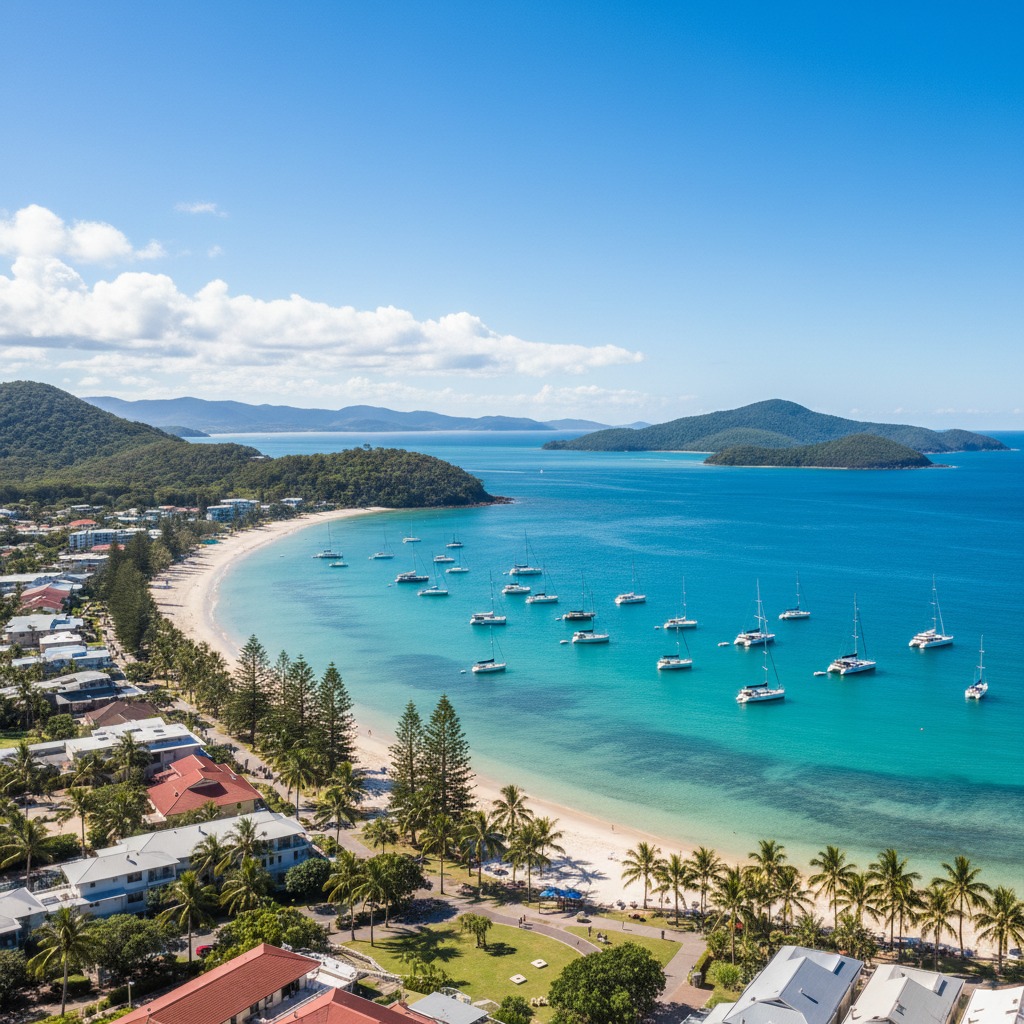
Airlie Beach, near the Whitsundays, is a hotspot for offshore fishing adventures. The surrounding waters are rich with species like mackerel, tuna, and marlin. Many charters operate from this area, offering trips for all skill levels. The scenic backdrop adds to the overall experience, combining fishing with stunning island views. It’s a top choice for anglers looking to mix relaxation with serious fishing.
Types of Fish: Anglers can catch coral trout, Spanish mackerel, giant trevally, tuna, and marlin. Reef fishing is excellent, while offshore waters provide big-game opportunities. Seasonal runs bring even more variety. Both beginners and experienced anglers can find suitable targets. This makes it a flexible and rewarding location.
Where to Fish: Fishing areas include waters around the Whitsunday Islands and nearby reef systems. Channels between islands are highly productive. Offshore grounds hold larger pelagic species. Reef edges and drop-offs are key hotspots. These locations offer both accessibility and quality fishing.
Mackay
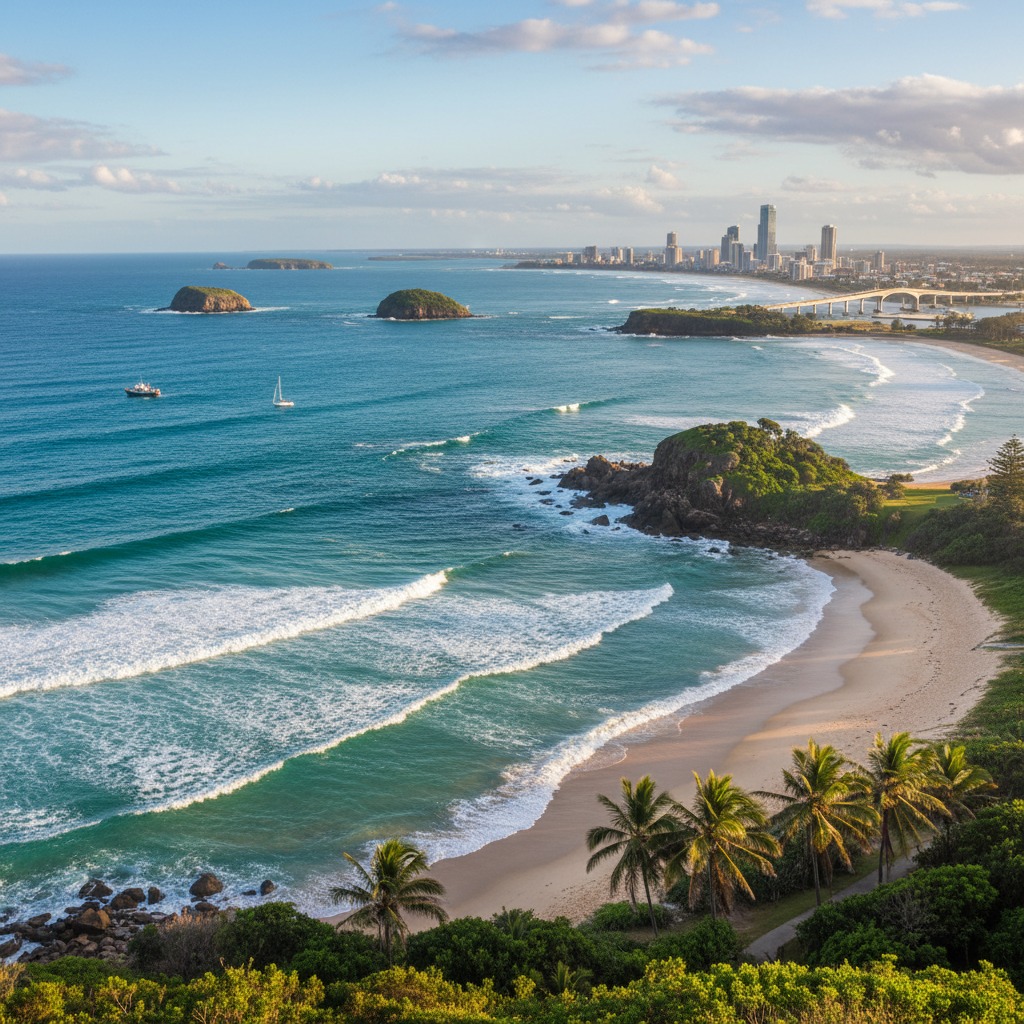
Mackay’s offshore waters are known for their productivity and abundance of fish. Anglers frequently target tuna and billfish in these rich fishing grounds. The area supports a strong charter industry catering to all experience levels. Conditions are often favorable, allowing for consistent fishing opportunities. It’s a dependable destination for those seeking both action and variety.
Types of Fish: Common species include Spanish mackerel, tuna, sailfish, marlin, and reef fish like coral trout. The mix of species supports both trolling and bottom fishing. Anglers can enjoy steady action throughout the year. Different seasons bring different target fish. This keeps the fishing experience dynamic.
Where to Fish: Key fishing spots include offshore reefs and continental shelf waters. Shoals and underwater structures are particularly productive. Many charters head to deeper offshore zones for large fish. Reef systems closer inshore provide reliable catches. These varied locations offer something for every angler.
Hervey Bay
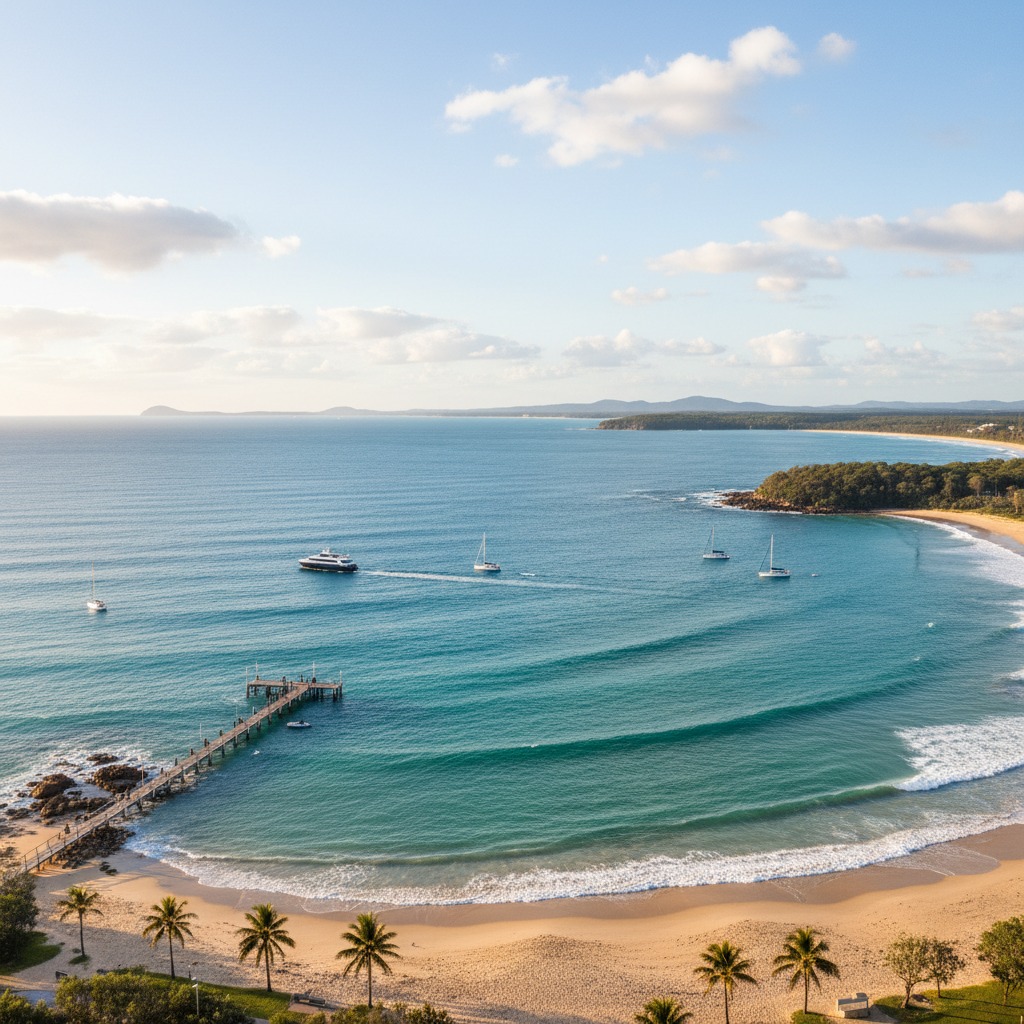
Hervey Bay is well known for its mix of game fish, including tuna, mackerel, and marlin. The waters here provide consistent action for anglers throughout much of the year. It’s also famous for whale watching, especially during migration season. This allows visitors to combine fishing trips with unique wildlife experiences. The combination makes it a standout destination on Australia’s coast.
Types of Fish: Anglers can target longtail tuna, Spanish mackerel, marlin, snapper, and trevally. The bay and offshore waters offer a mix of species. Fishing conditions are often calm, making it beginner-friendly. Seasonal changes bring different opportunities. This variety keeps anglers coming back.
Where to Fish: Top fishing locations include waters near Fraser Island (K’gari) and offshore reefs. Channels and drop-offs are highly productive. Reef edges attract larger predators. Offshore grounds hold pelagic species. These spots provide consistent and rewarding fishing.
Gold Coast
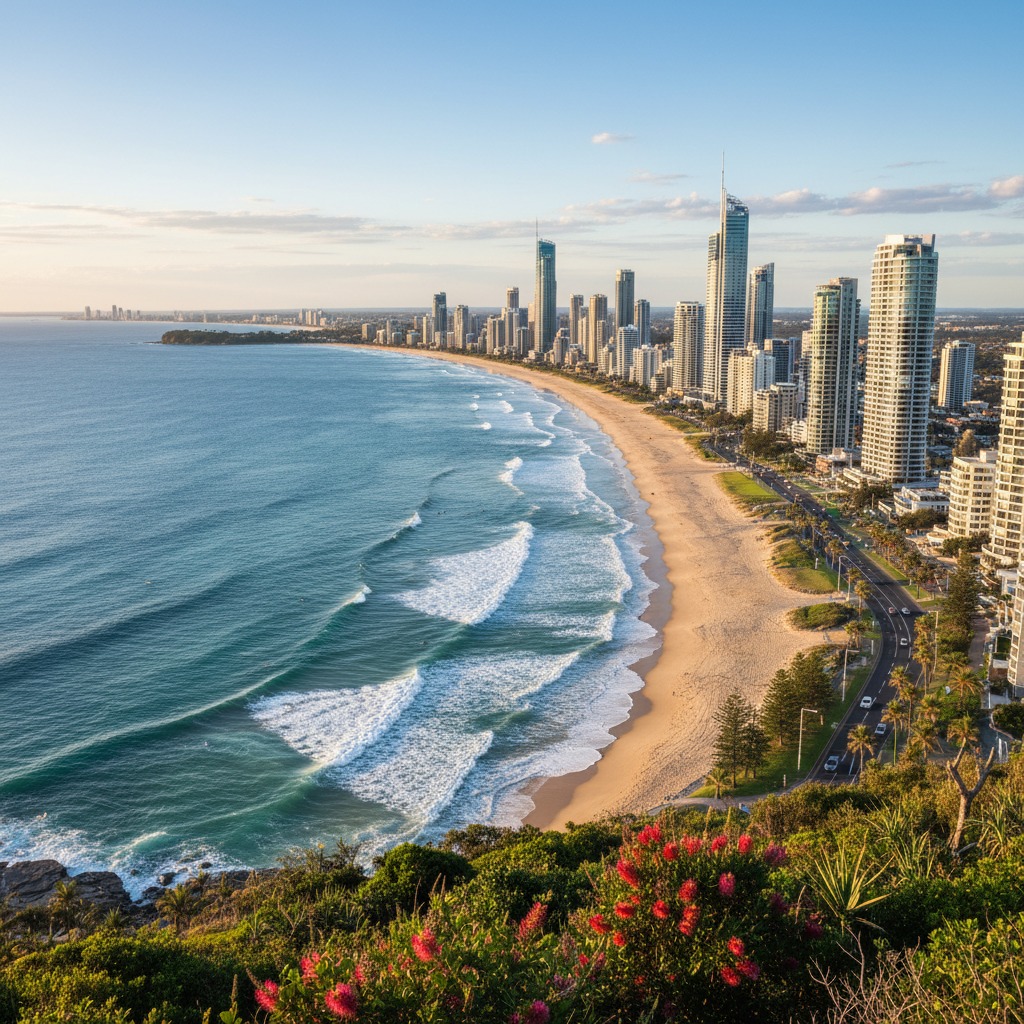
The Gold Coast offers convenient access to deep sea fishing just a short distance offshore. Anglers can quickly reach productive waters without long travel times. Popular targets include marlin, tuna, and mahi-mahi. The area is well-developed, with plenty of charter options and amenities. It’s an excellent choice for those wanting both great fishing and city convenience.
Types of Fish: Fish species include black marlin, mahi-mahi, yellowfin tuna, wahoo, and kingfish. The variety supports multiple fishing techniques. Offshore waters are particularly rich in pelagic species. Anglers can expect fast-paced action. This makes it a favorite for sport fishing.
Where to Fish: Popular fishing grounds include offshore reefs like The Nine Mile Reef and nearby shelf waters. These areas are close to shore yet highly productive. Drop-offs and current lines attract large fish. Many charters reach prime spots quickly. This accessibility is a major advantage for anglers.
Northern Territory: Remote and Wild Fishing Adventures
The Northern Territory’s fishing spots are less crowded and offer a raw, untouched experience.
Darwin

Darwin is famous for its rich offshore waters and consistent year-round fishing opportunities. The tropical climate allows anglers to fish in nearly any season with good results. Its location near productive reefs and deep waters makes it ideal for both reef and game fishing. Many experienced charters operate from Darwin, offering access to remote and highly active fishing grounds. It’s one of Australia’s top northern fishing hubs for serious anglers.
Types of Fish: Anglers can target black marlin, sailfish, Spanish mackerel, tuna, barramundi, and reef species like coral trout and snapper. Giant trevally and queenfish are also popular catches in these waters. The mix of pelagic and reef species provides a wide variety of fishing experiences. Seasonal changes bring different species into focus. This diversity makes Darwin a highly rewarding destination.
Where to Fish: Prime fishing areas include offshore reefs, coastal waters, and deeper zones of the Timor Sea. Popular spots include areas around Bathurst Island and nearby reef systems. Estuaries and river mouths also provide excellent fishing for certain species. Offshore ledges and current lines attract larger fish. These varied locations offer consistent action year-round.
Arnhem Land
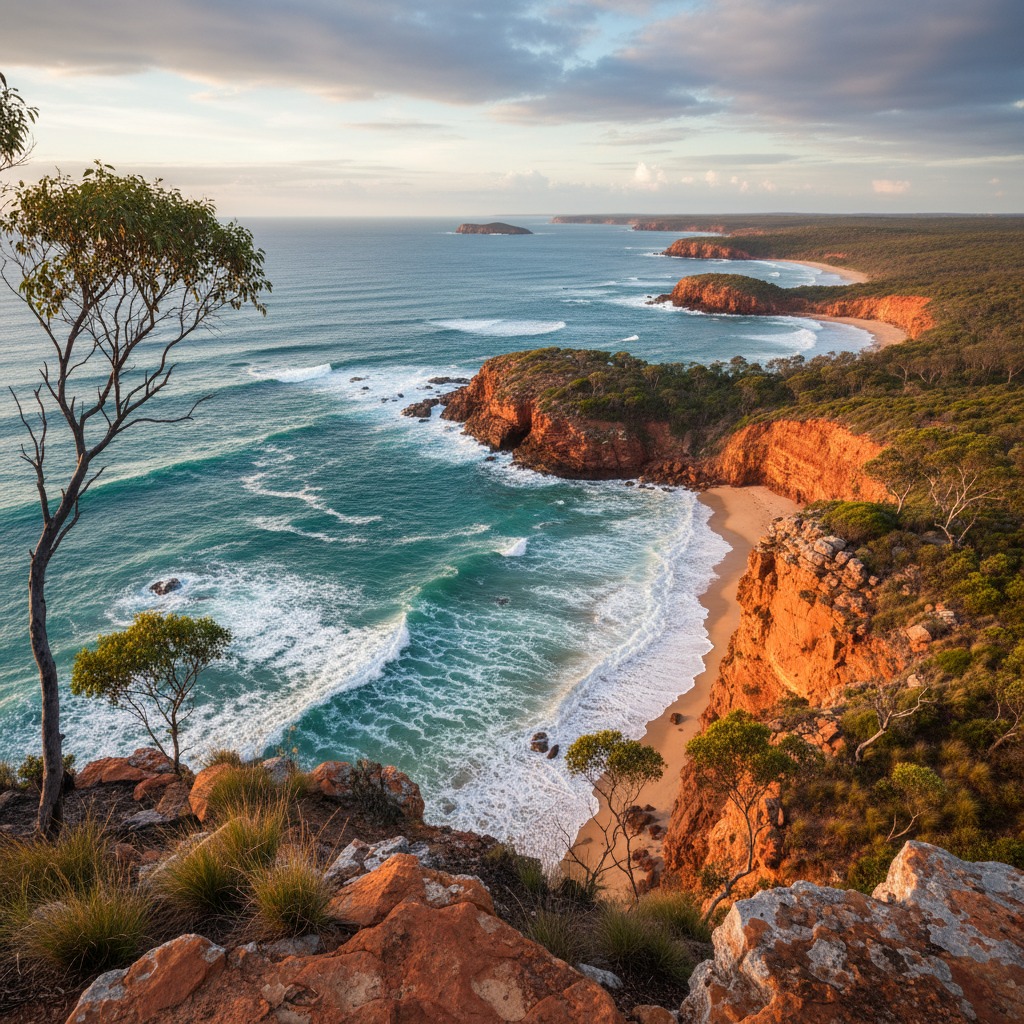
Arnhem Land is one of Australia’s most remote and untouched fishing destinations. Its isolation means minimal fishing pressure and pristine waters. Anglers travel here for a true wilderness experience combined with world-class fishing. The region offers both coastal and offshore opportunities in a natural setting. It’s ideal for those seeking adventure and trophy catches.
Types of Fish: This area is known for giant trevally, queenfish, barramundi, mangrove jack, and reef species. Offshore waters also hold tuna, mackerel, and other pelagic fish. The abundance of large, aggressive species makes it a dream destination for sport fishing. Many fish here reach impressive sizes due to low pressure. This makes every catch feel like a trophy.
Where to Fish: Top fishing locations include remote coastal waters, river systems, and offshore reefs along the Arafura Sea. Estuaries and mangrove-lined creeks are especially productive. Offshore reefs and shoals hold larger pelagic species. Access is often via guided lodges or charters. These untouched areas provide some of the best fishing in Australia.
Tiwi Islands
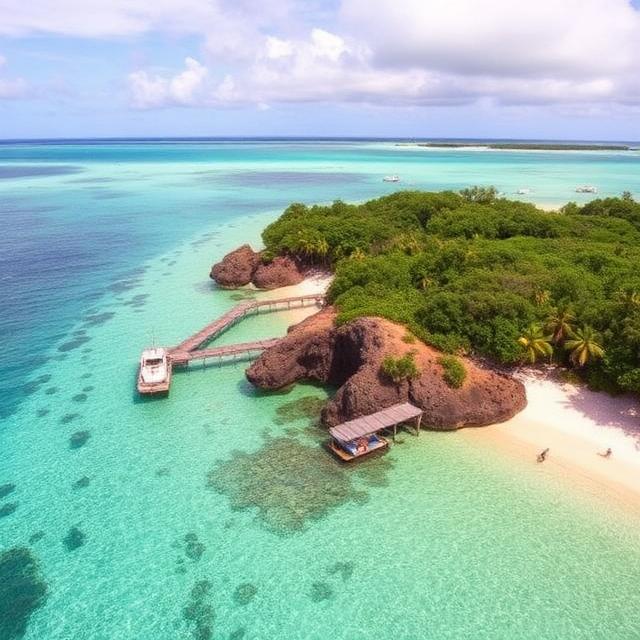
The Tiwi Islands, located just north of Darwin, offer a unique blend of culture and world-class fishing. These islands are less crowded, providing a more exclusive fishing experience. Anglers come here for both the quality of fishing and the cultural richness of the region. The waters surrounding the islands are highly productive and diverse. It’s a standout destination in northern Australia.
Types of Fish: Giant trevally, queenfish, barramundi, Spanish mackerel, and tuna are among the most common catches. Reef species and other pelagic fish are also abundant. The area is especially known for powerful sport fish that provide strong fights. Seasonal runs can increase catch variety even further. This makes it a favorite for experienced anglers.
Where to Fish: Fishing is best around coastal waters, estuaries, and offshore reefs near the Tiwi Islands. River mouths and tidal creeks are excellent for barramundi and inshore species. Offshore waters hold larger pelagic fish. Many charters focus on reef edges and current lines. These productive zones deliver consistent and exciting fishing.
Western Australia: Indian Ocean Giants
Western Australia’s Indian Ocean coast is home to some of the largest game fish in the world.
Exmouth
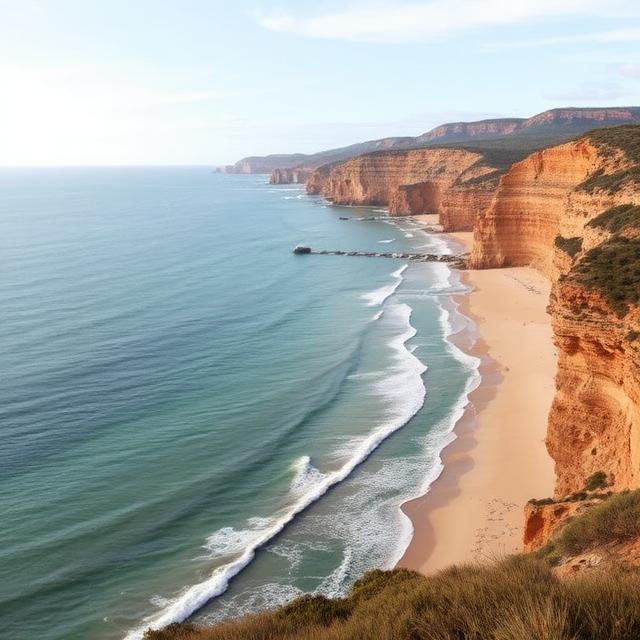
Exmouth is one of Australia’s top offshore fishing destinations, known for its access to deep water and rich marine life. The nearby Ningaloo Reef makes it unique, offering both reef and bluewater fishing in close proximity. Anglers can enjoy short travel times to productive fishing grounds. The region is especially popular during peak game fishing seasons. It’s a must-visit for those chasing high-action offshore fishing.
Types of Fish: Sailfish, black marlin, blue marlin, yellowfin tuna, wahoo, and mahi-mahi are commonly targeted. Giant trevally and Spanish mackerel are also abundant in these waters. The mix of species supports both sport fishing and big-game pursuits. Seasonal migrations bring even more variety. This makes Exmouth one of the most exciting fishing spots in Western Australia.
Where to Fish: The best fishing occurs along the continental shelf and waters surrounding Ningaloo Reef. Offshore drop-offs and reef edges are prime locations for pelagic species. Many anglers fish just a short distance from shore due to the reef’s proximity. Current lines and deeper waters attract larger fish. These areas provide consistent and productive fishing.
Ningaloo Reef
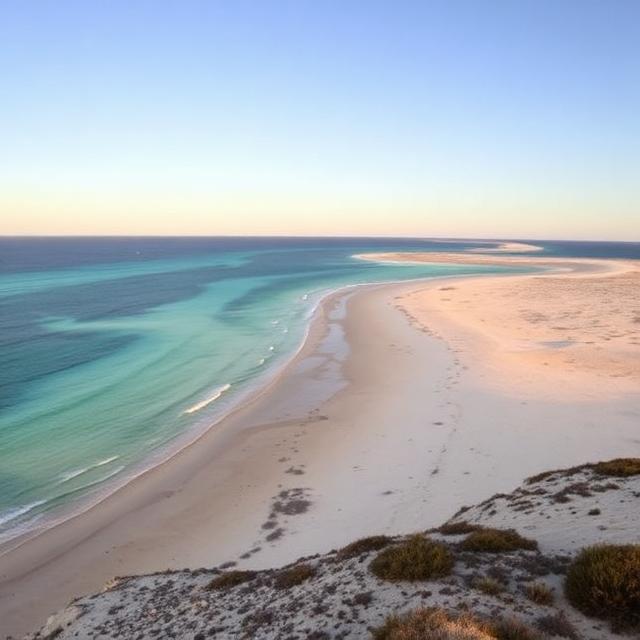
Ningaloo Reef is one of the most accessible fringing reefs in the world, offering incredible fishing close to shore. Its crystal-clear waters and diverse marine ecosystem make it a standout destination. Anglers can enjoy both reef fishing and offshore action without long travel times. The reef stretches for hundreds of kilometers, providing endless fishing opportunities. It’s ideal for anglers seeking both convenience and variety.
Types of Fish: Common catches include sailfish, marlin, trevally, coral trout, Spanish mackerel, and tuna. Reef species are plentiful, while pelagic fish patrol nearby deeper waters. The diversity supports multiple fishing techniques. Seasonal runs can bring even more species into range. This keeps fishing here exciting year-round.
Where to Fish: Fishing is best along reef edges, lagoons, and nearby offshore waters of Ningaloo Reef. Drop-offs and coral structures are key hotspots. Many anglers fish directly from boats just beyond the reef line. Shore-based fishing is also possible in some areas. These varied locations make Ningaloo Reef highly versatile.
Broome
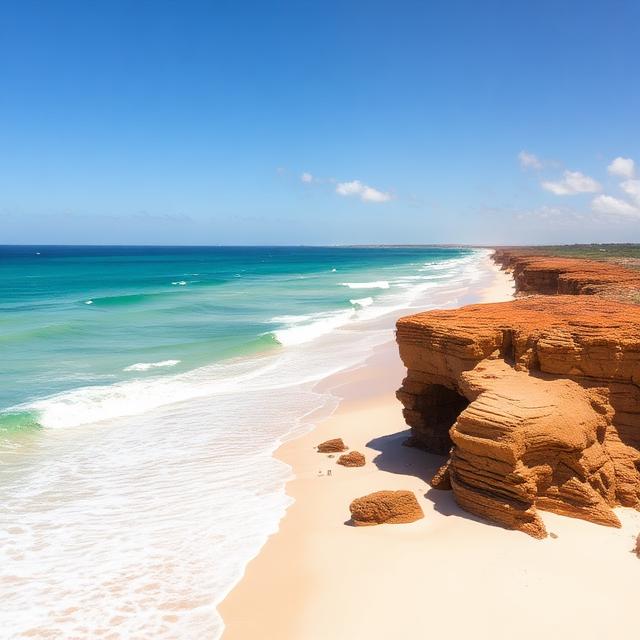
Broome offers a unique mix of coastal, estuary, and offshore fishing experiences. Its remote location provides less pressured fishing grounds and abundant marine life. Anglers can combine inshore barramundi fishing with offshore game fishing. The region’s tides and conditions create dynamic fishing opportunities. It’s a great destination for anglers seeking variety.
Types of Fish: Barramundi, threadfin salmon, Spanish mackerel, tuna, trevally, and reef species are commonly caught. Offshore waters also hold billfish and other pelagic species. The mix of inshore and offshore fish makes it highly diverse. Seasonal changes influence target species. This ensures a wide range of fishing experiences.
Where to Fish: Key fishing areas include coastal waters, estuaries, and offshore zones of the Indian Ocean. River mouths and tidal creeks are ideal for barramundi. Offshore reefs and deeper waters hold pelagic fish. Beaches and inshore flats also offer productive fishing. These varied environments make Broome a complete destination.
Dampier

Dampier is known for its rugged coastline and strong fishing opportunities in deeper waters. The area attracts anglers looking for heavy tackle action and large fish. Its offshore environment is rich with pelagic species and reef fish. The region is less crowded, providing a more focused fishing experience. It’s a top choice for serious sport fishers.
Types of Fish: Large tuna, Spanish mackerel, giant trevally, cobia, and reef species are commonly targeted. The waters are known for producing strong, hard-fighting fish. Pelagic species dominate offshore areas. Reef fishing also provides steady action. This combination makes Dampier a powerful fishing destination.
Where to Fish: Fishing is best around offshore reefs, shoals, and deeper waters of the Indian Ocean. Structures and underwater formations attract large predators. Many anglers target reef edges and drop-offs. Offshore zones are especially productive for big fish. These areas offer challenging and rewarding fishing.
Albany
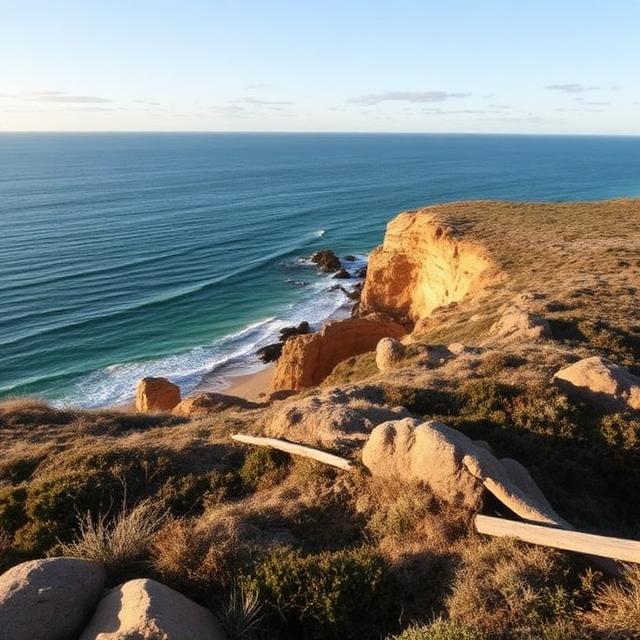
Albany is a premier southern fishing destination known for its cooler waters and seasonal runs. It’s especially famous for attracting large southern bluefin tuna. The region offers a different experience compared to tropical northern waters. Anglers visit during migration seasons for the best chances at trophy fish. It’s one of Australia’s top tuna fishing locations.
Types of Fish: Southern bluefin tuna are the main target, along with yellowtail kingfish, snapper, and other cool-water species. The tuna here are known for their size and strength. Seasonal runs create peak fishing opportunities. Other species provide variety throughout the year. This makes Albany a specialized but rewarding destination.
Where to Fish: The best fishing takes place in offshore waters of the Southern Ocean. Deep sea areas and migration routes are key hotspots. Many charters head far offshore to locate tuna schools. Drop-offs and current zones are highly productive. These locations offer some of the best tuna fishing in Australia.
New South Wales: Easy Access and Variety
New South Wales offers a mix of accessible fishing spots with a wide range of species.
Sydney
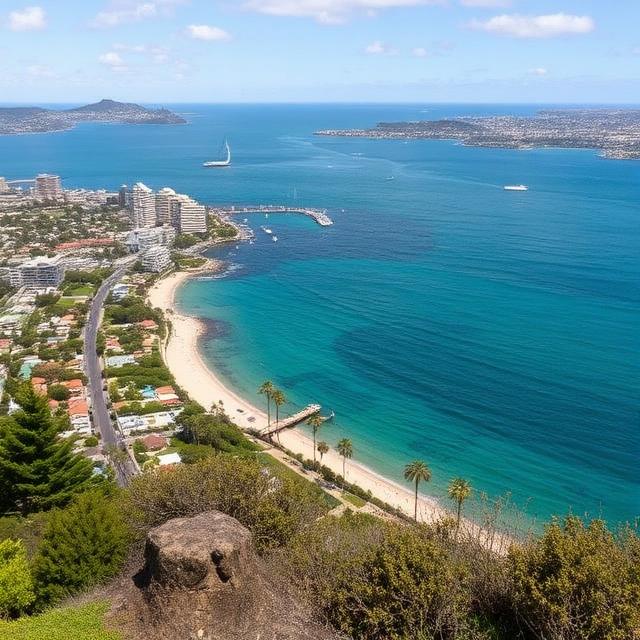
Sydney is one of Australia’s most accessible deep sea fishing hubs, with productive offshore waters just a short boat ride from the city. Its coastal drop-offs and reefs attract a wide range of game fish throughout the year. The area is well supported by experienced charter operators, making offshore trips easy to arrange. Anglers benefit from both convenience and consistent fishing conditions. It’s a top choice for urban-based deep sea fishing adventures.
Types of Fish: Common catches include black marlin, yellowfin tuna, kingfish, mahi-mahi, wahoo, and snapper. The mix of pelagic and reef species provides varied fishing action. Kingfish are especially popular due to their strength and speed. Seasonal runs also bring in larger marlin and tuna. This diversity makes Sydney a reliable fishing destination year-round.
Where to Fish: The best fishing takes place along offshore reefs, seamounts, and drop-offs off the coast of Sydney. Popular areas include the continental shelf and deeper offshore waters. Reef edges and current lines are key hotspots for pelagic fish. Many charters head just a short distance offshore to reach productive zones. These accessible locations make fishing efficient and rewarding.
Port Stephens
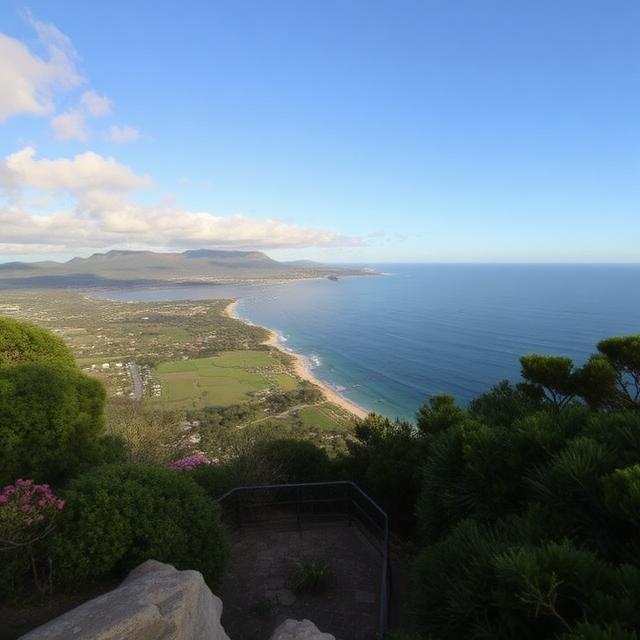
Port Stephens is one of Australia’s most famous marlin fishing destinations, attracting anglers from around the world. Its offshore waters are highly productive, especially during seasonal marlin runs. The region also offers excellent reef and bottom fishing opportunities. With a strong charter industry, it caters to both beginners and experienced anglers. It’s a standout location on the New South Wales coast.
Types of Fish: Anglers can target black marlin, blue marlin, yellowfin tuna, snapper, kingfish, and mahi-mahi. Marlin are the main highlight during peak season. Reef species also provide consistent action throughout the year. Tuna and kingfish add variety to offshore trips. This makes Port Stephens a highly diverse fishing destination.
Where to Fish: Key fishing grounds include offshore waters and reef systems off Port Stephens. The continental shelf is a major hotspot for marlin and tuna. Reef edges and underwater structures attract snapper and kingfish. Many charters travel slightly offshore to reach deep pelagic zones. These areas are known for producing trophy fish.
Coffs Harbour
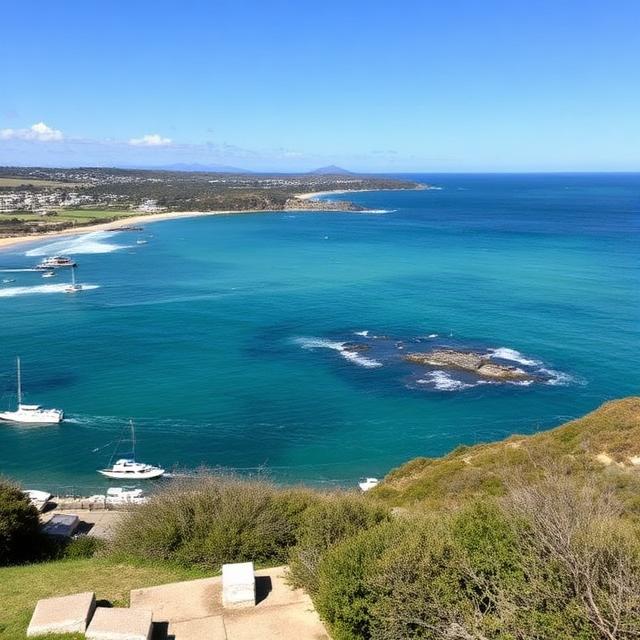
Coffs Harbour is a reliable and consistent game fishing destination on Australia’s east coast. Its offshore waters are rich in pelagic species and supported by a strong charter fleet. Anglers appreciate the variety of fishing available year-round. The region is especially known for its stable fishing conditions. It’s a popular stop for both recreational and serious anglers.
Types of Fish: Common catches include marlin, yellowfin tuna, mahi-mahi, wahoo, and kingfish. Reef species such as snapper and pearl perch are also abundant. Seasonal migrations bring larger game fish close to shore. The diversity supports both sport and reef fishing. This makes Coffs Harbour highly productive.
Where to Fish: Fishing is best along offshore reefs and drop-offs near Coffs Harbour. The continental shelf is a major hotspot for pelagic species. Reef edges and current lines attract feeding fish. Many charters reach productive waters quickly due to proximity. These locations provide consistent offshore action.
Byron Bay
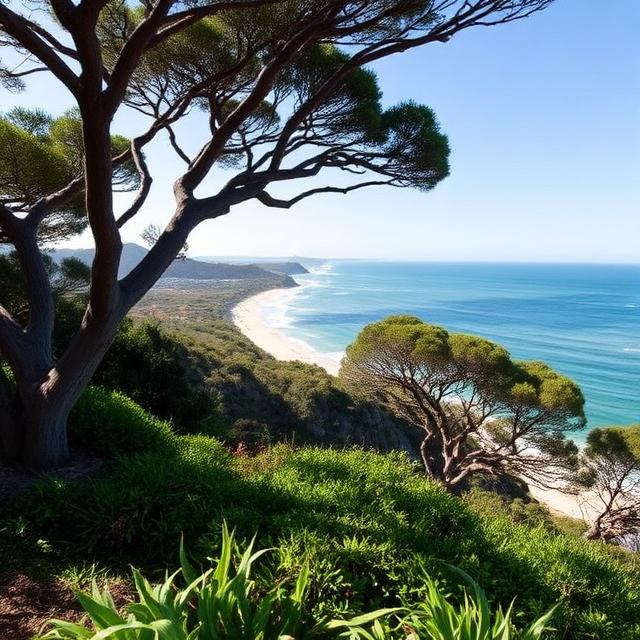
Byron Bay is known for its scenic coastline and strong offshore fishing opportunities. The nearby drop-offs bring pelagic species close to shore. It’s a popular destination for anglers who want both fishing and natural beauty. The waters are productive, especially during seasonal runs. It offers a relaxed yet exciting fishing experience.
Types of Fish: Anglers can target marlin, tuna, mahi-mahi, kingfish, and wahoo. Reef fish like snapper are also common in nearby waters. Seasonal changes greatly influence species availability. Pelagic fish are the main attraction offshore. This variety keeps fishing interesting throughout the year.
Where to Fish: The best fishing is found along offshore reefs and drop-offs off Byron Bay. The continental shelf is a prime zone for big game fish. Current lines and bait schools attract predators. Many charters fish relatively close to shore due to steep underwater drop-offs. These areas provide strong offshore action.
Batemans Bay
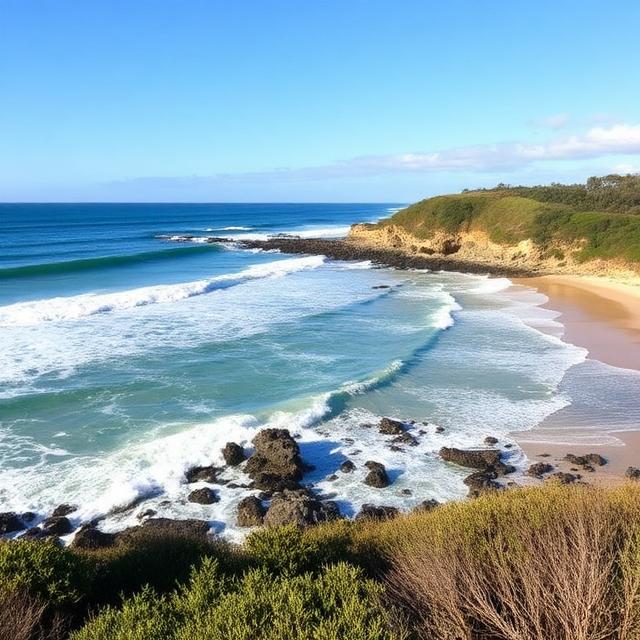
Batemans Bay is a productive fishing region known for its rich coastal waters and scenic environment. It offers a mix of offshore game fishing and inshore reef action. Anglers enjoy consistent catches throughout the year. The area is less crowded than major cities, providing a relaxed experience. It’s a solid destination for southern New South Wales fishing.
Types of Fish: Common catches include yellowfin tuna, snapper, marlin, kingfish, and flathead. Reef species are abundant closer to shore. Offshore waters bring pelagic species during seasonal runs. The variety supports both light and heavy tackle fishing. This makes Batemans Bay versatile and rewarding.
Where to Fish: Fishing is best along offshore reefs and continental shelf waters near Batemans Bay. Reef edges and underwater structures are highly productive. Deeper offshore zones attract tuna and marlin. Estuary mouths also provide good fishing opportunities. These diverse locations offer consistent results.
Victoria: Cool-Water Giants
Victoria’s cooler waters attract some of the largest fish in southern Australia.
Portland

Portland is one of Australia’s premier southern bluefin tuna destinations, attracting anglers during peak seasonal runs. The deep, cold waters just offshore create ideal conditions for large pelagic fish. Strong currents and productive offshore zones make it a consistent hotspot for trophy catches. Many experienced charter operators run trips specifically targeting tuna schools. It’s widely regarded as a top big-game fishing location in Victoria.
Types of Fish: Southern bluefin tuna are the main target, along with yellowtail kingfish, albacore tuna, and occasional shark species. Kingfish are especially prized for their strength and fight. Seasonal migrations bring large schools of tuna close to shore. Other pelagic species may also appear depending on conditions. This creates high-intensity, action-packed fishing opportunities.
Where to Fish: The best fishing is found in offshore waters of the Southern Ocean near Portland. Drop-offs, deepwater canyons, and current lines are key hotspots. Many charters head several kilometers offshore to locate tuna schools. Bait-rich zones attract large pelagic predators. These offshore areas are what make Portland a world-class tuna fishery.
Lakes Entrance
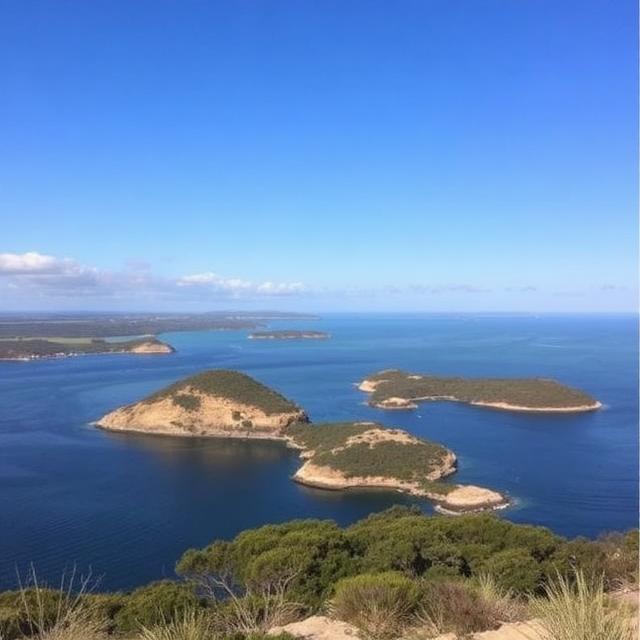
Lakes Entrance is a well-known fishing destination offering access to both estuary and offshore waters. Its coastal reefs and nearby drop-offs support a wide variety of fish species. The area is popular with anglers looking for consistent action rather than extreme offshore runs. It has a strong local fishing culture and charter industry. This makes it a reliable all-round fishing location in Victoria.
Types of Fish: Common catches include snapper, kingfish, flathead, gummy shark, and salmon. Reef species are abundant offshore, especially during peak seasons. Kingfish are highly sought after for sport fishing. Seasonal migrations bring additional pelagic species. This diversity supports both beginners and experienced anglers.
Where to Fish: Fishing is best around offshore reefs and drop-offs near Lakes Entrance. The entrance to the Gippsland Lakes also provides productive estuary fishing. Reef structures and sandy bottoms hold snapper and flathead. Offshore waters attract kingfish and shark species. These varied environments make fishing flexible and rewarding.
Apollo Bay
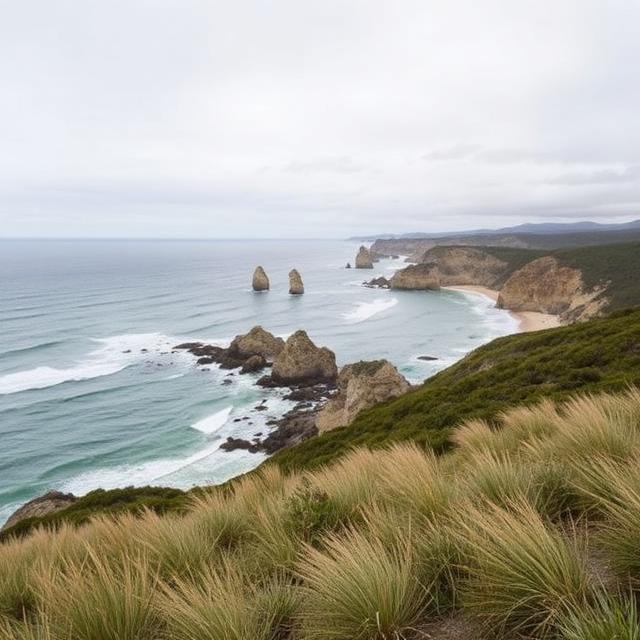
Apollo Bay is a scenic coastal destination that also offers excellent offshore fishing opportunities. The nearby deep waters of the continental shelf provide access to large pelagic species. Anglers often combine fishing trips with the region’s natural beauty. The area is less crowded, offering a more relaxed fishing experience. It’s a strong choice for both adventure and scenery.
Types of Fish: Bluefin tuna are the primary target, along with albacore tuna, kingfish, and reef species like snapper. Seasonal runs bring larger pelagic fish closer to shore. Reef fish add variety to local fishing trips. The mix of species supports both light and heavy tackle fishing. This makes Apollo Bay versatile and rewarding.
Where to Fish: The best fishing is along offshore waters of the Southern Ocean and the nearby continental shelf. Drop-offs and deepwater currents are key fishing zones. Many anglers travel offshore to locate tuna schools. Reef edges closer inshore also produce good catches. These locations combine accessibility with strong fishing potential.
South Australia and Tasmania: Southern Treasures
The southern states offer unique fishing experiences with prized species.
Port Lincoln
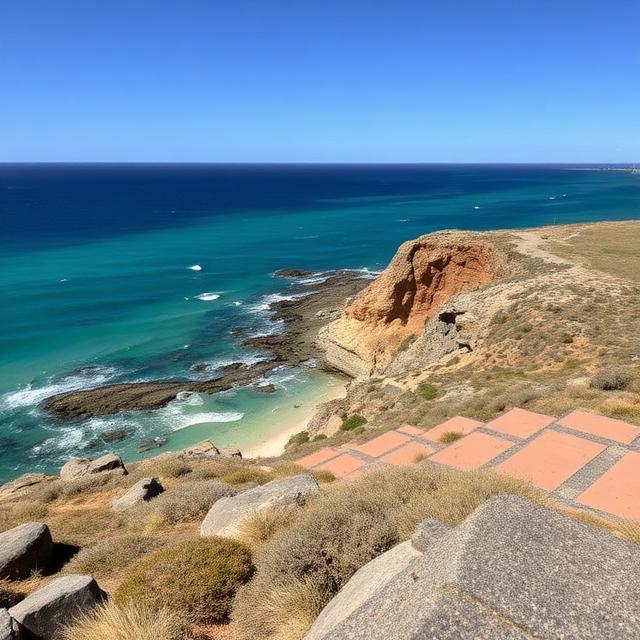
Port Lincoln is widely known as the tuna capital of Australia, famous for its world-class southern bluefin tuna fishery. The region’s strong fishing industry and experienced charter operators make it a top destination for offshore anglers. Its waters are deep, productive, and closely linked to seasonal tuna migrations. The town has a long-standing fishing culture, with infrastructure built around commercial and recreational fishing. It’s considered one of the best places in the world for big-game tuna fishing.
Types of Fish: Southern bluefin tuna are the main target, along with yellowtail kingfish, snapper, trevally, and occasional shark species. Kingfish are especially popular due to their power and size. Seasonal runs bring large schools of tuna close to shore. Other pelagic species may appear depending on ocean conditions. This creates intense and highly rewarding fishing action.
Where to Fish: The best fishing is in offshore waters of the Great Australian Bight near Port Lincoln. Deep drop-offs, current lines, and bait-rich zones are key hotspots. Many charters travel offshore to locate tuna schools. Offshore reefs and shelf waters are especially productive. These areas make Port Lincoln a premier global tuna fishing destination.
Hobart
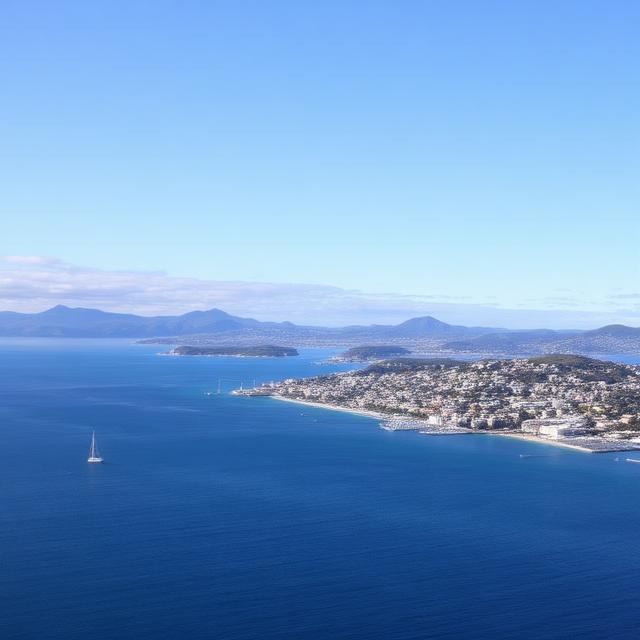
Hobart is a premier southern fishing destination known for its cool, nutrient-rich waters and strong pelagic fisheries. It offers a completely different experience compared to tropical northern Australia. The region is especially famous for southern bluefin tuna and seasonal striped marlin. Its offshore waters are deep, productive, and influenced by strong ocean currents. Hobart is a key hub for serious southern game fishing.
Types of Fish: Southern bluefin tuna are the main target, along with striped marlin, albacore tuna, yellowtail kingfish, and reef species like flathead and snapper. Seasonal migrations bring large pelagic fish into Tasmanian waters. Kingfish are highly valued for their strength. Reef species add variety closer to shore. This mix makes Hobart a diverse fishing destination.
Where to Fish: The best fishing is found in offshore waters of the Tasman Sea and along the continental shelf near Hobart. Deepwater drop-offs and current lines are key feeding zones. Many charters head offshore to track tuna schools. Coastal reefs and estuaries also provide productive inshore fishing. These varied locations support both sport and recreational fishing opportunities.
Conclusion
Australia is one of the world’s top destinations for deep sea fishing, offering everything from tropical reef fishing in the north to cold-water tuna fishing in the south. Locations like Cairns, Exmouth, and Port Lincoln stand out for world-class game fish such as marlin, sailfish, and southern bluefin tuna. Each region offers unique species, techniques, and scenery, making it suitable for both beginners and experienced anglers. Whether you prefer reef fishing close to shore or offshore deep-sea adventures, Australia provides consistent and exciting opportunities year-round. Overall, it is a true paradise for anglers seeking variety and trophy catches.
FAQ
What is the best deep sea fishing spot in Australia?
Cairns and Port Lincoln are often considered the best—Cairns for marlin and Port Lincoln for southern bluefin tuna.
When is the best time for deep sea fishing in Australia?
It depends on the region:
- North (Cairns, Darwin): year-round, best in warmer months
- East coast (Sydney, Port Stephens): summer to early autumn
- South (Port Lincoln, Hobart): cooler months for tuna runs
What fish can you catch in Australia?
You can catch marlin, tuna, sailfish, kingfish, snapper, coral trout, barramundi, and many more depending on location.
Do you need a fishing license in Australia?
Yes, most states require a recreational fishing license, but rules vary by region and sometimes by charter trips.
Is deep sea fishing in Australia good for beginners?
Yes, many charter operators provide all gear, guidance, and safety support, making it beginner-friendly.





Leave a Reply