Argentina offers some of the most varied and stunning coastal and Patagonian landscapes in the world. From the bustling beaches of the Buenos Aires coast to the wild, windswept shores of Southern Patagonia, each region presents unique experiences for travelers. Whether you seek vibrant city beaches, quiet fishing villages, or dramatic natural reserves, Argentina’s coastline and Patagonia deliver unforgettable adventures. This guide highlights 25 top destinations across Northern Argentina, the Central Coast, Northern Patagonia, Central Patagonia, and Southern Patagonia.
Northern Argentina: Beaches Near Buenos Aires
The northern coast near Buenos Aires is a popular getaway for locals and tourists alike. It combines lively beach towns with quieter spots perfect for relaxation.
Mar del Plata
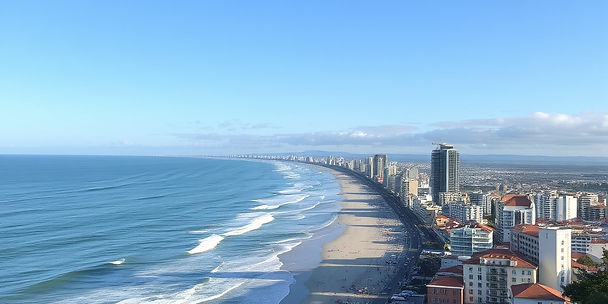
Mar del Plata is Argentina’s most famous beach city and a major hub for tourism and coastal activities. It features wide sandy beaches, a vibrant boardwalk, and a strong mix of entertainment, dining, and nightlife. The city attracts families, young travelers, and anglers alike thanks to its developed infrastructure. Its port also supports offshore fishing charters and fresh seafood markets.
Where to fish: Offshore waters beyond Mar del Plata harbor, reef structures along the continental shelf, and deep-sea charter zones targeting tuna, shark, and bonito.
Necochea
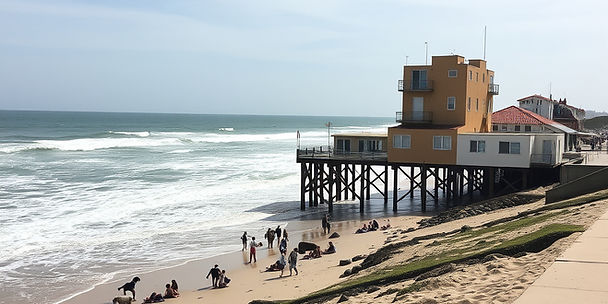
Known for its long beaches and rolling dunes, Necochea offers a quieter and more nature-focused coastal experience. It’s ideal for visitors who enjoy fishing, water sports, and relaxed seaside environments without large crowds. The coastline is expansive, with plenty of access points for both shore and boat fishing. The nearby river system also enhances local biodiversity.
Where to fish: Nearshore surf zones, offshore sandy-bottom areas, and waters near the Quequén River mouth.
Quequén
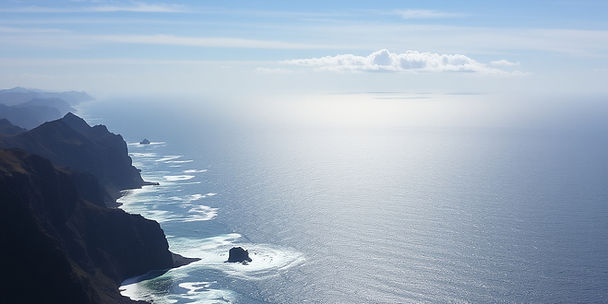
Quequén is a small port town located near Necochea, known for its strong fishing industry and fresh seafood. The area offers a peaceful coastal setting with working harbor views and uncrowded beaches. Its proximity to both ocean and river systems makes it productive for anglers. The local waters are rich in baitfish, attracting larger species.
Where to fish: Harbor entrance channels, offshore fishing grounds near the port, and estuary zones along the Quequén River.
Miramar
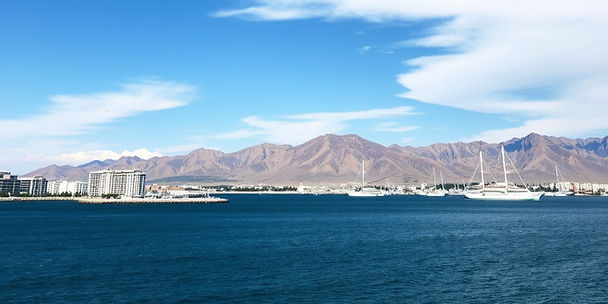
Miramar is a relaxed seaside town with calm beaches and a family-friendly atmosphere. It is especially popular with families and retirees looking for a quieter alternative to busier resorts. The surrounding natural areas, including forests and coastal zones, add to its appeal. Fishing conditions are steady and accessible year-round.
Where to fish: Coastal surf fishing areas, nearshore reefs, and offshore waters accessible by small boat charters.
San Clemente del Tuyú
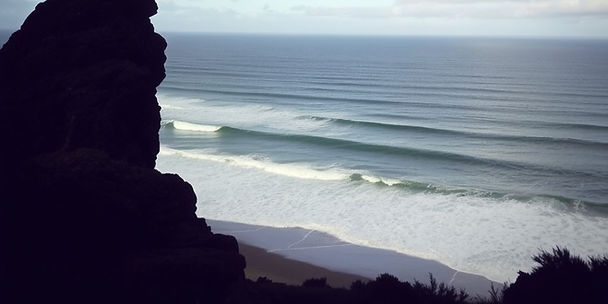
San Clemente del Tuyú is known for its family-oriented attractions, including marine parks and wide, open beaches. The town offers a quieter coastal experience with less crowding than major resort cities. Its long shoreline provides excellent access for shore-based fishing. The nearby bay and tidal movements create productive fishing conditions.
Where to fish: Bahía Samborombón coastal waters, surfcasting zones along the beach, and nearshore channels where fish feed on tidal flows.
Central Coast: Hidden Gems of Buenos Aires Province
The Central Coast features smaller towns with charming beaches and natural beauty, often overlooked by international tourists.
Bahía Blanca
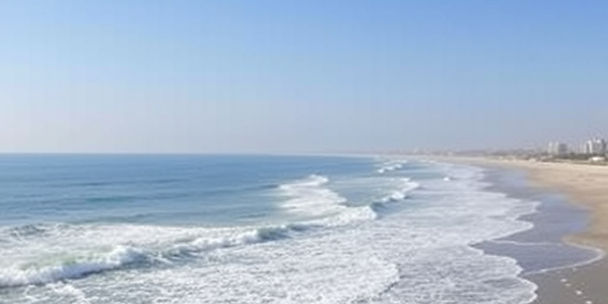
Bahía Blanca is a major port city that blends urban culture with strong coastal access. It serves as an important gateway to nearby beaches and marine ecosystems along Argentina’s Atlantic coast. The surrounding waters are influenced by tidal movement and nutrient-rich currents, supporting a variety of fish species. The area also has a developed port infrastructure, making it suitable for both commercial and recreational fishing.
Where to fish: Bahía Blanca estuary channels, offshore waters toward the continental shelf, and nearshore fishing zones around the port entrance.
Monte Hermoso
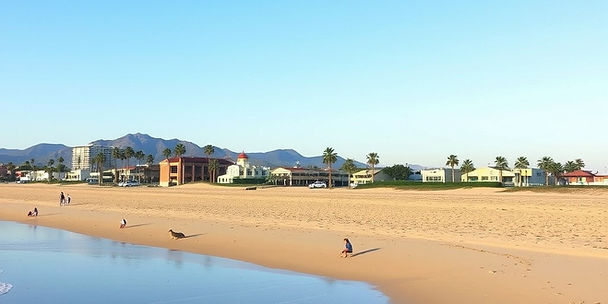
Monte Hermoso is known for its long, sandy beaches and a rare coastal phenomenon where the sun rises and sets over the ocean. It has a relaxed, family-friendly atmosphere that attracts visitors looking for quiet coastal experiences. The shoreline is wide and open, making it ideal for recreational fishing and beach activities. Seasonal conditions bring steady fish movement close to shore.
Where to fish: Surfcasting along the main beach, nearshore sandbanks, and shallow coastal waters influenced by tidal shifts.
Pehuen-Có
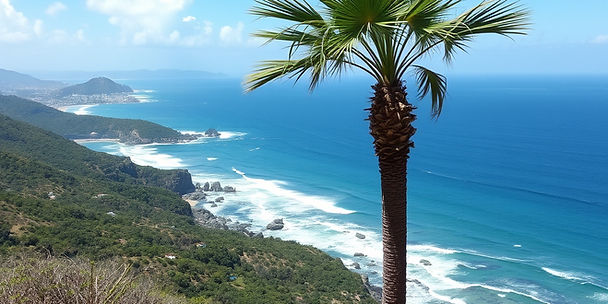
Pehuen-Có is a peaceful coastal town surrounded by dunes, pine forests, and unspoiled natural landscapes. It is especially popular with nature lovers and those seeking a quiet fishing environment. The coastline is relatively untouched, offering clean waters and low fishing pressure. Birdwatching and coastal exploration are also key attractions in the area.
Where to fish: Dune-backed surf beaches, shallow coastal reefs, and low-traffic shoreline fishing zones.
Puerto Rosales
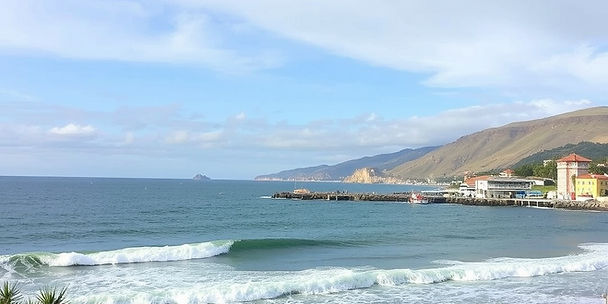
Puerto Rosales is a small but strategically important port area with rugged coastline and strong maritime activity. It attracts anglers due to its mix of industrial harbor structures and natural coastal waters. The surrounding environment supports diverse marine life influenced by estuarine and oceanic currents. It’s a good spot for anglers looking for less crowded waters.
Where to fish: Harbor entrance zones, rocky shoreline areas, and deeper waters extending from the port channel.
Carmen de Patagones
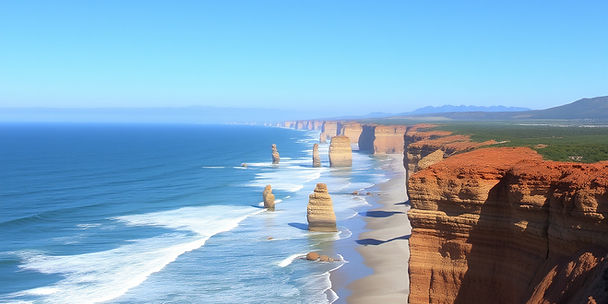
Carmen de Patagones is the oldest town in Patagonia and sits along the southern edge of Buenos Aires province, overlooking the Río Negro. It combines historical colonial architecture with scenic riverfront views. The nearby waters are influenced by both river and coastal ecosystems, creating diverse fishing conditions. The area is quieter and offers a mix of freshwater and brackish fishing opportunities.
Where to fish: Río Negro riverbanks, estuarine transition zones, and coastal waters near the river mouth.
Northern Patagonia: Rugged Shores and Wildlife
Northern Patagonia’s coastline is known for its dramatic cliffs, wildlife, and outdoor activities.
San Antonio Oeste
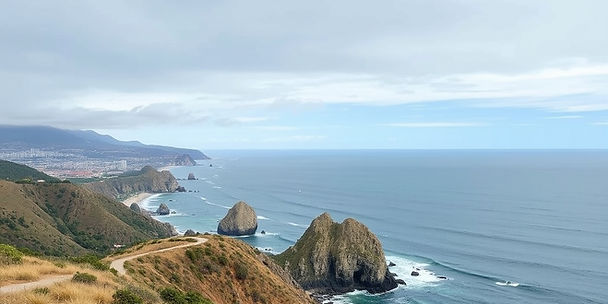
San Antonio Oeste is a traditional fishing town with strong ties to Argentina’s coastal industry and access to rich marine ecosystems. It sits near protected areas and serves as a gateway to the broader Patagonian coastline. The surrounding waters are influenced by tidal currents and nutrient flows, creating productive fishing conditions year-round. It’s also a starting point for exploring nearby reserves and coastal wildlife zones.
Where to fish: San Matías Gulf waters, coastal bays near the town, and offshore zones leading toward Península Valdés.
Las Grutas
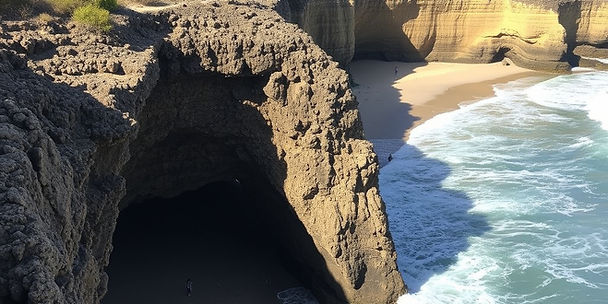
Las Grutas is known for having some of the warmest waters along Argentina’s coastline, making it popular for both tourism and fishing. The area features cliffs, sea caves, and sandy beaches that create diverse marine habitats. Calm conditions during certain seasons make it accessible for both beginners and experienced anglers. It’s a lively destination with strong seasonal fish activity.
Where to fish: Rocky outcrops near the caves, surfcasting zones along the beaches, and nearshore waters within San Matías Gulf.
Viedma
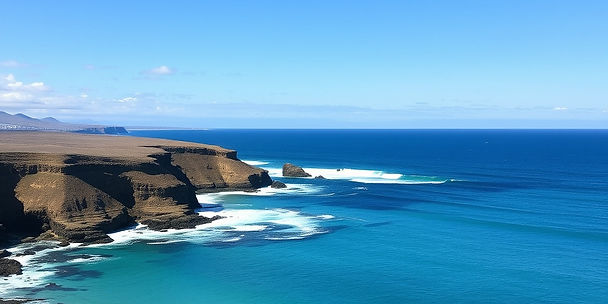
Viedma, the capital of Río Negro province, sits along the Río Negro and offers a mix of river and coastal fishing environments. The blend of freshwater and saltwater systems supports a wide variety of species. It’s a good base for anglers who want flexibility between inland and offshore fishing. The surrounding region also includes protected natural areas and scenic landscapes.
Where to fish: Río Negro riverbanks, estuary zones near the river mouth, and nearby Atlantic coastal waters.
El Cóndor
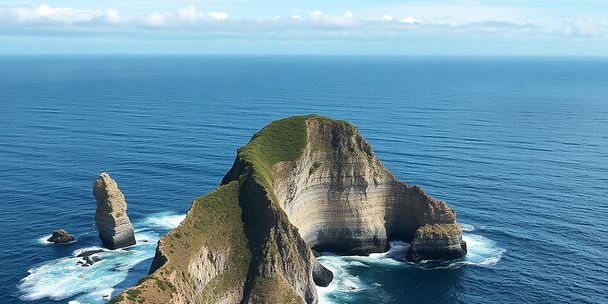
El Cóndor is a quiet coastal village famous for its dramatic cliffs and large seabird colonies. The area offers a peaceful setting with relatively low fishing pressure. Strong coastal currents and natural formations create ideal feeding grounds for fish. It’s especially appealing for anglers who prefer remote and scenic environments.
Where to fish: Cliffside casting areas, surf fishing along the beach, and nearshore current zones where baitfish gather.
Puerto San Antonio Este
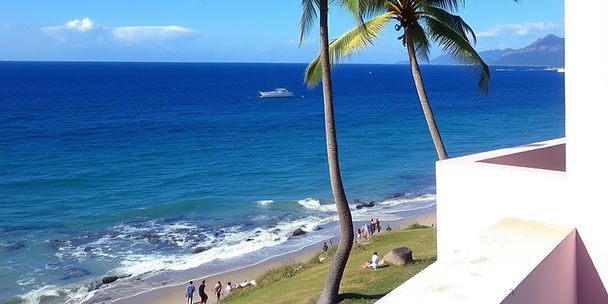
Puerto San Antonio Este is a small but important port that provides access to rich offshore waters and marine wildlife areas. It’s often used as a departure point for fishing trips and ocean excursions. The surrounding coastline is quiet, with clean waters and minimal development. The area supports both recreational fishing and wildlife experiences like whale watching.
Where to fish: Deep waters within San Matías Gulf, offshore fishing grounds beyond the port, and coastal zones with strong tidal movement.
Central Patagonia: Wildlife and Natural Wonders
Central Patagonia’s coast is rich in marine life and natural parks, offering unique experiences for nature lovers.
Puerto Madryn
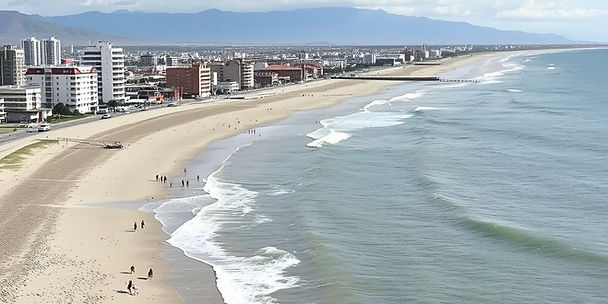
Puerto Madryn is the main gateway to one of Argentina’s richest marine regions and a hub for coastal and offshore fishing. Located along the Golfo Nuevo, its waters are calm yet highly productive, supporting a wide range of species. The area is globally known for marine wildlife, including whales, sea lions, and penguins, which thrive in the same nutrient-rich environment that benefits anglers. It also offers strong infrastructure for charters and fishing trips.
Where to fish: Golfo Nuevo waters, offshore zones along the continental shelf, and coastal areas near Punta Loma.
Península Valdés
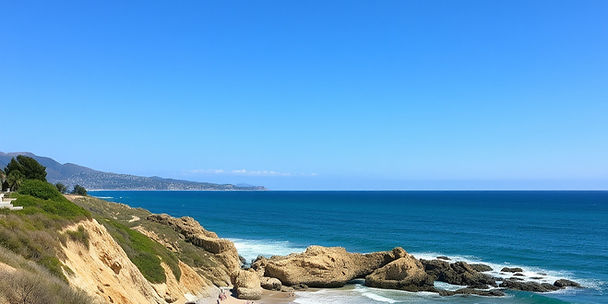
Península Valdés is a UNESCO World Heritage site and one of the most biologically diverse coastal areas in South America. The surrounding waters are shaped by strong currents and tidal flows that attract large marine species. It’s a unique destination where fishing overlaps with world-class wildlife observation. Conditions vary by season, but productivity remains high throughout the year.
Where to fish: Offshore waters around Golfo San José and Golfo Nuevo, coastal drop-offs near the peninsula edges, and deep channels where large species feed.
Rawson
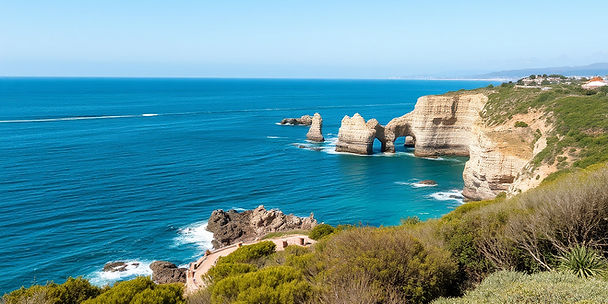
Rawson, the capital of Chubut province, sits near the mouth of the Chubut River and offers a mix of river and ocean fishing opportunities. The surrounding coastline is less crowded, providing a relaxed environment for anglers. Nutrient flow from the river supports diverse marine life just offshore. The town also offers cultural attractions and insight into the region’s maritime history.
Where to fish: Chubut River mouth, estuarine transition zones, and nearby offshore waters.
Playa Unión
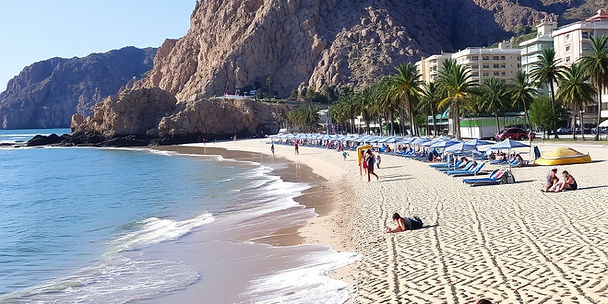
Playa Unión is a coastal village known for its long sandy beach and consistent fishing conditions. It is especially popular for surfcasting and light-tackle fishing. The area offers a peaceful atmosphere with strong tidal movement that brings fish close to shore. It’s also a great location for sunset fishing sessions.
Where to fish: Surfcasting along the main beach, nearshore sandbanks, and coastal current lines.
Comodoro Rivadavia
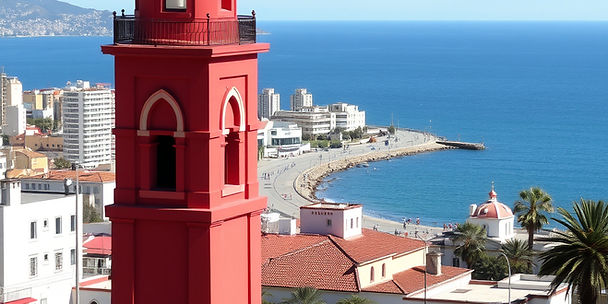
Comodoro Rivadavia is a larger coastal city that blends industrial activity with access to productive fishing waters. The surrounding coastline features a mix of cliffs, beaches, and deeper offshore zones. Strong currents and cold waters create good conditions for both bottom and pelagic species. It’s a practical base for anglers looking for both amenities and fishing access.
Where to fish: Offshore waters along the Patagonian shelf, rocky coastal areas, and deeper zones influenced by cold ocean currents.
Southern Patagonia: Remote Beauty and Adventure
Southern Patagonia features some of the most remote and wild coastal areas in Argentina, perfect for travelers seeking solitude and dramatic landscapes.
Puerto Deseado
Puerto Deseado is a remote coastal town known for its rugged beauty and rich marine ecosystem. The surrounding waters are influenced by strong tides and cold currents, creating excellent conditions for fishing. The area is also home to diverse wildlife, including penguins and sea lions, which thrive in the same nutrient-rich environment. Its isolation means less fishing pressure and more pristine conditions.
Where to fish: Deseado River estuary, offshore coastal waters, and rocky shoreline zones where fish gather.
Puerto San Julián
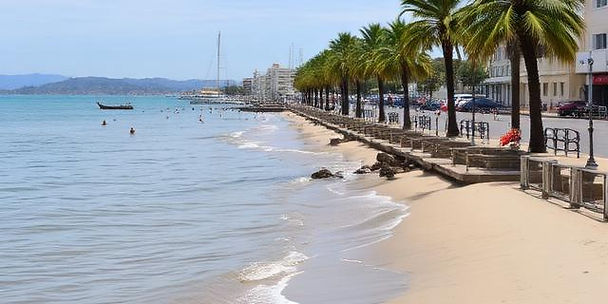
Puerto San Julián is a historic coastal town with deep natural harbors and calm bay waters. The region is known for its connection to early exploration voyages and its quiet, scenic coastline. The marine environment supports a variety of fish species due to steady tidal movement. It’s a peaceful location with consistent fishing opportunities.
Where to fish: San Julián Bay, nearshore coastal waters, and deeper offshore zones beyond the bay.
Río Gallegos
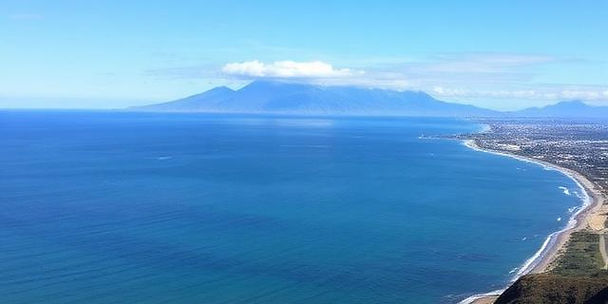
Río Gallegos is the capital of Santa Cruz province and offers a mix of urban access and wild coastal environments. The nearby river and ocean systems create productive fishing grounds influenced by strong tides. The area is also close to natural reserves, adding to its ecological diversity. Conditions can be challenging, but rewards are high for experienced anglers.
Where to fish: Río Gallegos estuary, coastal Atlantic waters, and tidal channels where fish concentrate.
Puerto Santa Cruz
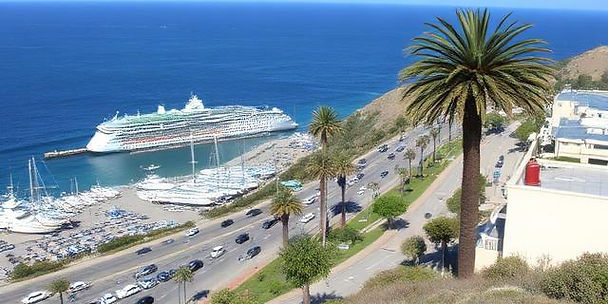
Puerto Santa Cruz is a quiet and historic town located along the Santa Cruz River near the Atlantic Ocean. The combination of river and sea creates diverse fishing conditions with both freshwater and saltwater species. The area remains largely untouched, offering a peaceful and uncrowded fishing experience. It’s ideal for anglers who enjoy remote destinations.
Where to fish: Santa Cruz River mouth, estuarine mixing zones, and nearby coastal waters.
Ushuaia
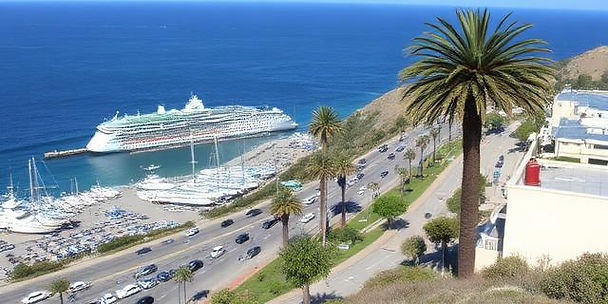
Ushuaia, often called the southernmost city in the world, sits along the Beagle Channel surrounded by mountains and subantarctic waters. The region offers a unique cold-water fishing environment shaped by Antarctic currents. Its dramatic scenery and remote location make it one of the most distinctive fishing destinations on Earth. The area is also a gateway to Antarctic expeditions and marine wildlife encounters.
Where to fish: Beagle Channel waters, offshore zones toward Tierra del Fuego, and deep fjord-like inlets where cold-water species thrive.
Conclusion
Argentina offers an incredible range of deep sea fishing experiences along its vast Atlantic coastline, from the busy waters of Mar del Plata to the remote southern extremes of Ushuaia. Northern and central regions provide accessible, productive fishing with species like bonito and sea bass, while Patagonia is known for colder waters, larger species, and dramatic coastal scenery. Areas such as Península Valdés and Puerto Madryn stand out for their biodiversity and consistent offshore action. Whether you’re after big game fish or a quieter, remote experience, Argentina delivers a diverse and rewarding fishing environment.
Frequently Asked Questions (FAQ)
What is the best time for deep sea fishing in Argentina?
The best time is generally November to April, when warmer waters increase fish activity and offshore conditions are more favorable.
What fish can you catch in Argentina offshore?
Common species include hake, sea bass, bonito, tuna, and shark, with larger cold-water species found in Patagonia.
Where is the best deep sea fishing in Argentina?
Top destinations include Mar del Plata, Puerto Madryn, and Ushuaia.
Is Argentina good for beginners?
Yes. Locations like Mar del Plata offer charters and easy offshore access, making them beginner-friendly.
Do you need a fishing license in Argentina?
Yes, recreational fishing typically requires permits, which vary by province and fishing area.
What makes Argentina unique for deep sea fishing?
Argentina’s mix of warm northern waters and cold Patagonian currents creates diverse fishing conditions, supporting a wide range of species across its coastline.

Leave a Reply