Chile’s long coastline and diverse marine ecosystems make it a top destination for deep sea fishing enthusiasts. From the arid north to the icy waters of Patagonia, the country offers a wide range of fishing experiences. Whether you seek giant tuna, marlin, or unique species found only in Chilean waters, this guide highlights 25 of the best deep sea fishing spots across the country. Prepare your gear and explore these prime locations for unforgettable fishing adventures.
Northern Chile: Rich Waters and Desert Backdrops
Arica
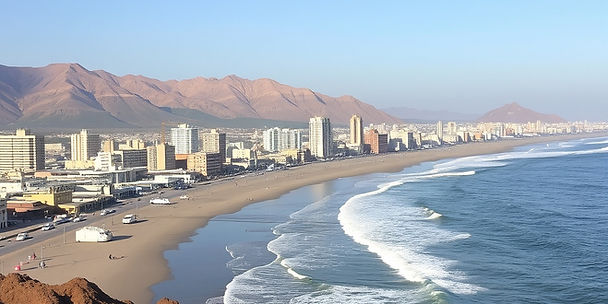
Located near the Peruvian border, Arica offers warm waters and abundant fish like yellowfin tuna and dorado. The Humboldt Current brings nutrients, attracting large pelagic species. The nearby Morro de Arica provides a scenic backdrop for fishing trips.
Where to fish: Offshore waters beyond El Laucho Beach, Morro de Arica drop-offs, and deep-water charter zones heading north toward the border current lines.
Iquique
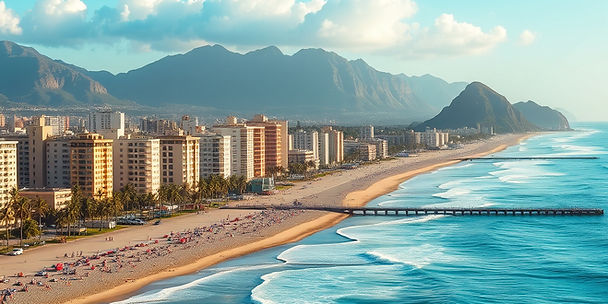
Iquique’s deep waters are home to marlin and sailfish. The port city combines desert landscapes with ocean adventures. Local charters provide expert guides who know the best spots offshore.
Where to fish: Offshore seamounts west of Iquique, deep pelagic zones past Cavancha Bay, and current edges along the continental shelf.
Tocopilla
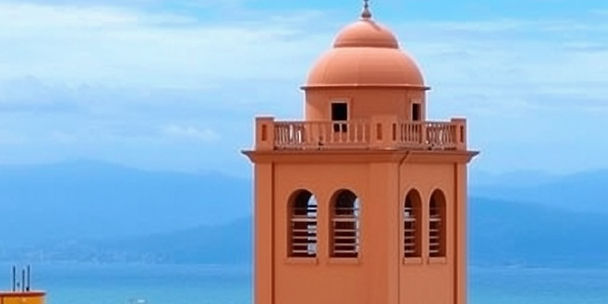
This lesser-known fishing spot features calm waters and a variety of species including bonito and jack mackerel. It’s ideal for anglers seeking a quieter experience.
Where to fish: Nearshore rocky drop-offs, northern offshore drift lines, and bait-rich zones around industrial coastal currents.
Mejillones
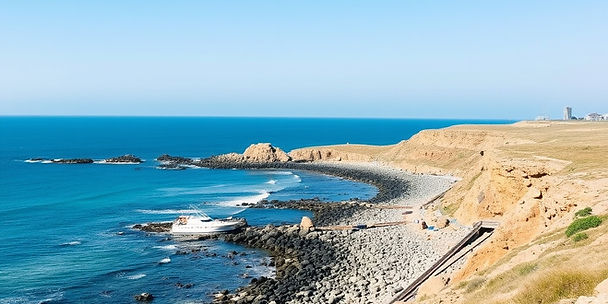
Mejillones Bay is famous for its deep channels and rich marine life. Anglers can expect to catch large sea bass and hake, alongside pelagic species.
Where to fish: Deep channels inside Mejillones Bay, offshore canyon edges, and structure-rich zones around Punta Itata and nearby kelp-lined reefs.
Atacama & Coquimbo Region: Diverse Marine Life and Scenic Bays
Caldera
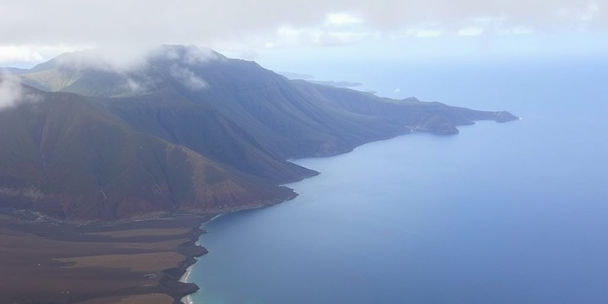
Caldera’s deep waters attract species like kingfish and amberjack. The nearby Bahía Inglesa offers calm bays perfect for launching fishing boats.
Where to fish: Offshore drop-offs west of Caldera, canyon edges beyond Caldera Bay, and deeper structure zones around Punta Calderilla.
Bahía Inglesa
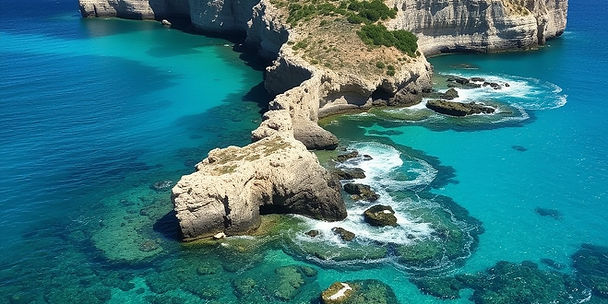
Known for its crystal-clear waters, Bahía Inglesa is a great spot for bottom fishing. Anglers often catch lingcod and other bottom dwellers.
Where to fish: Rocky reefs just offshore, sandy bottom transitions outside the main bay, and shallow-to-deep ledges near Isla Grande de Atacama.
Huasco
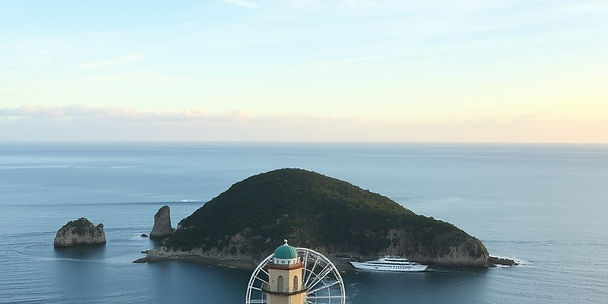
Huasco’s coastal waters are rich in fish due to upwelling currents. It’s a good place to catch bonito and mackerel.
Where to fish: River mouth zones, nearshore current breaks, and offshore drift lines where baitfish concentrate.
La Serena
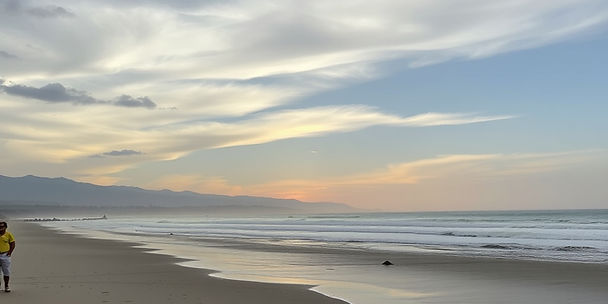
La Serena combines urban amenities with excellent fishing opportunities. Offshore, anglers target species like yellowtail and tuna.
Where to fish: Offshore banks north of La Serena, deep-water zones past Coquimbo shelf edges, and pelagic drift areas.
Coquimbo
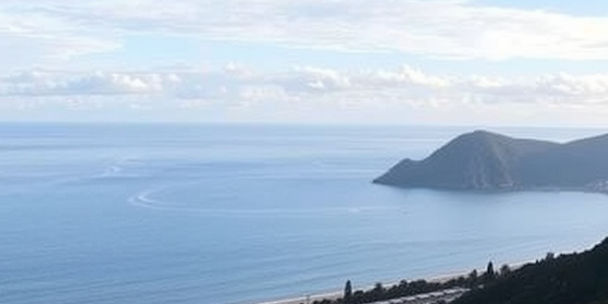
Coquimbo’s deep sea fishing is popular for catching large pelagic fish such as marlin and swordfish. The port city has many experienced fishing guides.
Where to fish: Deep canyon waters west of the port, offshore seamounts, and productive tuna grounds along the continental shelf drop-off.
Los Vilos
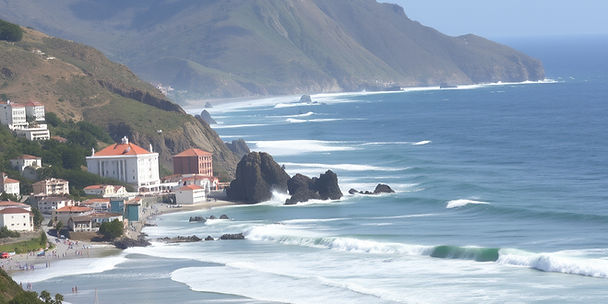
Los Vilos offers access to deep waters teeming with species like hake and sea bass. The area is also known for its beautiful coastal landscapes.
Where to fish: Offshore trenches beyond Punta Chungo, rocky reef systems nearshore, and deep current lines where pelagic species feed.
Central Chile: Classic Fishing Ports
Valparaíso
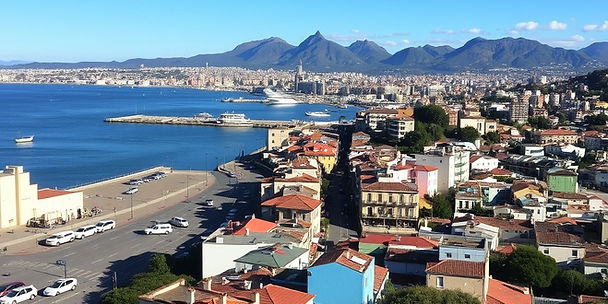
Valparaíso is a historic port with access to deep waters rich in fish. Anglers can catch species like jack mackerel and bonito.
Where to fish: Offshore waters beyond Punta Ángeles, deep pelagic zones west of the port, and structure-rich areas around coastal drop-offs near Viña del Mar.
San Antonio
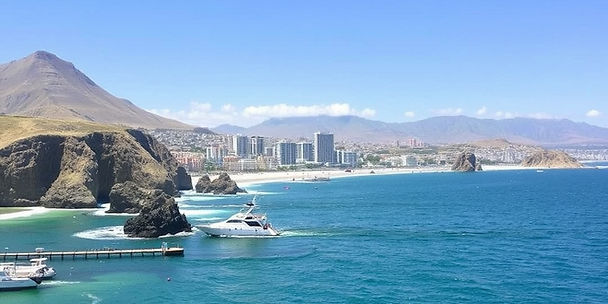
San Antonio’s fishing fleet targets a variety of species offshore. The area is known for its productive waters and good fishing infrastructure.
Where to fish: Offshore shelf break zones west of the harbor, deep-water currents off Punta Panul, and bait-heavy drift lines along the central coast current system.
South-Central Chile: Fjords and Rich Marine Ecosystems
Concepción
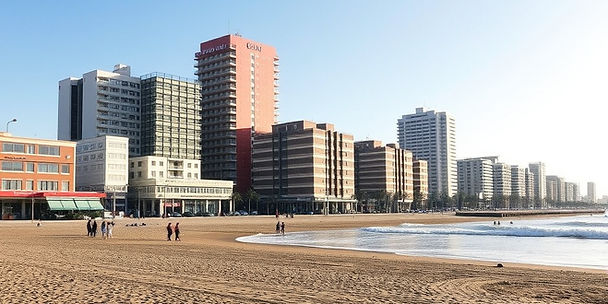
Concepción sits along a productive stretch of Chile’s central-southern coast, where cold Humboldt Current waters support a mix of pelagic and bottom-dwelling species. The region benefits from nutrient-rich upwellings that attract baitfish and larger predators throughout the year. Local waters are known for consistent fishing conditions and relatively easy access from shore or short boat trips. Species like hake and sea bass are commonly caught here, along with seasonal pelagic visitors.
Where to fish: Offshore waters west of the Bay of Concepción, deep channels near Isla Quiriquina, and continental shelf drop-offs beyond Punta de Parra.
Talcahuano
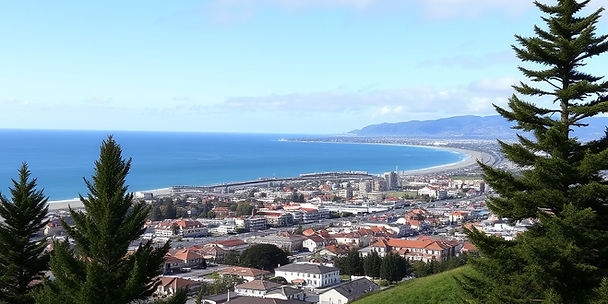
Talcahuano is one of the most important fishing ports in Chile and provides direct access to productive offshore fishing grounds. The surrounding waters are influenced by strong currents that bring in nutrients and attract a wide range of fish species. It’s a working harbor with experienced crews and established fishing infrastructure. Anglers can target both bottom species and pelagic fish depending on the season. Common catches include kingclip and hake.
Where to fish: Offshore canyon zones outside the harbor entrance, deep-water structure near Isla Quiriquina, and productive pelagic currents along the bay mouth.
Coronel
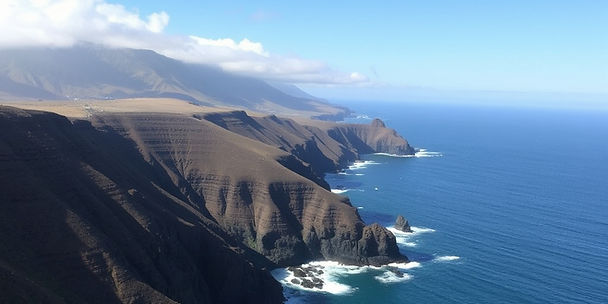
Coronel offers quieter fishing conditions compared to nearby larger ports, making it appealing for anglers who prefer less crowded waters. The coastal ecosystem is highly productive due to nutrient-rich currents and rocky seabed structures. Bottom fishing is especially strong in this area, with steady opportunities throughout the year. The coastline also provides easy access to both shore and boat fishing spots.
Where to fish: Nearshore rocky reefs south of the port, deeper shelf edges offshore, and bottom-fishing zones along the central-southern coastal drop-off.
Valdivia
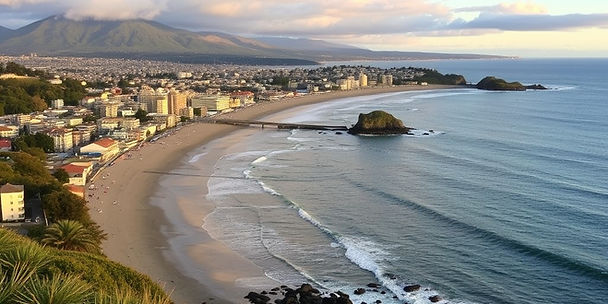
Valdivia is shaped by a unique mix of river systems and coastal ocean waters, creating highly diverse fishing environments. Freshwater outflows from major rivers meet the Pacific, supporting rich estuarine ecosystems. This combination attracts both freshwater and saltwater species, making it a versatile fishing destination. Anglers often target salmon and trout nearshore, while deeper offshore waters hold larger marine species. The area is especially scenic, with strong ecological diversity.
Where to fish: River mouth zones at the Calle-Calle and Valdivia rivers, coastal estuary channels, and offshore waters beyond Corral Bay where colder currents support larger fish.
Northern Patagonia: Lakes, Fjords, and Deep Sea Riches
Puerto Montt
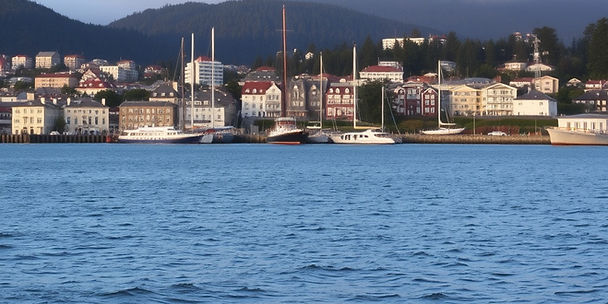
Puerto Montt is the main gateway to Chilean Patagonia’s fjords and offshore fishing grounds. The surrounding waters are shaped by channels, islands, and deep fjords that create highly productive marine ecosystems. Cold, nutrient-rich currents support both migratory and resident fish species throughout the year. It is one of the most important hubs for sport fishing in southern Chile. Anglers here commonly target coho salmon and Chilean sea bass, along with other deep-water species.
Where to fish: Reloncaví Sound, offshore fjords toward Chiloé Channel, and deep drop-offs beyond Tenglo Island.
Ancud
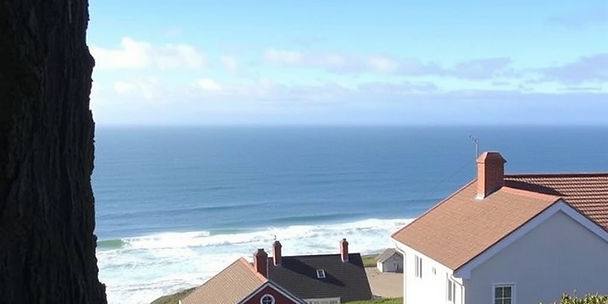
Ancud sits on the northern edge of Chiloé Island and offers direct access to productive Pacific waters. The area is influenced by cold currents and strong tidal movement, which bring in nutrient-rich water and attract fish. Its coastline includes rocky structures, kelp beds, and deep channels ideal for fishing. Conditions here support consistent catches for both shore and boat anglers. Common species include hake and kingclip.
Where to fish: Coastal rocky points around Ancud Bay, offshore channels along the Chiloé coastline, and deeper waters toward the Pacific entrance.
Castro
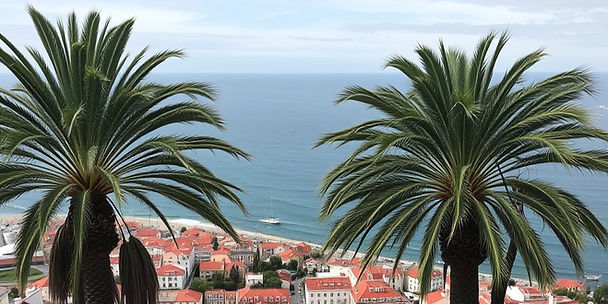
Castro is located in the heart of Chiloé Island and benefits from a highly diverse marine environment. The mix of sheltered bays and open ocean access creates strong fishing conditions year-round. The waters are rich in nutrients, supporting a wide variety of fish species. Local fishing often combines nearshore and deeper-water techniques depending on weather conditions. Anglers commonly catch sea bass and hake in this region.
Where to fish: Inland fjord channels around Castro Bay, offshore waters toward Lemuy Island, and reef systems along the eastern Chiloé coastline.
Quellón
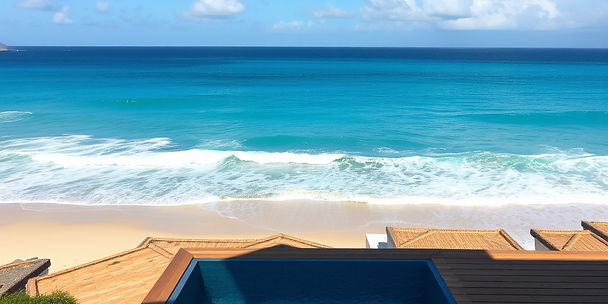
Quellón is one of the southernmost fishing hubs on Chiloé Island and offers access to remote, deep Pacific waters. The area is less developed, making it popular with anglers seeking more rugged and adventurous fishing conditions. Strong currents and deep channels support pelagic species movement through the region. It is a productive but weather-dependent fishing destination. Species vary widely depending on season and offshore conditions.
Where to fish: Offshore Pacific waters south of Chiloé, deep channels near Gulf of Corcovado, and current breaks along exposed coastal drop-offs.
Southern Patagonia: Remote and Pristine Fishing Grounds
Puerto Natales
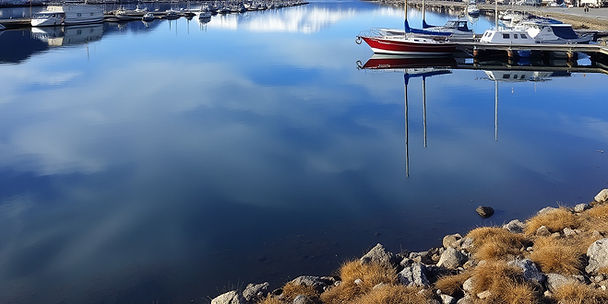
Puerto Natales sits at the edge of Chilean Patagonia and serves as a gateway to some of the most remote fjords and channels in the world. The surrounding waters are cold, deep, and highly productive due to Antarctic influence and strong tidal exchange. These conditions support unique deep-sea ecosystems with slow-growing, high-value species. Fishing here is more rugged and often requires boat access into protected fjord systems. Anglers may encounter Patagonian toothfish and king crab in deeper waters and structured seabeds.
Where to fish: Última Esperanza Sound, fjords within the Magallanes region, and deep channels extending toward the Strait of Magellan.
Punta Arenas
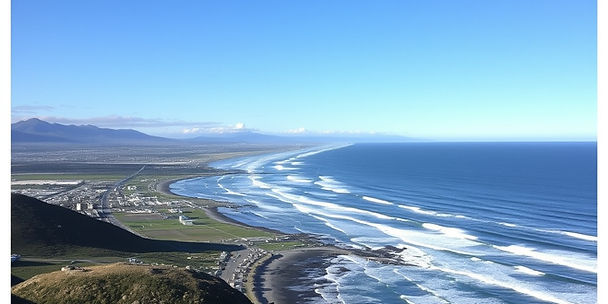
Punta Arenas is one of the southernmost cities in the world and provides access to extremely cold, nutrient-rich waters. The surrounding marine environment is influenced by Antarctic currents, creating unique conditions for specialized cold-water species. Fishing here is less about volume and more about rare, cold-adapted species found in deep or coastal waters. The region is known for its strong winds and challenging sea conditions, making trips more adventurous. Anglers can find species such as icefish and Patagonian cod in these waters.
Where to fish: Strait of Magellan offshore zones, coastal waters around Isla Magdalena, and deep fjord channels extending south toward Tierra del Fuego.
Offshore Islands: Premier Deep Sea Zones
Juan Fernández Islands
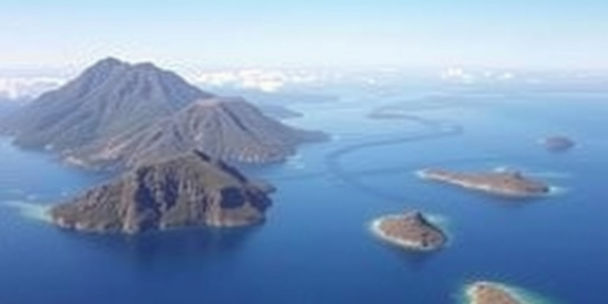
The Juan Fernández Islands are a remote volcanic archipelago located far off Chile’s Pacific coast, known globally for elite big-game fishing. The surrounding waters are deep, clear, and highly nutrient-rich due to strong ocean currents, which attract large pelagic predators year-round. This isolation helps maintain healthy fish populations and consistent trophy potential. It is one of Chile’s premier destinations for offshore sport fishing. Anglers commonly target giant blue marlin, tuna, and dorado in these waters.
Where to fish: Offshore seamounts around Robinson Crusoe Island, deep drop-offs along the island shelf, and current convergence zones where baitfish gather.
Isla de Pascua (Easter Island)
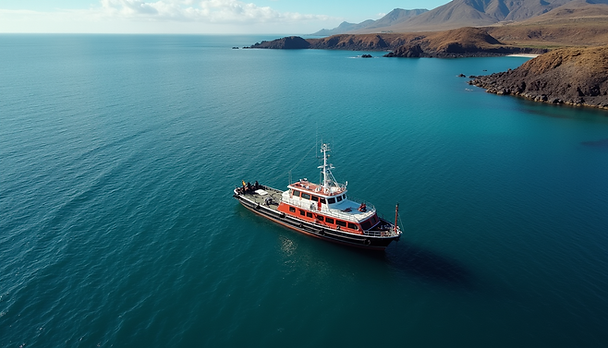
Isla de Pascua (Easter Island) is one of the most isolated inhabited islands in the world, located deep in the southeastern Pacific Ocean. Its surrounding waters are exceptionally clear and largely untouched, creating a pristine marine environment. The island’s isolation contributes to healthy pelagic fish populations and excellent offshore fishing opportunities. Conditions are ideal for light-tackle and big-game fishing depending on distance from shore. Anglers here commonly encounter wahoo and mahi-mahi, along with other migratory species.
Where to fish: Offshore waters beyond Anakena Beach, deep pelagic zones around the island perimeter, and current edges where oceanic fish migrate past the island.
Conclusion
Chile offers one of the most diverse deep sea fishing coastlines in the world, stretching from the warm northern waters near Arica to the icy fjords of Patagonia and remote Pacific islands. Each region has its own character—northern Chile is known for pelagic species like tuna and dorado, central Chile offers reliable access to offshore big game fish, and southern Patagonia provides rare cold-water species in dramatic fjord landscapes. Offshore destinations like the Juan Fernández Islands and Easter Island add world-class trophy fishing opportunities in remote, untouched waters.
Overall, Chile stands out for its combination of accessibility, biodiversity, and extreme geographic variety, making it a top destination for both casual anglers and serious deep sea fishing expeditions.
Frequently Asked Questions (FAQ)
What is the best time for deep sea fishing in Chile?
The best season is typically October to April, when warmer conditions increase pelagic activity and improve offshore fishing success.
What is the most famous fishing species in Chile?
Chile is best known for Chilean sea bass (Patagonian toothfish), tuna, marlin, and dorado, depending on the region.
Where is the best big game fishing in Chile?
Top big game spots include the Juan Fernández Islands, northern cities like Iquique, and central hubs such as Coquimbo.
Is Chile good for beginners in deep sea fishing?
Yes. Central Chile (Valparaíso, Coquimbo) offers many guided charters, making it easier for beginners compared to remote Patagonia or offshore islands.
Do you need a fishing license in Chile?
Yes, in many areas a recreational fishing permit is required, especially for offshore and protected zones.
What makes Chile unique for fishing?
Chile’s long Pacific coastline, Humboldt Current, and mix of tropical to Antarctic waters create one of the most biologically diverse fishing environments on Earth.Conclusion
Chile offers one of the most diverse deep sea fishing coastlines in the world, stretching from the warm northern waters near Arica to the icy fjords of Patagonia and remote Pacific islands. Each region has its own character—northern Chile is known for pelagic species like tuna and dorado, central Chile offers reliable access to offshore big game fish, and southern Patagonia provides rare cold-water species in dramatic fjord landscapes. Offshore destinations like the Juan Fernández Islands and Easter Island add world-class trophy fishing opportunities in remote, untouched waters.
Overall, Chile stands out for its combination of accessibility, biodiversity, and extreme geographic variety, making it a top destination for both casual anglers and serious deep sea fishing expeditions.

Leave a Reply