Deep sea fishing offers an unmatched thrill for anglers seeking adventure, solitude, and the chance to catch some of the ocean’s most prized species. For those who want to escape crowded fishing spots and explore pristine waters, remote islands provide the perfect backdrop. These islands, scattered across the North American coasts, the Arctic, the Nordic region, and the Southern Hemisphere, offer rich marine life and spectacular fishing opportunities. Here’s a detailed guide to 25 of the best remote islands where deep sea fishing becomes an unforgettable experience.
North America and Arctic-Edge Islands
The northern coasts of North America and the Arctic edge hold some of the richest fishing grounds. Cold waters here support species like halibut, salmon, cod, and various rockfish.
Kodiak Island, Alaska, USA
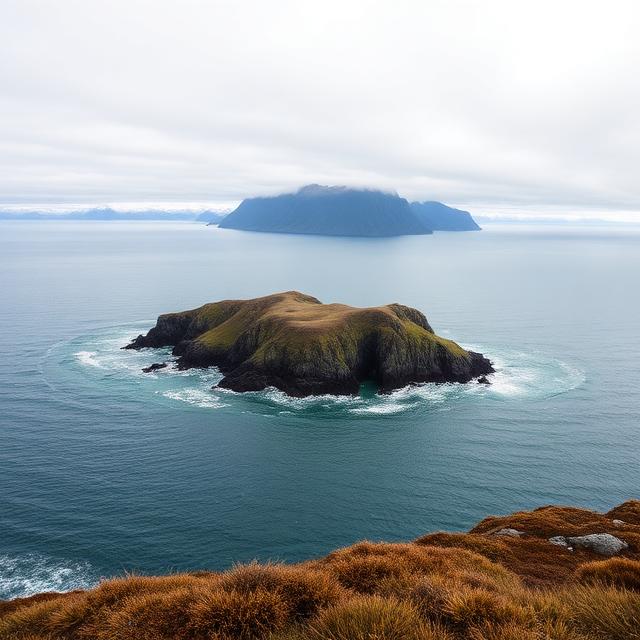
Kodiak Island is a legendary cold-water fishing destination known for massive halibut and strong salmon runs. Its remote location and rugged coastline create some of the most untouched fishing waters in North America. The surrounding Gulf of Alaska delivers nutrient-rich currents that support large, healthy fish populations.
Types of Fish: Halibut, king salmon, lingcod.
Where to Fish: Offshore Gulf of Alaska waters and deep coastal drop-offs around Kodiak Island, especially near rocky structure and current channels.
Where to Stay: Remote fishing lodges, harbor hotels, and rustic waterfront cabins in Kodiak.
Sitka Island Region, Alaska, USA
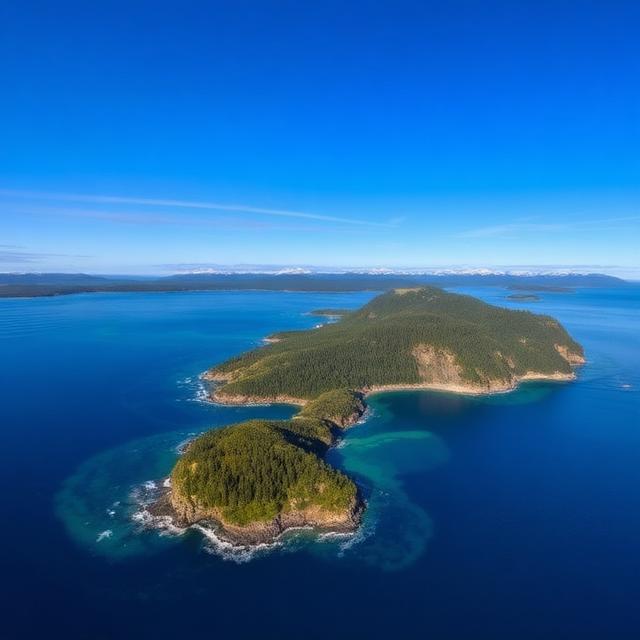
Sitka sits between the Pacific Ocean and protected fjords, creating an ideal mix of calm and deep-water fishing environments. The region is known for consistent salmon runs and productive halibut grounds. Glacially fed waters bring nutrients that attract large marine life.
Types of Fish: Salmon, halibut, rockfish.
Where to Fish: Deep channels, fjords, and offshore Gulf of Alaska waters surrounding Sitka’s coastal islands.
Where to Stay: Harbor lodges, waterfront inns, and fishing-focused accommodations in Sitka.
Prince of Wales Island, Alaska, USA
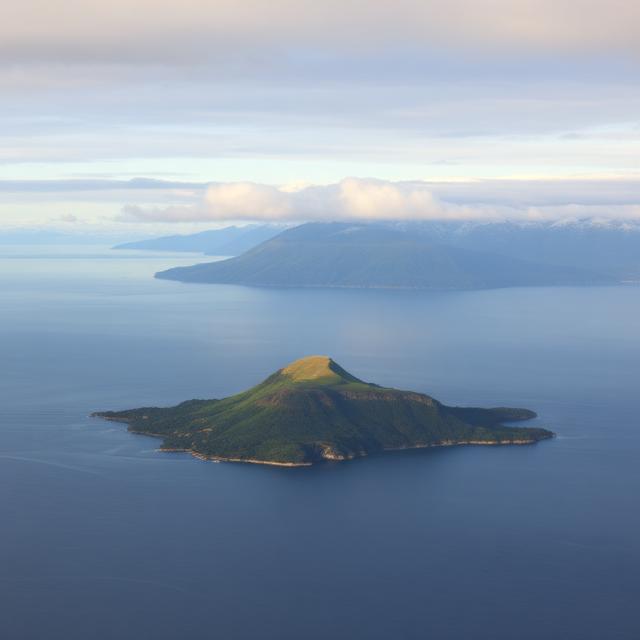
Prince of Wales Island is one of Alaska’s most remote fishing regions, offering solitude and highly productive waters. The lack of heavy fishing pressure helps maintain strong populations of large game fish. Wildlife sightings are common, adding to the wilderness experience.
Types of Fish: Halibut, rockfish, salmon.
Where to Fish: Offshore Pacific waters, protected bays, and deep coastal channels around the island.
Where to Stay: Remote lodges, fishing camps, and small waterfront cabins.
Haida Gwaii (Queen Charlotte Islands), Canada
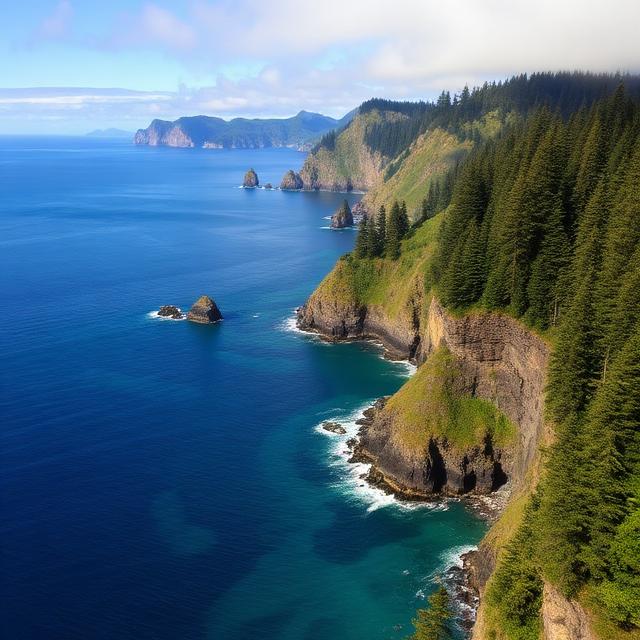
Haida Gwaii is a remote island chain with rich, cold Pacific waters that support thriving fish populations. The region combines world-class fishing with deep Indigenous cultural heritage and dramatic natural scenery.
Types of Fish: Halibut, lingcod, salmon.
Where to Fish: Offshore Pacific waters and deep channels surrounding the Haida Gwaii archipelago.
Where to Stay: Coastal lodges, eco-resorts, and small fishing accommodations on the islands.
Vancouver Island (Outer Coast), Canada
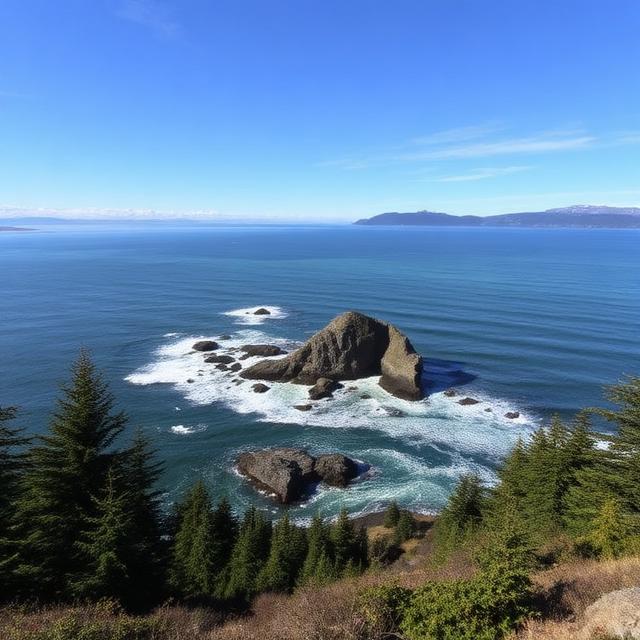
The outer coast of Vancouver Island is one of Canada’s premier deep sea fishing regions. Cold Pacific waters, deep underwater drop-offs, and strong currents create ideal feeding grounds for large fish.
Types of Fish: Halibut, salmon, lingcod.
Where to Fish: Offshore Pacific waters along the exposed west coast, especially near shelf breaks and deep rocky structure.
Where to Stay: Oceanfront lodges, fishing resorts, and coastal inns along Vancouver Island’s west coast.
Arctic and North Atlantic Islands
These islands offer unique fishing experiences in some of the world’s most remote and pristine waters.
Disko Island, Greenland
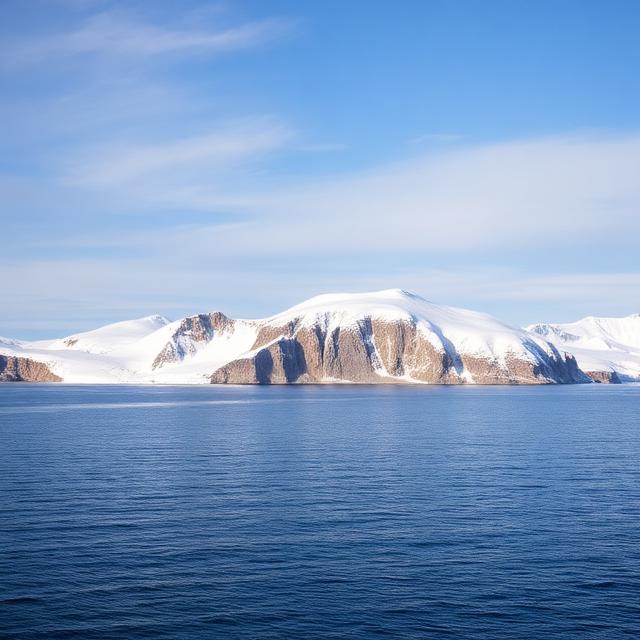
Disko Island is a dramatic Arctic fishing destination surrounded by icebergs, glaciers, and cold nutrient-rich waters. The extreme environment creates a unique ecosystem where hardy fish species thrive, offering a true expedition-style fishing experience.
Types of Fish: Greenland halibut, Arctic char.
Where to Fish: Coastal Arctic waters and deep fjords around Disko Island, especially near ice edges and drop-offs where cold currents concentrate fish.
Where to Stay: Small coastal lodges, local guesthouses, and expedition-style accommodations in nearby settlements.
Uummannaq Island, Greenland
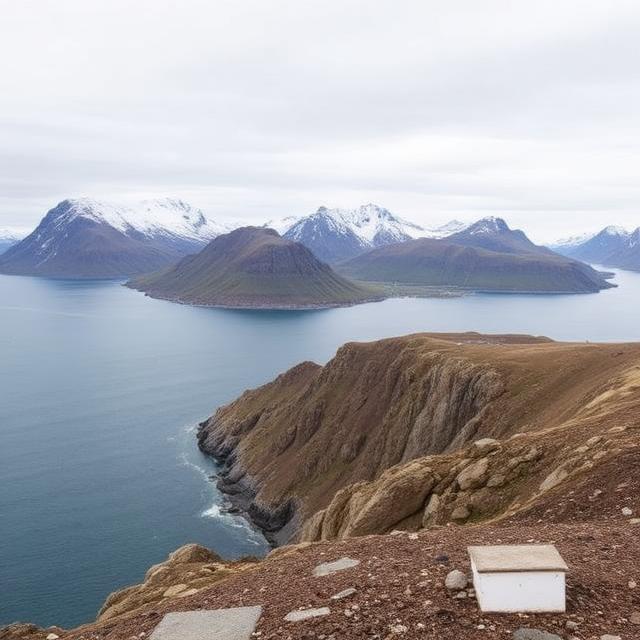
Uummannaq Island offers remote Arctic deep sea fishing in one of the most untouched regions on Earth. Surrounded by towering mountains and icy waters, it provides a quiet and highly secluded fishing experience.
Types of Fish: Halibut, cod.
Where to Fish: Offshore Arctic waters and deep fjords surrounding Uummannaq, particularly along steep underwater channels.
Where to Stay: Remote lodges, village guesthouses, and simple Arctic cabins.
South Greenland Coastal Islands, Greenland
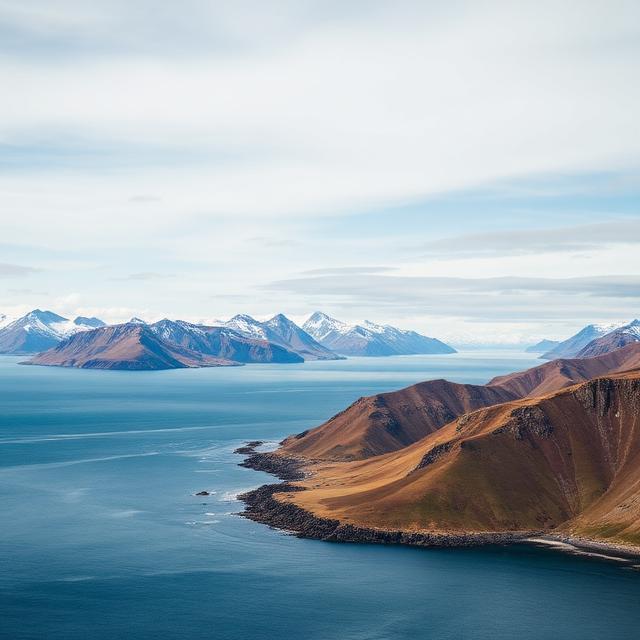
The coastal islands of South Greenland are known for clearer waters and slightly milder Arctic conditions compared to the far north. These waters support rich marine biodiversity and steady fishing opportunities.
Types of Fish: Cod, halibut.
Where to Fish: Coastal Atlantic-Arctic waters around island chains, fjords, and nearshore drop-offs with strong tidal flow.
Where to Stay: Coastal guesthouses, small lodges, and community-run accommodations in Greenlandic villages.
Svalbard Archipelago, Norway
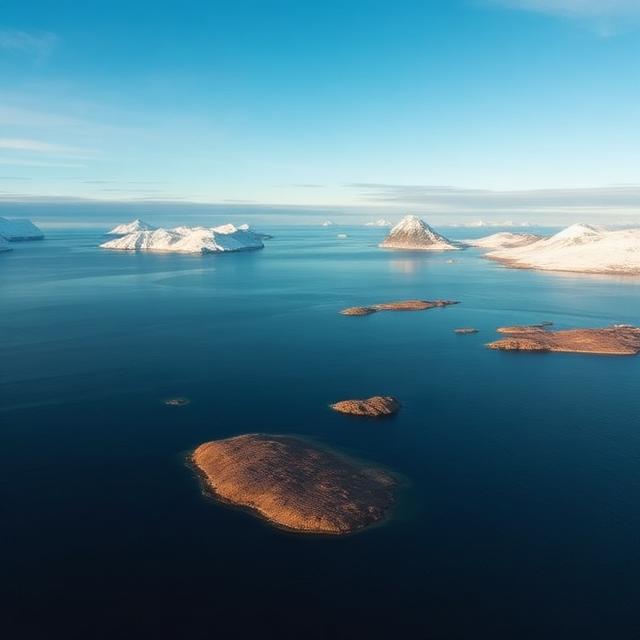
Svalbard is one of the northernmost inhabited fishing regions in the world, offering extreme Arctic conditions and abundant cold-water species. The experience is as much about wildlife and scenery as it is about fishing.
Types of Fish: Cod, halibut, Arctic char.
Where to Fish: Arctic Ocean waters and deep fjords around the Svalbard islands, especially near shelf edges and cold current zones.
Where to Stay: Arctic hotels, expedition lodges, and research-style guest accommodations in Longyearbyen.
Jan Mayen Island, Norway
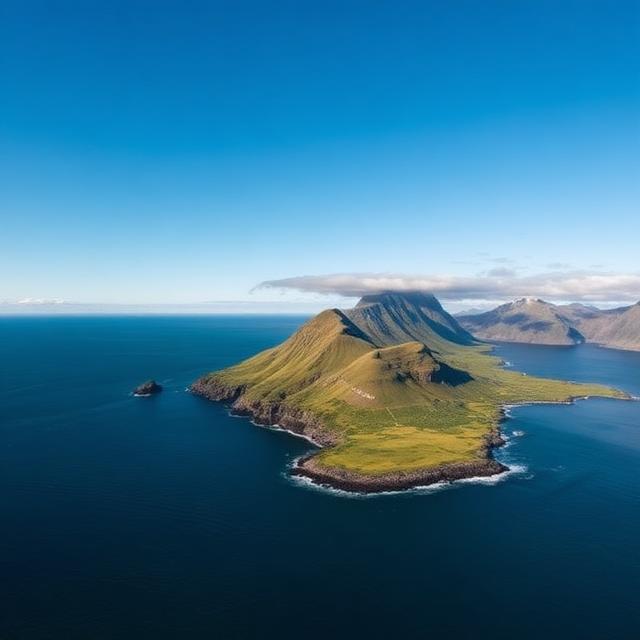
Jan Mayen is an isolated volcanic island in the North Atlantic, offering one of the most remote fishing environments in the world. Strong ocean currents and deep surrounding waters create productive fishing grounds despite the harsh conditions.
Types of Fish: Cod, halibut.
Where to Fish: Deep North Atlantic waters around the island’s offshore slopes and volcanic underwater structures.
Where to Stay: Limited expedition housing or research-based accommodations (access is highly restricted and typically expedition-only).
Icelandic Islands
Iceland’s islands are famous for their rich fishing grounds and stunning natural beauty.
Vestmannaeyjar (Westman Islands), Iceland
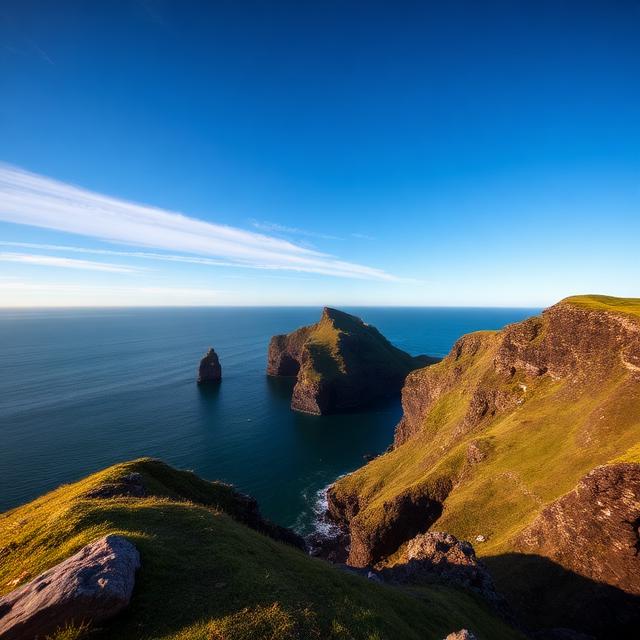
The Westman Islands are one of Iceland’s most productive fishing regions, shaped by volcanic activity and nutrient-rich North Atlantic waters. Strong currents and deep surrounding seas make this a reliable destination for both commercial and sport fishing. The dramatic landscapes add a unique backdrop to offshore trips.
Types of Fish: Cod, haddock, halibut.
Where to Fish: Offshore North Atlantic waters around the Westman Islands, especially near volcanic drop-offs, underwater ridges, and current channels.
Where to Stay: Coastal hotels, guesthouses, and harbor-side accommodations on Heimaey Island.
Grimsey Island, Iceland
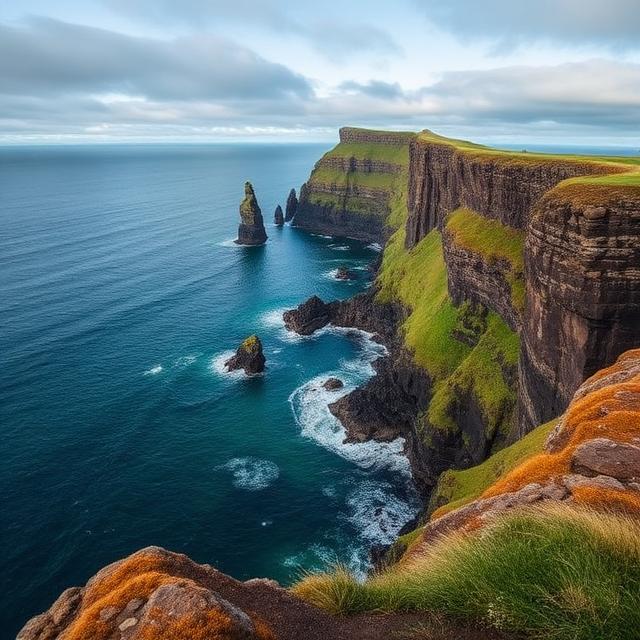
Grimsey Island sits directly on the Arctic Circle, offering a remote and rugged fishing experience in cold, productive waters. The isolation means fewer boats and less fishing pressure, creating strong opportunities for anglers.
Types of Fish: Cod, haddock.
Where to Fish: Offshore Arctic-North Atlantic waters surrounding Grimsey, especially near deep channels and cold current intersections.
Where to Stay: Small island guesthouses and simple local accommodations in Grimsey village.
Snæfellsnes Peninsula Offshore Islets, Iceland
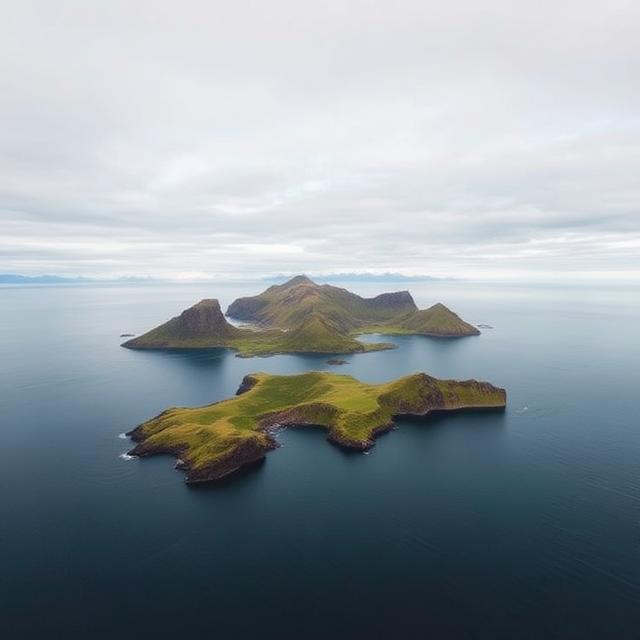
The offshore islets around the Snæfellsnes Peninsula are known for dramatic coastal scenery and highly productive fishing waters. Glacial runoff and ocean currents combine to support abundant marine life year-round.
Types of Fish: Cod, haddock, other North Atlantic species.
Where to Fish: Offshore North Atlantic waters around rocky islets, submerged lava formations, and deep coastal drop-offs along the peninsula.
Where to Stay: Coastal hotels, seaside cabins, and fishing lodges across the Snæfellsnes Peninsula region.
Nordic Remote Islands
The Nordic region’s islands are known for their rugged beauty and rich fishing waters.
Lofoten Islands, Norway
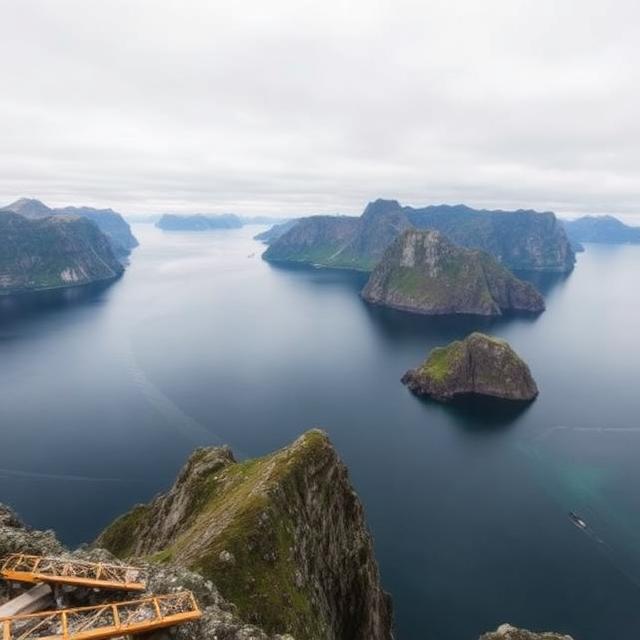
The Lofoten Islands are world-famous for cod fishing, especially during the winter spawning season when massive schools migrate into the region. Surrounded by towering mountains and deep fjords, this destination combines incredible fishing with some of the most dramatic scenery in Europe.
Types of Fish: Cod, halibut, coalfish (saithe).
Where to Fish: Arctic waters and fjords surrounding the Lofoten chain, particularly near spawning grounds, deep channels, and coastal drop-offs.
Where to Stay: Traditional rorbuer (fishermen’s cabins), coastal lodges, and waterfront hotels across the islands.
Vesterålen Islands, Norway
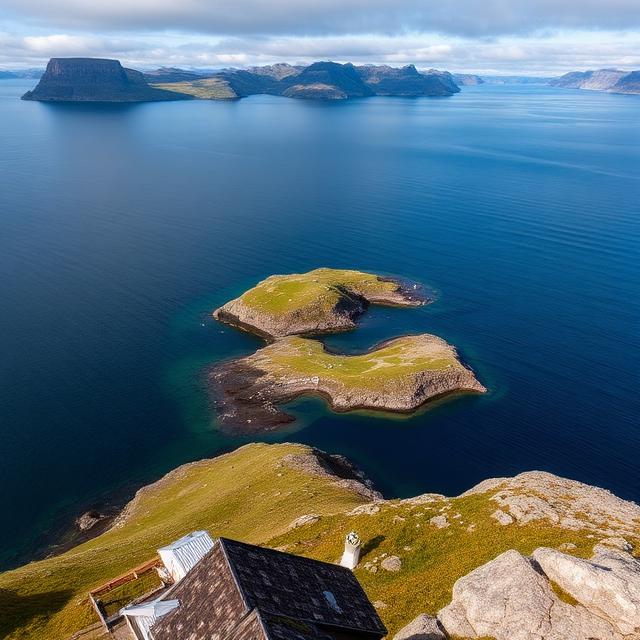
The Vesterålen offer equally productive fishing waters with fewer crowds than Lofoten, making them ideal for a quieter experience. Strong ocean currents and deep surrounding waters support large populations of cold-water species.
Types of Fish: Cod, halibut, coalfish.
Where to Fish: Offshore Arctic waters, deep fjords, and coastal shelves around the Vesterålen islands.
Where to Stay: Coastal guesthouses, fishing lodges, and small harbor hotels throughout the region.
Senja Island, Norway
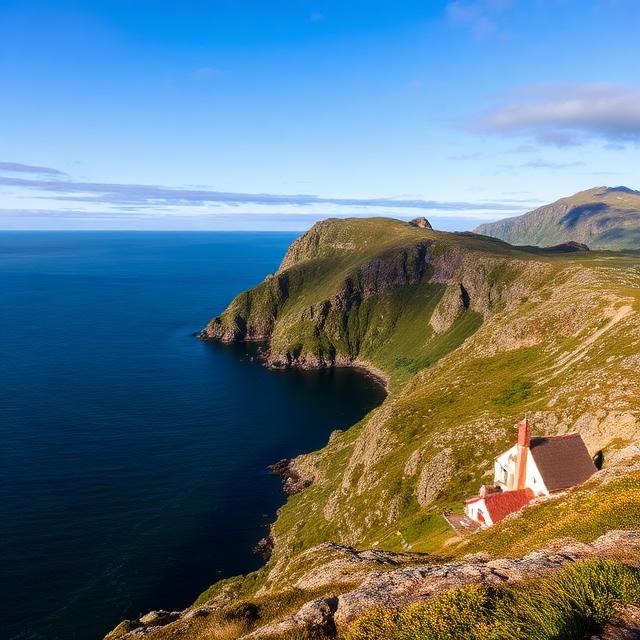
Senja is known for its diverse coastline, offering a mix of sheltered fjords and exposed offshore waters. This variety creates excellent fishing conditions and supports a wide range of species.
Types of Fish: Cod, halibut, coalfish.
Where to Fish: Fjords, coastal bays, and offshore Arctic waters around Senja, especially near underwater ridges and drop-offs.
Where to Stay: Waterfront cabins, fishing lodges, and boutique coastal accommodations.
Andøya Island, Norway
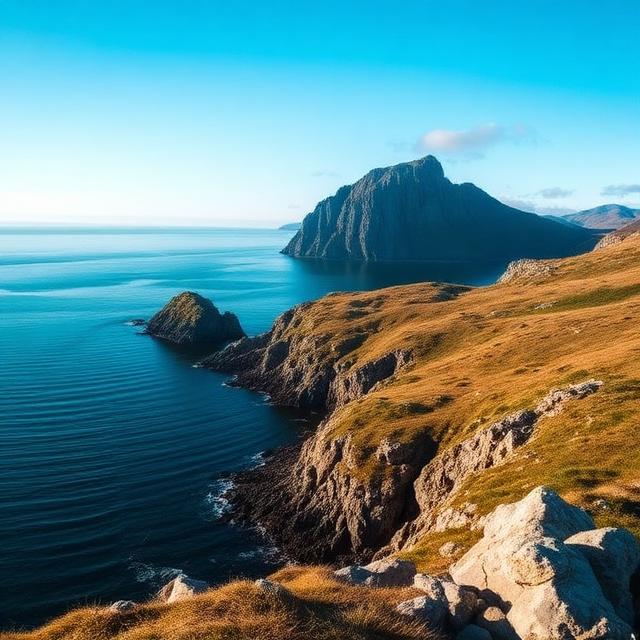
Andøya sits near the edge of the continental shelf, giving anglers quick access to deep, nutrient-rich Arctic waters. The combination of strong currents and cold temperatures creates ideal conditions for large, healthy fish populations. Its location also allows for short runs to prime offshore fishing grounds.
Types of Fish: Cod, halibut, coalfish.
Where to Fish: Offshore Arctic waters along the continental shelf, focusing on deep channels, underwater drop-offs, and current-rich feeding zones.
Where to Stay: Fishing lodges, seaside cabins, and harbor accommodations on Andøya.
North Atlantic and European Islands
These islands combine rich fishing grounds with unique cultural experiences.
Faroe Islands (Entire Archipelago)
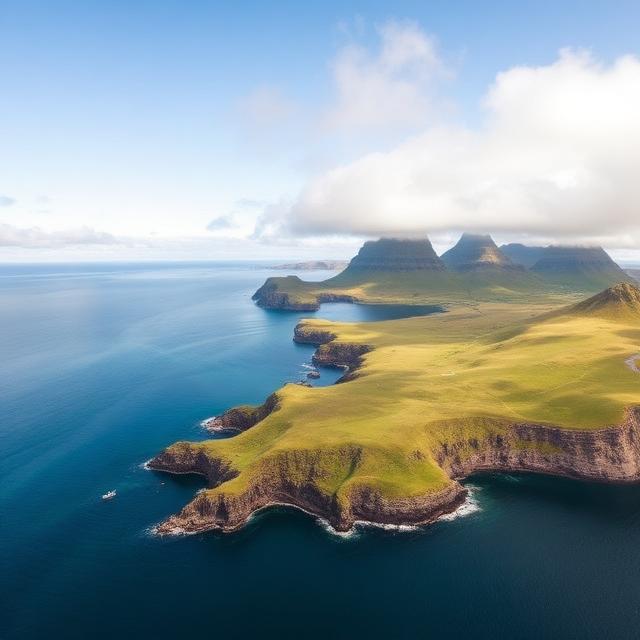
The Faroe Islands offer some of the best cold-water fishing in the North Atlantic. Strong currents, deep surrounding waters, and minimal fishing pressure create ideal conditions for large fish populations. The rugged cliffs and remote setting make every trip feel like an expedition.
Types of Fish: Cod, halibut, haddock.
Where to Fish: Offshore North Atlantic waters around the archipelago, especially near steep drop-offs, underwater ridges, and current-heavy zones.
Where to Stay: Coastal guesthouses, small fishing lodges, and harbor-side accommodations across the islands.
Isle of Skye, Scotland
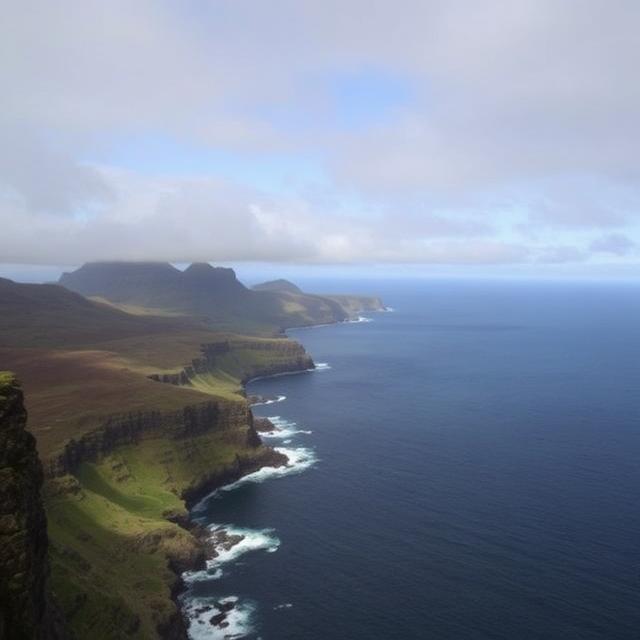
The Isle of Skye is known for its dramatic landscapes and productive coastal waters. Nutrient-rich currents and varied seabeds support a wide range of fish species, making it a popular destination for both casual and serious anglers.
Types of Fish: Cod, pollock, mackerel.
Where to Fish: Coastal and offshore Atlantic waters around Skye, particularly near rocky reefs, kelp beds, and deep coastal drop-offs.
Where to Stay: Seaside cottages, fishing lodges, and boutique inns in Skye’s coastal villages.
Outer Hebrides, Scotland
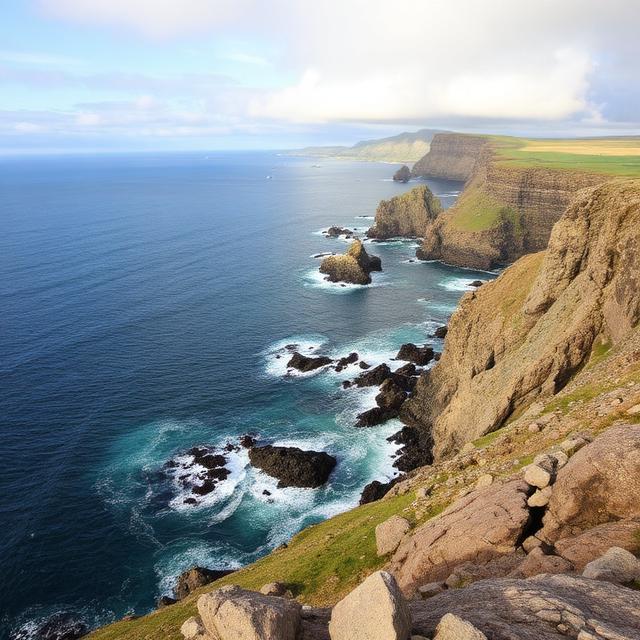
The Outer Hebrides are a chain of remote islands known for pristine waters and excellent fishing conditions. Low fishing pressure and clear Atlantic waters allow fish populations to thrive.
Types of Fish: Cod, haddock, mackerel.
Where to Fish: Offshore Atlantic waters and coastal zones around the islands, especially near sandy banks and rocky seabeds.
Where to Stay: Remote cottages, coastal lodges, and small guesthouses throughout the Hebrides.
Orkney Islands, Scotland
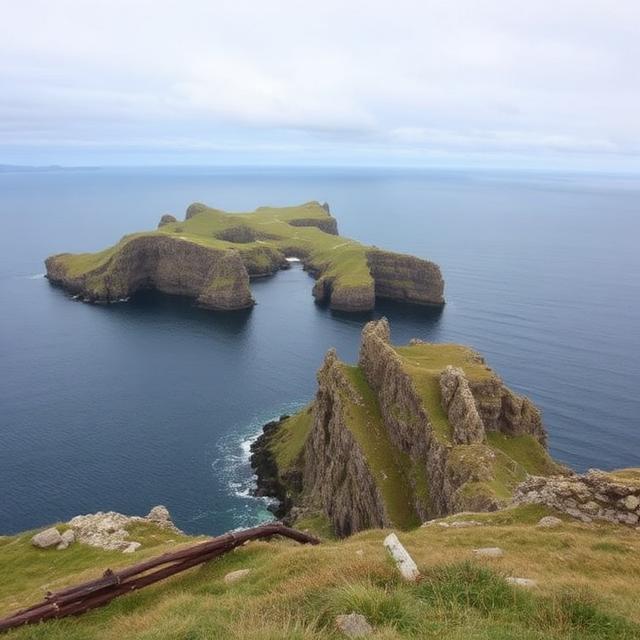
The Orkney Islands combine rich history with productive fishing waters. Strong tidal currents between islands create nutrient-rich feeding grounds for various species.
Types of Fish: Cod, ling, haddock.
Where to Fish: Coastal channels, tidal races, and offshore North Sea waters around Orkney.
Where to Stay: Harbor hotels, coastal inns, and traditional guesthouses across the islands.
Shetland Islands, Scotland
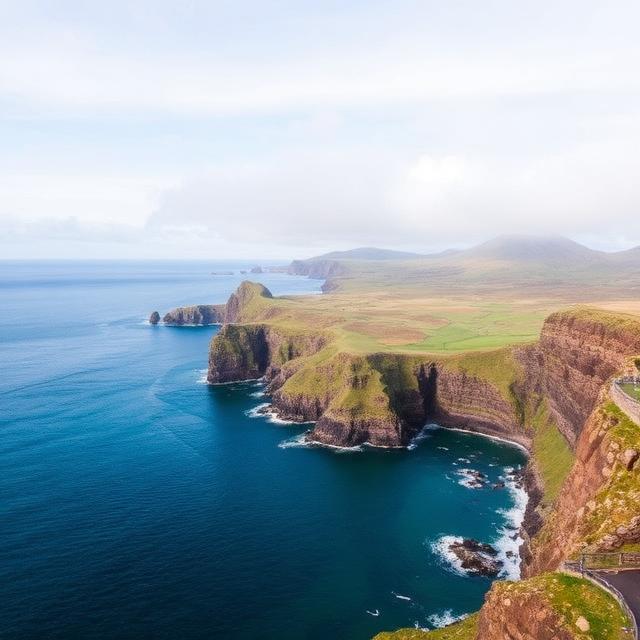
The Shetland Islands are among the most northerly fishing destinations in the UK, offering deep, cold waters full of marine life. Their remote location and rugged coastline create ideal conditions for deep sea fishing.
Types of Fish: Cod, haddock, halibut.
Where to Fish: Offshore North Atlantic waters and deep channels surrounding the islands, especially near steep underwater structures.
Where to Stay: Coastal lodges, fishing inns, and harbor accommodations in Shetland villages.
Southern Hemisphere Remote Islands
These islands offer unique fishing experiences far from the usual tourist routes.
Falkland Islands (Islas Malvinas)
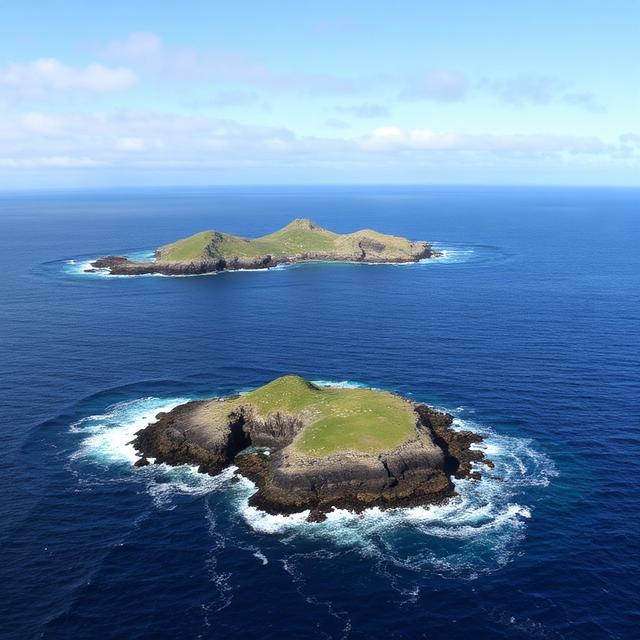
The Falkland Islands are known for their pristine waters and abundant marine life. Their remote location and cold nutrient-rich currents create ideal conditions for healthy fish populations, making it a standout destination for adventurous anglers.
Types of Fish: Sea trout, cod, rockfish.
Where to Fish: Coastal and offshore South Atlantic waters around the islands, especially near kelp beds, rocky seabeds, and tidal channels.
Where to Stay: Remote lodges, coastal guesthouses, and small settlements offering fishing access.
South Georgia Island (South Atlantic)
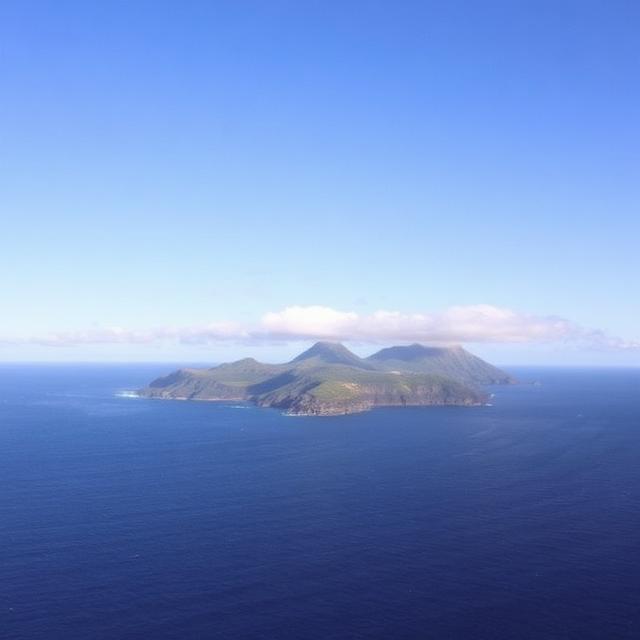
South Georgia is one of the most remote fishing environments on Earth, surrounded by cold, nutrient-dense waters teeming with marine life. The harsh conditions and isolation create a true expedition-style fishing experience.
Types of Fish: Patagonian toothfish, icefish, cod species.
Where to Fish: Deep South Atlantic waters surrounding the island, particularly along underwater slopes and cold current zones.
Where to Stay: Expedition vessels or research station accommodations (access is highly restricted).
Tristan da Cunha (Most Remote Inhabited Island)
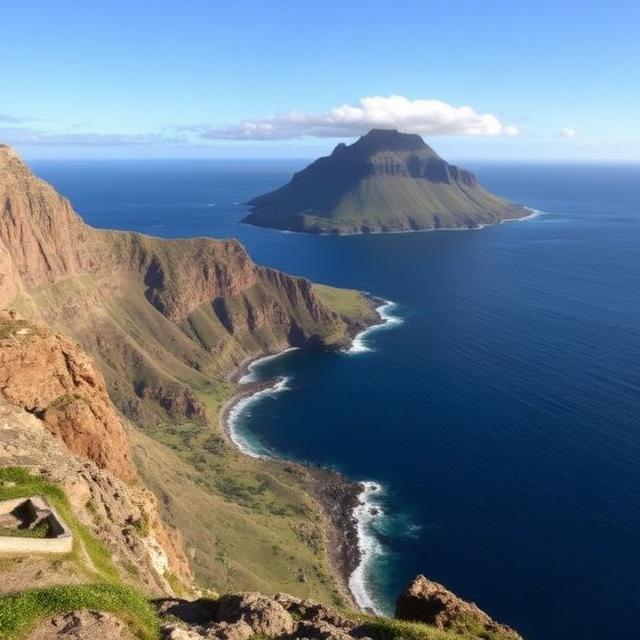
Tristan da Cunha is the most remote inhabited island in the world, offering untouched fishing grounds with very little pressure. Its isolation makes it ideal for anglers seeking rare and unique fishing experiences.
Types of Fish: Tuna, marlin, rock lobster species.
Where to Fish: Offshore South Atlantic waters around volcanic slopes, deep drop-offs, and current-rich zones.
Where to Stay: Limited guesthouses and local accommodations in the island’s single settlement.
Easter Island (Rapa Nui), Chile
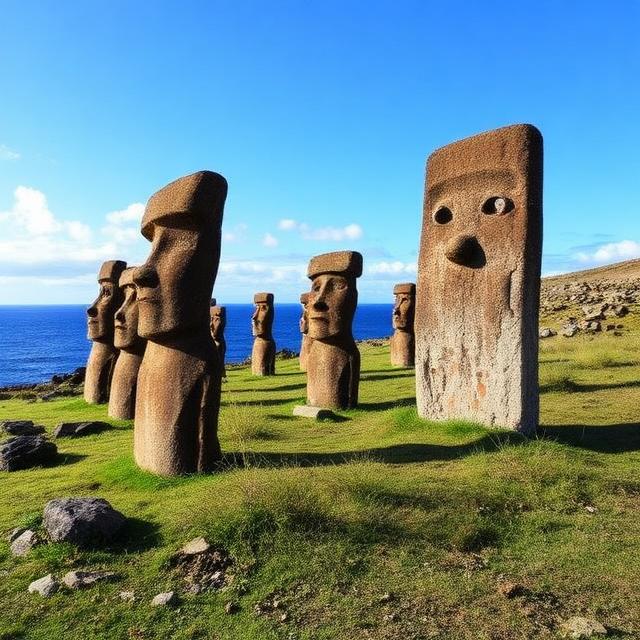
Easter Island sits in the remote Pacific Ocean and offers excellent deep sea fishing in warm, open waters. Its isolation creates productive fishing grounds while also offering a culturally rich travel experience.
Types of Fish: Tuna, mahi-mahi, marlin.
Where to Fish: Offshore Pacific waters around steep volcanic drop-offs and deep ocean channels.
Where to Stay: Oceanfront hotels, boutique lodges, and small resorts across the island.
Conclusion
Remote islands offer some of the most powerful and untouched deep sea fishing experiences on the planet. From the icy waters of Alaska and Greenland to the rugged coasts of Scotland and the South Atlantic, these destinations are shaped by isolation, strong ocean currents, and rich marine ecosystems. That combination creates ideal conditions for trophy-sized fish and unforgettable adventures.
What makes these islands especially appealing is the sense of exploration. Many are far from major cities, requiring effort to reach, but that effort is exactly what preserves their wild fishing environments. Whether you’re chasing halibut in Arctic waters or tuna near volcanic islands, these remote locations deliver a level of fishing that feels raw, challenging, and rewarding.
For anglers seeking more than just a trip—for those seeking a true expedition—these islands represent some of the best deep sea fishing experiences in the world.
FAQ: Remote Islands for Deep Sea Fishing
1. Why are remote islands good for deep sea fishing?
Remote islands are surrounded by less disturbed waters, stronger currents, and richer marine ecosystems, which often results in larger and more abundant fish populations.
2. What fish can you catch around remote islands?
Common catches include tuna, halibut, cod, grouper, marlin, snapper, and various deep-water species depending on the region and ocean temperature.
3. Do you need a guide for fishing on remote islands?
Yes, in most cases. Remote islands often require local charter guides due to weather conditions, navigation challenges, and safety regulations.
4. Are remote island fishing trips expensive?
They can be. Costs vary widely depending on location, but remote destinations like Svalbard or South Georgia are typically more expensive due to travel logistics and limited access.
5. When is the best time to fish on remote islands?
The best time depends on the region. Arctic islands are best in summer months, while tropical and temperate islands often peak during warmer seasons or specific migration periods.
6. Is deep sea fishing on remote islands safe?
It is generally safe with professional guides, but conditions can be unpredictable. Weather changes, rough seas, and isolation require proper preparation and experienced crews.
7. What makes island fishing different from mainland fishing?
Island fishing often provides quicker access to deep waters, stronger ocean currents, and less fishing pressure, leading to higher chances of trophy catches.



Leave a Reply