Deep sea fishing in the Arctic and sub-Arctic regions offers an unmatched experience for anglers seeking adventure, pristine waters, and unique marine life. These cold, often remote locations provide rich fishing grounds with species like cod, halibut, and Arctic char. Whether you are an experienced angler or a curious traveler, exploring these 25 destinations across Canada, Greenland, Iceland, Norway, Svalbard, Russia, the United States, and Finland will open doors to thrilling fishing expeditions and breathtaking natural beauty.
Canada: Vast Wilderness and Rich Fishing Grounds
Canada’s Arctic and sub-Arctic regions are home to some of the most untouched fishing spots. The combination of vast wilderness and abundant fish species makes these locations ideal for deep sea fishing.
Iqaluit, Nunavut – Arctic Bay Fishing Wilderness
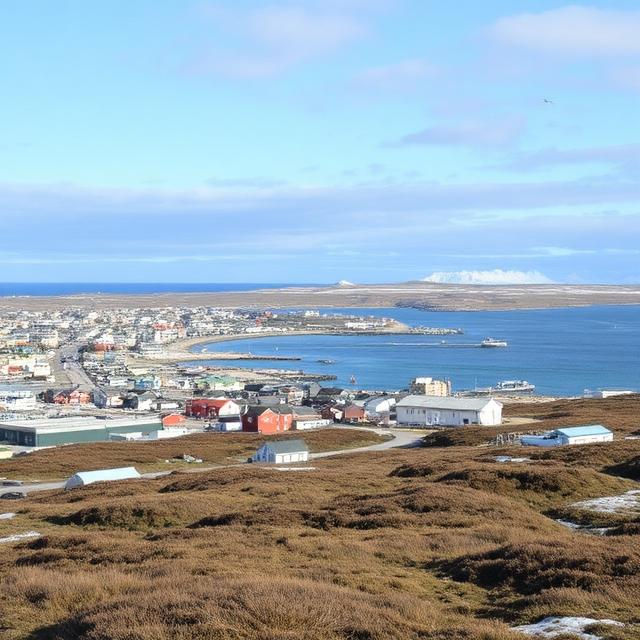
Iqaluit sits on the edge of Frobisher Bay, offering one of the most remote and untouched fishing experiences in Canada. The Arctic waters here are cold, clear, and largely free from fishing pressure, creating pristine natural conditions. Anglers travel to this region for its raw wilderness setting and unique Arctic species. Despite the harsh environment, the fishing can be highly rewarding during the short open-water season.
Types of Fish: Arctic char, Arctic cod, and other cold-water species are common. Arctic char is the most prized catch. Cod appear in coastal Arctic waters.
Where to Fish: Frobisher Bay and nearby Arctic coastal waters. Tidal zones and deep cold channels are key fishing areas.
Churchill, Manitoba – Hudson Bay Arctic Fishing
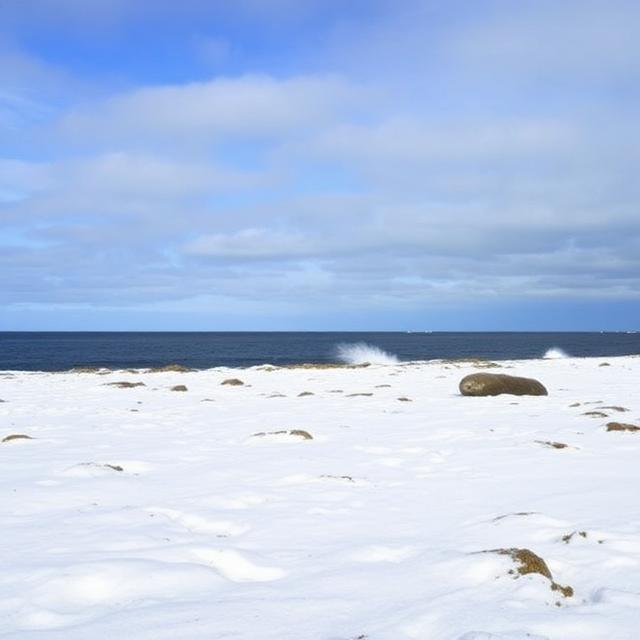
Churchill is a remote Arctic destination best known for polar bears, but it also offers unique fishing opportunities in Hudson Bay. The waters are cold, nutrient-rich, and shaped by seasonal ice melt. This creates a short but productive fishing window each year. Anglers come here for both adventure and solitude in a true northern wilderness.
Types of Fish: Whitefish, Arctic char (near river systems), and seasonal cod are common. Whitefish are especially abundant in nearshore waters.
Where to Fish: Hudson Bay coastal waters and nearby river mouths. Seasonal melt zones and shallow bays are most productive.
Inukjuak, Quebec – Eastern Hudson Bay Fishing Zone
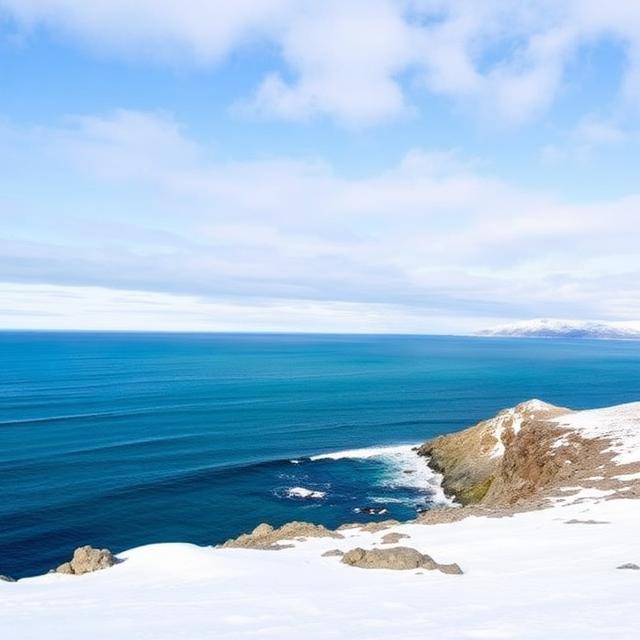
Inukjuak is a remote Inuit community surrounded by the wild waters of Hudson Bay. The region is defined by cold, clean water and almost no fishing pressure. This creates excellent natural conditions for Arctic species. It is an ideal destination for anglers seeking isolation and a true northern fishing experience.
Types of Fish: Arctic char, lake trout, whitefish, and some coastal cod species are common. Arctic char is the main trophy target.
Where to Fish: Hudson Bay shoreline and nearby river systems. Freshwater inflows and coastal drop-offs support strong fish activity.
Rankin Inlet, Nunavut – Northern Trophy Waters
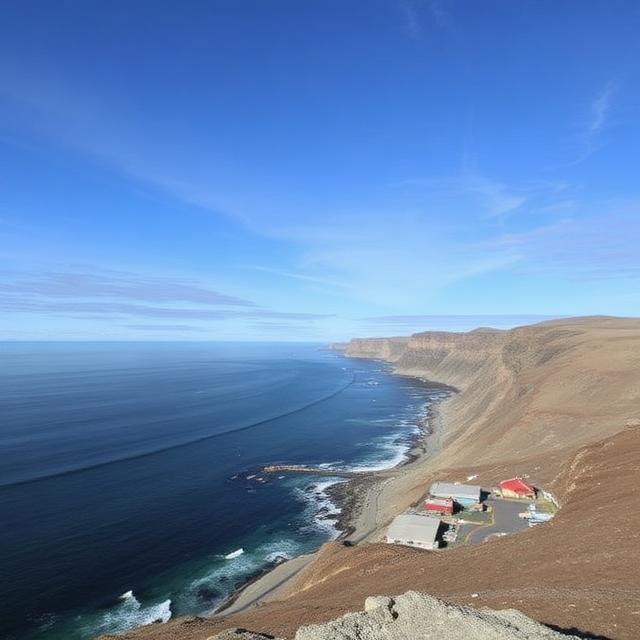
Rankin Inlet provides access to deep Arctic waters and inland lakes rich with cold-water species. The landscape is rugged and remote, offering a true wilderness fishing environment. Fishing pressure is low, which helps maintain healthy fish populations. It is a strong destination for anglers seeking trophy Arctic species.
Types of Fish: Arctic char, northern pike, lake trout, and whitefish are common. Arctic char and pike are key sport species.
Where to Fish: Coastal Arctic waters and nearby lakes. Sheltered bays and deep inland lakes are most productive.
Whitehorse, Yukon – Gateway to Wilderness Fishing
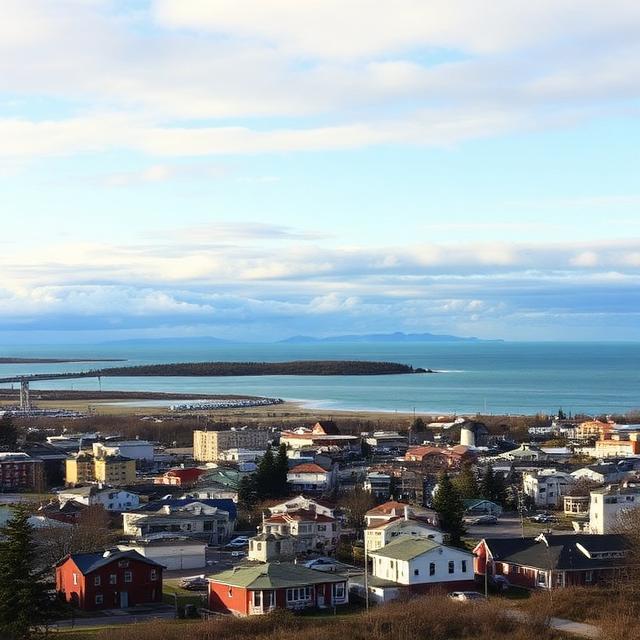
Whitehorse is not coastal, but it serves as a major hub for accessing Yukon’s vast river and lake systems. The surrounding region is known for its clean water and scenic wilderness landscapes. Fishing here is peaceful and highly varied, with strong opportunities for both beginners and experienced anglers. It is a top destination for freshwater adventure fishing.
Types of Fish: Northern pike, lake trout, Arctic grayling, and whitefish are common. Pike and grayling are especially popular.
Where to Fish: Yukon River, nearby lakes, and tributary systems. River bends, deep pools, and alpine lakes are key fishing spots.
Greenland: Icebergs and Abundant Marine Life
Greenland’s icy waters are home to some of the most dramatic fishing locations in the Arctic.
Nuuk – Greenland’s Capital Fishing Fjords
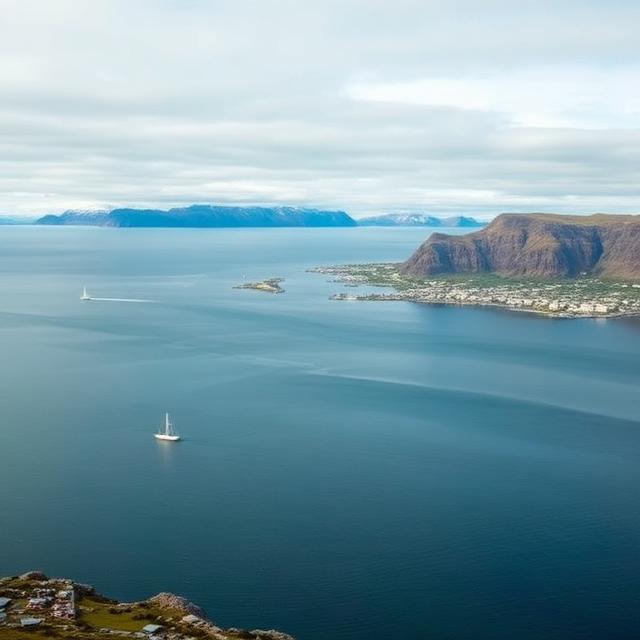
Nuuk is the main gateway to Greenland’s deep fjord fishing system, where cold Arctic waters meet dramatic ice-filled landscapes. The surrounding seas are rich with marine life due to nutrient-dense currents and minimal fishing pressure. Anglers are often surrounded by icebergs and steep coastal cliffs while fishing in near-pristine conditions. It is one of the most scenic and remote capital-city fishing environments in the world.
Types of Fish: Atlantic cod, Greenland halibut, and Greenland shark are commonly found. Cod and halibut are the main sport targets. Greenland shark is rare and highly specialized.
Where to Fish: Nuuk Fjords and nearby coastal Arctic waters. Deep fjord channels and offshore drop-offs are key fishing areas.
Ilulissat – Icefjord Deep-Water Fishing
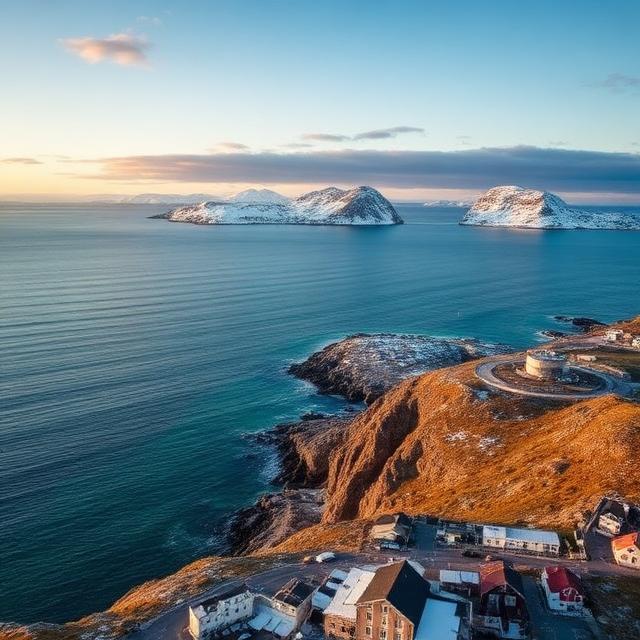
Ilulissat is world-famous for the Ilulissat Icefjord, where massive icebergs drift into the sea, creating a stunning Arctic fishing environment. The cold, oxygen-rich waters support strong marine ecosystems. Fishing here combines extreme natural beauty with productive deep-water conditions. It is a top destination for anglers seeking both scenery and sport fishing.
Types of Fish: Atlantic cod and Greenland halibut are the primary catches. Cod are common in shallower waters. Halibut dominate deeper offshore zones.
Where to Fish: Ilulissat Icefjord and surrounding coastal waters. Deep glacial channels and fjord mouths are most productive.
Qaqortoq – Southern Greenland Fishing Grounds
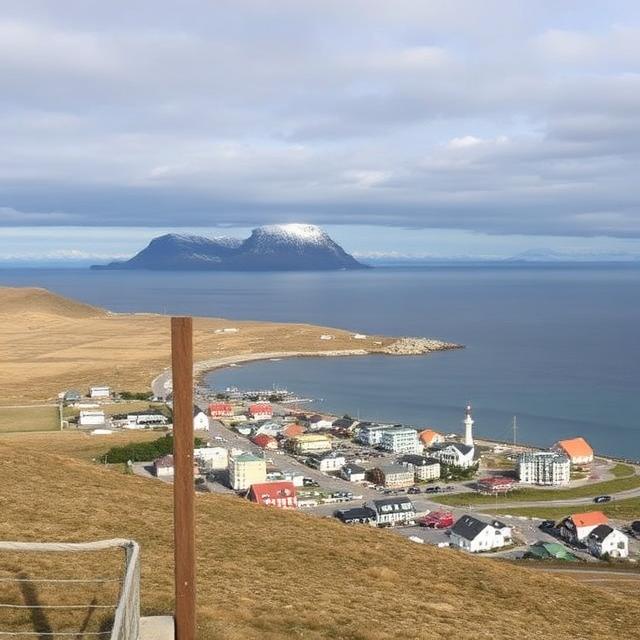
Qaqortoq is located in southern Greenland, where slightly milder Arctic conditions support productive fishing waters year-round. The surrounding fjords and coastal zones are rich in cold-water species. Fishing here is less extreme than northern Greenland but still deeply remote and wild. It offers a strong balance of accessibility and Arctic wilderness.
Types of Fish: Atlantic cod and Greenland halibut are most common. Cod are abundant in coastal waters. Halibut are found in deeper offshore areas.
Where to Fish: Coastal fjords and offshore southern Greenland waters. Deep channels and rocky seabeds are key fishing zones.
Kangerlussuaq – Fjords, Glaciers & Arctic Fishing
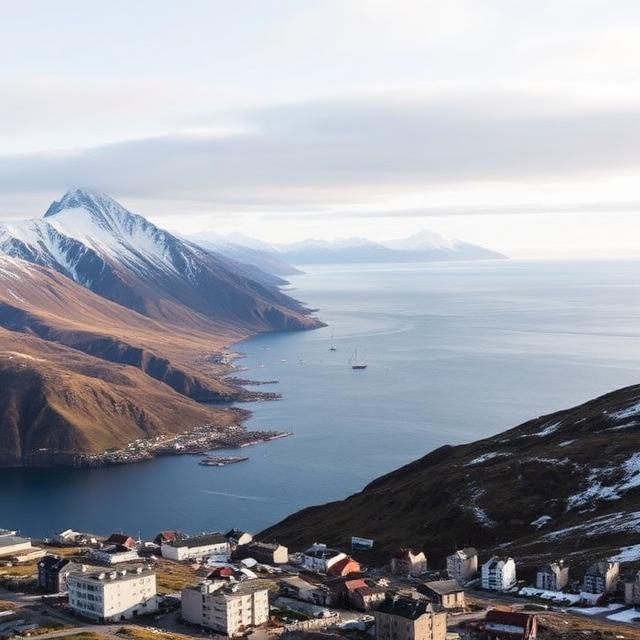
Kangerlussuaq sits near some of Greenland’s most dramatic glacier-fed fjord systems, offering access to cold, pristine fishing waters. The region is known for its clean environment and strong Arctic ecosystems. Fishing here is highly seasonal but rewarding, especially in summer months. It is a remote destination ideal for adventure-focused anglers.
Types of Fish: Arctic char and Greenland halibut are common. Arctic char are the primary freshwater and near-fjord target. Halibut are found in deeper waters.
Where to Fish: Kangerlussuaq Fjords and nearby coastal channels. Glacier-fed waters and deep fjord basins are most productive.
Iceland: A Fisherman’s Paradise in the North Atlantic
Iceland’s location between the Arctic and Atlantic Oceans makes it a hotspot for deep sea fishing.
Reykjavík – Iceland’s Capital Fishing Gateway
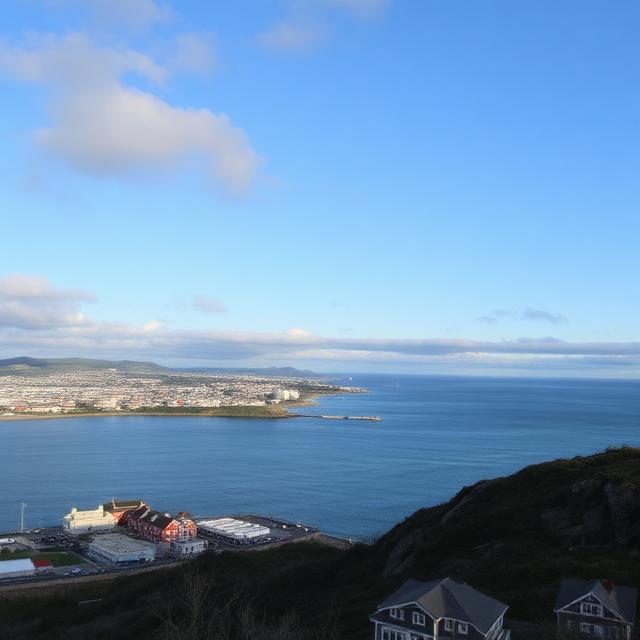
Reykjavík is the main hub for fishing in Iceland, offering easy access to some of the North Atlantic’s most productive waters. The surrounding ocean is shaped by cold and warm current mixing, creating rich feeding grounds for marine life. Fishing charters operate year-round from the city’s modern harbor. It is a convenient and reliable starting point for both beginners and experienced anglers.
Types of Fish: Atlantic cod, haddock, halibut, wolffish, and pollock are commonly caught. Cod and haddock are the most frequent catches. Halibut provide the main trophy opportunity.
Where to Fish: Coastal waters around Faxaflói Bay and nearby offshore grounds. Deep channels and rocky seabeds are highly productive fishing zones.
Reykjanesbær – Rugged Peninsula Fishing Grounds
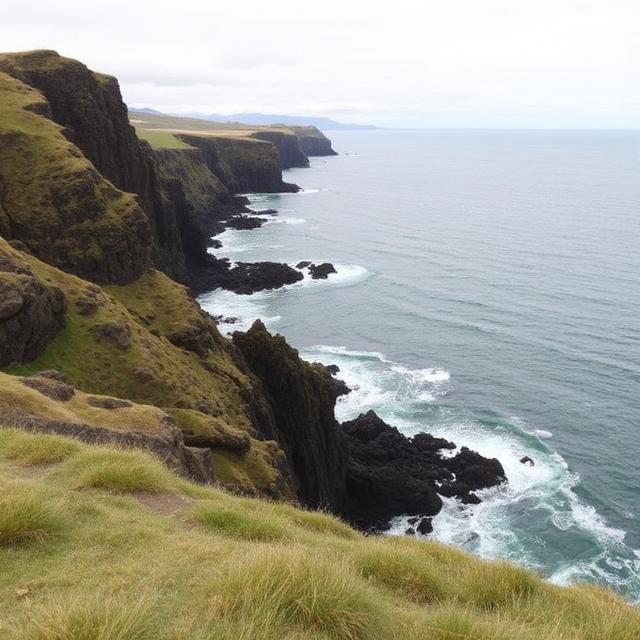
Reykjanesbær sits on a dramatic volcanic coastline where the North Atlantic meets powerful ocean currents. This creates nutrient-rich waters that support a wide range of fish species. The area is known for its rugged beauty, black lava fields, and strong fishing conditions. It offers a more wild and less crowded experience compared to Reykjavík.
Types of Fish: Atlantic cod, haddock, halibut, ling, and various groundfish species are common. Cod and haddock dominate catches. Halibut are the main deep-water target.
Where to Fish: Reykjanes Peninsula coastal waters and offshore Atlantic zones. Rocky reefs, deep drop-offs, and current edges create strong fishing opportunities.
Norway: Fjords and Northern Lights
Norway’s Arctic and sub-Arctic regions combine stunning fjords with world-class fishing.
Tromsø – Gateway to Arctic Deep Sea Fishing
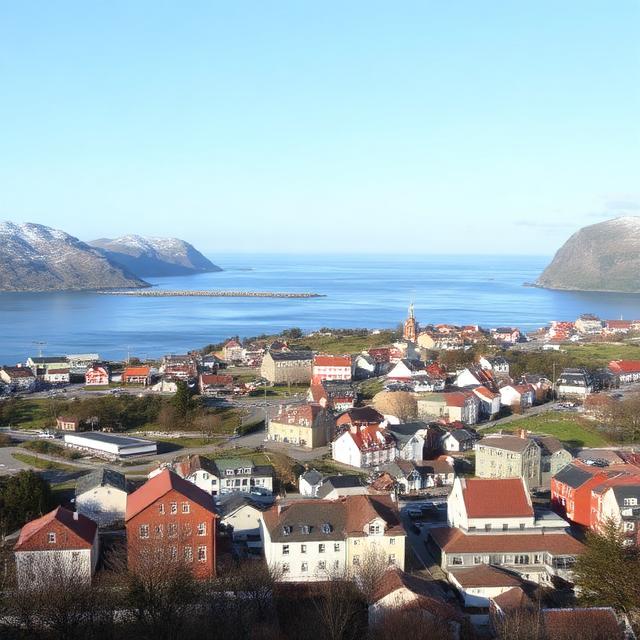
Tromsø is often called the “Gateway to the Arctic,” offering world-class deep sea fishing in cold, nutrient-rich waters. The surrounding fjords and offshore seas are highly productive, especially during the long Arctic summer days. Anglers also experience dramatic scenery, including mountains rising straight from the sea. In winter, the region is famous for Northern Lights, adding a unique backdrop to fishing trips.
Types of Fish: Atlantic cod, halibut, coalfish, haddock, and wolffish are common. Cod and coalfish are frequent catches. Halibut are the main trophy species.
Where to Fish: Coastal fjords around Tromsø and offshore Barents Sea waters. Deep channels and tidal currents concentrate fish activity.
Lofoten Islands – Legendary Cod Fishing Grounds
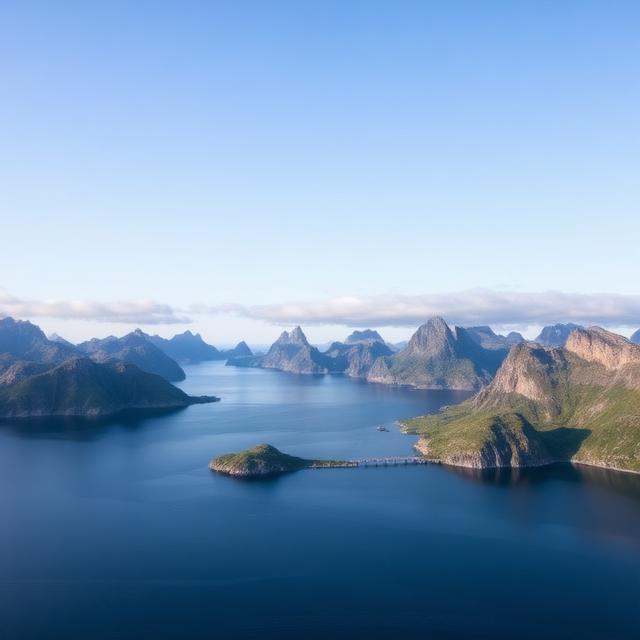
Lofoten Islands are one of the most famous fishing regions in the world, known for their historic cod fisheries and dramatic mountain scenery. The waters here are rich with marine life due to strong currents from the North Atlantic. Fishing has been a way of life in this region for centuries, creating a deep cultural connection to the sea. It is both a scenic and highly productive fishing destination.
Types of Fish: Atlantic cod, halibut, haddock, and coalfish are common. Cod is the dominant species. Halibut provide trophy fishing opportunities.
Where to Fish: Coastal waters between the islands and offshore Norwegian Sea. Reef systems and deep drop-offs are key fishing areas.
Hammerfest – Northern Arctic Fishing Frontier
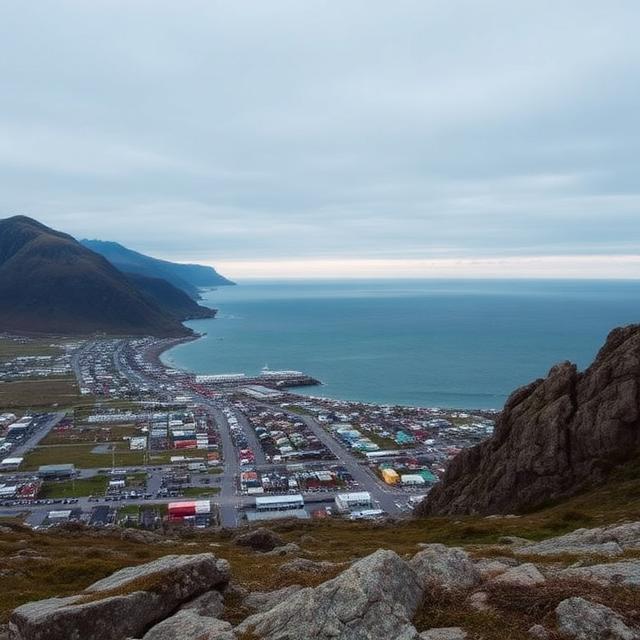
Hammerfest is one of the northernmost towns in the world, offering direct access to deep Arctic waters filled with cold-water species. The environment is rugged, remote, and shaped by extreme seasonal light conditions. Fishing here is consistent due to nutrient-rich currents in the Barents Sea. It is a destination for serious anglers seeking Arctic adventure.
Types of Fish: Atlantic cod, halibut, coalfish, and haddock are common. Cod and halibut are primary targets.
Where to Fish: Barents Sea offshore waters and nearby fjords. Deep seabeds and strong currents support rich fish populations.
Honningsvåg – North Cape Fishing Experience
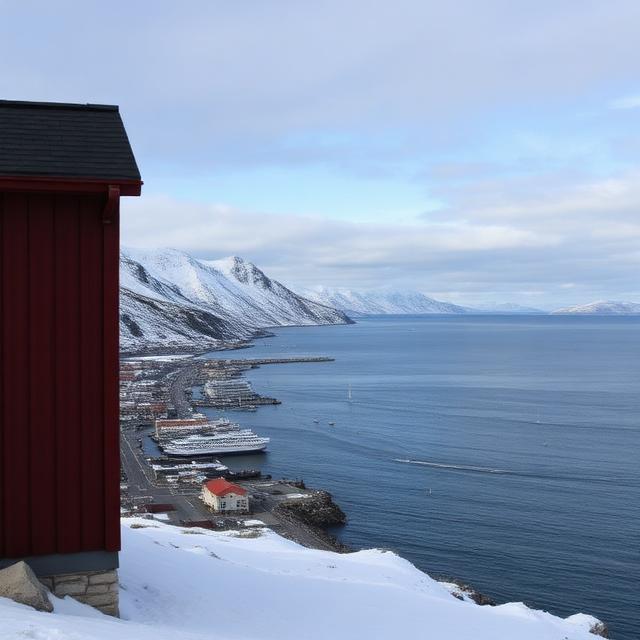
Honningsvåg is located near the famous North Cape, offering access to cold Arctic waters and strong fishing grounds. The region is remote and exposed to the Barents Sea, creating powerful marine ecosystems. Fishing trips here are often combined with sightseeing of dramatic coastal cliffs. It is one of the most northern fishing destinations in Europe.
Types of Fish: Arctic cod, haddock, coalfish, and occasional halibut are common. Cod is the main species targeted.
Where to Fish: Coastal waters near North Cape and offshore Barents Sea zones. Rocky reefs and deep channels are most productive.
Vardø – Barents Sea Deep Water Fishing
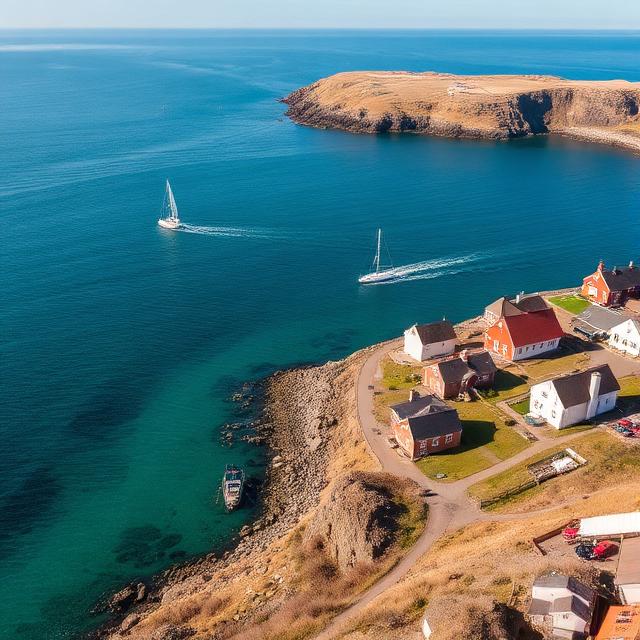
Vardø sits on the edge of the Barents Sea, offering direct access to some of the richest cold-water fishing grounds in the Arctic region. The area is influenced by strong ocean currents that bring nutrients and large schools of fish. Fishing pressure is low, making it a productive and peaceful destination. It is ideal for anglers seeking remote Arctic conditions.
Types of Fish: Atlantic cod, haddock, coalfish, and halibut are common. Cod and haddock dominate catches.
Where to Fish: Barents Sea offshore waters and nearby coastal zones. Deep offshore banks are especially productive.
Svalbard (Norway Territory): Remote Arctic Wilderness
Svalbard’s remote location offers a true Arctic fishing adventure.
Spitsbergen – Arctic Island Fishing Frontier
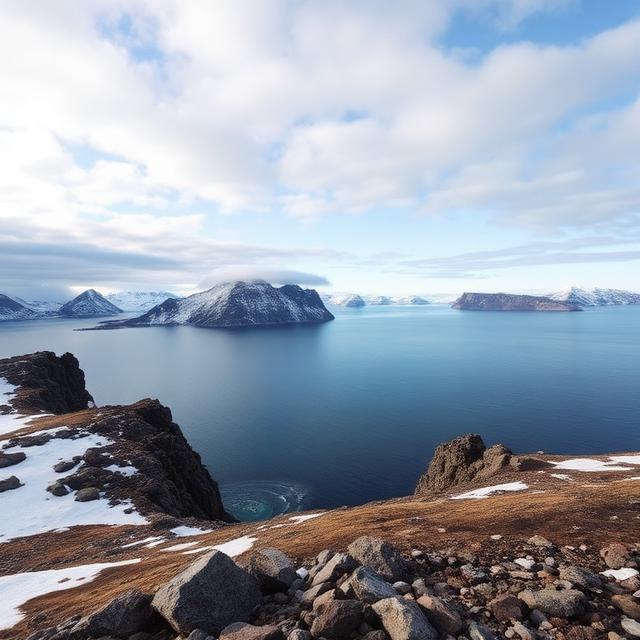
Spitsbergen is the largest island in the Svalbard region and offers one of the most extreme and remote fishing environments in the Arctic. Its surrounding waters are cold, deep, and largely untouched, creating pristine conditions for cold-water species. Fishing here is an adventurous experience set against glaciers, icebergs, and dramatic polar landscapes. The short Arctic summer provides the main window for safe and productive fishing expeditions.
Types of Fish: Arctic cod, Atlantic cod, halibut, and Arctic char are commonly found. Cod and halibut are the primary offshore targets. Arctic char appear in nearby freshwater and meltwater systems.
Where to Fish: Coastal waters around Spitsbergen and offshore Arctic Ocean zones. Fjords, ice-edge waters, and deep channels are key fishing areas.
Longyearbyen – Arctic Expedition Fishing Base
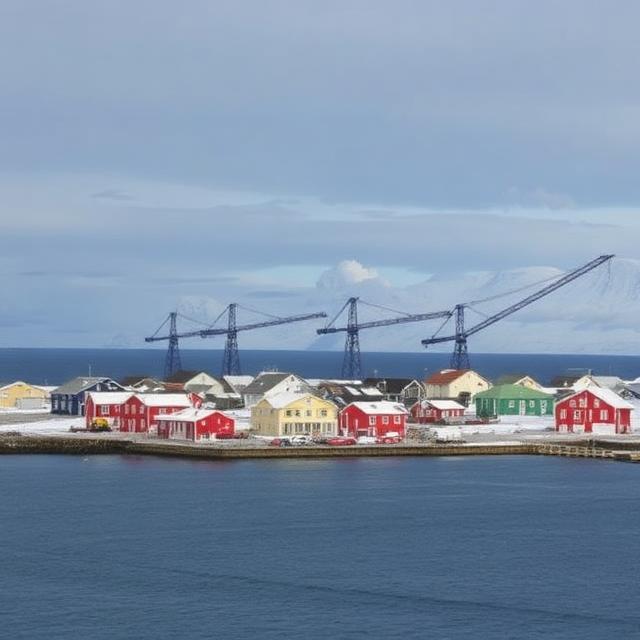
Longyearbyen is the largest settlement on Spitsbergen and serves as the main starting point for Arctic fishing expeditions. The town is small but well-equipped for remote tourism and guided Arctic adventures. From here, anglers can access some of the most extreme fishing waters in the world. The surrounding environment is defined by glaciers, polar wildlife, and near-constant Arctic conditions.
Types of Fish: Arctic cod, Atlantic cod, halibut, and occasional Arctic char are common. Cod and halibut dominate offshore catches.
Where to Fish: Isfjorden and nearby coastal Arctic waters. Offshore channels and fjord systems provide the best fishing grounds.
Russia: The Arctic Frontier
Russia’s Arctic coast offers vast, less-explored fishing grounds.
Murmansk – Barents Sea Arctic Fishing Hub
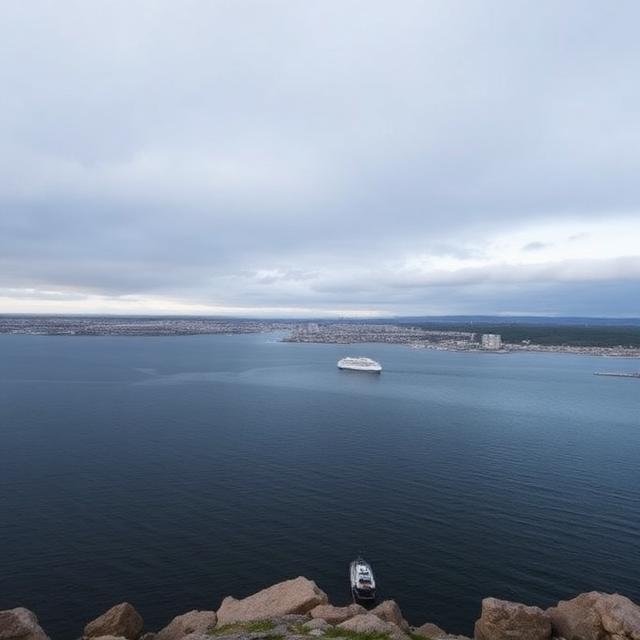
Murmansk is one of the largest port cities north of the Arctic Circle and a major gateway to the Barents Sea. Its location along powerful Arctic currents creates nutrient-rich waters that support some of the most productive cold-water fisheries in the world. The city has a strong maritime tradition, and fishing is both an industry and a popular activity for visitors. Anglers come here for consistent deep sea action and true Arctic conditions.
Types of Fish: Atlantic cod, haddock, halibut, coalfish, and redfish are common. Cod and haddock are the main catches. Halibut are the key trophy species.
Where to Fish: Barents Sea offshore waters and nearby fjords. Deep continental shelves and cold current zones create highly productive fishing grounds.
United States (Alaska & Arctic Region): Wild and Untamed Waters
Alaska’s Arctic and sub-Arctic regions are legendary for their fishing opportunities.
Nome – Bering Sea Wilderness Fishing
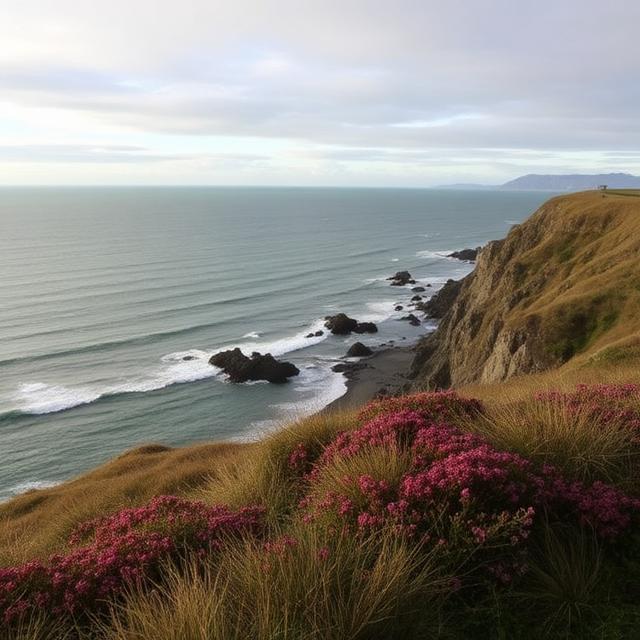
Nome sits on the edge of the Bering Sea, offering one of Alaska’s most rugged and remote deep sea fishing experiences. The region is shaped by strong currents and cold nutrient-rich waters that support abundant marine life. Its harsh coastal environment attracts anglers looking for true frontier-style fishing adventures. Fishing here is highly seasonal but can be extremely rewarding.
Types of Fish: Pacific halibut, cod, salmon, and various cold-water species are common. Halibut are the main trophy catch. Salmon runs provide seasonal action.
Where to Fish: Bering Sea offshore waters and coastal drop-offs. Deep channels and nearshore feeding zones are key fishing areas.
Utqiaġvik (Barrow) – Extreme Arctic Fishing Frontier
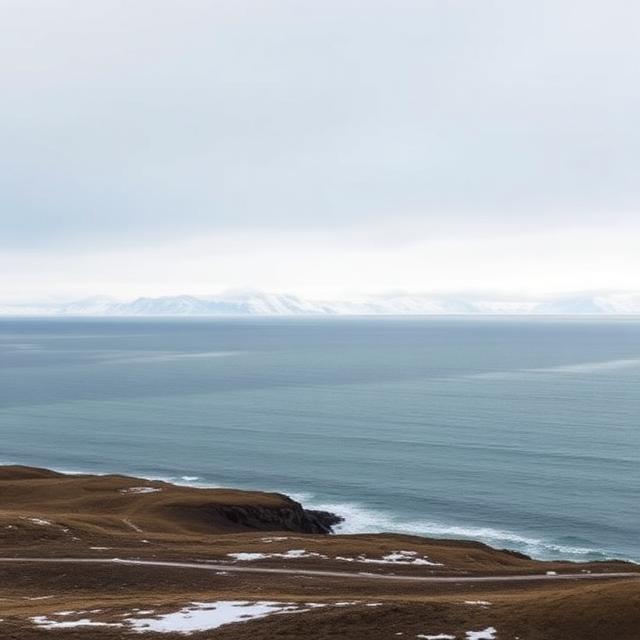
Utqiaġvik is the northernmost city in the United States, located above the Arctic Circle. It offers one of the most extreme fishing environments in North America, with long winters and a very short summer fishing season. The surrounding Arctic Ocean is cold, remote, and largely untouched. This destination is suited only for highly adventurous anglers.
Types of Fish: Arctic char, Arctic cod, and occasional cold-water species are found. Arctic char is the primary target.
Where to Fish: Coastal Arctic Ocean waters near the Beaufort Sea. Ice-edge zones and shallow coastal areas are most productive in summer.
Anchorage – Alaska Fishing Gateway Hub
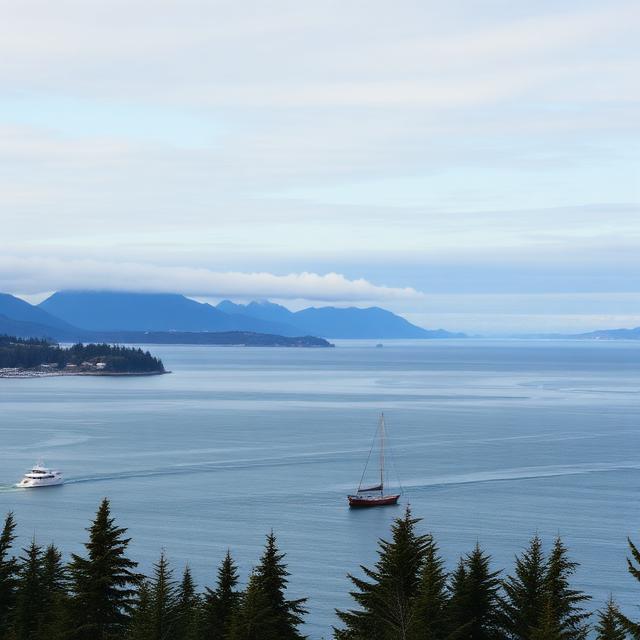
Anchorage is the main access point for many of Alaska’s world-famous fishing destinations. While the city itself is not a primary fishing site, it connects anglers to the Gulf of Alaska, Cook Inlet, and nearby rivers. Its strong infrastructure and charter services make it a convenient base for both freshwater and saltwater trips.
Types of Fish: Salmon (king, sockeye, coho), halibut, rockfish, and trout are common. Salmon runs are the biggest attraction. Halibut dominate offshore fishing.
Where to Fish: Cook Inlet, Gulf of Alaska, and nearby river systems. Estuaries and offshore drop-offs are key fishing zones.
Fairbanks – Interior Alaska Fishing Gateway
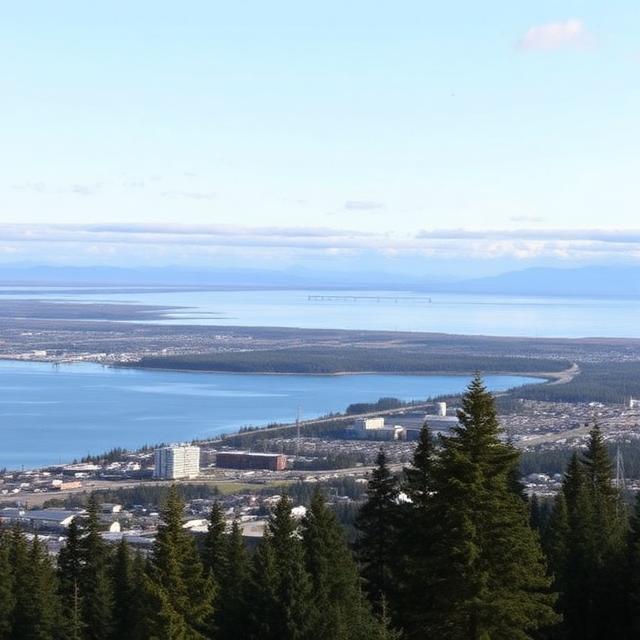
Fairbanks is located inland but serves as a key hub for accessing Alaska’s remote river and Arctic fishing regions. The area is known for pristine freshwater systems and long summer daylight hours that support extended fishing trips. It is a major base for anglers heading deeper into Alaska’s wilderness.
Types of Fish: Arctic grayling, northern pike, salmon (seasonal in nearby river systems), and trout are common. Grayling is the signature sport fish.
Where to Fish: Yukon River system and nearby lakes. Clear rivers, deep pools, and backcountry lakes are the main fishing areas.
Finland: Lakes and Coastal Fishing
Finland’s northern regions offer a mix of freshwater and coastal fishing.
Kemi – Gulf of Bothnia Cold-Water Fishing
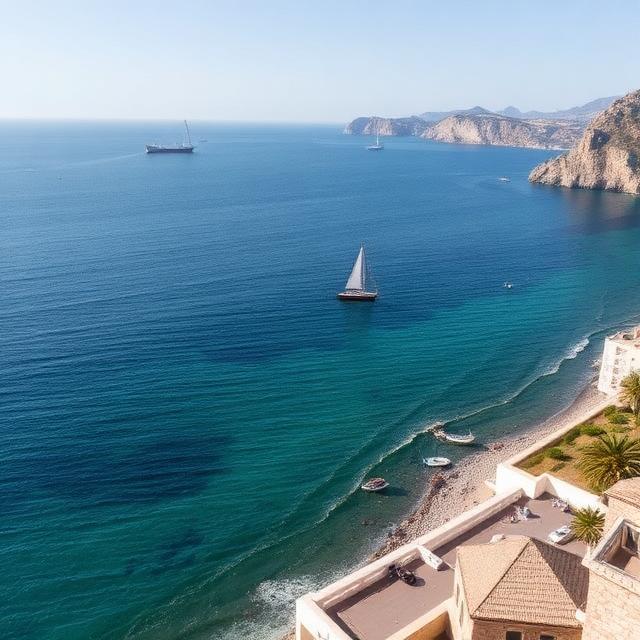
Kemi sits on the edge of the Bothnian Bay, where brackish Arctic-influenced waters create unique cold-water fishing conditions. The region experiences strong seasonal shifts, including ice-covered winters and productive summer fishing periods. Anglers are drawn here for the mix of sea and river influences that support a variety of species. It is a quiet, northern destination with a strong natural fishing environment.
Types of Fish: Baltic cod, herring, perch, pike, and whitefish are common. Perch and pike are especially popular in nearshore waters. Cod appear in deeper bay areas.
Where to Fish: Bothnian Bay coastal waters and nearby river mouths. Shallow coastal zones, estuaries, and deeper offshore channels are key fishing spots.
Oulu – Sub-Arctic Fishing Gateway
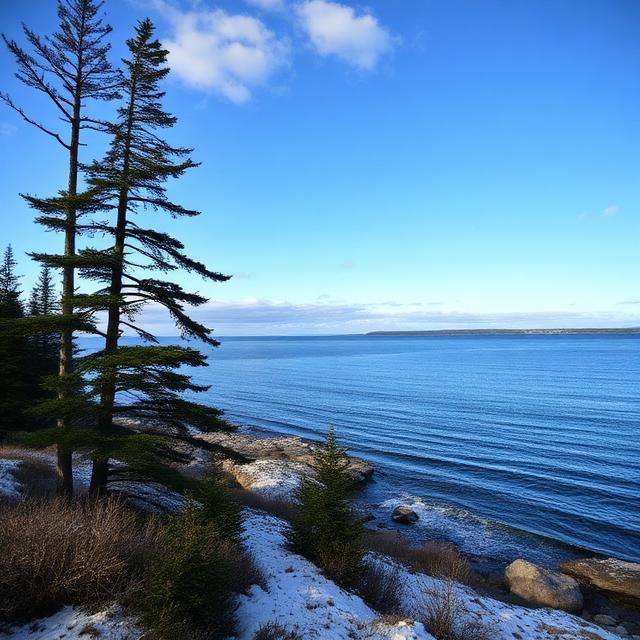
Oulu is one of the largest cities in northern Finland and offers access to the cold, brackish waters of the Gulf of Bothnia. The region is known for its clean environment and strong seasonal fishing opportunities. Long summer daylight hours make it especially productive during warmer months. It is a popular base for both local and visiting anglers.
Types of Fish: Northern pike, perch, pike-perch (zander), whitefish, and Baltic herring are common. Pike is the main predator species. Perch and zander are highly sought after.
Where to Fish: Gulf of Bothnia coastal waters, estuaries, and nearby river systems. Shallow bays and reed-lined shorelines are especially productive.
Final Thoughts
Exploring these 25 Arctic and sub-Arctic destinations reveals a world of deep sea fishing rich in variety and adventure. From the icy fjords of Norway to the remote coasts of Canada and Greenland, each location offers unique species and unforgettable experiences. Whether you seek the thrill of catching Arctic char or the challenge of deep sea halibut fishing, these destinations provide the perfect setting.
For anglers ready to plan their next trip, consider the season, local regulations, and available guides to make the most of your Arctic fishing adventure. The cold waters promise not only great catches but also the chance to witness some of the planet’s most spectacular natural environments.
FAQ: Arctic Deep Sea Fishing Destinations
1. What makes Arctic deep sea fishing so special?
Arctic waters are extremely cold, clean, and nutrient-rich, which creates strong ecosystems. This results in healthy fish populations and the chance to catch large species like cod, halibut, and Arctic char in remote, untouched environments.
2. What are the most common fish caught in Arctic regions?
The most common species include Atlantic cod, Pacific cod, Greenland halibut, Atlantic halibut, Arctic char, haddock, and pollock depending on the location and season.
3. When is the best time to go Arctic fishing?
Most Arctic deep sea fishing trips are best during late spring through early fall (May to September), when ice conditions improve and charter boats are active. Some northern Norway locations also offer winter cod fishing seasons.
4. Do you need a guide for Arctic fishing trips?
Yes, in most Arctic regions a guided charter is strongly recommended or required due to extreme weather, ice conditions, and remote locations. Local guides also help access the best fishing spots safely.
5. Is Arctic deep sea fishing dangerous?
It can be risky due to cold temperatures, sudden weather changes, sea ice, and remote environments. With proper gear and experienced guides, it becomes a safe and controlled adventure.
6. What should I bring for Arctic fishing?
Bring insulated waterproof clothing, thermal layers, gloves, waterproof boots, sunscreen (yes, even in cold regions), and seasickness medication. Most charters provide fishing gear.
7. Can beginners try Arctic deep sea fishing?
Yes, many destinations like Iceland and northern Norway offer beginner-friendly charter trips. However, remote areas like Svalbard or northern Alaska are better suited for experienced anglers.
8. Why are Arctic waters so good for fishing?
Cold water holds more oxygen and supports rich marine ecosystems. Seasonal migrations and deep ocean currents bring large schools of fish close to shore and fjord systems.



Leave a Reply