Traveling to remote locations offers a unique thrill and a chance to experience the world in ways few ever do. These places challenge your comfort zone, test your resilience, and reward you with breathtaking sights and unforgettable stories. If you crave adventure and want to explore places far from the usual tourist paths, this list of ten remote destinations will inspire your next journey.
1. Tristan da Cunha, South Atlantic Ocean
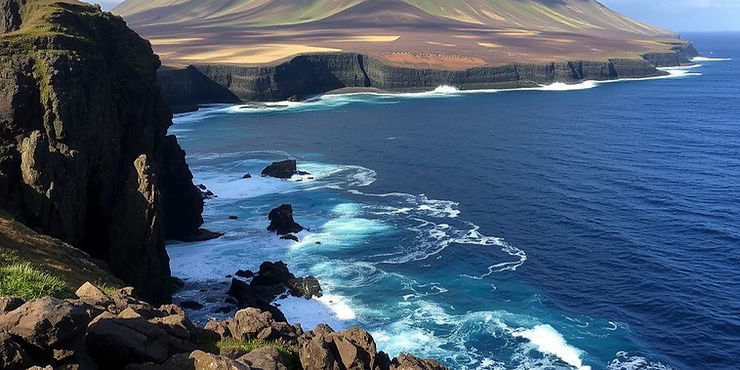
Tristan da Cunha is the most isolated inhabited island on Earth, located over 2,400 kilometers from the nearest mainland. Reaching this volcanic island requires a six-day boat trip from South Africa, making it a true test of patience and determination. The island’s small community lives a simple life, surrounded by dramatic cliffs and vast ocean views. Visitors can hike volcanic slopes, spot rare bird species, and experience a culture untouched by mass tourism.
2. The Darien Gap, Panama and Colombia

The Darien Gap is a dense jungle region separating Central and South America. It is one of the most dangerous and inaccessible places on the continent. Few dare to cross it due to thick vegetation, wildlife, and the presence of armed groups. For the brave, guided treks offer a chance to witness untouched rainforests, indigenous communities, and rare wildlife. Preparation and local guides are essential for safety.
3. Pitcairn Islands, South Pacific Ocean

Home to descendants of the HMS Bounty mutineers, the Pitcairn Islands are a tiny group of volcanic islands with fewer than 50 residents. Located thousands of kilometers from the nearest continent, reaching Pitcairn requires a long sea voyage. The islands offer pristine beaches, crystal-clear waters, and a glimpse into a unique community living in isolation. Visitors must plan well in advance due to limited transport and accommodations.
4. Kerguelen Islands, Southern Indian Ocean

Known as the “Desolation Islands,” the Kerguelen Islands lie in the southern Indian Ocean, far from any major landmass. These sub-Antarctic islands are home to rugged landscapes, glaciers, and abundant wildlife like seals and penguins. Access is limited to scientific expeditions and a few adventurous tourists arriving by ship. The harsh weather and isolation make this destination suitable only for those prepared for extreme conditions.
5. Oymyakon, Siberia, Russia

Oymyakon holds the record as one of the coldest permanently inhabited places on Earth. Winter temperatures can drop below -50°C (-58°F). This remote Siberian village offers a glimpse into life in extreme cold, with traditional wooden houses and frozen landscapes. Visitors can experience the stark beauty of the Arctic environment, but must be ready for severe weather and limited facilities.
6. Socotra Island, Yemen

Socotra Island is often described as the most alien-looking place on Earth due to its unique flora and fauna. Located in the Arabian Sea, it is home to species found nowhere else, like the dragon’s blood tree. The island’s remoteness and political instability in the region make it a challenging destination. Travelers who visit Socotra find surreal landscapes, pristine beaches, and a chance to explore untouched nature.
7. The Empty Quarter (Rub’ al Khali), Arabian Peninsula

The Empty Quarter is the largest continuous sand desert in the world, covering parts of Saudi Arabia, Oman, the UAE, and Yemen. Its vast dunes and extreme heat create one of the harshest environments on the planet. Only experienced desert travelers with proper guides should attempt to cross it. The desert offers stunning views of endless sand, rare wildlife, and a profound sense of solitude.
8. Bouvet Island, South Atlantic Ocean

Bouvet Island is a tiny, uninhabited volcanic island covered mostly by glaciers. It is one of the most remote islands on Earth, located over 2,500 kilometers from the nearest land. Access is nearly impossible except by specialized research vessels. The island’s harsh climate and isolation make it a place only a few scientists and explorers have ever set foot on.
9. The Faroe Islands, North Atlantic Ocean

The Faroe Islands are a group of 18 rugged islands between Iceland and Norway. Known for their dramatic cliffs, waterfalls, and grass-roofed houses, the islands remain relatively untouched by mass tourism. The weather can be unpredictable, and the terrain is challenging, but the stunning landscapes and rich birdlife attract adventurous travelers. The islands offer hiking, fishing, and a chance to experience Nordic culture in a remote setting.
10. Antarctica

Antarctica is the ultimate remote destination, with no permanent residents and extreme weather conditions. Visiting requires careful planning, usually through expedition cruises or scientific missions. The continent offers spectacular ice formations, wildlife like penguins and seals, and a sense of being at the edge of the world. Travelers must be prepared for cold, isolation, and strict environmental regulations.
Conclusion
Remote destinations challenge travelers physically, mentally, and emotionally—but the rewards are unmatched. These 10 locations prove that some of the world’s most incredible landscapes are off the beaten path. For those willing to brave isolation, harsh weather, and difficult journeys, the experience is transformative.
FAQ
Q: Are these remote places safe to visit?
A: Most require careful planning, guides, and preparation. Safety depends on location and season.
Q: Which is the most remote destination on Earth?
A: Tristan da Cunha is the most isolated inhabited island, while Antarctica is the most remote continent.
Q: Do I need special permits or tours?
A: Yes. Many require guided access, permits, or expeditions due to isolation and safety concerns.
Q: When is the best time to visit remote destinations?
A: Check local seasons—Antarctica and Oymyakon have extreme seasonal windows, while others like Tristan da Cunha are more accessible during calmer weather months.







Leave a Reply