Cold adventure destinations offer some of the most exhilarating experiences for travelers who crave extreme conditions and breathtaking landscapes. From icy wildernesses to frozen seas, these places challenge your limits and reward you with unforgettable memories. If you love the thrill of cold weather and rugged terrain, this list of the top 10 coldest adventure destinations will inspire your next journey.
1. Antarctica – The Ultimate Frozen Frontier

Antarctica is the coldest place on Earth, with temperatures dropping below -80°C (-112°F) in winter. It offers a unique adventure for those who want to explore vast ice sheets, towering glaciers, and abundant wildlife like penguins and seals. Visitors can join guided expeditions that include ice trekking, kayaking among icebergs, and even camping on the ice.
- Average summer temperature: -20°C (-4°F)
- Best time to visit: November to March
- Activities: Ice climbing, wildlife watching, polar diving
2. Siberia, Russia – The Land of Permafrost

Siberia is known for its extreme cold and vast wilderness. The region experiences some of the lowest temperatures outside Antarctica, especially in places like Oymyakon, the coldest inhabited village on Earth. Adventure seekers can explore frozen rivers, dense taiga forests, and remote villages while experiencing traditional Siberian culture.
- Winter temperatures can reach -50°C (-58°F)
- Best time to visit: December to February
- Activities: Dog sledding, ice fishing, snowmobiling
3. Greenland – Icebergs and Arctic Wilderness
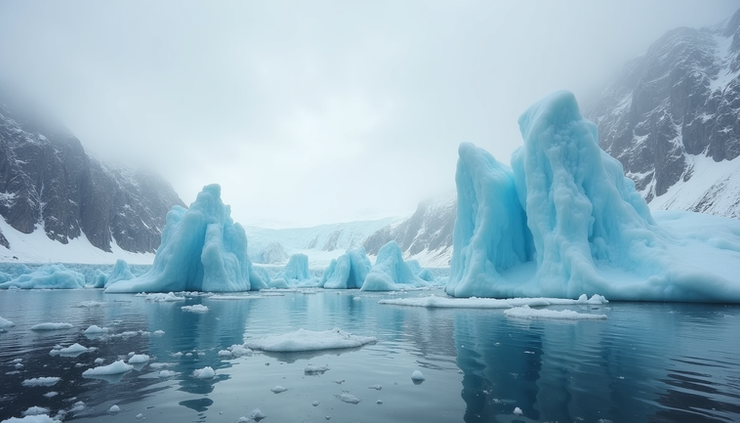
Greenland’s massive ice sheet covers most of the island, creating a dramatic landscape of glaciers and fjords. Adventure travelers can hike on glaciers, kayak through icy waters, and witness the Northern Lights. The Ilulissat Icefjord, a UNESCO World Heritage site, is a must-see for its spectacular ice formations.
- Winter temperatures: -20°C to -30°C (-4°F to -22°F)
- Best time to visit: June to September for milder weather
- Activities: Glacier hiking, kayaking, Northern Lights tours
4. Alaska, USA – Wilderness and Glaciers

Alaska offers a mix of cold adventure and accessible wilderness. From Denali National Park to the Kenai Fjords, you can explore glaciers, frozen lakes, and snow-covered mountains. Winter activities include dog sledding, ice climbing, and snowshoeing, while summer offers glacier hiking and wildlife spotting.
- Winter temperatures: -30°C to -40°C (-22°F to -40°F)
- Best time to visit: March to May for winter sports, June to August for hiking
- Activities: Glacier trekking, ice climbing, wildlife tours
5. Iceland – Land of Fire and Ice

Iceland’s cold climate and volcanic landscape create a unique adventure playground. You can explore ice caves, frozen waterfalls, and glaciers, as well as hot springs that offer a warm contrast to the cold environment. The country is also famous for its Northern Lights displays during winter.
- Winter temperatures: -1°C to -10°C (30°F to 14°F)
- Best time to visit: November to March for ice caves and Northern Lights
- Activities: Ice caving, glacier hiking, hot spring bathing
6. Lapland, Finland – Arctic Circle Adventures

Lapland is a winter wonderland known for its snowy forests, frozen lakes, and Sami culture. It offers a wide range of cold-weather activities such as reindeer sledding, snowmobiling, and ice fishing. The region is also one of the best places to see the Northern Lights.
- Winter temperatures: -15°C to -30°C (5°F to -22°F)
- Best time to visit: December to March
- Activities: Snowshoeing, dog sledding, Northern Lights tours
7. Patagonia, Argentina and Chile – Cold Winds and Glaciers
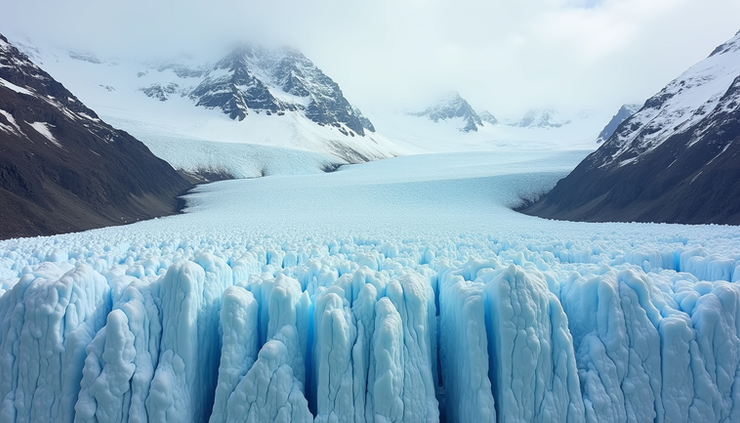
Patagonia’s southern regions are cold and windy, with stunning glaciers and rugged mountains. The Torres del Paine National Park is a highlight for trekkers who want to experience icy landscapes and dramatic weather. Adventure options include glacier hiking, ice climbing, and kayaking in cold waters.
- Winter temperatures: -2°C to -10°C (28°F to 14°F)
- Best time to visit: November to March for hiking
- Activities: Glacier trekking, ice climbing, kayaking
8. Svalbard, Norway – Arctic Wildlife and Ice Fields
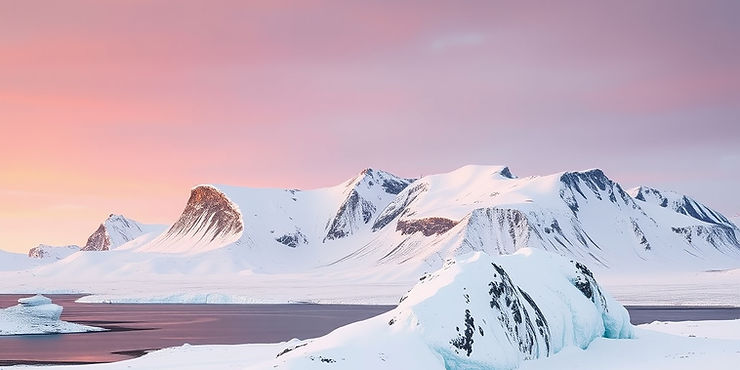
Svalbard is an Arctic archipelago known for polar bears, glaciers, and polar night. It offers a remote and wild experience with opportunities for snowmobiling, ice caving, and wildlife photography. The polar night from November to February means long periods of darkness, perfect for Northern Lights viewing.
- Winter temperatures: -20°C to -30°C (-4°F to -22°F)
- Best time to visit: February to May for winter activities
- Activities: Snowmobiling, ice caving, polar bear watching
9. The Canadian Arctic – Remote and Rugged

The Canadian Arctic includes Nunavut and the Northwest Territories, where temperatures plunge and landscapes are dominated by ice and tundra. Visitors can experience Inuit culture, dog sledding, and ice fishing. The region’s vastness and isolation make it a true adventure for those seeking solitude and extreme cold.
- Winter temperatures: -30°C to -40°C (-22°F to -40°F)
- Best time to visit: March to April
- Activities: Dog sledding, ice fishing, cultural tours
10. The Himalayas – High Altitude Cold Adventure

While not always the coldest, the high altitudes of the Himalayas create freezing conditions, especially in winter. Mountaineers and trekkers face snow, ice, and thin air on routes like Everest Base Camp and the Annapurna Circuit. The region combines cold adventure with stunning mountain scenery and rich culture.
Activities: High-altitude trekking, mountaineering, cultural exploration
scapes, solitude, and the thrill of extreme winter trekking.
Winter temperatures: -20°C to -30°C (-4°F to -22°F) at high altitudes
Best time to visit: March to May and September to November for trekking
Conclusion
Extreme cold doesn’t deter adventurers—it inspires them. From Siberia to Antarctica, icy mountains to frozen tundras, these destinations prove that adventure thrives even in the harshest environments. For those willing to brave the chill, the rewards are surreal landscapes, unforgettable wildlife encounters, and experiences few will ever have.
FAQ
Q: Are these destinations safe to visit?
A: With proper preparation, guides, and equipment, yes—but extreme cold demands respect.
Q: What is the coldest destination on Earth?
A: Oymyakon, Siberia holds the record for coldest permanently inhabited location.
Q: Do I need special gear?
A: Absolutely—layered clothing, insulated boots, and survival gear are essential.
Q: When is the best time to visit these cold destinations?
A: Summer months are safer in Greenland and Alaska, while winter offers optimal conditions for northern lights and snow sports.






Leave a Reply